You've made it. The first trimester fog is lifting, the nausea (hopefully) is fading, and you're starting to feel human again. Welcome to the second trimester, weeks 13 to 27. Many call this the "honeymoon phase," and for good reason—you often get a surge of energy, your baby bump makes its charming debut, and you might finally feel pregnant in a good way. But it's not all smooth sailing. This period brings its own set of questions and physical changes that common advice often glosses over.
I remember with my first, I was so relieved to be out of the constant fatigue that I didn't prepare for the new challenges. The round ligament pain that felt like a side stitch from hell, the sudden need for a whole new wardrobe, and the weird anxiety that crept in when I had a "good" day and didn't "feel" pregnant. This guide is the one I wish I had: practical, specific, and honest about what really happens between those monthly check-ups.
What's Inside This Guide
What to Expect: Common Second Trimester Symptoms and How to Cope
Your body is working overtime. Here’s a breakdown of what’s happening and what actually helps.
| Symptom | Why It Happens | Pro-Tip (Not Just "Rest") |
|---|---|---|
| Round Ligament Pain | Stretching of the ligaments supporting your uterus. Feels like a sharp stitch in your lower abdomen/groin. | Change positions slowly. When it strikes, bend toward the pain to relieve tension. A maternity support belt can be a game-changer for all-day relief. |
| Nasal Congestion & Nosebleeds | Increased blood flow swells mucous membranes (pregnancy rhinitis). | Use a humidifier at night. Saline nasal spray is safe and effective. Avoid decongestants unless your doctor okays them. |
| Skin Changes (Linea Nigra, Glow) | Hormonal shifts affecting melanin. | The "glow" is often increased oil production. A gentle cleanser helps. Linea nigra (the dark belly line) fades postpartum. Sunscreen is crucial as skin is more prone to pigmentation. |
| Braxton Hicks Contractions | Your uterus "practicing" for labor. Usually painless, irregular tightening. | Differentiate from real labor: they stop if you change activity or hydrate. If they become regular, painful, or increase, call your provider. |
| Leg Cramps | Often linked to circulation changes, dehydration, or mineral imbalance. | Stretch calves before bed. Point toes up toward your knee, don't point them down, when a cramp starts. Ensure adequate magnesium (leafy greens, nuts) and potassium. |
One thing nobody warned me about? The dizziness. Standing up too fast could make the room spin. It's due to blood pressure changes. The fix is simple: move slowly. Sit on the edge of the bed for a minute before standing. And always have a snack handy—low blood sugar makes it worse.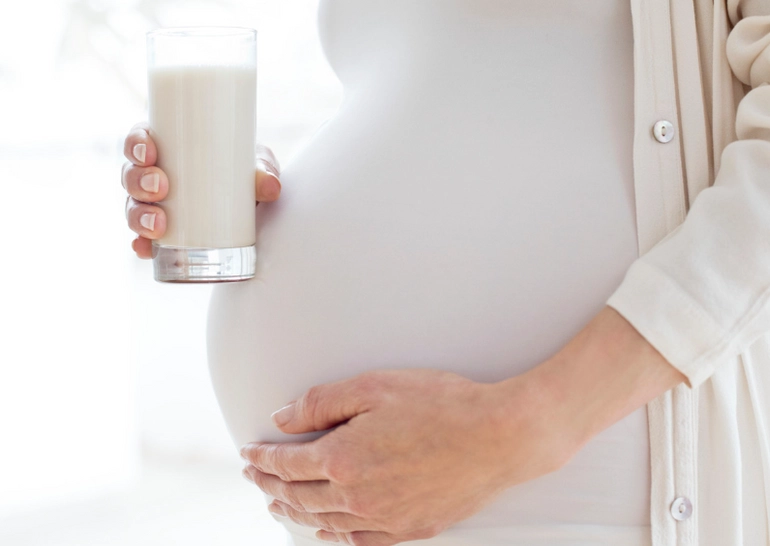
Second Trimester Nutrition: Eating for Growth and Energy
Forget "eating for two" in terms of quantity. It's about quality. Your baby's organs and bones are in major construction mode now.
The Non-Negotiable Nutrients
- Protein: Aim for 75-100 grams daily. Think: chicken breast (30g per 3oz), Greek yogurt (15g per cup), lentils (18g per cup). It's for building every cell.
- Iron: Needs nearly double to support increased blood volume. Pair plant-based iron (spinach, beans) with Vitamin C (bell peppers, oranges) to boost absorption. A common mistake is taking iron supplements with calcium-rich foods or coffee, which blocks absorption.
- Calcium & Vitamin D: Baby takes what it needs from your bones if you're short. Dairy, fortified plant milk, sardines. Get some safe sun for D.
- DHA (an Omega-3): Critical for baby's brain development. Found in fatty fish (salmon, sardines - 2-3 servings a week is safe), algae oil supplements, walnuts.
Hydration Hack: Your blood volume increases by almost 50%. Dehydration can trigger Braxton Hicks and fatigue. Carry a large water bottle. If plain water is boring, add cucumber, lemon, or a splash of juice. Monitor your urine color—aim for pale yellow.
Staying Active: Safe Second Trimester Exercises
If you feel good, this is the time to move. Exercise boosts mood, improves sleep, and can ease back pain.
What's generally safe: Walking, swimming (bliss for a heavy belly), prenatal yoga (look for certified instructors), stationary cycling, and modified strength training.
What to modify or avoid: Exercises lying flat on your back after 16 weeks (the weight of your uterus can compress a major vein). Contact sports, activities with high fall risk (skiing, horseback riding), hot yoga or exercising in extreme heat.
The biggest shift? Listen to your ligaments. The hormone relaxin loosens joints to prepare for birth, making you more prone to strains. Focus on stability over flexibility. If a stretch feels "too easy," it probably is—your joints are just that loose. Don't push it.
Practical Prep: Sleep, Wardrobe, and Mental Space
Sleeping with a Bump
The left-side sleeping advice is real—it optimizes blood flow to your uterus and kidneys. But how do you actually do it all night?
Invest in a good pregnancy pillow (a U-shaped or C-shaped one). Or use regular pillows: one between your knees (aligns hips), one behind your back to stop you rolling over, and one to hug. It creates a cozy nest. If you wake up on your back, don't panic. Just roll back to your side.
The Maternity Wardrobe Transition
You don't need a whole new closet. Start with basics that grow with you:
- 2-3 pairs of maternity leggings or jeans with a full panel.
- A few stretchy, longer tops or tunics.
- 1-2 supportive maternity bras (your rib cage may expand).
- A simple, versatile dress.
Skip buying expensive "maternity" clothes for events. Rent from services like Nuuly or Rent the Runway instead.
Mental and Emotional Check-in
This trimester can bring anxiety about the baby's health, body image changes, or the life shift ahead. It's normal.
Talk about it. With your partner, friends, or a therapist. Start a journal for your thoughts and for letters to your baby. Research and sign up for a childbirth education class—knowledge reduces fear. The American College of Obstetricians and Gynecologists (ACOG) website is a fantastic, evidence-based resource for relieving anxiety about medical questions.
Making the Most of Your Prenatal Checkups
Appointments are now monthly. They're quick but important.
What typically happens: Weight, blood pressure check, measuring your fundal height (from pubic bone to top of uterus), listening to baby's heartbeat, checking for swelling, discussing symptoms.
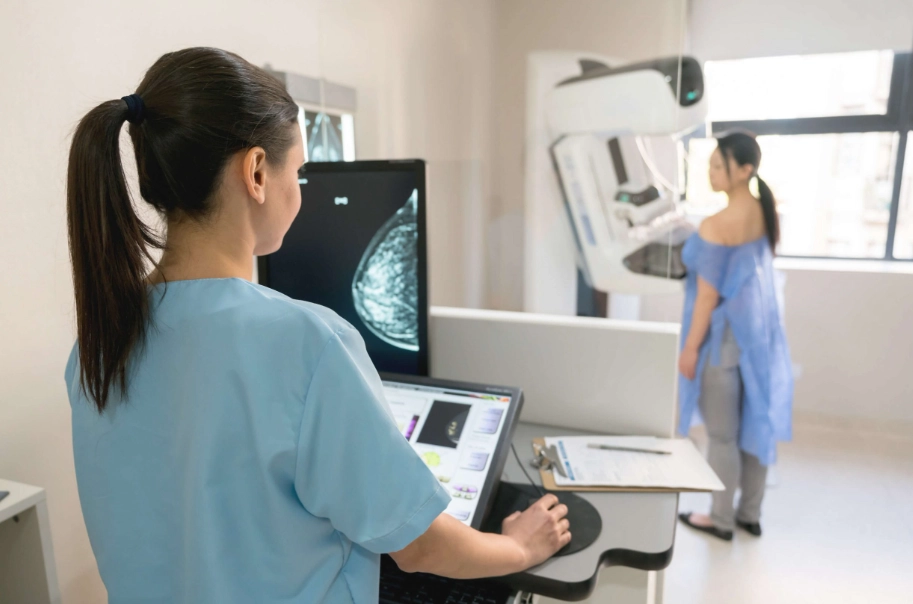
Key tests in this window: The anatomy scan (around 20 weeks) is the big one. They check baby's physical development. You might also do the glucose challenge test for gestational diabetes (24-28 weeks).
Be Your Own Advocate: Come with a written list of questions. No question is silly. Experiencing new headaches? Vision changes? Swelling that doesn't go down with rest? Mention it. Persistent itching, especially on your hands and feet, needs to be reported—it could signal a liver condition (cholestasis).
Your Top Second Trimester Questions, Answered
The second trimester is your chance to build strength and stores—both physically and emotionally—for the journey ahead. Pay attention to your body's signals, communicate with your care team, and allow yourself to enjoy this unique in-between time. You've got this.


Leave a comment