Let's be real. "Female fitness workouts" often gets boxed into two extremes: punishing bootcamps promising rapid weight loss or gentle yoga flows that feel more like a stretch than a workout. The truth is, the most effective plan for you sits squarely in the middle, and it's not about shrinking yourself. It's about building a body that's strong, resilient, and capable. After coaching women for over a decade, I've seen the shift from pure calorie-burning to strength-first thinking. That's what we're diving into here.
This isn't another generic list of exercises. We're building a framework. You'll learn the three pillars of a balanced female fitness plan, how to structure your week without burning out, and the subtle mistakes that keep most women from seeing the results they work so hard for.
What You'll Discover Inside
What "Female Fitness Workouts" Really Mean (Hint: It's Not Just Cardio)
Forget the old-school magazine covers. Modern female fitness is about function, not just form. It's about feeling powerful during your day, having the energy to keep up with your kids, and building bone density to stay independent for decades. The American Council on Exercise consistently highlights that women benefit tremendously from resistance training, combating stereotypes that it's a male domain.
The core goal? Body recomposition – losing body fat while gaining or maintaining muscle. This is the secret to that "toned" look everyone wants. It requires a blend of smart strength work, strategic cardio, and dedicated recovery. That's the foundation we're working from.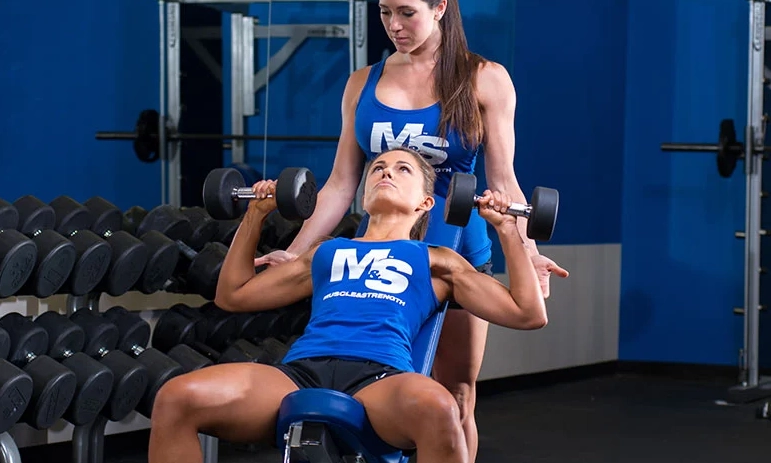
The Three Non-Negotiable Pillars of Your Workout Plan
Think of your fitness like a three-legged stool. Remove one leg, and it topples over. These pillars work synergistically.
1. Strength & Resistance Training: Your Metabolic Engine
This is the cornerstone. Lifting weights or using resistance bands does more than shape your muscles; it boosts your metabolism for hours after you finish (Excess Post-Exercise Oxygen Consumption, or EPOC), strengthens your joints, and improves insulin sensitivity.
Where to start if you're new:
- Compound Movements are King: Squats, lunges, push-ups (modified or standard), rows, and hip thrusts. They work multiple muscle groups at once, giving you more bang for your buck.
- Forget "Toning": Aim for Progressive Overload: This just means gradually making things harder. Add 5 lbs to your dumbbells, do one more rep, or slow down the movement. This is the signal your body needs to change.
 A Sample Beginner Strength Session: 3 sets of 8-12 reps for each. Rest 60-90 seconds between sets.
- Goblet Squats
- Dumbbell Rows
- Push-ups (from knees or incline)
- Glute Bridges
- Plank (hold for 30-60 seconds)
Personal Take: I see too many women stuck with 3-lb pink dumbbells for years. Your muscles are incredibly adaptable. If it doesn't feel challenging by the last two reps, you're leaving results on the table. Don't be afraid to lift heavy—it's defined, not bulky.
2. Cardiovascular Health: More Than Just Burning Calories
Cardio isn't just for weight loss. It improves heart health, boosts mood, and increases stamina. The key is variety and intensity.
- Steady-State (LISS): Walking, cycling, swimming at a consistent, moderate pace for 30-45 minutes. Perfect for active recovery days or building a base.
- High-Intensity Interval Training (HIIT): Short bursts of all-out effort (like 30-second sprints) followed by recovery (like 60 seconds of walking). A 20-minute HIIT session can be incredibly efficient for fitness and fat loss. Research in journals like Cell Metabolism has shown HIIT can improve mitochondrial function significantly.
Which one? Do both. Maybe two days of LISS and one day of HIIT. Listen to your energy levels.
3. Flexibility, Mobility & Recovery: The Glue That Holds It Together
This is the most skipped pillar, and it's a huge mistake. Without it, you set yourself up for injury, plateaus, and constant fatigue.
- Mobility: Active movements that take your joints through their full range of motion (like leg swings, cat-cows). Do this as a 5-10 minute warm-up before every workout.
- Flexibility: Static stretching after your workouts or on rest days. Hold each stretch for 30-45 seconds without pain.
- Recovery: This means actual rest days, quality sleep (7-9 hours), hydration, and nutrition. Your muscles grow and repair when you're not working out.
How to Build Your Personal Workout Blueprint
Let's make this actionable. Here’s a step-by-step guide to creating a weekly schedule that fits a busy life.
- Define Your "Why" and Goal: Is it to feel stronger carrying groceries? Run a 5K? Fit into an old pair of jeans with confidence? Be specific.
- Audit Your Time: Be brutally honest. Can you commit to 3 days a week for 45 minutes? Start there. Consistency beats a perfect but unsustainable 6-day plan.
- Choose Your Split: For 3 days a week, a full-body strength routine each day works great. For 4 days, you could try an Upper Body/Lower Body split.
- Layer in Cardio & Recovery: Add cardio sessions after strength work or on separate days. Schedule at least one full rest day with only light walking or stretching.
- Fuel and Hydrate: You can't out-train a poor diet. Focus on protein (aim for 0.7-1 gram per pound of body weight), complex carbs, healthy fats, and plenty of water.
- Track Something: Not just weight. Track your strength ("I squatted 50 lbs for 8 reps today"), your energy levels, how your clothes fit, or your mood.
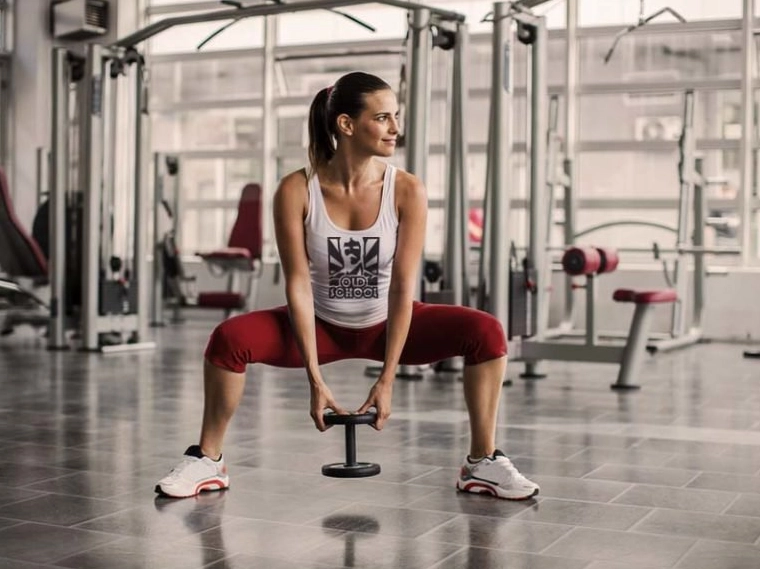
A Sample Week for a Busy Woman (3-Day Full Body Focus)
| Day | Focus | Example Workout | Notes |
|---|---|---|---|
| Monday | Full Body Strength + LISS | Warm-up: 5 min dynamic stretch. Strength: Squats, Push-ups, Bent-over Rows, Glute Bridges, Planks (3x10-12). Cardio: 20-min brisk walk or cycle. | Get it done to start the week strong. |
| Tuesday | Active Recovery / Rest | 30-minute gentle walk, yoga video, or complete rest. Focus on hydration and protein. | Listen to your body. Sore is okay, pain is not. |
| Wednesday | Full Body Strength + HIIT | Warm-up. Strength: Lunges, Dumbbell Press, Lat Pulldowns (or band rows), Deadbugs. HIIT: 10 rounds of 30s sprint/60s walk. | Keep the strength exercises different from Monday to vary stimulus. |
| Thursday | Rest | Complete rest or light stretching. Prioritize sleep. | Recovery is part of the work. |
| Friday | Full Body Strength | Warm-up. Strength: Goblet Squats, Incline Push-ups, Single-Arm Rows, Hip Thrusts, Side Plank. | Finish the week strong. Maybe try to beat Monday's weights/reps. |
| Weekend | Fun Activity & Mobility | Hiking, dancing, swimming, or playing with kids. Dedicate 15 mins to full-body static stretching. | Fitness should enrich your life, not consume it. |
4 Common Mistakes That Sabotage Progress (And How to Fix Them)
Here's where that "10-year experience" insight comes in. These aren't the obvious "don't skip workouts" tips.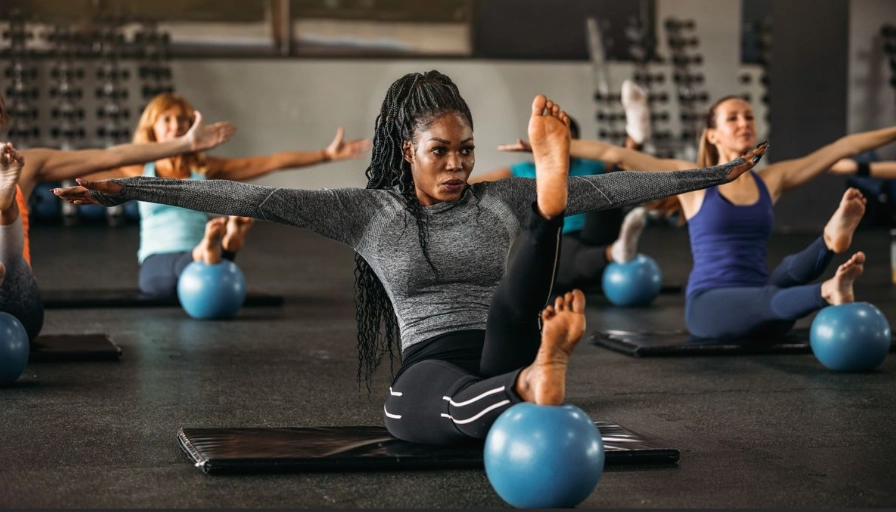
- Mistake: Prioritizing Scale Weight Over Everything. Muscle is denser than fat. You might be losing fat and gaining muscle, seeing changes in the mirror, but the scale stalls. This is a win, not a failure.
Fix: Use a tape measure, take progress photos monthly, or track performance metrics. Let the scale be one data point, not the judge. - Mistake: Copying an Influencer's Extreme Routine. Their job is fitness. Your life involves work, family, and stress. Jumping into a 2-hour daily program leads to burnout.
Fix: Start with the minimum effective dose. Three 45-minute sessions a week, done consistently for 3 months, will yield better results than a 6-week extreme plan you quit. - Mistake: Neglecting Recovery Because It Feels "Lazy." Going hard seven days a week is a fast track to injury, hormonal disruption (like missing periods), and stalled progress.
Fix: Schedule rest days like you schedule workouts. View sleep and nutrition as critical training components. - Mistake: Under-eating, Especially Protein. Trying to "diet" on 1200 calories while working out hard is a recipe for muscle loss, fatigue, and a plummeting metabolism.
Fix: Fuel for your activity. Increase protein to support muscle repair and keep you full. A slight calorie deficit is fine for fat loss, but starvation is not.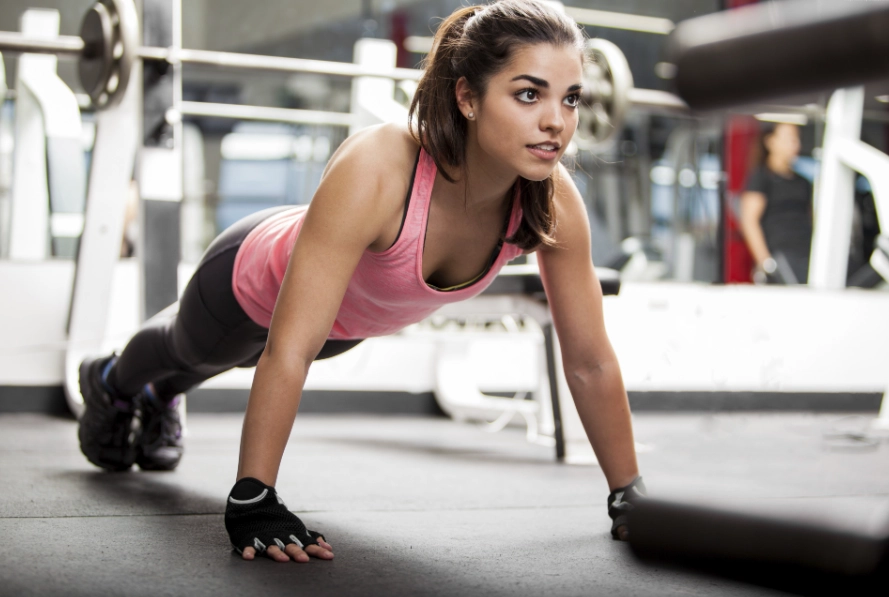
Your Burning Questions, Answered
How should I adjust my female fitness workouts during my period?
Your hormones dictate your energy. In the week before your period (luteal phase), you might feel more fatigued and retain water. It's perfectly okay to dial back intensity, focus on steady-state cardio or yoga, and reduce heavy lifts if you're feeling weak. In the week after your period (follicular phase), energy often rebounds—that's a great time to go for personal records in strength. The key is to listen, not force. Working out can alleviate cramps for many, but a rest day is also a valid choice.
I only have 20 minutes and no equipment at home. What's the best workout I can do?
You can get a brutally effective full-body session. Structure it as a circuit: 40 seconds of work, 20 seconds of rest, repeat for 4 rounds. Try this sequence: Bodyweight Squats, Push-ups (from knees or against a wall), Alternating Lunges, Plank, Glute Bridges. That's five exercises. By the last round, your heart will be pounding and your muscles will be burning. Consistency with short workouts beats inconsistency waiting for the "perfect" hour-long gym session.
I've been doing the same routine for months and see no changes. What's wrong?
Your body has adapted. It's efficient at doing that exact routine, so it burns fewer calories and stops building muscle. You've hit a plateau. You need to introduce a new stimulus. Change the exercises (swap goblet squats for Bulgarian split squats). Change the rep scheme (if you always do 3x10, try 4x8 with heavier weight or 3x15 with lighter weight). Change the rest periods. Or, take a deload week—do everything at 50% intensity to let your body fully recover and super-compensate. Stagnation is a signal to switch things up.
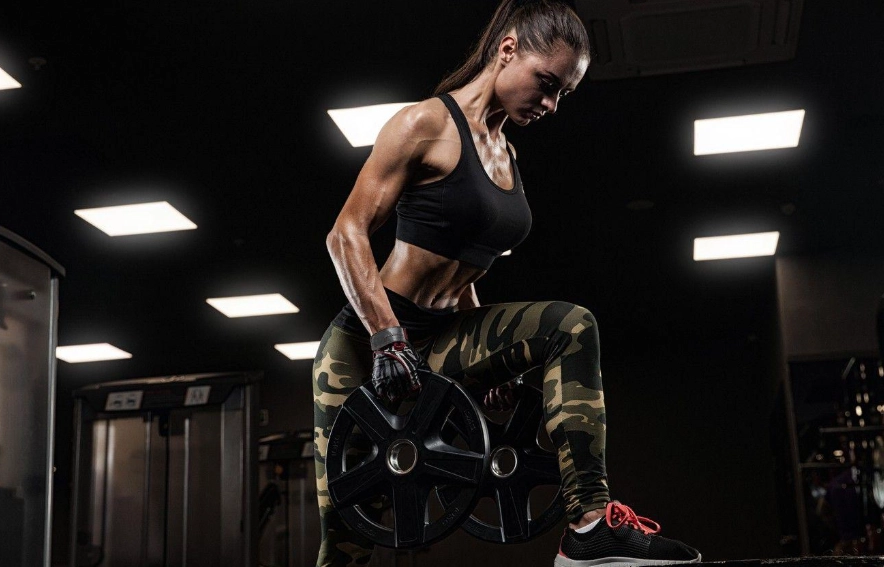 The journey with female fitness workouts is a marathon, not a sprint. It's about building habits that make you feel capable and confident in your own skin, year after year. Ditch the all-or-nothing mindset. Start where you are, use what you have, and be consistent. Your strongest self is waiting.



Leave a comment