Let's cut to the chase. Is Pilates good for women? From my decade of teaching, the answer is a resounding, nuanced yes. But it's not a magic bullet for everyone. Pilates offers a unique toolkit that aligns remarkably well with the physiological and biomechanical needs of the female body across different life stages. However, the generic "it's good for core strength" advice you see everywhere misses the real story. The benefits are profound and specific, but so are the potential pitfalls if you approach it with the wrong mindset.
What You'll Discover in This Guide
How Does Pilates Specifically Benefit Women?
Most articles list generic benefits. Let's talk about why Pilates clicks with female anatomy and common health concerns.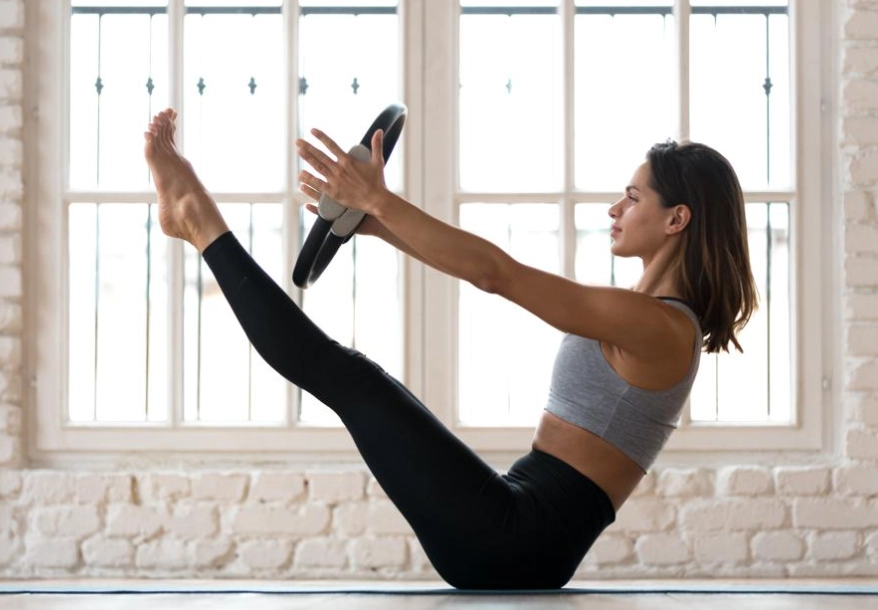
Beyond a Flat Stomach: Core and Pelvic Floor Synergy
The female core is more than abs. It's an integrated system including the deep transverse abdominis, the multifidus muscles along the spine, the diaphragm, and crucially, the pelvic floor muscles. Pregnancy, childbirth, and even high-impact sports can weaken or dysregulate this system. Pilates emphasizes co-contraction—engaging all these muscles together in a balanced way.
A classic beginner mistake I see is women sucking their belly button to the spine and holding their breath, which can actually increase intra-abdominal pressure and strain the pelvic floor. Proper Pilates teaches you to breathe into the sides and back of your ribs while gently drawing the deep abdominals inward, creating a supportive "corset" without bearing down. This skill is gold for managing and preventing issues like stress urinary incontinence, which according to the American College of Obstetricians and Gynecologists, affects a significant portion of women.
Joint Health and Injury Prevention
Women, on average, have greater joint laxity and a wider Q-angle (the angle from hip to knee), which can predispose them to knee injuries like ACL tears and patellofemoral pain. Pilates is a low-impact, controlled environment to build stability around these joints.
Exercises like Clamshells and Side-Lying Leg Lifts target the often-neglected gluteus medius. A weak glute medius allows the knee to cave inward during movement—a prime injury mechanism. Strengthening it through Pilates can change how you walk, run, and climb stairs, protecting your knees for the long haul.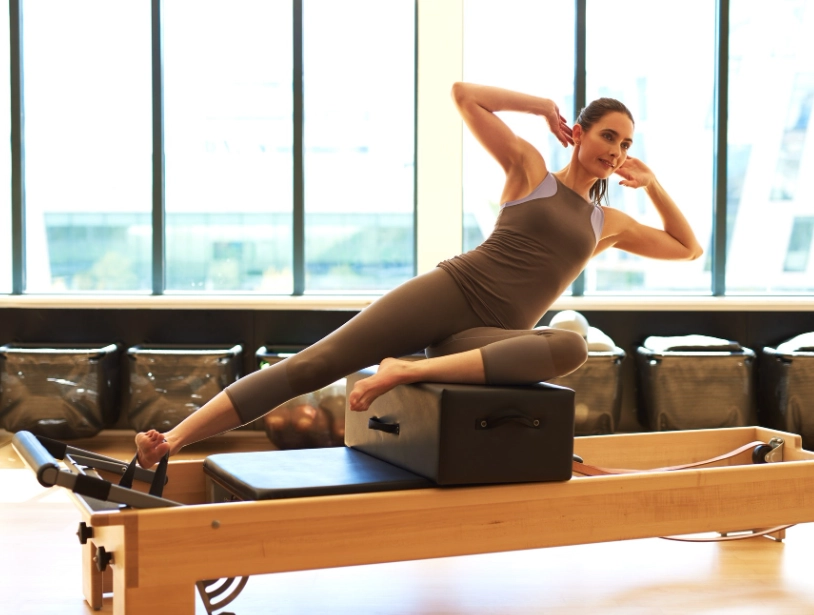
Posture, Bone Density, and Mental Space
Hours at a desk or looking at a phone drag the shoulders forward and the head down. Pilates counteracts this by strengthening the upper back (rhomboids, lower traps) and teaching spinal articulation. It's not just about sitting up straight; it's about making good posture feel effortless.
The weight-bearing nature of many mat and reformer exercises (like pushing against springs) provides the osteogenic loading needed to maintain bone density, a critical concern as women approach menopause and risk of osteoporosis rises. A study in the Journal of Strength and Conditioning Research noted improvements in bone mineral density in postmenopausal women practicing Pilates.
And let's not skip the mental benefit. The focused, mindful movement required in Pilates forces you to disconnect from the mental load and connect with your body. It's a moving meditation that reduces stress cortisol, which itself can wreak havoc on hormonal balance.
Your First Pilates Session: A Realistic Plan
Thinking of starting? Don't just walk into any class. Your first steps matter.
What to look for in a studio or online class:
- Instructor Credentials: Look for comprehensive certifications (like STOTT PILATES®, Balanced Body®, or Polestar®) that require anatomy training.
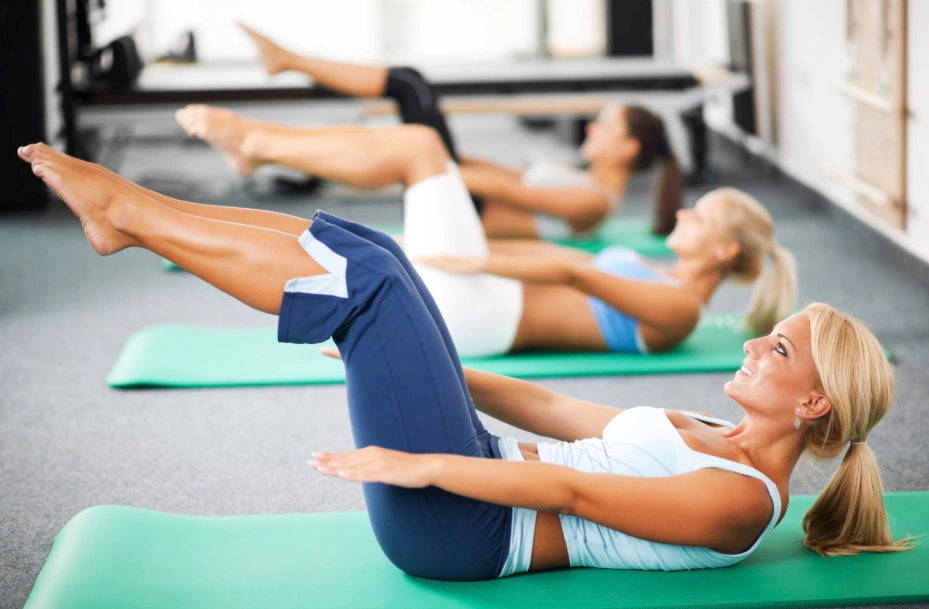
- Class Level: Always start with "Beginner," "Fundamentals," or "Introduction." Avoid "Mixed Level" for now.
- Communication: A good teacher cues sensations ("feel your shoulder blades sliding down your back") not just shapes ("put your arm here").
Your gear doesn't need to be fancy. A thicker mat (at least 1/2 inch) is better for spine support than a thin yoga mat. Wear fitted clothing so the instructor can see your alignment. That's it.
3 Common Pilates Myths That Hold Women Back
Let's clear the air on some persistent misinformation.
Myth 1: "Pilates is just easy stretching for people who don't like real workouts." This one grinds my gears. A properly executed Pilates session on the reformer or even the mat can be incredibly challenging. The resistance is constant and controlled. The focus on precision and stability often makes it harder than just moving weights around. You might not sweat buckets, but your deep muscles will be firing for days.
Myth 2: "You need to be skinny and flexible to start." Absolutely not. Joseph Pilates designed the method for rehabilitation. It scales to any body. Good instructors use props (blocks, bands, magic circles) to modify exercises for limited mobility or to add challenge. Your starting point is irrelevant; consistency is key.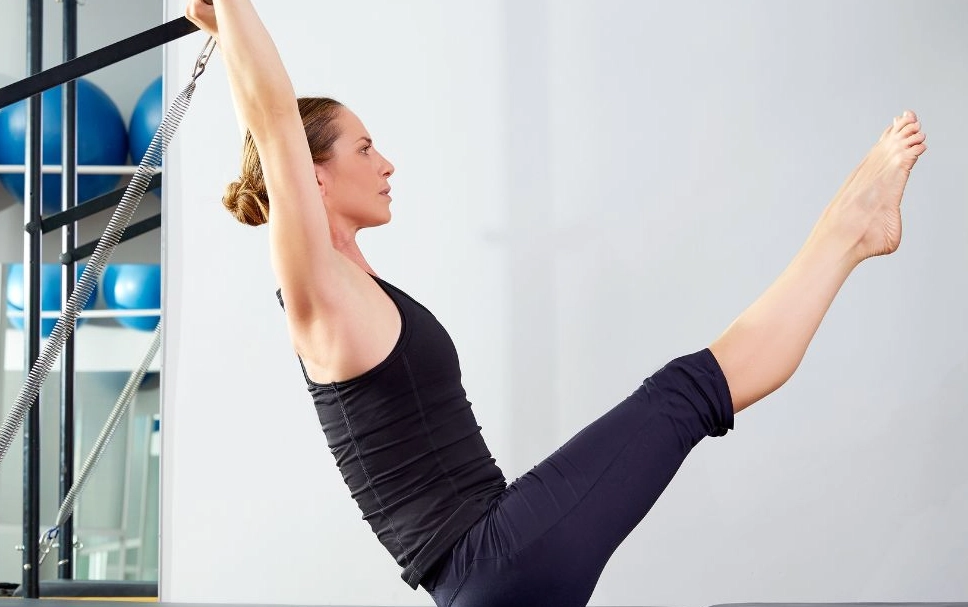
Myth 3: "Pilates alone is enough for weight loss and cardiovascular health." Here's a dose of reality. While Pilates builds metabolically active muscle and improves body composition, significant weight loss requires a calorie deficit, which is best achieved through diet and more calorie-intensive cardio. Think of Pilates as the foundation—it makes your body more efficient, resilient, and capable for all other activities, including your runs, cycles, or HIIT sessions. For heart health, you still need to get your heart rate up regularly.
Pilates Through a Woman's Life Stages
The beauty of Pilates is its adaptability. Here’s how it serves you differently over time.
During Your Menstrual Cycle
Listen to your body. In the luteal phase (before your period), when energy dips and bloating occurs, focus on gentle, restorative flows. Avoid intense core compression. During your period, poses like Child's Pose or Knee Folds can ease cramping by relaxing the pelvic floor. Pilates teaches you this body awareness.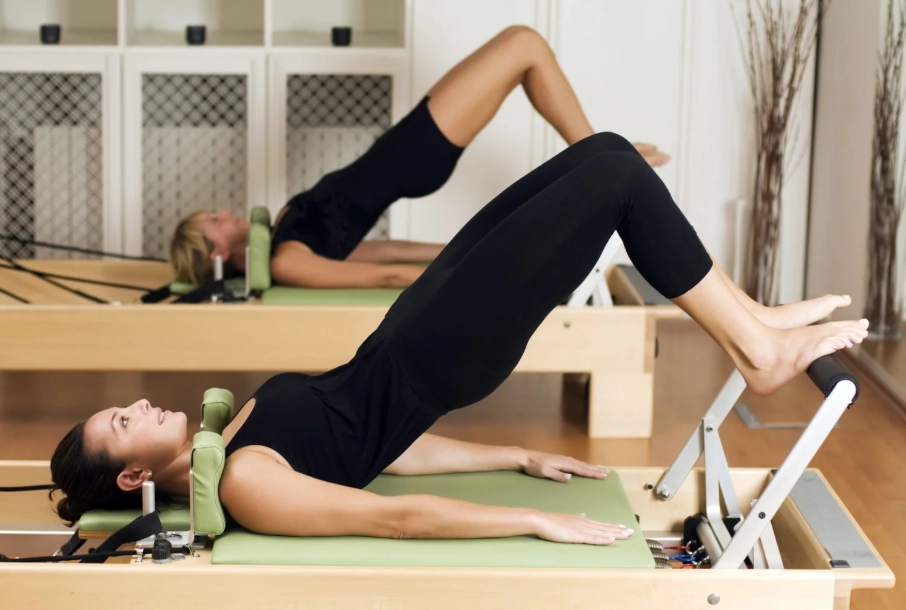
Pregnancy and Postpartum
This is non-negotiable: get clearance from your doctor and find a prenatal-certified instructor. Pilates can be fantastic for maintaining strength and easing pregnancy aches. But after giving birth, the approach changes completely. The initial focus should be on reconnecting with and gently rehabilitating the deep core and pelvic floor, not doing crunches. Starting too aggressively with traditional ab work can worsen diastasis recti. A specialized postpartum Pilates program is worth its weight in gold.
Perimenopause and Beyond
As estrogen declines, muscle mass and bone density can drop, and metabolism slows. The strength and bone-loading benefits of Pilates become crucial here. It also helps manage the postural shifts that can happen and provides a stress-relief outlet for the emotional rollercoaster this phase can be. It's less about getting a "Pilates body" and more about maintaining functional independence—being able to get up off the floor, carry groceries, and play with grandkids without pain.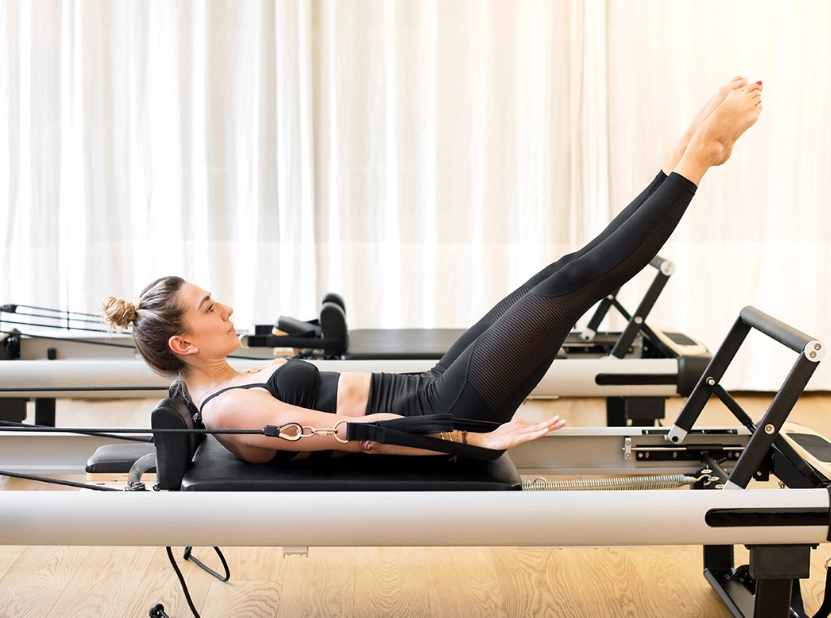


Leave a comment