Let's be honest. If you're a woman reading this, there's a good chance you're tired. Not the "I had a long day" tired, but the deep, bone-aching, can't-think-straight fatigue that becomes your unwanted new normal. You might have even typed "fatigue in women" into search hoping for a simple answer. Spoiler alert: there rarely is just one.
That's the frustrating part, isn't it? You drag yourself through the day, coffee is a lifeline, and by 3 PM you're ready to nap under your desk. You hear "just get more sleep" or "it's stress," but it feels deeper than that. I've been there. For months, my own energy was a ghost of its former self. It wasn't laziness; it was a system-wide protest.
This article isn't about slapping a band-aid on the problem. We're going to dig into the messy, complicated reasons behind fatigue in women. We'll look at the medical, the hormonal, the nutritional, and the plain old lifestyle stuff that piles up. My goal is to give you a map, not just a list of symptoms, so you can have a better conversation with your doctor—or with yourself—about what's really going on.
The Core Issue: Fatigue in women is often dismissed, but it's a legitimate signal from your body that something is out of balance. Pinpointing the "what" is the first step to getting your vitality back.
Quick Guide
Beyond "Just Tired": The Multilayered Causes of Female Fatigue
Think of your energy like a bank account. Fatigue happens when the withdrawals (physical, mental, emotional demands) consistently outpace the deposits (sleep, nutrition, restoration). For women, the withdrawal side of the ledger can get pretty crowded with some unique entries.
The Physical and Hormonal Game-Changers
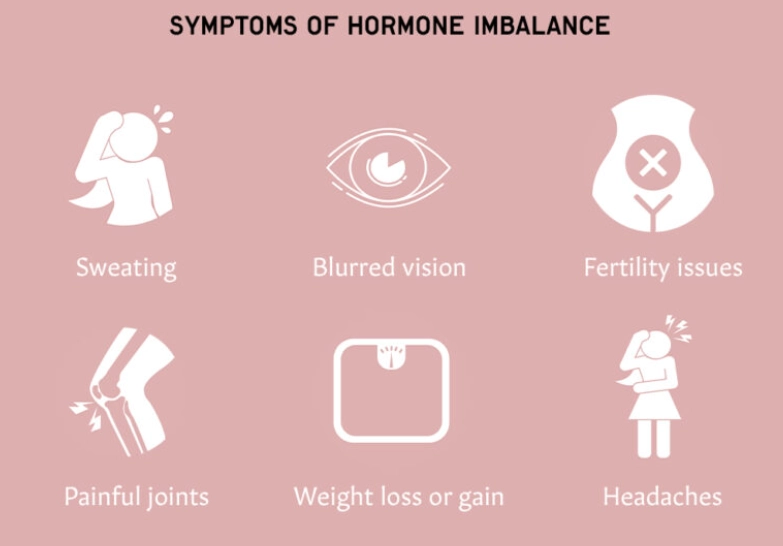
Our bodies run on a complex hormonal symphony that, frankly, can sometimes sound like a middle school band rehearsal. When it's off-key, fatigue is a front-row symptom.
- Thyroid Troubles: This little butterfly-shaped gland in your neck is your metabolic engine. When it's underactive (hypothyroidism), everything slows down. We're talking fatigue, weight gain, feeling cold, and brain fog. It's incredibly common in women. A simple blood test can check your TSH, T3, and T4 levels.
- The Iron Factor (Anemia): This is a huge one, especially for women with heavy periods. If you're low on iron, your blood can't carry enough oxygen to your tissues. The result? You feel like you're running on empty, no matter how long you sleep. Pale skin, brittle nails, and shortness of breath can be clues.
- Hormonal Fluctuations: This isn't just about your period. The rollercoaster of perimenopause and menopause, driven by declining estrogen and progesterone, is infamous for disrupting sleep and sapping energy. But even the monthly cycle can cause premenstrual fatigue for many.
- Blood Sugar Rollercoaster: Skipping meals, then crashing, or eating too many refined carbs sends your blood sugar on a wild ride. The crashes come with intense fatigue, irritability, and cravings—making the problem worse.

Personal note: I got my ferritin (stored iron) checked after years of assuming my tiredness was normal. It was at the very bottom of the "normal" range. My doctor said, "For feeling optimal, many women need it higher." Raising it made a noticeable difference. It's not always a glaring deficiency; sometimes it's just suboptimal.
The Lifestyle and Mental Load Culprits
Sometimes the cause isn't a medical condition, but the sum total of how we live. And let's face it, modern life for women often involves carrying a massive, invisible mental load.
| Potential Cause | How It Drains Energy | A Quick Self-Check |
|---|---|---|
| Poor Sleep Hygiene | Inconsistent sleep, blue light before bed, and a disruptive environment prevent deep, restorative sleep cycles. | Do you wake up feeling unrefreshed, even after 7-8 hours? |
| Chronic Stress & Anxiety | Constant "fight or flight" mode pumps out cortisol, which is exhausting over time. The mental chatter is draining. | Is your mind constantly racing with to-do lists or worries, even at rest? |
| Nutritional Gaps | Deficiencies in B vitamins (especially B12), Vitamin D, and magnesium are directly linked to low energy production. | Is your diet heavy on processed foods and light on colorful plants and protein? |
| Sedentary Lifestyle | Counterintuitively, too little movement leads to deconditioning. Your cardiovascular system becomes less efficient at fueling your body. | Do you often sit for 6+ hours a day without intentional movement? |
| Mental Load & Burnout | The cognitive labor of managing a household, family schedules, and work is relentless and rarely switches off. | Do you feel responsible for remembering and coordinating everything, even when "off duty"? |
See what I mean? It's rarely one thing. It's the combination of a slightly sluggish thyroid, borderline low iron, nights of broken sleep, and the stress of planning the next school project. That's why addressing fatigue in women requires a panoramic view.
When to See a Doctor: Ruling Out the Big Stuff
Okay, so you feel wiped. When is it time to move beyond Google and talk to a professional? If your fatigue is persistent (lasting more than a few weeks), severe, or accompanied by other symptoms, please make an appointment. This isn't about being alarmist; it's about being thorough.
Here are some red flags that warrant a doctor's visit:
- Fatigue so severe it interferes with your daily functioning.
- Unexplained weight loss or gain.
- Persistent fever or night sweats.
- Severe, unshakable mood changes like depression or apathy.
- Noticeable swelling, pain, or shortness of breath.
Your primary care physician will likely start with a comprehensive blood panel. This is your foundational data. Don't just accept "your labs are normal." Ask for the numbers and the ranges. Here’s what that panel might look for:
The Essential Blood Work Checklist:
Complete Blood Count (CBC): Checks for anemia (low red blood cells/hemoglobin).
Thyroid Panel (TSH, Free T4, Free T3): Evaluates thyroid function.
Ferritin & Iron Studies: Measures your iron stores (ferritin is key!).
Vitamin D & B12: Common deficiencies linked to fatigue.
Metabolic Panel: Checks blood sugar, electrolytes, kidney/liver function.
This process helps rule out conditions like autoimmune diseases (e.g., lupus, rheumatoid arthritis), chronic infections, or sleep apnea. The CDC recommends 7+ hours of sleep for adults, but if you're getting that and still exhausted, a sleep study might be necessary to check for apnea, where you stop breathing briefly throughout the night.
Reclaiming Your Energy: A Practical, Multi-Pronged Approach
Let's get tactical. You can't always control the cause immediately, but you can build habits that increase your energy reserves. Think of these as deposits into your energy bank account.
Nutrition: Fueling Your Fire
Forget drastic diets. Think steady, balanced fuel.
- Prioritize Protein & Fiber at Every Meal: This combo stabilizes blood sugar. Think eggs with avocado, chicken with broccoli, lentils with quinoa. It prevents those 3 PM energy crashes.
- Embrace Complex Carbs: Swap white bread and pasta for sweet potatoes, oats, and whole grains. They release energy slowly.
- Stay Hydrated (Really): Dehydration is a direct cause of fatigue. Your blood gets thicker, your heart works harder. Aim for water throughout the day, not just when you're thirsty.
- Limit Energy Vampires: Refined sugar, excessive caffeine (especially after noon), and alcohol might give a short boost but lead to a bigger crash. They also wreck sleep quality.
Movement: The Paradoxical Energy Booster
When you're tired, exercise feels impossible. But even a 10-minute walk can increase circulation and release endorphins. The goal isn't to exhaust yourself further. Gentle, consistent movement like walking, yoga, or swimming can actually reduce feelings of fatigue over time by improving fitness and sleep.
Start stupidly small. Five minutes. The barrier to entry needs to be so low you can't say no.
Sleep & Stress: The Non-Negotiables
This is the bedrock. You can eat perfectly and still be exhausted if you're not sleeping or are chronically stressed.
- Protect Your Sleep Sanctuary: Cool, dark, quiet. No phones in bed. Try to go to bed and wake up at similar times, even on weekends. The National Sleep Foundation has excellent hygiene tips.
- Manage the Mental Load: This is hard. Can you delegate tasks? Use a shared family calendar? Say "no" more often? Even mentally "downloading" your to-dos onto a list before bed can quiet your mind.
- Build in Micro-Rest: Not everything has to be a 30-minute meditation. Try 5 minutes of deep breathing, listening to one song with your eyes closed, or simply staring out the window. These are circuit breakers for your nervous system.
My two cents: I used to think "rest" was lazy. Now I see it as essential maintenance. Ignoring it led to my burnout. Scheduling 20 minutes of doing absolutely nothing was a game-changer. It felt weird at first, but my productivity and mood actually improved.
Common Questions About Fatigue in Women (FAQ)
Is fatigue in women mainly psychological or hormonal?
It's a false dichotomy. Hormonal imbalances (thyroid, reproductive) can directly cause fatigue. But the stress of dealing with chronic fatigue, or underlying anxiety/depression, also creates a physiological burden. They're intertwined. Treating only the "mind" or only the "body" often fails. A holistic view is key.
What's the difference between normal tiredness and chronic fatigue?
Normal tiredness improves with rest. You have a busy week, you sleep in on Saturday, you feel better. Chronic fatigue syndrome (CFS/ME) is a specific, complex disorder characterized by debilitating fatigue that is not improved by rest and is worsened by physical or mental activity (a symptom called post-exertional malaise). It requires a specific diagnosis. Many women experience chronic fatigue (lowercase) without having CFS.

Can perimenopause really cause this much exhaustion?
Absolutely, and it's one of the most under-recognized causes. Fluctuating and declining estrogen can directly disrupt sleep architecture (less deep sleep), cause night sweats that wake you, and affect energy metabolism. It's not "all in your head." It's a central feature for many women navigating this transition.
I've had all the basic tests and they're normal. Now what?
First, get copies of your results. Look at where you fall in the range. Being at the very low end of "normal" for ferritin or vitamin D might not be optimal for you. Second, consider other factors: sleep apnea (often undiagnosed in women), food sensitivities (like non-celiac gluten sensitivity), chronic stress/adrenal dysfunction, or a more subtle hormonal imbalance. A functional medicine doctor or a more investigative endocrinologist might be helpful next steps.
Putting It All Together: Your Personal Energy Audit
Feeling overwhelmed? Don't try to fix everything at once. That's a recipe for more fatigue. Start with an audit.
- Track for a Week: Just observe. Energy levels at different times, sleep quality, food, mood, stress. Patterns will emerge.
- Start with the Foundation: Pick ONE area to improve for 2 weeks. Is it hydration? A consistent bedtime? Adding a protein-rich breakfast?
- Get the Data: If you haven't had basic blood work in a year or two, that's a logical, concrete first step with your doctor.
- Be Patient and Kind: Recovering from chronic fatigue is not linear. Some days will be better than others. Listen to your body. Pushing through is often what got us here.
Understanding the multifaceted nature of fatigue in women is the first step out of it. It's a signal, not a life sentence. By systematically looking at the physical, hormonal, and lifestyle layers, you can start to identify your unique triggers and build a sustainable path back to feeling like yourself again. It takes time and curiosity, but it is possible.




Leave a comment