Let's be honest. The yoga you did in your 20s or 30s might not feel right anymore. Maybe your wrists ache in Downward Dog, or your lower back whispers a warning during a forward fold. That's not a sign you should quit. It's a sign your practice needs to evolve. Yoga for women over 40 isn't about less; it's about more—more awareness, more support, and more targeted benefits for a body and mind navigating perimenopause, shifting hormones, and the natural wisdom that comes with this stage of life. This guide cuts through the generic advice and gives you a practical, sustainable path forward.
What You’ll Find in This Guide
Why Yoga Hits Different After 40
This isn't just about stretching. The right yoga practice becomes a powerful tool for managing the specific changes that often show up in our 40s and beyond. Research from places like Harvard Health Publishing consistently points to yoga's benefits for stress reduction and improving quality of life, which is crucial during hormonal shifts.
Think about what's on your mind: maybe sleep is elusive, joints feel a bit creakier, or stress seems to stick to your ribs. A gentle, mindful yoga practice speaks directly to these issues.
It helps regulate the nervous system, teaching your body to shift out of the constant "fight-or-flight" mode that stress and hormonal fluctuations can trigger. It builds functional strength around joints like knees and hips without high-impact strain. And for bone health—a major concern post-menopause—weight-bearing poses (like certain standing poses done with good alignment) are a quiet, effective form of resistance training.
The mental shift is just as important. This practice becomes less about achieving a picture-perfect pose and more about cultivating a sense of steadiness and ease you can carry off the mat. That's the real goal.
How to Start a Yoga Practice Safely After 40
If you're new or returning after a break, throwing yourself into a fast-paced vinyasa class is a recipe for frustration or injury. The key is to start slow and smart.
The Non-Negotiables: First, get clearance from your doctor if you have any specific health conditions (osteoporosis, high blood pressure, significant joint issues). Then, invest in a few basic props: a sticky mat, two sturdy blocks (foam is fine), a bolster or firm cushion, and a strap or long belt. These aren't crutches; they're your best friends for achieving proper alignment and making poses accessible.
Look for classes labeled Gentle Yoga, Restorative Yoga, Hatha Yoga, Yoga for Beginners, or specifically Yoga for Seniors/Mature Bodies. The instructor's tone and cues matter more than the style name. A good teacher will offer variations and emphasize listening to your body.
I made the mistake early on of pushing through hip pain in Pigeon pose because I thought I "should" be able to do it. It set me back weeks. Now, I tell my students: discomfort from a stretch is one thing; sharp, pinching, or joint pain is your body's red flag. Honor it.
The 5 Foundational Poses for a Sustainable Practice
Forget handstands. These are the workhorse poses that build the core strength, mobility, and calm you need. Master these with good form, and you've built a rock-solid foundation.
| Pose | Key Benefits for 40+ | Essential Modifications |
|---|---|---|
| 1. Mountain Pose (Tadasana) | Improves posture, grounds the nervous system, teaches full-body alignment awareness. | Stand with back against a wall. Place a block between thighs to engage inner legs. |
| 2. Cat-Cow (Marjaryasana-Bitilasana) | Mobilizes the spine, relieves lower back stiffness, encourages mindful breath-movement connection. | Perform on hands and knees, or seated in a chair. Move slowly, focusing on sensation. |
| 3. Supported Bridge Pose | Gently opens the front body, counteracts hunching, calming for the mind. Great for tired legs. | Place a block or bolster under your sacrum (the flat bony part of your low back). Keep knees bent. |
| 4. Legs-Up-the-Wall (Viparita Karani) | Reduces swelling in legs/ankles, deeply restorative, can help lower blood pressure and ease anxiety. | Use a folded blanket under your hips for support. Stay for 5-10 minutes. |
| 5. Seated Twist (Bharadvajasana) | Maintains spinal rotation, aids digestion, releases tension in the mid-back. | Sit on a folded blanket to elevate hips. Use a chair for support. Twist gently, don't force. |
Building Your Routine
Start with just 10-15 minutes a day. A simple sequence could be: 2 minutes of Mountain Pose, 5 rounds of Cat-Cow, Supported Bridge for 1-2 minutes, then finish with Legs-Up-the-Wall for 5 minutes. Consistency with a short, feel-good practice beats a sporadic hour-long struggle.
3 Common Mistakes (And What to Do Instead)
After teaching for a decade, I see the same patterns. Avoiding these will save you pain and make your practice more effective.
Mistake #1: Chasing flexibility over stability. Hyper-mobile joints are more common in women, and they become less stable with age. Locking out your knees or elbows in poses like Triangle or Downward Dog puts stress on the joints. Instead: Keep a "microbend" in your joints—a slight, soft bend that engages the muscles around the joint for protection.
Mistake #2: Holding your breath to get deeper into a stretch. It creates tension and spikes blood pressure. The breath is your guide. Instead: If you can't breathe slowly and deeply in a pose, you've gone too far. Ease back until the breath flows naturally.
Mistake #3: Skipping the warm-up. Cold muscles and connective tissue are more prone to strain. Jumping into deep stretches is asking for trouble. Instead: Spend at least 5 minutes with gentle movements—neck rolls, shoulder circles, cat-cow, easy ankle and wrist circles—to get synovial fluid moving in the joints.
How to Personalize Your Practice for Your Needs
Your yoga should serve your life. Here’s how to tweak it based on what you're experiencing.
If you have low back pain: Focus on core engagement and hip flexor release. Avoid deep forward folds first thing in the morning. Prioritize poses like Cat-Cow, gentle pelvic tilts, and Supine Twist. Strengthen your glutes with modified Bridge poses.
For perimenopause & menopause symptoms (hot flashes, anxiety): Emphasize cooling and calming practices. Restorative poses with supports (Legs-Up-the-Wall, Supported Child's Pose) are fantastic. Focus on longer exhales to activate the parasympathetic nervous system. Avoid overheating in hot rooms.
For osteoporosis or osteopenia risk: This is critical. Avoid deep forward folds and spinal twists that involve rounding. Focus on extension and axial loading. Poses like Warrior II, Modified Triangle (with hand on block or shin, not the floor), and careful backbends like Supported Bridge are better choices. Always consult with a physical therapist or yoga therapist trained in osteoporosis.
A student of mine, Linda, 52, came to me with severe shoulder stiffness from desk work. We focused on chest-opening poses using a strap and wall support. Within a month, her chronic tension headaches reduced significantly. It wasn't about fancy poses; it was about targeting her specific need.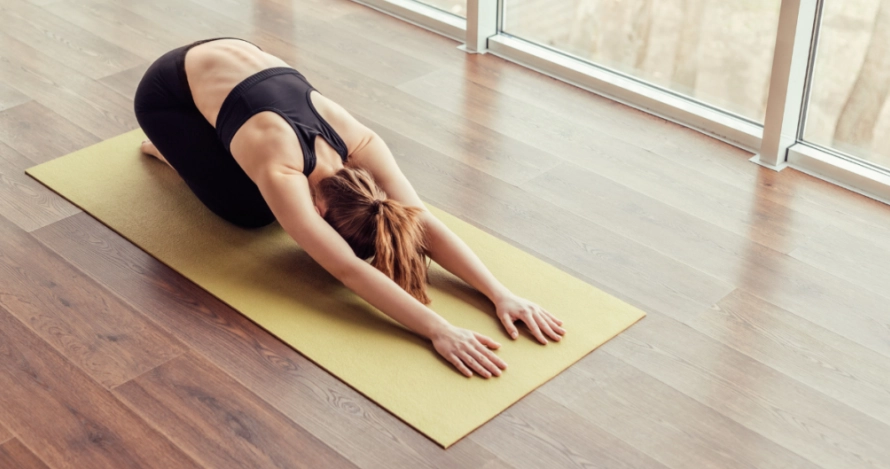
Your Questions, Answered
 Is it normal to feel more stiff the day after yoga when you're just starting out?




Leave a comment