If you're a woman reading this because your back hurts, let's start with this: you're not imagining it, and you're not just "weak." The stats from places like the National Institutes of Health back you up—women report back pain more frequently and often with greater complexity than men. For years, I've worked as a physical therapist, and the standard advice often misses the mark for my female patients. We're not just smaller men; our bodies navigate a different hormonal landscape, bear unique physical loads (hello, pregnancy and breasts), and often juggle societal roles that affect our posture and stress.
This isn't about scaring you. It's about empowering you with the why behind the ache, so you can move beyond generic "lift with your knees" tips. We're going to talk about the silent role of relaxin hormone, why your handbag matters, and how a bad desk chair setup punishes a woman's spine differently.
In This Article
Why Women's Backs Are Different: The Overlooked Factors
Most articles list "poor posture" and "heavy lifting" as causes. True, but superficial. For women, the root causes are often layered.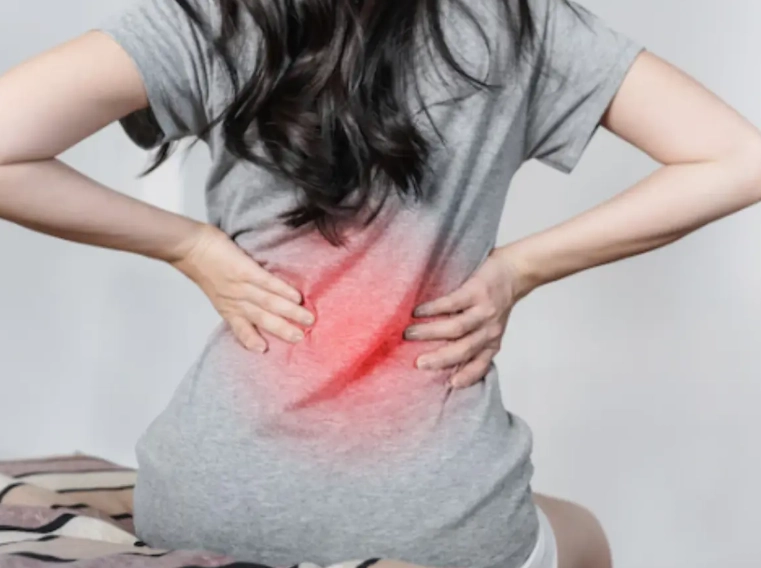
The Hormonal Architect: Relaxin and Stability
This is a big one rarely discussed in detail. The hormone relaxin, which increases during the menstrual cycle and skyrockets in pregnancy, does exactly what it says: it relaxes ligaments. Ligaments are the tough bands that hold your joints, including the vertebrae in your spine and your sacroiliac (SI) joints in the pelvis, together.
Here's the expert insight everyone misses: This increased laxity is not a flaw; it's essential for childbirth. The problem arises when your core and hip muscles aren't strong enough to compensate for this natural loosening. Your body's stability system shifts from passive (ligaments) to active (muscles). If those muscles are asleep from too much sitting, you get micro-instability. That feels like a deep, nagging ache in your lower back or SI joint, often worse around your period. It's not "just cramps"; it's biomechanical.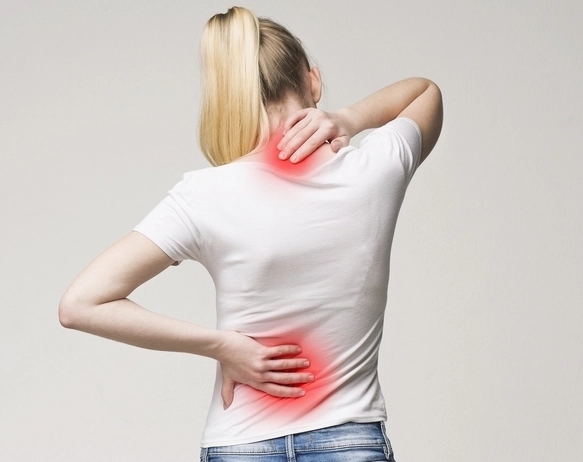
The Front Load: Breast Weight and Postural Strain
Let's talk numbers. The average breast weight per side is between 1-2 lbs, but for larger cup sizes, it can be 5-8 lbs or more per side. That's like carrying a pair of small dumbbells on your chest 24/7. This forward pull creates a constant strain on your upper back (trapezius and rhomboids) and forces your mid-back to over-extend to counterbalance.
The common mistake? Focusing only on stretching the tight upper back. The real fix is two-fold: strengthening the mid-back muscles that pull your shoulders back and improving the support system (a well-fitted, supportive bra is non-negotiable medical equipment, not just lingerie). A flimsy bra for a D+ cup is a direct ticket to chronic upper back and neck pain.
Pregnancy and Postpartum: The Perfect Storm
Pregnancy combines almost every risk factor: relaxin, a shifting center of gravity, abdominal muscle stretching (diastasis recti), and often, less-than-ideal movement patterns to protect the belly. The postpartum period is where many chronic issues set in. The classic error is rushing into aggressive core exercises like crunches, which can worsen diastasis and pelvic floor dysfunction, further destabilizing the spine.
The first step back should be diaphragmatic breathing and gentle pelvic floor engagement, re-establishing the inner core unit before any external load.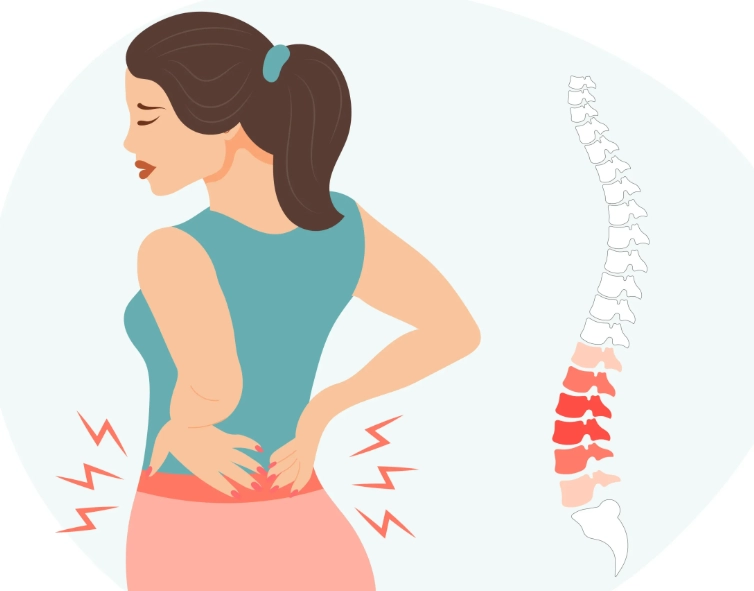
Building a Pain-Resistant Back: Daily Habits That Actually Work
Prevention is about strategy, not just willpower. Integrate these into your day.
Rethink Your Carry: That oversized tote bag or single-strap purse is a posture killer. It creates asymmetrical loading, hiking one shoulder and twisting your spine. Switch to a cross-body bag with a wide strap, or better yet, a backpack with two straps, worn high on your back. Make it a rule: if you don't need it today, it doesn't go in the bag.
Workstation Ergonomics for the Female Frame: Most office chairs are designed for a male anthropometry. If your feet don't flatly reach the floor, use a footrest. This prevents your pelvis from tucking under. Your lumbar support should press into the curve of your lower back, not your mid-back. If you have larger breasts, you may need to sit slightly farther from the desk to avoid hunching, and a keyboard tray can be a game-changer to keep your elbows at 90 degrees.
The Non-Negotiable Movement Snacks: Sitting is the new smoking for your back. Set a timer for every 30 minutes. Stand up, walk to get water, or just do these two moves: 1) Thoracic Rotations: Sit tall, cross arms over chest, gently rotate right and left. 2) Glute Squeezes: Literally, squeeze your buttocks for 5 seconds. It reactivates your biggest pelvic stabilizers.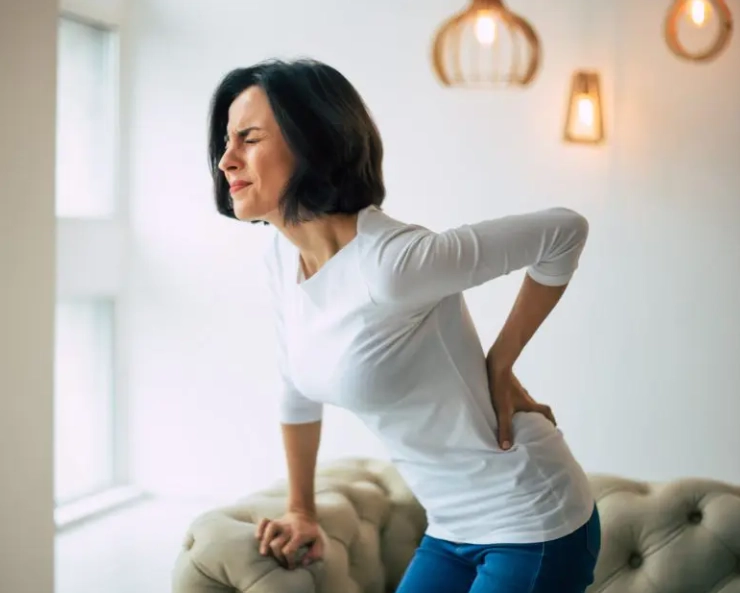
From Sharp Pain to Relief: A Tiered Approach to Treatment
When pain strikes, a systematic approach works best. Think of it as escalating care.
Step 1: Immediate Self-Care (The First 72 Hours)
For acute, sudden pain (like a muscle spasm), the old RICE (Rest, Ice, Compression, Elevation) method isn't quite right for the back. Modern guidelines, like those from the Mayo Clinic, suggest gentle movement over complete rest. Ice the painful area for 15-20 minutes several times a day to reduce inflammation. Avoid positions or movements that cause sharp, shooting pain. Over-the-counter anti-inflammatories can help, but consult a pharmacist if you have other conditions.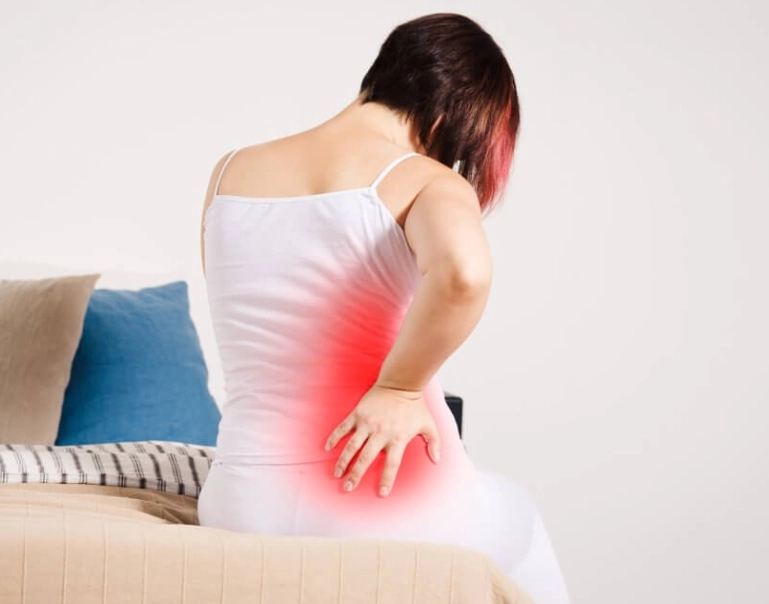
Step 2: Active Rehabilitation and Professional Help
If pain persists beyond a few days, or if it's a recurring issue, it's time for professional input. This is where you target the root cause.
- Physical Therapy: A good PT won't just give you generic stretches. They will assess your specific movement patterns, check for joint instability (common with high relaxin), and design a program to strengthen your deep core, glutes, and back muscles correctly. They can also use manual therapy to improve joint mobility.
- Considerations for Specialists: If pain radiates down your leg with numbness/tingling (sciatica), or is associated with menstrual irregularities or severe pelvic pain, see a doctor. An OB/GYN or a physiatrist can rule out conditions like endometriosis, fibroids, or disc issues.
Step 3: Long-Term Management and Mind-Body Connection
Chronic pain has a neurological component. Stress and anxiety amplify pain signals. Practices like mindfulness, yoga (with a knowledgeable instructor), or Tai Chi are powerful. They train the body in controlled movement and calm the nervous system. The American College of Physicians now strongly recommends non-drug therapies like these as first-line treatment for chronic low back pain.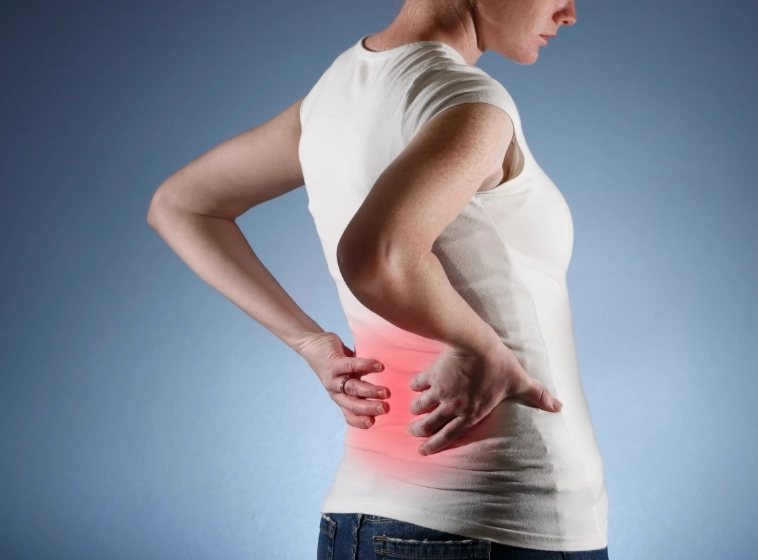
| Treatment Tier | Goal | Examples & Notes |
|---|---|---|
| Immediate Self-Care | Reduce acute pain & inflammation | Ice packs, short-term activity modification, OTC meds (consult doc). |
| Active Rehabilitation | Address root cause, restore function | Physical therapy, targeted strengthening, ergonomic assessment. |
| Mind-Body & Lifestyle | Manage chronic pain, prevent recurrence | Yoga, stress management, regular low-impact cardio (walking, swimming). |
Your Back Pain Questions, Answered Without Fluff
What's the best sleeping position for pregnancy-related back pain?
How can I adjust my office chair if I have large breasts and upper back pain?
Are high heels a direct cause of chronic back pain?
What should I look for in a backpack to avoid worsening my back pain?
The journey to a healthier back isn't about finding one magic stretch. It's about understanding the unique pressures your body faces and building a daily practice of supportive movement, smart ergonomics, and targeted strength. Listen to your pain—it's information, not a life sentence. Start with one change today, maybe just that timer for movement snacks, and build from there.




Leave a comment