So you're around 50, and things feel… off. Maybe you're waking up drenched for no reason, or your patience is thinner than it used to be. You might be wondering, "Is this it? Is this menopause?" If you're searching for "menopause symptoms age 50," you're in the right place. Let's cut through the vague advice and talk specifics.
Turning 50 often coincides with the heart of perimenopause or the early stages of menopause itself (defined as going 12 consecutive months without a period). Your estrogen and progesterone are on a rollercoaster that's slowly coming to a stop. The symptoms aren't just hot flashes—they're a full-body, full-mind system update that nobody gave you a manual for.
I've worked with hundreds of women navigating this transition. The biggest mistake I see? Treating each symptom in isolation. That headache, the sleepless night, the joint ache—they're not separate problems. They're connected signals from a body in hormonal flux. Understanding that connection is the first step to managing it effectively, not just enduring it.
What You'll Find Inside
The 50-Year-Old Symptom Checklist: Beyond Hot Flashes
At 50, symptoms can be a mix. You might still have periods (irregular ones), or they may have just stopped. Here’s a breakdown of what you might be experiencing, ranked by how often women in my practice report them.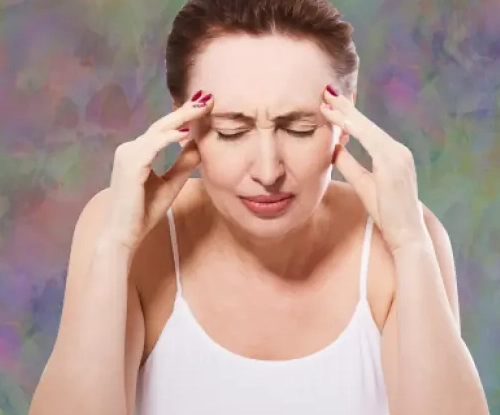
| Symptom | What It Feels Like (The Real Description) | Why It Happens at 50 |
|---|---|---|
| Sleep Disruption | Not just "trouble sleeping." Waking at 3 AM with your mind racing, unable to fall back asleep. Or night sweats that force a full pajama change. | Falling progesterone disrupts sleep architecture. Night sweats are classic vasomotor symptoms. |
| Hot Flashes & Night Sweats | A sudden, intense heat spreading from your chest to your head, lasting 1-5 minutes. Often followed by chills. Can happen 15 times a day or more. | Estrogen fluctuations confuse the brain's thermostat (hypothalamus). |
| Brain Fog & Memory Lags | Walking into a room and forgetting why. Struggling to find a common word. It feels like your brain is buffering. | Estrogen supports neurotransmitter function and brain connectivity. The drop impacts short-term memory and focus. |
| Mood Swings & Irritability | Sudden tears over a minor frustration. Irritability that feels disproportionate. A low-grade anxiety that wasn't there before. | Hormones directly affect serotonin and GABA levels, which regulate mood and anxiety. |
| Vaginal Dryness & Discomfort | Not just a lack of lubrication. Tissues become thinner, less elastic, and more prone to irritation or UTIs. Sex can be painful. | Direct result of declining estrogen, which maintains vaginal tissue health and blood flow. |
| Joint and Muscle Aches | Unexplained stiffness, especially in the morning. Aches in hands, knees, or back that you blame on "getting older." | Estrogen has anti-inflammatory properties. Its decline can unmask or exacerbate joint inflammation. |
| Weight Gain (Midsection) | Fat redistributing to the abdomen, despite no change in diet or exercise. It becomes stubborn to lose. | Metabolism slows, and hormonal shifts promote fat storage around the organs (visceral fat). |
See a few you recognize? You're not imagining things. The subtle ones—like joint aches or brain fog—are often missed as menopause signs, leading women to chase separate solutions. It's all connected.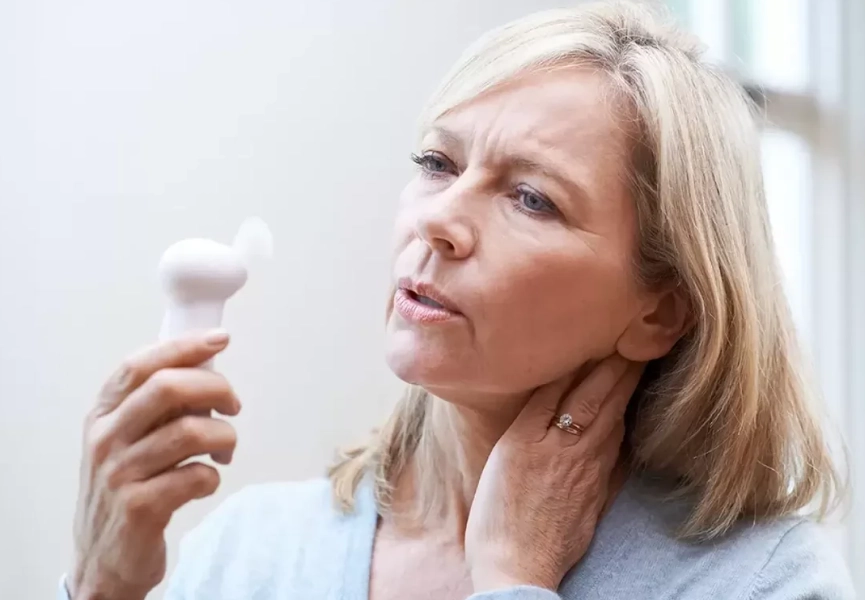
Practical Management: What Actually Works
Let's get tactical. Managing menopause at 50 isn't about one magic pill. It's a layered approach. Start here before you feel overwhelmed.
Layer 1: The Non-Negotiable Lifestyle Tweaks
These are your foundation. Skip them, and anything else you try will be an uphill battle.
- Cooling Strategies for Hot Flashes: Dress in layers you can peel off. Keep a small fan on your desk. Swap out synthetic bedding for cotton or bamboo. I tell clients to freeze a damp washcloth, put it in a ziplock bag, and keep it by the bed for instant relief during night sweats.
- Sleep Protocol: Your bedroom must be cool—aim for 65°F (18°C). No screens 90 minutes before bed. If you wake up, don't look at the clock. Get up, read a boring book in dim light until you feel sleepy again. This breaks the anxiety cycle.
- Diet Shifts: This isn't about drastic weight loss. It's about stability. Eat protein with every meal to balance blood sugar (mood and energy crashes improve). Drastically reduce alcohol and caffeine—they are major flash triggers and sleep destroyers. Increase phytoestrogens from foods like flaxseed, soy (tofu, edamame), and lentils; they have a mild estrogenic effect. The North American Menopause Society notes their potential benefit.
- Movement That Serves You: Stop forcing yourself into workouts you hate. Strength training is non-negotiable for bone density and metabolism. But a 30-minute walk most days does wonders for mood, joints, and sleep. Yoga or tai chi can help with stress and flexibility.
A Note on Stress: At 50, life stress (aging parents, career peaks, kids leaving home) collides with biological stress. High cortisol from chronic stress makes every menopause symptom worse—it worsens hot flashes, sabotages sleep, and promotes belly fat. Ten minutes of daily focused breathing or meditation isn't woo-woo; it's a necessary tool to lower the volume on your nervous system.
Layer 2: Targeted Supplements & Over-the-Counter Aids
These can help fill gaps but aren't cures. Quality matters.
For Sleep & Mild Flashes: Magnesium glycinate before bed helps many relax. A good, clean supplement is key—avoid the cheap oxide form. Some find black cohosh helpful, but studies are mixed. The National Institutes of Health has a fact sheet on its potential and limitations.
For Vaginal Dryness: Don't suffer in silence. Over-the-counter, long-acting vaginal moisturizers (like Replens) used 2-3 times a week make a difference. For sex, a high-quality silicone-based lubricant is essential. These are maintenance, not luxuries.
When to Consider Medical Options
If lifestyle changes aren't cutting it and your quality of life is suffering, talk to a doctor. Don't let anyone minimize your experience.
Hormone Therapy (HT/HRT): This is the most effective treatment for moderate to severe vasomotor and vaginal symptoms. The window of opportunity is key—starting around 50 (within 10 years of menopause) generally has the best benefit-risk profile for healthy women. It's not just about flashes; it protects bone density and can improve sleep and mood. Forms include patches, gels, pills, and vaginal creams/rings. The decision is personal and requires a detailed discussion with a knowledgeable provider about your specific risks (like blood clot history).
Non-Hormonal Prescriptions: If hormones aren't for you, drugs like low-dose paroxetine (Brisdelle) or gabapentin are FDA-approved to treat hot flashes. They can be very effective.
For Vaginal Health: If OTC moisturizers aren't enough, ask about low-dose vaginal estrogen (a cream, tablet, or ring). It acts locally with minimal systemic absorption and is incredibly effective at restoring tissue health and comfort. It's often considered safe for most women, even those who can't use systemic hormones.
Thinking Long-Term: Health After 50
Menopause is a pivot point for long-term health. The drop in estrogen increases risks we need to actively manage.
Heart Health: Estrogen has a protective effect on blood vessels. After menopause, women's risk of heart disease catches up to men's. Get your blood pressure and cholesterol checked. Those walks and strength training are now heart medicine.
Bone Density: Bone loss accelerates rapidly in the first years after menopause. A DEXA scan around 50-55 establishes a baseline. Calcium from food (dairy, leafy greens, fortified foods) and Vitamin D (get your levels checked!) are crucial. Weight-bearing exercise is your best friend here.
Metabolic Health: That shift to belly fat is a signal. It's linked to higher risk of insulin resistance and type 2 diabetes. Monitoring waist circumference and blood sugar becomes more important.
This isn't meant to scare you. It's to empower you. Knowing the landscape means you can navigate it with intention.
Your Top Questions Answered
The journey through menopause at 50 is unique for everyone. It's not a deficiency; it's a transition. The goal isn't to be 35 again. It's to feel like yourself—vibrant, capable, and in control—in this new chapter. Start with one manageable change, track what works for you, and build from there. You've got this.



Leave a comment