Quick Navigation
- Before You Even Look at Treatments: The Diagnosis Phase
- The Main Avenues of Infertility Treatments: From Simple to Complex
- Comparing Your Options: A Side-by-Side Look
- The Two Big Realities: Cost and Success Rates
- The Part No One Talks About Enough: Emotional and Physical Impact
- Answers to Common Questions About Infertility Treatments
- Putting It All Together: Your Action Plan
Let's be honest, starting the journey to look into infertility treatments can feel overwhelming. You're hit with a wall of acronyms—IUI, IVF, ICSI—and a mix of hope, fear, and a million questions. Is IVF the only option? How much does it all really cost? What are my actual chances? I remember talking to friends who've been through this, and the sheer amount of information (and misinformation) out there is staggering.
This guide isn't a dry medical textbook. Think of it as a long chat with someone who's done a ton of research and talked to a lot of people in the same boat. We'll walk through what infertility treatments actually are, break down your options without the jargon, and tackle the practical stuff like money and emotional toll that doctors don't always have time to explain. My aim here is to give you a clear map so you can have more confident conversations with your own doctor.
Before You Even Look at Treatments: The Diagnosis Phase
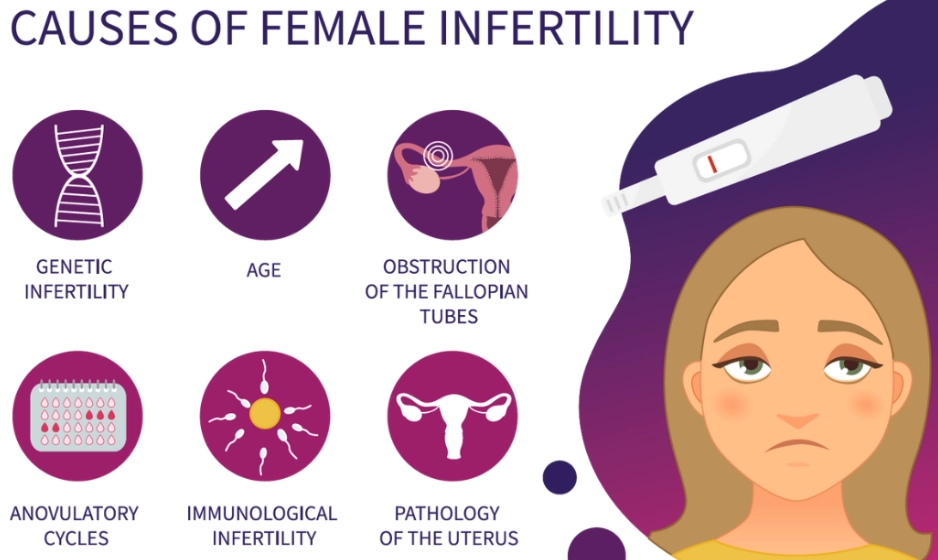
Jumping straight to IVF is like trying to fix a car without knowing what's under the hood. A proper diagnosis is crucial. This phase involves tests for both partners because, contrary to old assumptions, infertility factors are split nearly equally between male, female, and combined or unexplained causes.
What Testing Typically Involves
For women, it often starts with tracking ovulation through blood tests (checking hormone levels like FSH and AMH) and maybe an ultrasound to look at the ovaries and uterus. A test called a hysterosalpingogram (HSG) checks if the fallopian tubes are open. For men, it centers on a semen analysis, which looks at sperm count, shape (morphology), and movement (motility).
This process can be frustratingly slow. You might feel like a pin cushion. But getting this baseline is what points you toward the right infertility treatments from the start, potentially saving you time, money, and heartache on the wrong path.
The Main Avenues of Infertility Treatments: From Simple to Complex
Not all treatments are created equal. They range from lifestyle changes and medication to high-tech lab procedures. The best choice depends entirely on your unique diagnosis—your age, the cause of infertility, and how long you've been trying.
Lifestyle & Medication (Often the First Step)
Sometimes, the initial approach isn't a procedure but a tweak. This can include losing or gaining weight, quitting smoking, or managing stress. For ovulation issues, oral medications like Clomid or Letrozole are frequently prescribed to stimulate the ovaries to release eggs. It's relatively low-cost and non-invasive, but it requires careful monitoring to avoid releasing too many eggs.
I've heard mixed reviews about these drugs. Some women have no side effects, others report mood swings and hot flashes that are no joke. It's important to go in with your eyes open.
Intrauterine Insemination (IUI)
Often called "the turkey baster method" (a crude but memorable description), IUI is a step up. It involves washing and concentrating sperm and then placing it directly into the uterus around the time of ovulation. This bypasses the cervix and gives sperm a head start.
It's commonly used for mild male factor infertility, cervical issues, or unexplained infertility. It's less expensive and less invasive than IVF, but the success rates per cycle are lower. You're basically giving nature a very targeted nudge.
In Vitro Fertilization (IVF): The Heavy Hitter
When people say "fertility treatment," they're usually thinking of IVF. It's the most effective and most involved of the major infertility treatments. The process has several key steps:
- Ovarian Stimulation: You inject hormones for about 8-14 days to stimulate your ovaries to produce multiple eggs, not just the usual one.
- Egg Retrieval: A minor surgical procedure where a doctor uses an ultrasound-guided needle to collect the eggs from your ovaries. You're under sedation, so you don't feel it.
- Fertilization: In the lab, the eggs are mixed with sperm (standard IVF) or a single sperm is injected directly into an egg (ICSI, which we'll talk about next).
- Embryo Culture: The fertilized eggs (now embryos) are grown in an incubator for 3-7 days.
- Embryo Transfer: One or more embryos are selected and placed into your uterus using a thin catheter. This is a quick, non-surgical procedure.
Any extra embryos can be frozen (cryopreserved) for future use. The physical side of IVF is manageable for most, but the emotional rollercoaster—the waiting, the hope, the fear of results—is the real challenge. It asks a lot of you.
Specialized IVF Techniques: ICSI, PGT, and More
IVF isn't one-size-fits-all. There are add-ons for specific problems:
- ICSI (Intracytoplasmic Sperm Injection): This is a game-changer for severe male infertility. A single sperm is selected and injected directly into an egg. It's used in the majority of IVF cycles now, even without severe male factor, which is a topic of some debate in the field.
- PGT (Preimplantation Genetic Testing): This involves taking a tiny biopsy from an embryo to test for chromosomal abnormalities (PGT-A) or specific genetic diseases (PGT-M). The goal is to select the embryo most likely to implant and lead to a healthy baby. It's recommended for recurrent miscarriage, older mothers, or known genetic carriers. It adds significant cost and isn't for everyone.
- Fertility Preservation: Egg or embryo freezing before cancer treatment or for social reasons ("elective" egg freezing) uses the initial steps of IVF.
The American Society for Reproductive Medicine (ASRM), a leading authority, provides detailed patient resources on these infertility treatments to help you understand their appropriate use. You can find their guides on reproductivefacts.org.
Comparing Your Options: A Side-by-Side Look
It helps to see these main infertility treatments laid out. Remember, these are general guidelines. Your clinic's specific protocols and your personal diagnosis will determine the exact path.
| Treatment | Best For | Basic Process | Avg. Success Rate per Cycle* | Relative Cost |
|---|---|---|---|---|
| Medication (Ovarian Stimulation) | Ovulation disorders (like PCOS) | Oral or injectable drugs to trigger egg release | ~10-20% | $ |
| Intrauterine Insemination (IUI) | Mild male factor, cervical issues, unexplained infertility | Washed sperm placed directly in uterus | ~10-20% | $$ |
| In Vitro Fertilization (IVF) | Blocked tubes, severe male factor, endometriosis, age-related decline, failed IUI | Egg retrieval, lab fertilization, embryo transfer | ~40-50% (for women under 35) | $$$$ |
| IVF with ICSI | Severe male infertility (low count/poor motility), previous IVF fertilization failure | IVF with direct sperm injection into egg | Similar to standard IVF | $$$$+ |
*Success rates are typically reported as live birth rates per cycle start for women in a specific age group. This is the most important stat to ask about. Data from the CDC's National ART Surveillance System is the gold standard for U.S. clinic comparisons.
The Two Big Realities: Cost and Success Rates
Let's talk about the elephants in the room. These two factors are intertwined in every decision about infertility treatments.
Breaking Down the Cost of Fertility Treatments
This is where a lot of the stress comes from. The financial burden is real and often shocking.
- IUI: Can range from $500 to $4,000 per cycle, depending on whether medications are needed and what monitoring involves.
- IVF: A single fresh IVF cycle in the U.S. averages $12,000 to $15,000 for the procedure itself. But that's just the start. Medications add another $3,000 to $6,000. Add-ons like ICSI ($1,000-$2,500), PGT ($3,000-$7,000), and embryo freezing/storage (annual fees) push it higher. One "cycle" can easily hit $20,000-$25,000.
Other options include clinic shared-risk programs (pay a large lump sum for multiple cycles with a refund if you don't succeed), fertility grants, and medical loans. It's exhausting to navigate, but necessary.
Understanding Success Rates: It's Not Just One Number
When a clinic says "70% success rate," your first question should be: "Success at what, and for whom?"
Clinics in the U.S. are required to report their data to the CDC. You should look up your clinic's CDC report. Focus on the live birth rate per cycle for patients in your age group. A clinic with a high success rate might be selective about the patients they accept, which skews their numbers.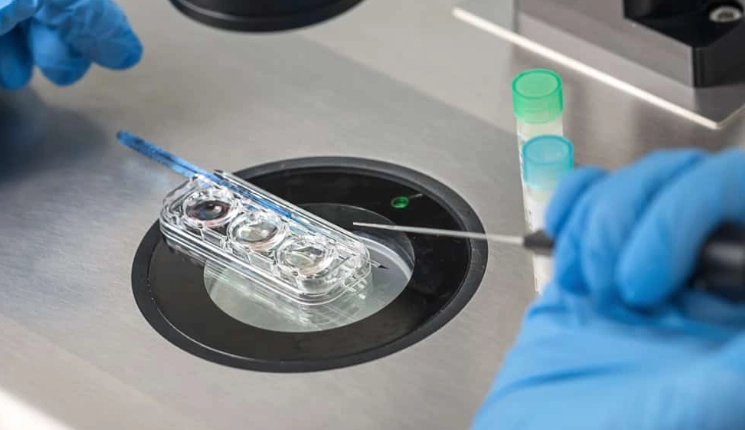
Key factors affecting infertility treatments success:
- Female Age: This is the single biggest factor. Egg quality declines with age. Success rates for IVF drop significantly after 35 and even more after 40.
- Cause of Infertility: Some diagnoses have better prognoses than others.
- Embryo Quality: In IVF, this is paramount. Having a chromosomally normal (euploid) embryo is the best predictor of success.
- Clinic Expertise & Lab Quality: The skill of the embryology lab is critical. A great lab can make a real difference.
The Society for Assisted Reproductive Technology (SART) provides a clinic predictor tool that can give you personalized estimates based on national data, which is incredibly useful.
The Part No One Talks About Enough: Emotional and Physical Impact
Brochures show happy couples holding babies. They don't show the anxiety of waiting for a call with your hormone results, the strain of daily injections, the grief of a negative pregnancy test after all that effort, or the toll on a relationship.
These infertility treatments can feel all-consuming. Your schedule revolves around appointments. Your body doesn't feel like your own. It's okay to not be okay sometimes. Seeking support is a sign of strength, not weakness. This can mean:
- A therapist specializing in infertility: They get it in a way even well-meaning friends might not.
- Support groups: Connecting with others on the same path reduces isolation. RESOLVE: The National Infertility Association (resolve.org) is a fantastic starting point.
- Open communication with your partner: You may cope differently. Check in with each other.
Answers to Common Questions About Infertility Treatments
Here are some of the specific questions I've heard people ask time and again.
Putting It All Together: Your Action Plan
So where do you start with all this information? Here's a practical list:
- Get a Formal Diagnosis: See a reproductive endocrinologist (REI), not just your OB/GYN, for a full workup.
- Get Financial Clarity: Decode your insurance and get detailed price quotes from clinics.
- Research Clinics: Use CDC/SART data and schedule consultations.
- Ask the Hard Questions: In consultations, ask about their live birth rate for someone like you, their approach to embryo transfer (single vs. multiple), and their communication style.
- Build Your Support System: Line up emotional support—partner, friends, therapist, support group—before you start.
- Give Yourself Grace: This is hard. Celebrate small steps, allow yourself to feel all the feelings, and know that being informed is your greatest asset.
The landscape of infertility treatments is always evolving, with research into areas like mitochondrial donation and improved freezing techniques. Staying informed through trusted sources like the ASRM or your clinic is key.
Ultimately, navigating infertility treatments is about gathering knowledge to reclaim a sense of control in a situation that often feels out of your hands. You are not just a patient; you are the CEO of your care team. Ask questions, advocate for yourself, and remember that this journey, however it unfolds, is about building your family in the way that is right for you.



Leave a comment