What’s Inside?
- Why a Breast Self-Exam Matters More Than You Think
- The Step-by-Step: How to Perform a Breast Self-Exam Correctly
- What Exactly Are You Feeling For? (The "Look-For" List)
- Common Mistakes People Make (And How to Avoid Them)
- How a Breast Self-Exam Fits Into the Bigger Picture
- Your Questions, Answered (The FAQ Section)
- Building Your Personal Breast Health Plan
Let's talk about something that's simple, free, and takes just a few minutes each month, but so many of us either forget to do, put off, or just don't know how to do properly. I'm talking about the breast self-exam. It’s one of those things your doctor probably mentions, a pamphlet might be floating around somewhere, but the actual how and why can feel a bit fuzzy. Is it still recommended? What exactly are you feeling for? And what happens if you do find something?
I remember a friend of mine, Sarah, who found a lump during a casual shower check. She told me she almost dismissed it because it didn't hurt. Thankfully, she didn't. That experience, and the avalanche of questions she had afterward, is a big part of why I wanted to lay all of this out clearly. This isn't about fear. It's about knowledge and empowerment. Knowing your own normal is the most powerful first step in monitoring your breast health.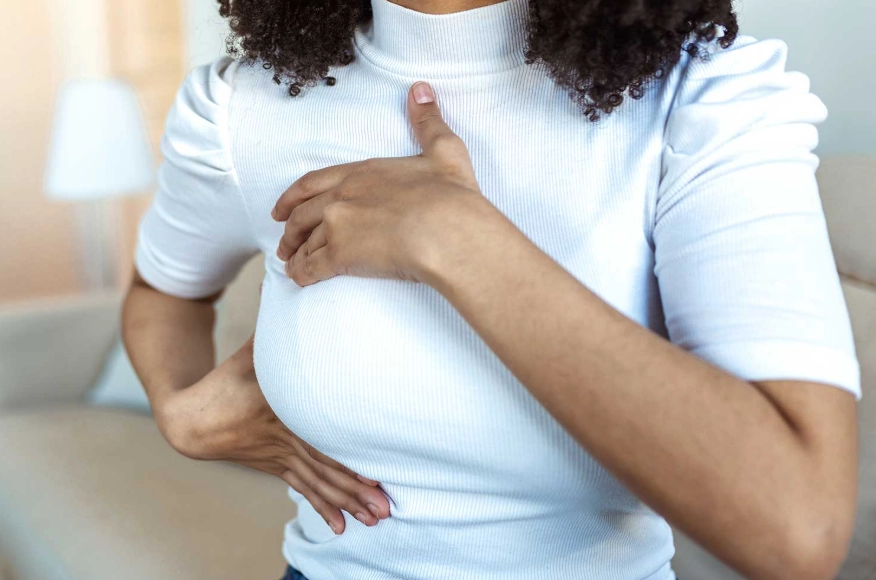
Quick Take: A breast self-examination (BSE) is a method where you check your own breasts for any changes or abnormalities, like lumps, thickening, or changes in skin texture. It’s not a substitute for clinical exams or mammograms, but it's a crucial part of being proactive about your health.
Why a Breast Self-Exam Matters More Than You Think
You might have heard some debate about breast self-exams. Some older guidelines downplayed their role, but the consensus among many leading health organizations has clarified things. The core idea isn't that they're useless—it's that they should be part of a broader awareness strategy.
Think of it this way. Who knows the landscape of your breasts better than you? A doctor sees you for maybe 15 minutes a year. You have the home-field advantage. The goal of a monthly breast self-check isn't to diagnose yourself. It’s to establish a baseline. It's so you can walk into your doctor's office and say, "This feels new," or "This area has changed since last month." That's invaluable information.
Most breast changes are not cancer. In fact, most lumps are benign (like cysts or fibroadenomas). But finding any change early is the key to everything. Early detection, regardless of the cause, leads to more options and simpler solutions. It shifts you from a passive patient to an active participant in your healthcare.
- You Become the Expert on Your Body: No one else can feel the subtle, month-to-month variations in your breast tissue like you can with consistent practice.
- It Catches What Scans Might Miss: Mammograms are fantastic, but they're not perfect, especially in denser breast tissue. Your hands can feel changes a machine might not yet see.
- It’s Free and Accessible: No appointment, no cost, no equipment needed. It’s the most democratic tool in preventive health.
- It Builds a Habit of Awareness: Doing it regularly removes the fear and mystery. It becomes a normal, quick part of your self-care routine, like brushing your teeth.
So, let's get past the "should I or shouldn't I?" The answer is yes, you should. Now, how do you do it right?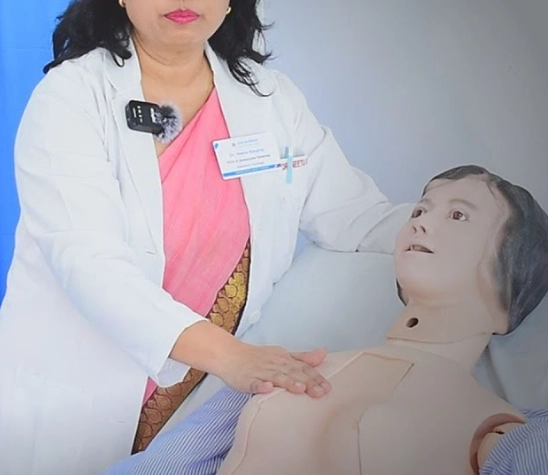
The Step-by-Step: How to Perform a Breast Self-Exam Correctly
There's a method to this. A haphazard poke around isn't as effective as a systematic search. The American Cancer Society (ACS) recommends a combination of visual inspection and manual examination. You can find their detailed resources on breast awareness here. I’ll break down their advice along with some practical tips.
Part 1: The Visual Check (In Front of a Mirror)
Do this with your arms at your sides, then with your hands on your hips (which flexes chest muscles), and finally with your arms raised overhead.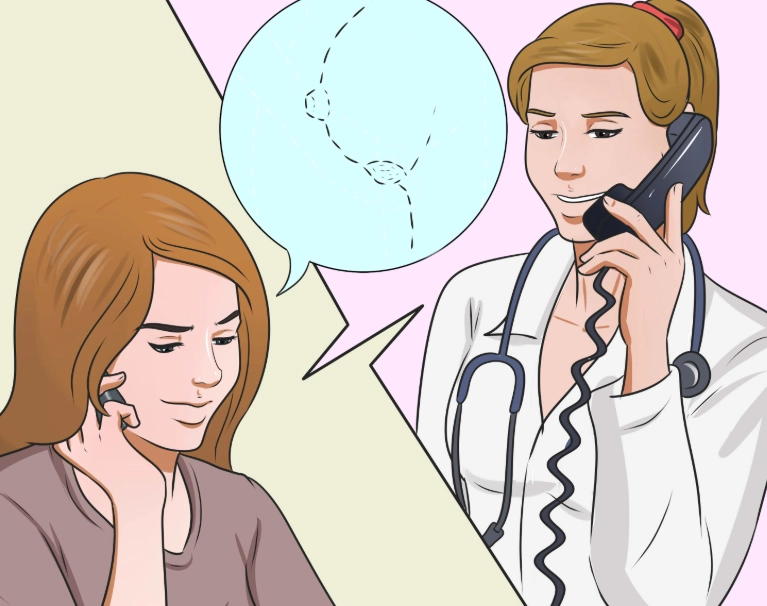
Look for:
- Changes in the usual size, shape, or contour of each breast.
- Dimpling, puckering, or bulging of the skin (it can look like the skin of an orange).
- Any change in the nipple—like it turning inward (inversion) or pointing differently.
- Redness, soreness, rash, or swelling.
- Any fluid coming from the nipple(s) that isn't milk (could be clear, yellow, or bloody).
Part 2: The Manual Check (Lying Down)
This is the core of the physical breast self-exam. Breast tissue spreads evenly over your chest wall when you lie down, making it easier to feel thoroughly.
- Get Positioned: Lie on your back. Place a pillow or folded towel under your right shoulder and put your right arm behind your head. This flattens the breast.
- Use the Right Touch: Use the pads of your three middle fingers (index, middle, and ring) on your left hand. Keep your fingers flat and together.
- Follow a Pattern: Choose a pattern to cover the entire breast and armpit area. The vertical strip pattern is often recommended by experts. Imagine your breast divided into vertical strips. Start at your armpit, moving your fingers in small, dime-sized circles with light, medium, and firm pressure at each spot. Move down to the bottom of your breast, then shift over slightly and move back up. Repeat until you've covered the whole area, including the armpit (where there is also breast tissue—don't skip this!).
- Switch Sides: Repeat the process on your left breast, using your right hand and moving the pillow under your left shoulder.
Part 3: The Manual Check (Standing or Sitting Up)
Many women find it easier to check the upper, outer parts of their breasts and the armpit area while upright, especially if their breasts are larger. You can do this in the shower—wet, soapy skin can make it easier for your fingers to glide.
Use the same hand technique and pattern as when lying down. Cover all the same areas.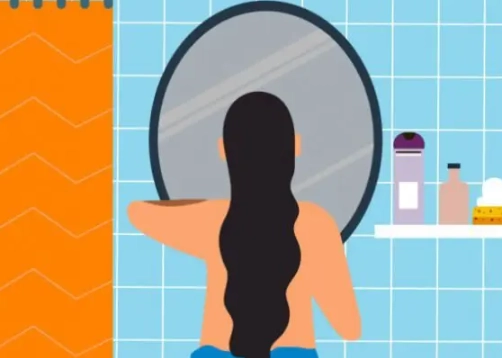
Timing is Key: The best time to do your breast self-exam is about 3 to 5 days after your period ends. Your breasts are least likely to be tender or lumpy from normal hormonal changes then. If you no longer have periods, just pick the same day each month—like the first of the month—so you don't forget.
What Exactly Are You Feeling For? (The "Look-For" List)
Okay, you're doing the exam. But what constitutes a "change"? It's not just a lump. Your breasts naturally have lumpy, bumpy areas—this is often called fibrocystic tissue and is completely normal for many women. You're learning what that normal, lumpy background feels like for you so you can spot a new, different lump.
| What to Look/Feel For | Description & Notes |
|---|---|
| A New Lump or Hard Knot | This is the classic sign. It may feel distinct from the rest of the breast tissue, like a pea or a marble. It can be anywhere—in the breast, near the armpit, or around the nipple. |
| Thickening or Swelling | Not necessarily a defined lump, but a general area that feels fuller, denser, or different in texture compared to the same area on the other breast. |
| Skin Changes | Dimpling (like a tiny orange peel), puckering, redness, scaliness, or warmth. Any new rash or sore that doesn't heal. |
| Nipple Changes | Inversion (pulling inward), retraction, pain, or a change in direction. Any spontaneous discharge (not milk) that is clear, yellow, or bloody. |
| Change in Size or Shape | One breast suddenly looks larger, lower, or has a different contour than before. |
| Persistent Pain | While most breast cancers don't cause pain, a new, localized pain that doesn't go away with your menstrual cycle is worth mentioning. |
See? It's more than just lumps. It's about any change from your personal normal.
Common Mistakes People Make (And How to Avoid Them)
Let's be honest, we all cut corners sometimes. But with a breast self-exam, a few common mistakes can make it less effective. I've probably made most of these myself at some point.
- Using Only Fingertips or a Pinching Motion: This is a big one. You're not trying to pinch a lump from the surface. You need the flat pads of your fingers to press the tissue against your chest wall. Pinching normal breast tissue between your fingers will always feel like a lump—that's a surefire way to panic yourself unnecessarily.
- Skipping the Armpit: Breast tissue extends into the armpit area (the "axillary tail"). Many lymph nodes are there too. This is a crucial zone to check.
- Not Using Enough Pressure: You need to use light, medium, and firm pressure to feel tissue at different depths. Light pressure feels tissue close to the skin; firm pressure reaches tissue near the ribs.
- Doing It Inconsistently: Doing it once in a blue moon means you won't have a reliable baseline. You won't know if something is truly new or has always been there.
- Panicking at Every Little Bump: Remember, most breasts are naturally lumpy, especially before your period. The goal is to learn your unique landscape. If you're new to this, it might take a few months to feel comfortable and know what's normal for you.

Important: A breast self-exam is a screening tool, not a diagnostic tool. Finding a change does not mean you have cancer. It means you've found something that needs a professional evaluation. Don't let fear of finding something stop you from checking. The power is in knowing and acting.
How a Breast Self-Exam Fits Into the Bigger Picture
This is where a lot of confusion lies. A self breast exam is one piece of a three-part strategy. It doesn't replace the other pieces; it works with them.
- Breast Self-Awareness (& Monthly Self-Exam): That's you, at home, knowing your normal and checking monthly. This is your first line of defense.
- Clinical Breast Exam (CBE): This is when your doctor or nurse practitioner physically examines your breasts during your annual check-up. They are trained to feel for subtleties you might miss. The National Cancer Institute (NCI) discusses the role of clinical exams as part of screening here.
- Mammogram: This is an X-ray of the breast. It can find cancers too small to feel and detect microcalcifications (tiny calcium deposits) that can be an early sign. Screening guidelines vary by age and risk, so you need to discuss a schedule with your doctor.
The monthly breast self-exam is what bridges the gap between your annual doctor's visit and your mammogram schedule. It's the constant, vigilant partner in your health team.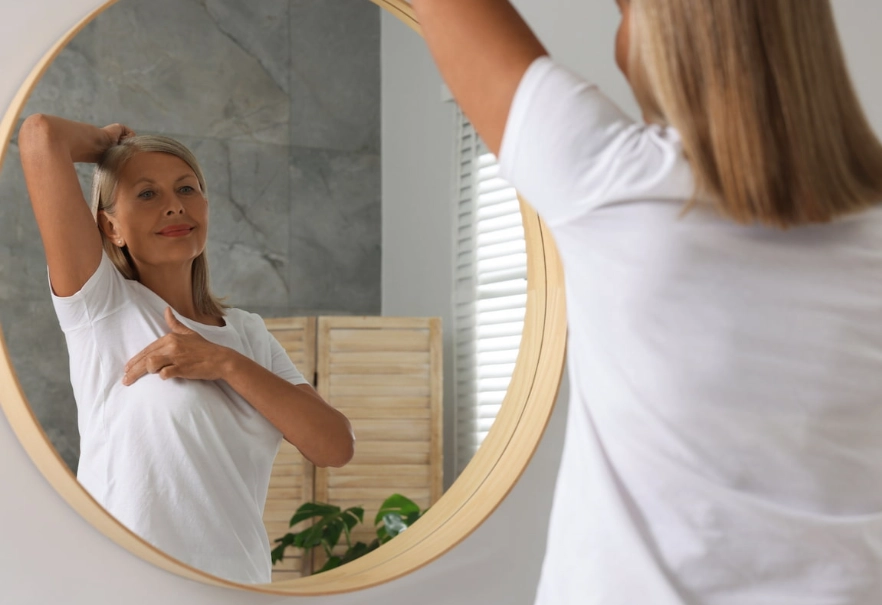
Your Questions, Answered (The FAQ Section)
I've gathered the most common questions I get—and the ones my friend Sarah asked her doctor.
What if my breasts are always lumpy? How will I know?
This is super common. The key is consistency. Do your exam at the same time in your cycle each month. You'll start to recognize your own pattern of lumpiness. You're looking for a new lump that feels different from the rest of the background texture, or one area that becomes more prominent or harder.
I found a lump. What do I do now?
First, don't panic. Take a deep breath. Most lumps are not cancerous. The next step is to call your doctor or gynecologist. Describe what you found and how it feels. They will likely schedule a clinical exam. They might feel it and say it's a normal cyst or fibrous tissue, or they might order an ultrasound or diagnostic mammogram to get a closer look. The important thing is to get it checked.
Are breast self-exams still recommended? I heard they weren't.
This confusion comes from some older studies that questioned whether BSEs alone reduced breast cancer death rates. The current understanding, championed by organizations like the ACS, is that breast awareness—which includes being familiar with how your breasts normally look and feel and reporting any changes promptly—is vital. The formal, monthly self-exam for breasts is a structured way to practice that awareness. So yes, they are a recommended part of a comprehensive approach.
What about for men? Can they get breast cancer?
Yes, men can get breast cancer, though it's much rarer. Men have a small amount of breast tissue. They should also be aware of changes like a painless lump or thickening, nipple changes (inversion, redness, scaling), or discharge. The same principle of knowing what's normal applies.
I have breast implants. Can I still do a self-exam?
Absolutely. It's just as important. You will feel the implant itself, which will be smooth and firm. You need to learn to feel the natural breast tissue that lies in front of and around the implant. Ask your surgeon to show you the edges of your implants so you know what you're feeling. The same examination steps apply—check all areas, including the armpits.
Building Your Personal Breast Health Plan
Knowledge is only power if you use it. Let's turn this into action.
Step 1: Schedule Your First Exam. Mark it on your calendar for 3-5 days after your next period ends, or pick a date if you're post-menopausal.
Step 2: Do It Without Judgment. The first time is just exploration. Don't worry about finding anything. Just get to know the territory.
Step 3: Make it a Ritual. Pair it with another monthly task (like paying a bill or changing your air filter) so it becomes a habit.
Step 4: Talk About It. Mention it to your friends, your sister, your mom. Normalize the conversation. You might remind someone else to do theirs.
Step 5: See Your Doctor. Ensure you're up to date on clinical exams and discuss when you should start mammograms based on your personal and family history.
Look, our bodies are always talking to us. A monthly breast self-exam is just taking a few quiet minutes to listen. It's not complicated, it's not scary once you know how, and it might just be one of the most important habits you ever build. You've got this.


Leave a comment