Let's be honest, when you hear "vitamin D for women," you probably think of strong bones and maybe some milk. But what if I told you it's way more than that? It's like the behind-the-scenes manager for a ton of processes in your body, and for women specifically, it plays some starring roles that often get overlooked.
I remember chatting with a friend last year. She was feeling constantly run down, a bit blue for no clear reason, and just not herself. Her doctor ran some tests, and guess what? Her vitamin D levels were in the basement. She was shocked – she ate pretty well! But she worked an office job, lathered on sunscreen (as we're told to), and lived in a northern city. Her story is so common.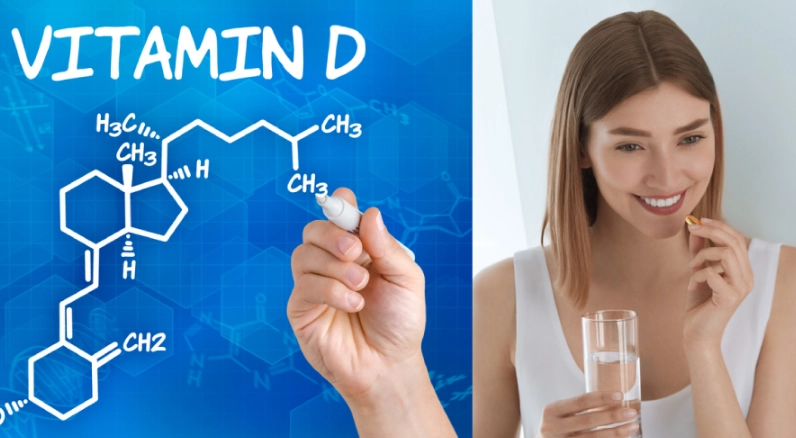
That's why I wanted to dig into this. Not with a bunch of scientific jargon that puts you to sleep, but with clear, practical info you can actually use. Whether you're in your 20s and thinking about long-term health, navigating the changes of perimenopause, or looking to support your wellbeing later in life, understanding vitamin D is a game-changer.
Quick Guide
- Why Vitamin D is a Non-Negotiable for Women's Health
- Why Are Women So Prone to Vitamin D Deficiency?
- The Ultimate Practical Guide: Getting Enough Vitamin D
- Special Considerations: Vitamin D Through a Woman's Life Stages
- Common Questions Women Have About Vitamin D
- Putting It All Together: Your Action Plan
Why Vitamin D is a Non-Negotiable for Women's Health
Okay, let's get into the nitty-gritty. Why should women, in particular, pay close attention to their vitamin D status? The reasons are pretty compelling, and some might surprise you.
Bone Health Beyond Calcium
We all know calcium is key for bones. But here's the secret: without enough vitamin D, your body struggles to absorb that calcium from your food. It's like having a locked door and vitamin D is the key. The National Institutes of Health (NIH) Office of Dietary Supplements spells this out clearly, stating vitamin D's primary role is promoting calcium absorption in the gut.
For women, this is critical because we're at a higher risk for osteoporosis later in life. Building strong bone density when you're younger is an investment, and vitamin D is a major part of that portfolio. It's not just about drinking milk; it's about making sure your body can actually use it.
Your Immune System's Best Friend
This one has gotten more attention lately. Vitamin D helps regulate your immune system. It can help it fight off invaders but also calm it down if it's overreacting (which is what happens in some autoimmune conditions).
And autoimmune diseases? They disproportionately affect women. While research is ongoing and I'm not saying it's a cure, maintaining adequate vitamin D levels is considered a supportive part of overall immune health. The Endocrine Society has detailed resources on vitamin D's role in immune function, which is worth a look if you want to go deeper.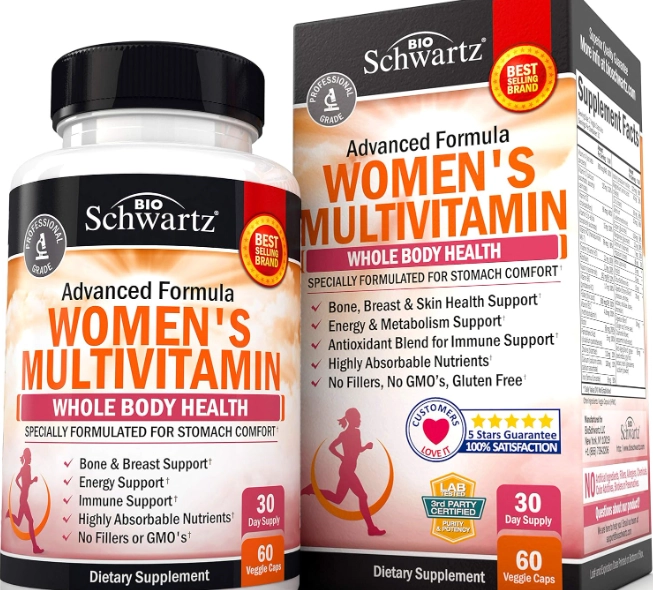
Mood and Mental Wellbeing
Ever feel a bit down during long, dark winters? There might be a link. Vitamin D receptors are found in areas of the brain involved in mood regulation. Some studies suggest a connection between low vitamin D and feelings of low mood, though it's complex and not fully understood.
For women managing stress, hormonal fluctuations, or the demands of daily life, ensuring you're not deficient is just one simple, foundational thing you can check off the list for mental wellness. It's not a magic happiness pill, but a deficiency certainly doesn't help.
Hormonal Harmony and Reproductive Health
This is a huge area where the conversation around vitamin D for women gets interesting. Research has explored links between vitamin D status and conditions like PCOS (Polycystic Ovary Syndrome) and fertility. It seems to play a role in insulin sensitivity and inflammation, both of which are factors in PCOS.
Furthermore, during pregnancy, vitamin D is vital for both the mother's health and the developing baby's bone growth. Many prenatal vitamins contain it for this reason. It's a key player from reproductive years straight through menopause.
Why Are Women So Prone to Vitamin D Deficiency?
It feels almost unfair, right? But several factors stack the odds against us. Knowing them is the first step to tackling them.
- Sun Protection (A Double-Edged Sword): We're rightly told to protect our skin from sun damage and aging. Sunscreen, hats, long sleeves – they all block the UVB rays needed to synthesize vitamin D in our skin. It's a classic catch-22.
- Skin Tone: Melanin, the pigment that gives skin its color, naturally protects against UV damage but also slows vitamin D production. Women with darker skin tones may need more sun exposure (or dietary/supplemental sources) to make the same amount of vitamin D.
- Where You Live: If you live north of the 37th parallel (roughly a line from San Francisco to Richmond, Virginia), the sun's rays are too weak to trigger vitamin D production for about half the year. That's a huge chunk of the population!
- Indoor Lifestyles: Office jobs, indoor workouts, and general modern life mean less time outdoors during peak sun hours (10 am to 3 pm).
- Age: As we get older, our skin becomes less efficient at making vitamin D from sunlight. A 70-year-old makes about 25% of what a 20-year-old makes under the same conditions.
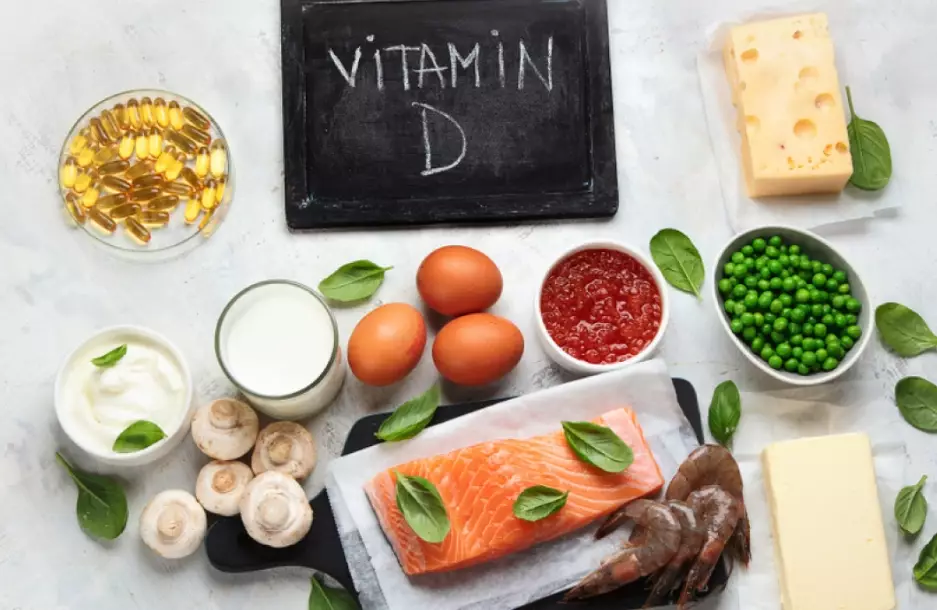
- Dietary Sources Are Limited: Very few foods naturally contain significant amounts. Fatty fish (like salmon, mackerel) and egg yolks are some of the only good natural sources. While some foods are fortified (milk, orange juice, cereals), it's often not enough to meet daily needs alone.
The Ultimate Practical Guide: Getting Enough Vitamin D
Enough with the problems, let's talk solutions. How do you actually make sure you're getting what you need? It's a three-pronged approach: sun, food, and supplements.
First, Know Your Number: The Power of Testing
Before you start throwing back supplements, the smartest move is to ask your doctor for a 25-hydroxy vitamin D blood test. This tells you your baseline. The measurement is in ng/mL (or nmol/L in some countries).
There's some debate on optimal levels, but general guidelines often look like this:
- Deficient: Below 20 ng/mL
- Insufficient: 21-29 ng/mL
- Sufficient: 30-50 ng/mL (Many functional medicine practitioners argue for the higher end of this range, around 40-50 ng/mL, for optimal health.)

Getting tested takes the guesswork out. You can't manage what you don't measure.
Sunlight: The Natural (But Tricky) Source
Yes, your body can make it. The rule of thumb is about 10-30 minutes of midday sun exposure on your arms, legs, or back without sunscreen, several times a week. This varies massively based on the factors we just discussed (skin tone, location, time of year).
Personally, I find this method unreliable for consistent, year-round adequacy. It's great in the summer if you can do it safely, but it's not a solid plan for, say, a Chicago winter. And you must always balance it with skin cancer risk. Never get to the point of burning.
Food Sources: What's Actually on the Menu?
Don't rely on food alone to hit your targets, but these can contribute. Here's a quick look at some of the top contenders:
| Food Source | Approximate Vitamin D (IU) | Notes |
|---|---|---|
| Wild-caught Salmon (3.5 oz) | 600-1000 IU | One of the best natural sources. Farmed has less. |
| Mackerel (3.5 oz) | 300-400 IU | Another great fatty fish option. |
| Fortified Milk (1 cup) | ~120 IU | Check the label, as fortification varies. |
| Fortified Orange Juice (1 cup) | ~100 IU | A good option if you don't do dairy. |
| Egg Yolk (1 large) | ~40 IU | It's all in the yolk. Pasture-raised may have more. |
| UV-Exposed Mushrooms (1/2 cup) | ~200-400 IU | A rare plant source, but only if treated with UV light. |
See the challenge? To get even 2000 IU from food, you'd need to eat a lot of salmon daily. For most women, food is a helpful ally, not the main army.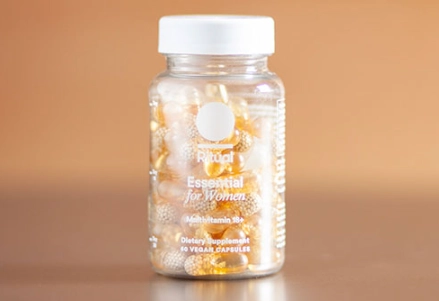
Supplements: Filling the Gap
This is where most of us land, and that's perfectly okay. Supplements are a reliable, controlled way to ensure you get enough vitamin D for women's health needs. But the supplement aisle is overwhelming. Let's break it down.
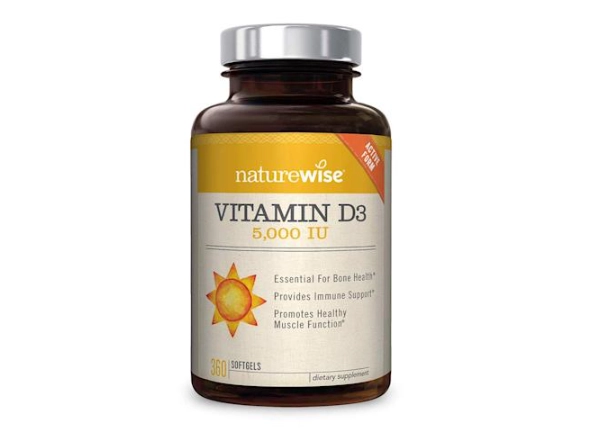
Vitamin D2 vs. D3: Go for D3 (cholecalciferol). It's the same form your skin makes and is generally considered more effective at raising and maintaining blood levels than D2 (ergocalciferol). Most quality supplements are D3 now.
Dosage: The Big Question
This depends entirely on your current level, age, and health goals. The official Recommended Dietary Allowance (RDA) from the NIH is 600 IU for women up to age 70 and 800 IU for those over 71. However, many experts believe these are the bare minimums to prevent deficiency diseases like rickets, not the amounts for optimal health.
For maintenance, many health practitioners recommend 1000-2000 IU daily for generally healthy women. If you're deficient, your doctor might prescribe a short-term, high-dose regimen (like 50,000 IU once a week for 8 weeks) to fill up your tank, then switch to a maintenance dose.
What about pairing it with other nutrients? Vitamin D doesn't work alone. It's famous for its partnership with calcium, but it also works closely with magnesium (needed to activate vitamin D) and vitamin K2 (which helps direct calcium to bones and away from arteries). Some supplements now combine D3 with K2, which is a smart formulation in my opinion.
Special Considerations: Vitamin D Through a Woman's Life Stages
Our needs aren't static. They shift and change, just like we do.
- Pregnancy & Breastfeeding: Critical time. Supports fetal skeletal development and the mother's health. Prenatal vitamins contain D, but some women may need extra. Always under a doctor's guidance.
- Perimenopause & Menopause: As estrogen declines, bone loss accelerates. Prioritizing vitamin D (along with calcium, weight-bearing exercise) is a cornerstone of protecting bone density during this transition. The National Osteoporosis Foundation is a fantastic resource for bone-health strategies during these years.
- For Women Over 60: Skin production is less efficient, time outdoors may decrease, and the risk for deficiency and its consequences (like falls and fractures) goes up. The 800 IU RDA is a minimum; many need more via supplements.
Common Questions Women Have About Vitamin D
Putting It All Together: Your Action Plan
Alright, let's wrap this up with a simple, no-stress plan you can start with.
- Consider Getting Tested. Next time you have a physical, ask for a 25-hydroxy vitamin D test. It's the best starting point.
- Evaluate Your Sources. Be realistic. Do you get regular, safe midday sun? Do you eat fatty fish multiple times a week? If the answer is no (like it is for most), a supplement is likely needed.
- Choose a Quality D3 Supplement. Look for a reputable brand that uses D3. A dose of 1000-2000 IU is a safe starting point for many. One with added K2 is a bonus.
- Take It Consistently. With a meal containing fat.
- Re-test in 3-4 Months. If you started supplementing based on a low test, re-checking lets you know if your dose is correct. Aim for that 30-50 ng/mL sweet spot.
- Support It Holistically. Don't forget weight-bearing exercise for bones, a balanced diet with magnesium-rich foods (leafy greens, nuts, seeds), and overall healthy habits.
The conversation about vitamin D for women is evolving from just "bone health" to "whole-body foundation." It's one of the simplest, most impactful things you can pay attention to for your long-term vitality. You don't need to obsess over it, but giving it a bit of focused attention can pay off for decades to come.
Start with one step. Maybe that's just talking to your doctor at your next appointment. Or ordering a simple supplement. Small steps lead to big changes in how you feel, from your energy to your resilience. And that's something worth investing in.



Leave a comment