Quick Navigation
- The Foundation: It's More Than Just Leaving Things Out
- The Nutrient Deep Dive: Beyond the Protein Obsession
- Building Your Plate: A Practical Framework
- Protein Sources: A Ranked List Based on Utility
- Level-Up Habits: Beyond the Basics
- Common Pitfalls & How to Avoid Them
- Answering Your Questions (The Real Ones)
- Putting It All Together: A Sample Day
So you're thinking about going vegan, or maybe you already are and just feel... off. You're not alone. I've been there – scrolling through picture-perfect smoothie bowls online, then staring into my own fridge wondering if hummus and celery counts as a balanced dinner. The internet is full of noise about plant-based living, but finding practical, no-nonsense vegan health tips that actually work? That's tougher.
Let's cut through the hype. Thriving on a vegan diet isn't about magic superfoods or expensive supplements. It's about understanding a few core principles and applying them consistently. This isn't a lecture; it's the chat I wish I'd had when I started. We'll cover everything from the nutrients everyone frets about (hello, protein and B12) to the simple daily habits that make the biggest difference.
The Foundation: It's More Than Just Leaving Things Out
A lot of people approach veganism as a subtraction problem: minus meat, minus dairy, minus eggs. That's a surefire path to feeling tired and run down. The most crucial of all vegan health tips is to flip that mindset. Think addition. Your plate should be a positive collection of plants, not an absence of animal products.
What does that look like in practice?
Think in food groups, not restrictions: Every meal is a chance to include whole grains, legumes, veggies, fruits, nuts, and seeds. The color and variety aren't just for Instagram – they're direct signals of a diverse nutrient intake.
I remember my first few months. I was so proud of being vegan, but I was basically living on pasta with tomato sauce and peanut butter toast. I felt sluggish. My skin was dull. It wasn't the vegan diet failing me; it was my lack of understanding. Once I started consciously adding a can of lentils to my pasta sauce and throwing spinach into everything, the game changed.
The Nutrient Deep Dive: Beyond the Protein Obsession
Let's address the elephant in the room. Yes, protein is important. But focusing solely on it means you'll miss the other critical pieces. Here’s a straightforward breakdown of the nutrients that deserve your attention, with clear vegan health tips for each.
Vitamin B12: The Non-Negotiable
This is the one supplement every vegan needs to take, full stop. B12 is made by bacteria and isn't reliably found in plant foods. Deficiency can creep up slowly and cause serious nerve and blood issues. Don't gamble with this.
My advice? Get a reliable supplement. Either a daily dose (around 25-100 mcg) or a high-dose weekly one (2000 mcg). Many fortified plant milks and nutritional yeasts have it, but using them as your sole source is risky. The British Nutrition Foundation is clear on this – supplementation is the only guaranteed way.
Iron: Plant Power vs. Heme Iron
Plant-based (non-heme) iron is absorbed differently than the iron in meat. The key vegan health tip here isn't just to eat iron-rich foods, but to eat them smartly.
Top plant iron sources: lentils, chickpeas, tofu, tempeh, spinach, Swiss chard, pumpkin seeds, and fortified cereals.
Now, the hack: pair these with a source of vitamin C. Vitamin C can boost non-heme iron absorption by up to six times. It's the simplest trick in the book.
- Instead of just a lentil salad, squeeze lemon juice over it.
- Instead of just oatmeal with pumpkin seeds, add strawberries.
- Instead of just a tofu stir-fry, add bell peppers or broccoli.
Conversely, try to avoid drinking coffee or strong tea right with your iron-rich meals, as the tannins can hinder absorption. Have your coffee an hour before or after.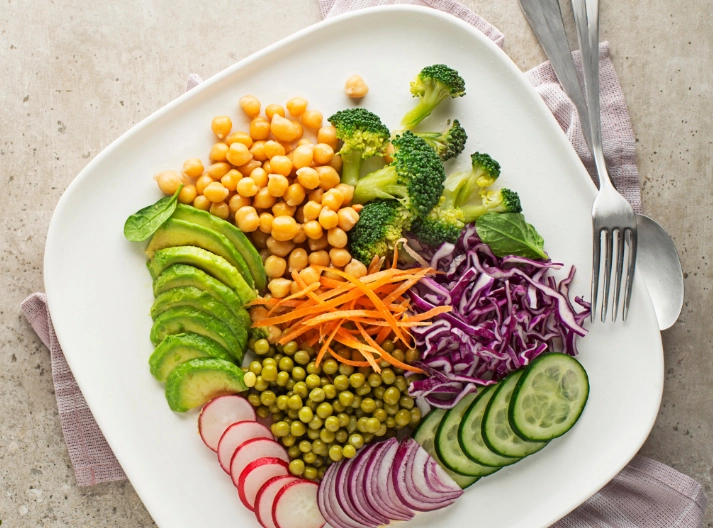
Omega-3s: Not Just Fish Oil
Your body needs EPA and DHA, the long-chain omega-3s crucial for brain and heart health. While ALA (found in flax, chia, and walnuts) can convert to EPA and DHA, the conversion rate in humans is pretty inefficient.
This is a gap many plant-based eaters miss.
A practical vegan health tip is to consider an algae-based omega-3 supplement. It's the same source fish get their omega-3s from, just cut out the middle-fish. Brands like Ovega-3 or Deva are widely available. If you'd rather not supplement, be religious about your ground flaxseed or chia seeds (a tablespoon daily), but know the conversion might not cover all your needs.
Calcium & Vitamin D: The Bone Support Team
Dairy isn't the only calcium game in town. Fortified plant milks and yogurts are excellent, consistent sources. Check the label – aim for ones that match the calcium content of cow's milk (around 300mg per cup).
Other great plant sources: calcium-set tofu (check if calcium sulfate is in the ingredients), tempeh, bok choy, kale, broccoli, and tahini. It's about frequency. Adding tahini to your dressings or having steamed greens a few times a week adds up.
Vitamin D is the helper that allows calcium absorption. Many people are deficient, vegan or not. Get sunlight when you can, and consider a supplement, especially in winter. Many vegan D3 supplements (derived from lichen) are now available.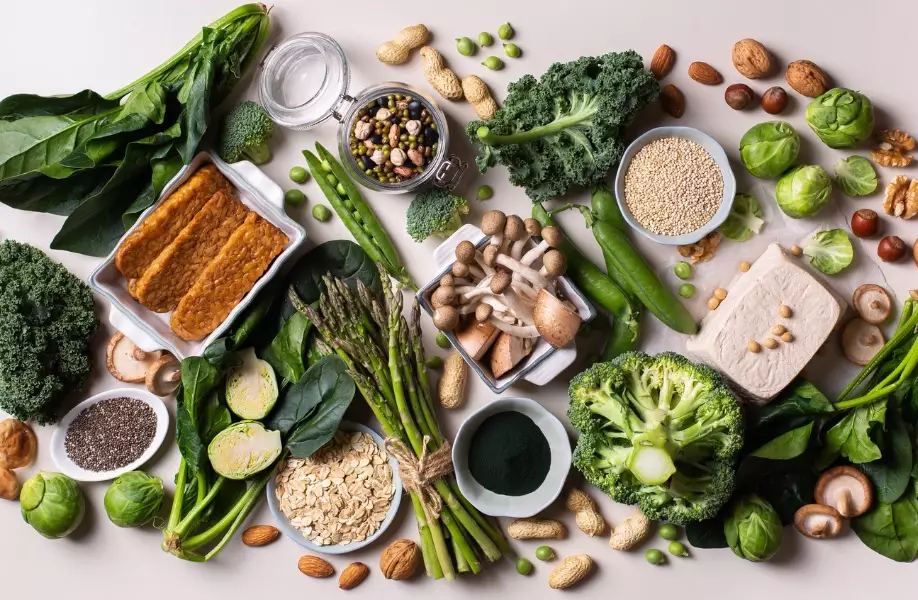
Building Your Plate: A Practical Framework
Forget complicated rules. Use this simple visual guide for most of your meals. It demystifies what a balanced vegan plate looks like and is one of the most useful vegan health tips you can internalize.
The Balanced Plate Model:
• ½ Plate Colorful Vegetables & Fruits: The more colors, the better. This provides vitamins, minerals, fiber, and antioxidants.
• ¼ Plate Plant Protein: Lentils, beans, chickpeas, tofu, tempeh, edamame, or seitan.
• ¼ Plate Whole Grains or Starchy Veggies: Brown rice, quinoa, oats, whole-wheat pasta, sweet potato, or squash.
• Add a small serving of healthy fats: A sprinkle of nuts/seeds, a drizzle of olive oil, or ¼ avocado.
See? Not so scary. This framework ensures you're getting a mix of macros and micros without needing a nutrition degree.
Protein Sources: A Ranked List Based on Utility
Let's talk protein without the cult-like fervor. You need it for muscle repair, immune function, and feeling full. Here’s my personal, slightly opinionated ranking of vegan protein sources based on versatility, nutrient density, and how often I actually use them.
| Rank | Protein Source | Protein (approx. per serving) | Why It's Great | My Go-To Use |
|---|---|---|---|---|
| 1 | Tempeh | 20g per 100g | Fermented, so easier to digest. Whole food with fiber. Holds marinades beautifully. | Chopped into cubes, marinated in soy sauce/maple syrup/garlic, and baked until crispy. Toss in bowls. |
| 2 | Lentils (green/brown) | 18g per cup (cooked) | Dirt cheap, cook fast, no soaking needed. Packed with iron and fiber. | "Taco meat" (cooked with taco seasoning), in soups, or as a base for veggie burgers. |
| 3 | Extra-Firm Tofu | 10-15g per ½ cup | A blank canvas. Can be scrambled, baked, fried, blended. | Pressed, torn into chunks, tossed in cornstarch and spices, air-fried or baked for "nuggets." |
| 4 | Chickpeas | 15g per cup (cooked) | Incredibly versatile for both savory and (aquafaba) sweet dishes. | Roasted with spices for a snack, blended into hummus, or in curries. |
| 5 | Black Beans | 15g per cup (cooked) | Heartier flavor, great in Latin American dishes. High in antioxidants. | Burritos, blended into black bean burgers, or added to chili. |
| 6 | Edamame | 17g per cup | Quickest protein fix. Just steam or boil from frozen. Complete protein. | Thrown straight from the freezer into noodle dishes or salads for instant protein boost. |
| 7 | Seitan | 25g+ per 100g | Very high in protein, meaty texture. Note: Contains gluten. | Sliced thin for "chicken" sandwiches or stir-fries. Best bought pre-made unless you like cooking with vital wheat gluten. |
| 8 | Pea Protein Powder | 20-25g per scoop | Convenient for post-workout or busy mornings. Blends well. | Mixed into oatmeal, blended into a smoothie with banana and spinach. |
You don't need to eat all of these. Find three or four you like and rotate them. That's a core vegan health tip for sustainability.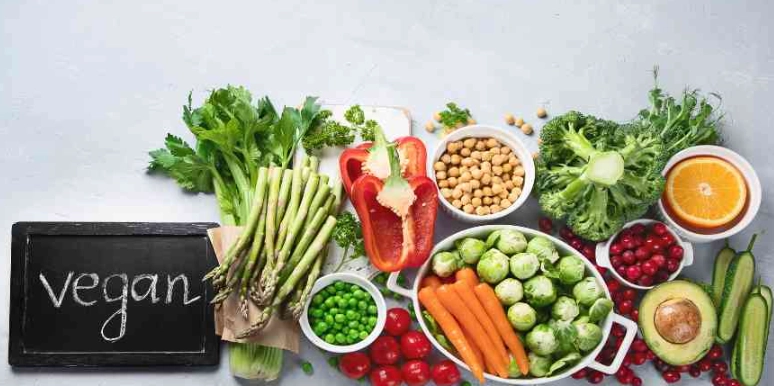
Level-Up Habits: Beyond the Basics
Once you've got the plate down, these next-level vegan health tips can really optimize how you feel.
Fermented Foods Are Your Friend
Gut health is huge. A diverse gut microbiome is linked to better digestion, immunity, and even mood. Vegan diets are great for fiber (which feeds good bacteria), but adding probiotics helps too.
Incorporate: Unsweetened plant-based yogurt with live cultures, sauerkraut, kimchi (check for fish sauce), miso paste, and kombucha. A spoonful of sauerkraut on your bowl might sound weird, but your gut will thank you.
Plan, But Don't Overcomplicate
You don't need a 50-ingredient recipe. Batch cooking staples saves the day. Every Sunday, I cook a big pot of quinoa or brown rice, a batch of lentils or beans, and roast two sheet pans of different veggies (like broccoli and sweet potato). With those in the fridge, a healthy meal is 5 minutes away. Just mix and match with a sauce.
Read Labels, Not Just Marketing
"Vegan" doesn't automatically mean "healthy." There are vegan cookies, chips, and mock meats loaded with salt, saturated fat (from coconut oil), and weird additives. Enjoy them sometimes, but don't let them be your staples.
When buying mock meats, compare sodium levels. Some are salt bombs. The Harvard T.H. Chan School of Public Health Nutrition Source emphasizes focusing on whole and minimally processed foods as the cornerstone of any healthy diet, plant-based or not.
Common Pitfalls & How to Avoid Them
Let's be honest about where people stumble. These vegan health tips are about prevention.
- Pitfall: Relying on too many processed carbs. Solution: Use the plate model. Always ask, "Where's my protein and veg on this plate?" before you dig into that pasta.
- Pitfall: Not eating enough calories. Plant foods are less calorie-dense. If you're active and feeling hungry all the time, you probably need to eat larger volumes or include more calorie-rich foods like nuts, seeds, avocados, and whole grains.
- Pitfall: Drinking your calories (and nutrients). Smoothies are great, but chewing your food stimulates digestion and satiety signals. Don't replace all solid meals with liquids.
- Pitfall: Ignoring iodine. Iodine is crucial for thyroid function. Use iodized salt in moderation, or include seaweed (like nori sheets) occasionally. It's a small but important detail.
Answering Your Questions (The Real Ones)
"I'm always bloated on a vegan diet. What am I doing wrong?"
This is super common, especially at the start. Your gut bacteria are adjusting to the higher fiber intake. Increase fiber gradually. Soak beans before cooking (and discard the soaking water). Chew thoroughly. Cook your veggies well initially instead of eating them all raw. Consider adding those fermented foods we talked about to support your microbiome. If it persists, it might be worth exploring FODMAPs with a dietitian.
"Are vegan diets safe for kids/pregnancy?"
They can be, but they require very careful planning. The Academy of Nutrition and Dietetics states that well-planned vegan diets are appropriate for all life stages, including pregnancy and childhood. However, the key phrase is "well-planned." For these groups, consulting a registered dietitian who specializes in plant-based nutrition is non-negotiable. Nutrients like B12, iron, DHA, calcium, and protein are even more critical during these times.
"I work out a lot. Can I build muscle as a vegan?"
Absolutely. It comes down to total calories and sufficient protein intake, especially around workouts. Focus on protein-rich meals and snacks. A post-workout smoothie with pea protein powder, soy milk, and a banana is perfect. Many elite athletes are now vegan. The trick is to be consistent and maybe eat a bit more than you think you need to support recovery.
"What's the one supplement you would never skip?"
Vitamin B12. No debate. It's cheap, easy, and prevents irreversible damage. Everything else (like D, omega-3, maybe a general vegan multivitamin) depends on your diet and lifestyle, but B12 is mandatory.
Putting It All Together: A Sample Day
Let's make this concrete. Here’s what a day of applying these vegan health tips might look like, without any fancy ingredients.
Breakfast: Overnight oats made with rolled oats, fortified soy milk, a tablespoon of chia seeds, and a handful of frozen berries. (Prep the night before).
Lunch: A big bowl with: leftover quinoa, a handful of canned chickpeas (rinsed), roasted broccoli, cherry tomatoes, cucumber, and a tahini-lemon dressing. (Uses batch-cooked ingredients).
Snack: An apple with a small handful of almonds.
Dinner: A simple stir-fry: cubed extra-firm tofu sautéed with bell peppers, snap peas, and a store-bought stir-fry sauce, served over brown rice. (The vitamin C in the peppers helps absorb iron from the tofu).
Simple, balanced, and doable.
The goal isn't perfection. It's progress. Some days will be that perfect bowl. Other days, it'll be bean burritos from a can. Both are vegan. The key is to lean on the foundational vegan health tips most of the time: eat a variety of plants, prioritize protein and iron sources, take your B12, and listen to your body. It gets easier, I promise. You'll find your rhythm, discover new favorite foods, and hopefully, feel more energetic and clear-headed than ever.
Start with one change. Maybe it's adding a B12 supplement. Maybe it's trying tempeh this week. Build from there. You've got this.


Leave a comment