Quick Navigation
- Your Body's Journey Back: The Physical Side of Postnatal Recovery
- The Mind Matters: Postnatal Mental Health Is Non-Negotiable
- Newborn Care 101: The Practical Stuff They Don't Teach in the Hospital
- Building Your Support System: You Can't Do This Alone
- Common Postnatal Care Questions, Answered Straight
- Putting It All Together: Your Postnatal Care Checklist
Let's be honest. You spend months, maybe years, preparing for birth. You read the books, you go to the classes, you pack the hospital bag with cute little outfits. But what about after? What about that moment you walk through your front door with a tiny, fragile human and think, "Okay... now what happens to me?"
That's what postnatal care is all about. It's not just about the baby, though everyone will ask about the baby. It's about you. Your body, your mind, your recovery. And frankly, most of us are wildly unprepared for it. I remember my friend Sarah calling me two weeks after her son was born, crying because she thought the bleeding would have stopped by then and she was terrified something was wrong. No one had told her it could last for weeks. No one had given her a real, honest roadmap.
So consider this that roadmap. We're going to skip the fluffy "you're a goddess" stuff (though you are) and get into the nitty-gritty, practical, sometimes messy details of healing after birth. This is the guide I wish I'd had.
Your Body's Journey Back: The Physical Side of Postnatal Recovery
Your body just did the most incredible thing. It also went through a major medical event, whether you had a vaginal birth or a C-section. Treating it with care isn't optional; it's essential. Good postnatal care starts with listening to what your body is telling you.
The First Six Weeks: Survival Mode
This period isn't called the "fourth trimester" for nothing. Your goal isn't to bounce back. Your goal is to heal. Here's what's probably happening, and what you can do about it.

And then there's your stomach. It will feel soft and empty, like a deflated balloon. That's normal. Your abdominal muscles have stretched and separated (a condition called diastasis recti). Crunches are the worst thing you can do right now. Focus on gentle engagement, like drawing your belly button gently towards your spine while breathing.
What about C-sections? You've had major abdominal surgery. The rules are stricter. No lifting anything heavier than your baby for the first few weeks. Watch for signs of infection at the incision site: increasing redness, swelling, warmth, or foul-smelling drainage. Keep the area clean and dry. Getting in and out of bed is a whole production—roll to your side and use your arms to push up. Stairs? Take them slowly. Honestly, just moving can be a chore.
Beyond Six Weeks: The Long Game
Your six-week checkup often feels like a graduation. But for many, recovery is far from over. This is where a structured plan for postnatal care becomes your best friend.
Pelvic floor health is huge and wildly overlooked. Leaking a little when you cough or sneeze? That's common, but it's not something you just have to live with. A pelvic floor physical therapist can be a game-changer. They can assess your strength and help you relearn how to engage those muscles properly. Kegels are great, but only if you're doing them right—many of us aren't.
Exercise needs a complete mindset shift. Think "rehabilitation," not "getting my body back." Walking is your best initial exercise. Start with 5-10 minutes and slowly increase. Listen to your body. If you feel increased pain or pressure "down there," or your bleeding gets heavier or redder, you've done too much. Back off. High-impact stuff like running or jumping should wait until you're cleared and your pelvic floor feels solid, often 3-6 months postpartum.
The Mind Matters: Postnatal Mental Health Is Non-Negotiable
If we don't talk about this, we're failing at postnatal care completely. Your hormones are on a rollercoaster that just crashed. Sleep is a distant memory. The responsibility is overwhelming. Feeling a bit all over the place is normal. But there's a line between "baby blues" and something more serious.
Baby blues hit up to 80% of new parents. You might feel weepy, irritable, anxious, or have mood swings. It usually starts a few days after birth and fades within two weeks. It's tough, but it passes.
Postpartum depression (PPD) is different. It's more intense, lasts longer, and interferes with your ability to function. The signs can be sneaky:
- Overwhelming sadness or crying spells that don't go away.
- Severe anger or irritability.
- Withdrawing from family and friends.
- Thoughts of harming yourself or your baby (this is a medical emergency—seek help immediately).
- Feeling numb or disconnected from your baby.
- Extreme anxiety or panic attacks.
Then there's postpartum anxiety, which I think flies under the radar more often. It's not just worry; it's a constant, racing, intrusive fear that something terrible will happen to the baby. You might have physical symptoms like a racing heart, nausea, or inability to sleep even when the baby is sleeping.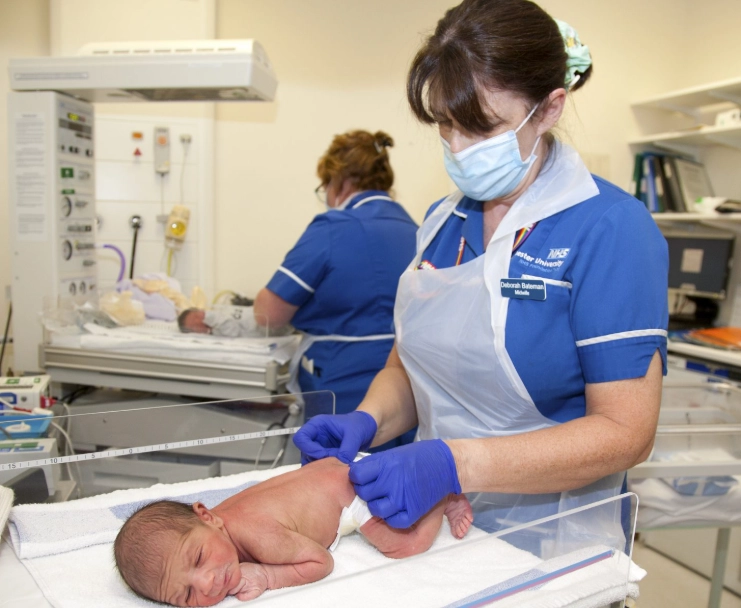
Why am I listing all this scary stuff?
Because knowing the signs means you can get help. And help works. Talking to a therapist, joining a support group, or in some cases, medication can make a world of difference. This isn't a character flaw. It's a complication of birth, just like an infection. The American College of Obstetricians and Gynecologists (ACOG) has excellent resources and emphasizes that screening for these conditions is a critical part of postnatal care. Tell someone. Your partner, your mom, your doctor. You don't have to white-knuckle your way through it.
Newborn Care 101: The Practical Stuff They Don't Teach in the Hospital
Okay, let's talk about the tiny boss of the house. Your postnatal care routine is completely intertwined with theirs. When they sleep, you try to sleep. When they eat, you might need to eat or hydrate. Here's a no-nonsense breakdown.
Feeding: Breast, Bottle, or Both
However you choose to feed your baby, the goal is a fed baby and a sane parent.
Breastfeeding is natural, but it's also a learned skill—for both of you. It shouldn't be excruciatingly painful. If it is, something's likely off with the latch. A lactation consultant can be worth their weight in gold. Look for one certified by the International Board of Lactation Consultant Examiners (IBCLC). Common issues? Engorgement (ice packs and gentle expression), mastitis (fever, flu-like symptoms, a hot, red breast—call your doctor, you may need antibiotics), and low supply (often perceived more than real, but frequent feeding and proper latch help).
Formula feeding is a complete, healthy option. You need clean water, the right ratio of powder to water (read the tin!), and to be mindful of safe preparation. The CDC has great guidelines on formula preparation to avoid contamination. The guilt some feel over choosing formula is immense and unfair. A happy, present parent is what your baby needs most.
Keeping track of feeds and diapers in the early days helps reassure you they're getting enough. This simple table saved my sanity:
| Day of Life | Wet Diapers | Dirty Diapers | Feeding Cues |
|---|---|---|---|
| Day 1-2 | 1-2 (may be brick-dust colored) | 1 (meconium - black/tar-like) | Rooting, hands to mouth |
| Day 3-5 | 5-6 | 3-4 (transitioning to yellowish) | More active sucking |
| Day 6+ | 6+ heavy diapers | 3+ (yellow, seedy if breastfed) | Regular, predictable patterns |
Sleep (Or the Lack Thereof)
Newborn sleep is chaotic. They have tiny stomachs and need to eat around the clock. The goal in the first few months isn't a schedule; it's survival. Safe sleep is non-negotiable: place them on their back, on a firm, flat mattress with a fitted sheet, in your room but not in your bed. No pillows, blankets, stuffed animals, or bumpers in the crib.
Your sleep strategy? Sleep when the baby sleeps. I know, everyone says it and it's annoying because when they sleep you want to shower or eat or stare at a wall in silence. But try to get one nap in during the day where you actually lie down. The dishes can wait. The laundry can wait. Trade shifts with your partner at night if you can—one handles feeds from 8pm-1am, the other from 1am-6am, so each gets a solid chunk.
"The best postnatal care advice I got was to prioritize sleep over a clean house. A rested parent is a safer, more patient parent. The mess will still be there later."
Building Your Support System: You Can't Do This Alone
Modern postnatal care is tragically isolated. In many cultures, a new mother is surrounded by family who cook, clean, and care for her so she can care for the baby. We try to do it all, alone, and then wonder why we're struggling.
Your job right now is to bond with your baby and heal. Everything else is a secondary priority. Delegate. Accept help. Be specific when people offer. "Yes, could you bring over a lasagna on Tuesday?" "Yes, could you take the dog for a walk?" "Yes, could you hold the baby for an hour while I take a shower and a nap?"
If you can afford it, consider a postpartum doula. They're not baby nurses; they're there to support you. They can help with feeding questions, light housework, making you a snack, and giving you evidence-based information. It's an investment in your recovery.
Online communities can be a lifeline, especially at 3 AM. But be careful—comparison is the thief of joy. Someone's baby sleeping through the night at 8 weeks doesn't mean yours is broken. Curate your feeds. Find groups that are supportive, not competitive.
Common Postnatal Care Questions, Answered Straight
Putting It All Together: Your Postnatal Care Checklist
It's a lot. So here's a distilled list to glance at when your brain feels like mush.
- Hydrate: Keep a giant water bottle with a straw everywhere you sit to nurse/feed.
- Nourish: Eat regularly, even if it's just a handful of nuts or a yogurt.
- Rest: Lie down for at least one nap a day. Seriously.
- Move Gently: Start with walking. Listen to your body's "no" signals.
- Delegate: Make a list of tasks people can help with. Let them.
- Monitor Your Mood: Check in with yourself. Name the feeling. Talk about it.
- See Your Provider: Go to your postpartum checkups. Ask every awkward question.
- Lower the Bar: Your only jobs are feeding the baby and yourself, and resting. That's it for now.
The philosophy of true postnatal care is about integration, not separation. Caring for yourself isn't selfish; it's the foundation for caring for your baby. It's about understanding that recovery isn't linear. Some days you'll feel great, and the next you might be sore and weepy again. That's okay.
There's no trophy for "getting back to normal" the fastest. Your normal has changed. This phase is intense, but it's temporary. The fog does lift. The sleep does get better. Your body will find a new strength. You'll look back and be amazed at what you navigated.
So take a deep breath. You've got this. And if you don't feel like you do right now, that's fine too. Just take it one feed, one nap, one day at a time. That's enough. That's everything.




Leave a comment