For years, I thought of my period as the main event. A monthly visitor that brought cramps, chocolate cravings, and a need to stay near a bathroom. Everything else was just... filler. The "in-between" time. I was wrong. Completely wrong. Your menstrual cycle isn't a one-act play about bleeding. It's a full, intricate symphony with four distinct movements, each conducted by a delicate dance of hormones. Understanding these four phases—menstrual, follicular, ovulatory, and luteal—changed how I work, socialize, exercise, and even eat. It turned a source of frustration into a powerful tool for self-awareness.
This isn't just biology class review. It's a practical guide to decoding your body's signals. When you know why you feel energetic and chatty one week, then introspective and slow the next, you stop fighting yourself. You start working with your natural rhythm.
What's in this guide?
The 4 Phases of Your Menstrual Cycle, Explained
Let's walk through each phase, day by day, symptom by symptom. Forget the 28-day myth—a healthy cycle can range from 21 to 35 days. The phases are the constant; their length is what varies.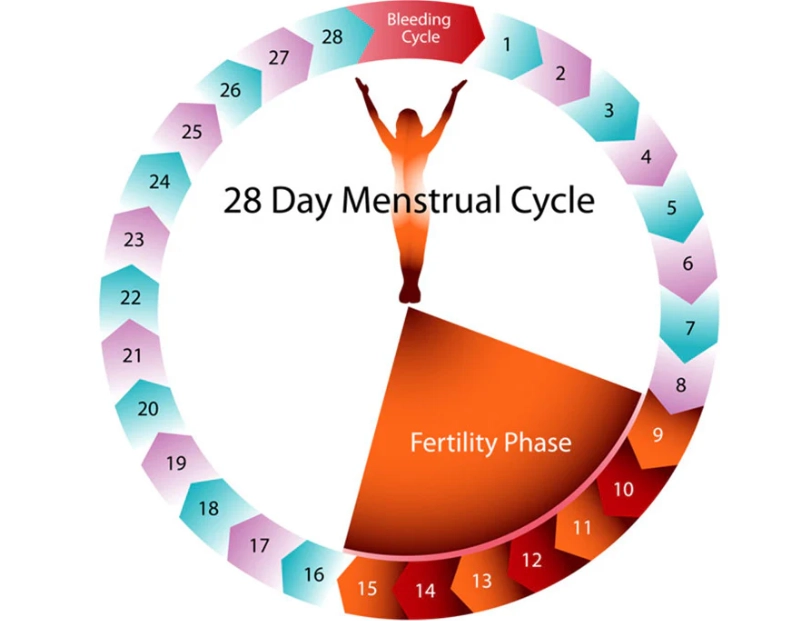
Phase 1: The Menstrual Phase (Days 1-5ish)
This is where it all begins. Day 1 is the first day of full bleeding (not spotting). Your body is shedding the uterine lining it built up last cycle because no pregnancy occurred. Estrogen and progesterone are at their rock-bottom lowest.
What You Might Feel & Notice:
Cramps (caused by prostaglandins making your uterus contract), fatigue, lower backache, a desire to be alone or quiet. Your energy is turned inward. This is a reset. A common mistake? Pushing through with high-intensity workouts and packed social calendars because you think you "should." Your body is asking for rest. Listen to it.
What to lean into: Gentle yoga, walking, warm baths, reading, planning. Foods rich in iron (spinach, red meat if you eat it) and magnesium (dark chocolate, nuts) can help with fatigue and cramps. Hydrate, hydrate, hydrate.
Phase 2: The Follicular Phase (Days 1-13ish)
This phase actually overlaps with your period! It starts on Day 1 as well. While you're menstruating, your brain (the pituitary gland) starts releasing Follicle-Stimulating Hormone (FSH), which tells your ovaries to prepare a new egg. Several follicles begin to mature, but usually only one becomes the dominant "frontrunner." As this phase progresses, estrogen begins a steady climb.
This is your springtime. Energy starts to return. You might feel more optimistic, creative, and willing to learn new things. Your brain is literally being primed by rising estrogen. It's a fantastic time for starting new projects, brainstorming, and socializing.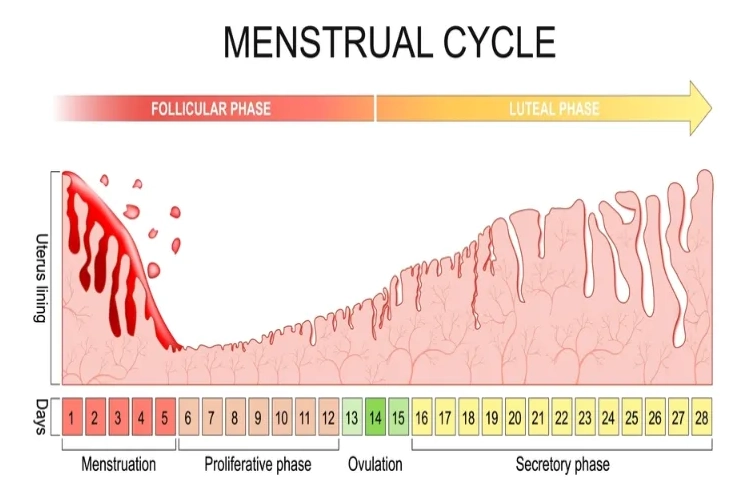
Phase 3: The Ovulatory Phase (Day 14ish, but varies!)
The main event isn't your period—it's ovulation. A surge in Luteinizing Hormone (LH) triggers the dominant follicle to release its egg. This is a short window, about 24-48 hours. Estrogen peaks right before this, then drops.
Body Signals You Should Know:
Cervical mucus becomes clear, stretchy, and slippery (like raw egg whites). Your basal body temperature will dip slightly then rise. Some feel a mild twinge or ache on one side of the lower abdomen (mittelschmerz). Libido often spikes—nature's clever design. Skin might look great. You're at your most charismatic and verbally fluent. It's prime time for networking, dates, presentations, or tough conversations.
Phase 4: The Luteal Phase (Days 15-28ish)
After releasing the egg, the empty follicle transforms into the corpus luteum, which starts pumping out progesterone. This hormone's job is to make the uterine lining a cozy home for a potential pregnancy. Progesterone is a sedative. It raises your core body temperature and can make you feel calmer, more introspective, or, as it wanes, irritable and anxious.
This is the phase where Pre-Menstrual Syndrome (PMS) occurs, typically in the last week as both progesterone and estrogen fall if no pregnancy happens. Bloating, breast tenderness, mood swings, and cravings (often for carbs) are common. Your energy starts to decline. This is your autumn—a time for detail-oriented work, organizing, finishing tasks, and gentle self-care.
I used to think my late-luteal phase irritability was a personality flaw. Now I know it's a physiological sign to slow down and be kind to myself.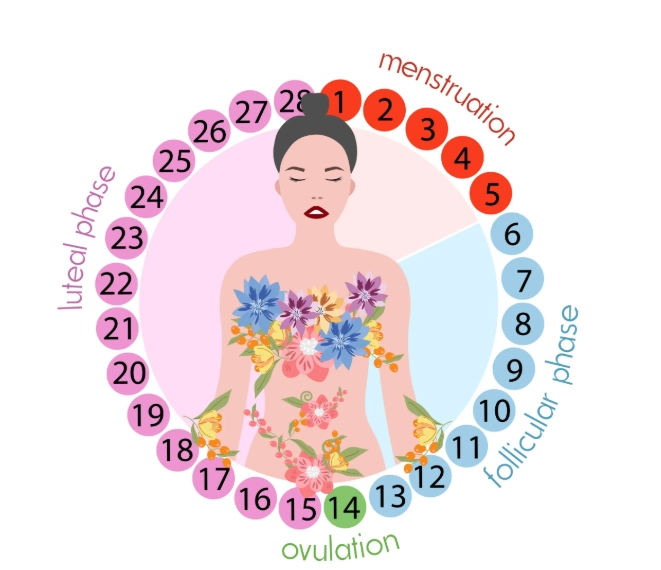
The Hormone Dashboard: What's Really Happening
It's easier to understand the "why" behind your feelings when you see the data. Think of this as your body's internal dashboard.
| Phase | Key Hormones | Primary Physical Signs | Common Emotional/Cognitive Notes |
|---|---|---|---|
| Menstrual | Estrogen & Progesterone: Very Low | Bleeding, cramps, fatigue | Introverted, reflective, need for rest |
| Follicular | Estrogen: Rising Steadily | Energy returns, cervical mucus becomes creamy | Creative, optimistic, social, good for learning |
| Ovulatory | Estrogen: PEAK, then LH Surge | Clear, stretchy mucus, possible mittelschmerz, libido increase | Confident, outgoing, verbally fluent, "glowy" |
| Luteal | Progesterone: Rises then Falls, Estrogen dips then rises slightly | Higher basal temp, bloating, breast tenderness, cravings | Calm then potentially anxious/irritable (PMS), detail-focused |
Working With Your Cycle: Practical Tips for Each Phase
This is where theory meets life. You don't need a rigid plan, just mindful adjustments.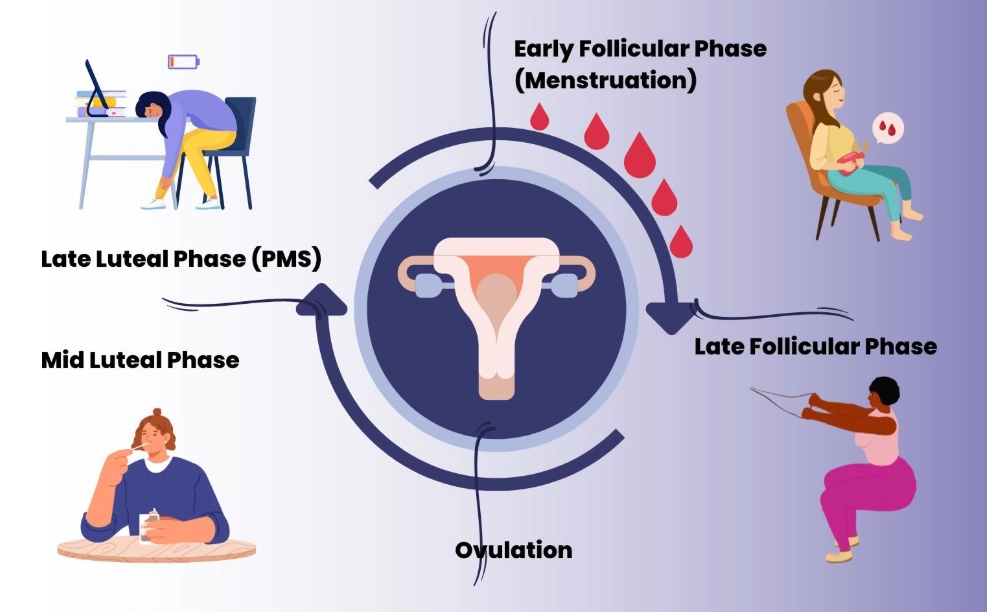
Menstrual & Early Follicular (The Reset)
Movement: Walking, restorative yoga, stretching. Nothing that feels like a punishment.
Work: Administrative tasks, cleaning your inbox, planning the week/month, reviewing data. Low-demand, organizational work.
Food: Warm, cooked meals. Iron-rich foods (lentils, leafy greens), omega-3s (salmon, flax) to help with inflammation and cramps.
Mid-Follicular & Ovulatory (The Peak)
Movement: This is your window for high-intensity workouts, strength training, dancing, running.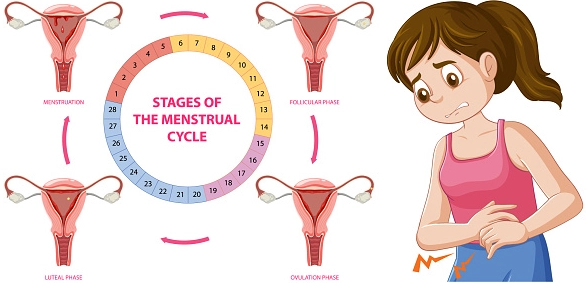
Work: Schedule important meetings, brainstorm new ideas, pitch projects, collaborate, network. Your brain is wired for it.
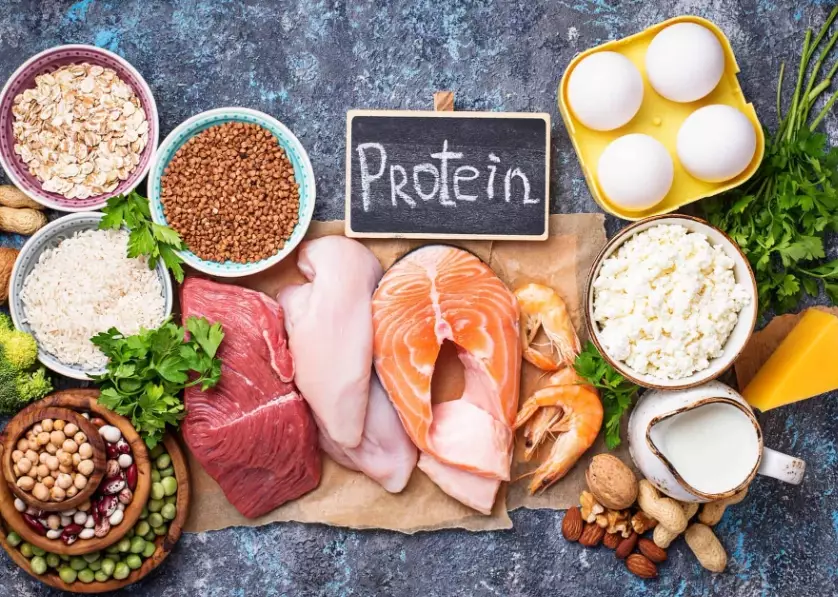
Food: Lighter, fresh foods. Lots of veggies and lean protein to support high energy output.
Luteal Phase (The Wind-Down)
Movement: Shift to moderate exercise: pilates, cycling, hiking. As PMS hits, gentle movement is key.
Work: Perfect for focused, independent work. Writing reports, coding, analyzing, editing. Avoid scheduling major client presentations for the week before your period if you experience significant PMS.
Food: Complex carbs (sweet potatoes, oats) to manage serotonin drops and cravings. Magnesium-rich foods (dark chocolate, bananas, almonds) for mood and sleep. Reduce salt and caffeine if you're prone to bloating and anxiety.
The goal isn't perfection. It's awareness. Some weeks you'll crush a workout in your luteal phase, and that's fine. The point is you're no longer confused about why you feel wiped out afterward.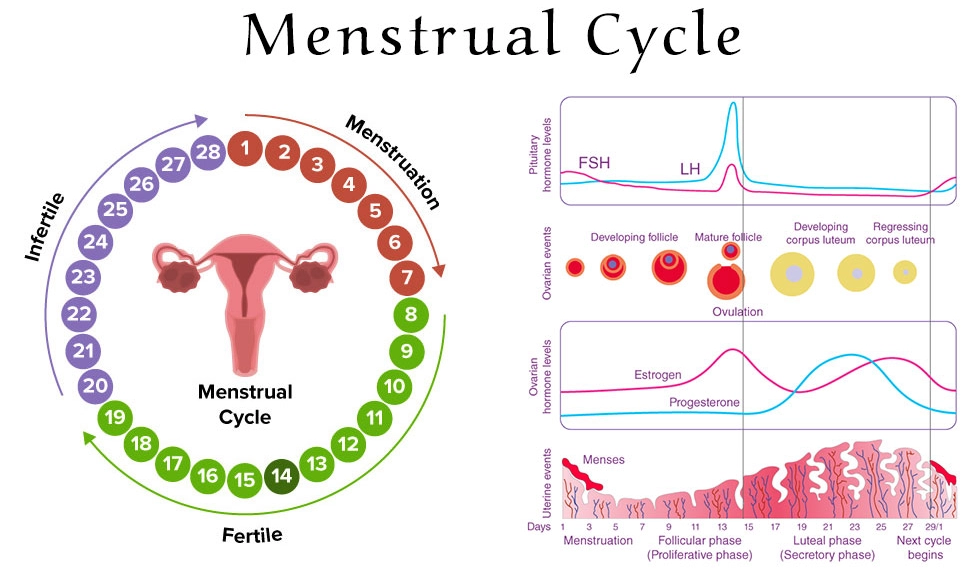
Your Menstrual Cycle Questions Answered
Tracking your cycle for a few months is the best first step. Use an app, a simple calendar, or a notes page. Jot down your energy, mood, physical symptoms, and productivity. You'll start to see your own unique pattern emerge within the framework of these four phases. It's not about letting your cycle control you. It's about reclaiming the information your body has been giving you all along.


Leave a comment