You hit 49, and suddenly your body feels like it's running its own mysterious software update. One day you're fine, the next you're sweating through your shirt at a casual lunch. If that sounds familiar, you're not going crazy. This is perimenopause, and at 49, it's right on schedule for many women. I've been through it myself and coached dozens of women—let's cut through the noise and get practical.
Here's the deal: menopause itself is just one day—the day you've gone 12 months without a period. But the years leading up to it, perimenopause, is where the action happens. At 49, you're likely in the thick of it. Symptoms vary wildly, but they're real and manageable. This guide won't sugarcoat it; we'll cover what to expect, how to cope, and when to worry.
Skip to What Matters: Your Quick Navigation
What Are the Most Common Menopause Symptoms at 49? (The Full Picture)
Everyone talks about hot flashes, but at 49, the symptom list is longer and sneakier. It's not just physical; your mind and emotions join the party. Let's break it down.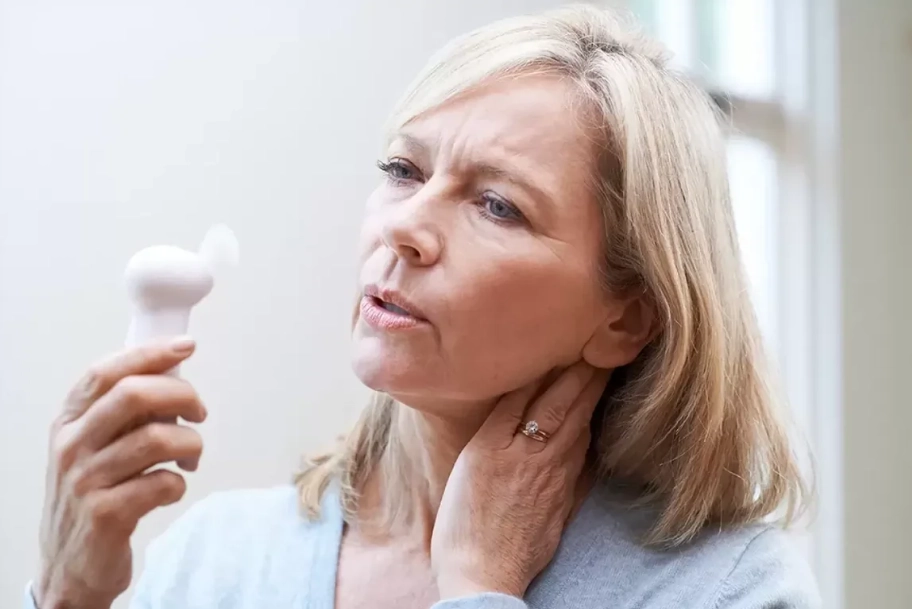
Physical Symptoms You Can't Ignore
These hit you where you live. Hot flashes are the poster child—sudden warmth spreading from your chest to your face, often with sweating. But here's what else crops up:
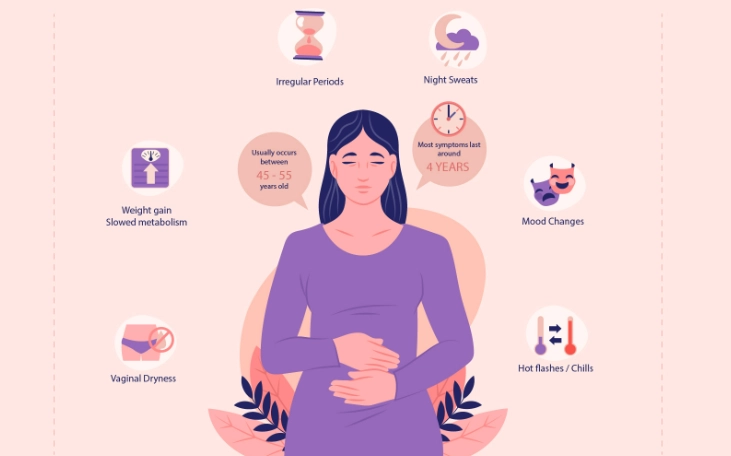
- Night sweats: Waking up drenched, even in a cool room. They wreck your sleep.
- Vaginal dryness: Not just a nuisance; it can make sex painful and increase infection risk.
- Irregular periods: At 49, your cycle might shorten, lengthen, or skip months. Flow can be heavier or lighter.
- Joint aches: Random stiffness or pain, often in the knees or hips.
- Weight gain around the belly: Metabolism slows, and fat redistributes—thanks, hormones.
Psychological and Emotional Symptoms
This part blindsides many women. You might feel like you're on an emotional rollercoaster:
- Mood swings: Irritability one minute, tears the next. It's not you; it's fluctuating estrogen.
- Anxiety: New or heightened worry, often about nothing specific.
- Brain fog: Forgetting words, losing keys, feeling mentally fuzzy. It's real and frustrating.
- Sleep disturbances: Waking up at 3 a.m. and staring at the ceiling, even if you're exhausted.
How to Manage Hot Flashes and Night Sweats Effectively
Hot flashes can feel like a personal summer you didn't sign up for. At 49, they often peak. Here's what works, based on real women's experiences.
Immediate Cooling Tactics
When a flash hits, you need quick relief:
- Keep a small fan on your desk or bedside table.
- Dress in layers—cotton or moisture-wicking fabrics are best.
- Sip cold water; it helps regulate body temperature.
- Carry a cooling towel in your bag.
Long-Term Strategies
Reducing frequency is key. Avoid triggers like spicy food, caffeine, and alcohol—especially in the evening. Stress is a big trigger; try deep breathing exercises. Some women find black cohosh helpful, but the evidence is mixed, and it can interact with medications. Always check with your doctor first.
For severe cases, hormone therapy (HT) is the most effective treatment. At 49, if you're healthy, the benefits often outweigh the risks. The North American Menopause Society is a great resource for latest guidelines.
The Emotional Rollercoaster: Mental Health During Perimenopause
Your brain is rewiring itself, and it's messy. Mood swings aren't character flaws; they're biological. Estrogen affects serotonin, the feel-good neurotransmitter.
Practical Coping Mechanisms
- Exercise: Even a 20-minute walk boosts mood and reduces anxiety.
- Mindfulness: Apps like Headspace offer short meditations to calm racing thoughts.
- Therapy: Talking to a therapist who understands menopause can be game-changing.
- Sleep hygiene: Stick to a routine—no screens an hour before bed, keep the room cool.
Brain fog is real. Use lists, set phone reminders, and give yourself grace. It's not dementia; it's temporary.
Daily Hacks: Simple Lifestyle Changes for Symptom Relief
Small tweaks add up. Here's a table summarizing key changes and their impact:
| Change | How It Helps | Easy Tip to Start |
|---|---|---|
| Balanced Diet | Reduces hot flashes, stabilizes mood | Add one serving of vegetables to lunch |
| Regular Exercise | Improves sleep, boosts energy | Take a 10-minute walk after dinner |
| Stress Management | Lowers anxiety, eases symptoms | Practice deep breathing for 5 minutes daily |
| Hydration | Reduces night sweats, supports joints | Drink a glass of water first thing in the morning |
Diet matters. Focus on whole foods—plenty of fruits, vegetables, and lean protein. Calcium and vitamin D are crucial for bone health; consider supplements if you're not getting enough from food. The National Institutes of Health has good info on recommended intakes.
Exercise doesn't have to be intense. Strength training twice a week helps maintain muscle mass, which dips at 49. Yoga or tai chi can ease joint pain.
When to See a Doctor: Red Flags and Professional Help
Don't tough it out alone. See a doctor if:
- Symptoms disrupt your daily life (e.g., missing work due to hot flashes).
- You have bleeding between periods or after sex—this needs ruling out other issues.
- Mood swings lead to depression or suicidal thoughts.
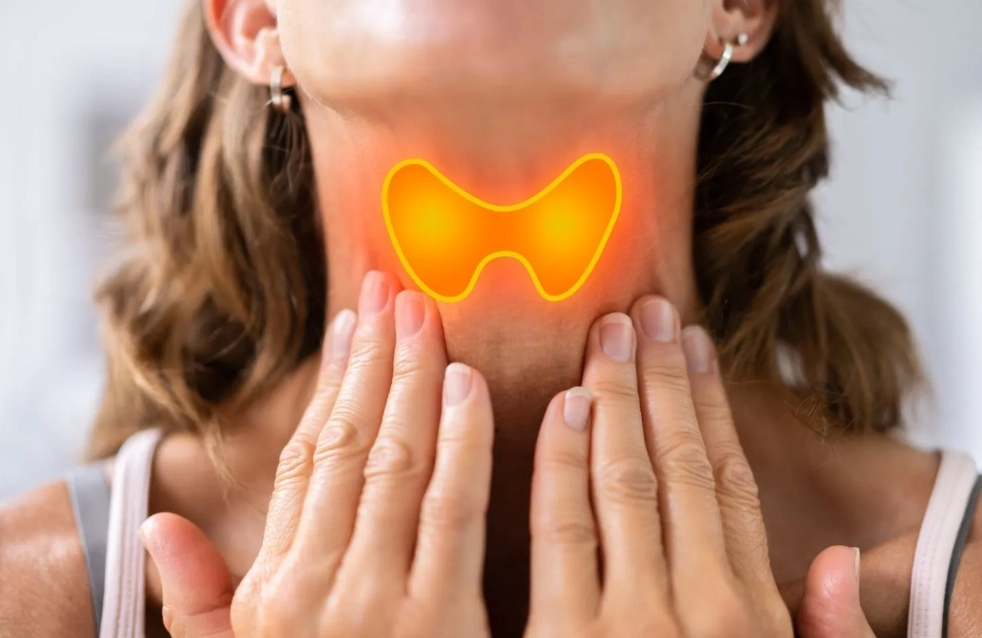
- You're unsure if it's perimenopause or something else (like thyroid problems).
What to expect: Your doctor might order blood tests to check hormone levels (FSH, estradiol), thyroid function, and vitamin levels. This baseline is key. Bring a symptom journal to the appointment.
Treatment options range from lifestyle advice to medication. Hormone therapy isn't for everyone, but for healthy women at 49, it can be very effective. Non-hormonal options like antidepressants or gabapentin can help with hot flashes and mood.
FAQ: Your Top Questions Answered
Navigating menopause at 49 is a journey, not a destination. Listen to your body, seek support, and remember—this phase is temporary. You've got this.


Leave a comment