Quick Guide
- Why Is Bone Health a Bigger Deal for Women?
- How Do You Even Know How Your Bones Are Doing?
- The Building Blocks: Nutrition You Can't Ignore
- Exercise: The Best Medicine You Can Give Your Bones
- Lifestyle Factors: The Silent Saboteurs (and Helpers)
- Straight Answers to Your Real Questions
- Putting It All Together: Your Action Plan
Let's talk about something that doesn't get nearly enough attention until it's often too late: your bones. I'm not here to scare you with grim statistics about osteoporosis (okay, maybe a few, because they're important). I'm here to give you the straight talk on bone health for women, why it's a uniquely female concern, and most importantly, what you can actually do about it. This isn't just about drinking more milk. It's a whole-body, whole-life strategy.
Think about it. We worry about our skin, our weight, our hair, but how often do you stop and think, "How are my bones doing today?" Probably never. And that's the problem. Bone loss is a silent process. You don't feel it happening. One day you're fine, the next you're recovering from a wrist fracture from a simple slip, and the doctor is mentioning the 'O' word. I saw it happen to my own mom, and let me tell you, watching someone's world shrink because they're afraid of falling is a powerful motivator to get this information out there.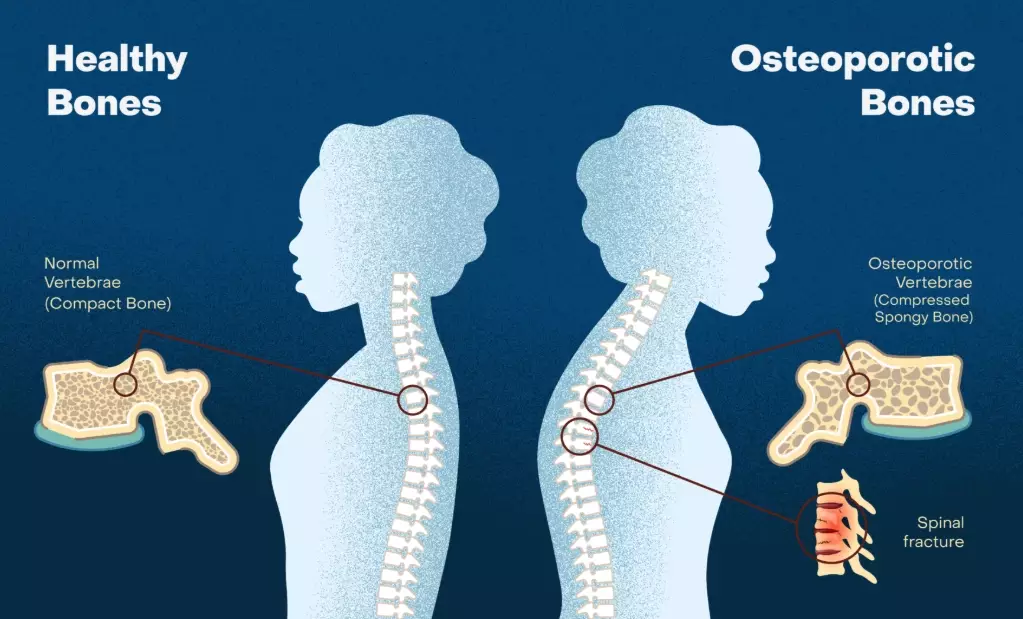
Why Is Bone Health a Bigger Deal for Women?
It feels unfair, doesn't it? But biology isn't always fair. When we talk about bone health for women, we have to start with the biological hand we're dealt. Our bones are living tissue, constantly in a cycle of breaking down old bone (resorption) and building new bone (formation). For most of our lives, these two processes are in balance.
The curveball for women is menopause. The sharp decline in estrogen, a hormone that plays a crucial role in protecting bones, kicks the resorption process into high gear. Bone loss accelerates dramatically. According to the National Osteoporosis Foundation, a woman can lose up to 20% of her bone density in the 5-7 years following menopause. Let that sink in. 20%.
But it's not just menopause. The foundation for strong bones later in life is built in our youth. Peak bone mass—the maximum amount of bone you'll ever have—is typically achieved by our late 20s. If you didn't bank enough bone during those critical years (thanks to poor nutrition, lack of exercise, or other factors), you're starting the depletion phase with a smaller savings account. This is why focusing on bone health for women is a lifelong pursuit, not just a concern for your 60s.
How Do You Even Know How Your Bones Are Doing?
You can't see or feel your bone density. So how do you measure it? The gold standard is a DXA scan (Dual-energy X-ray absorptiometry). It's a quick, painless test that measures the mineral content in your bones, usually at the hip and spine.
The result gives you a T-score. Here's a simple breakdown:
- Above -1.0: Normal bone density. Keep doing what you're doing!
- Between -1.0 and -2.5: Osteopenia. This is low bone mass, a warning sign. It's your cue to get serious about intervention.
- -2.5 and below: Osteoporosis. This means your bones are significantly weakened and at high risk for fracture.
Who should get a scan? General guidelines suggest all women over 65, and younger postmenopausal women with risk factors (like a family history, smoking, or a previous fracture). But honestly, if you're curious and want a baseline, talk to your doctor. Knowledge is power. Knowing your numbers takes the guesswork out of your strategy for bone health for women.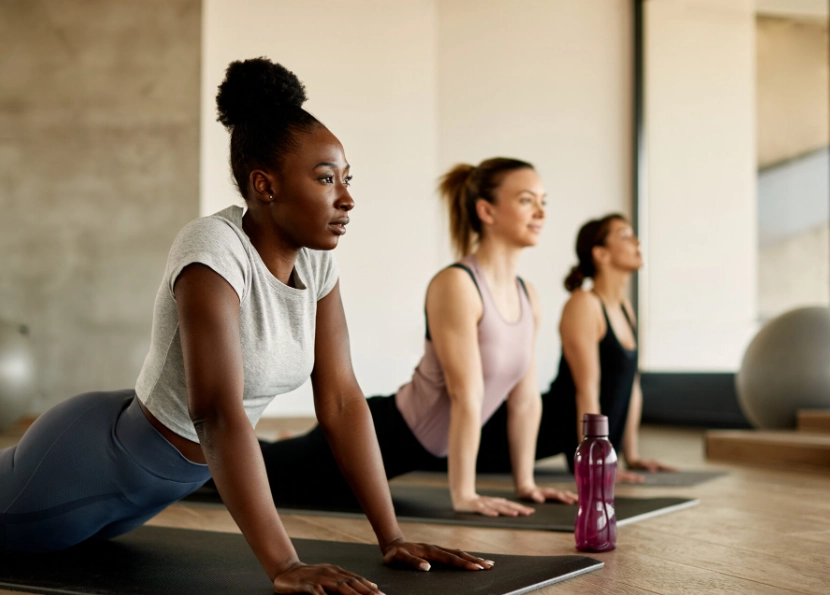
The Building Blocks: Nutrition You Can't Ignore
Food is your first and most powerful medicine. And no, it's not just about chugging milk. A holistic approach to nutrition for strong bones involves a team of nutrients working together. Let's break down the all-star team.
Calcium: The Foundation (But It's Complicated)
Yes, calcium is the main mineral in bone. The recommended daily intake is 1,000 mg for most adult women, jumping to 1,200 mg for women over 50. But here's the thing a lot of articles miss: more is not better. Your body can only absorb about 500 mg at a time. So taking a 1,200 mg pill all at once is mostly wasteful. Spread your intake throughout the day.
Also, the source matters. Dairy is efficient, but it's not the only way. Some people find dairy inflammatory, and that's okay. The key is consistency and absorption.
Vitamin D: The Essential Conductor
This is the non-negotiable partner to calcium. Without adequate Vitamin D, your body can't absorb the calcium you're eating, no matter how much kale you choke down. Think of Vitamin D as the key that unlocks the door for calcium to enter your bloodstream and get to your bones.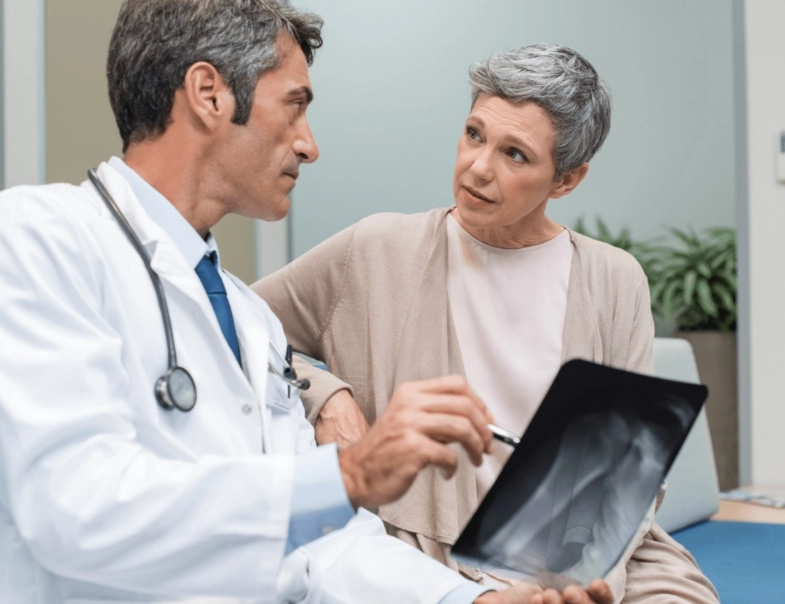
Our bodies make Vitamin D from sun exposure, but factors like sunscreen (which you should still wear!), skin tone, latitude, and season make it unreliable. The National Institutes of Health (NIH) recommends 600 IU daily for adults up to age 70, and 800 IU for those over 70. Many experts believe these are conservative numbers. A blood test (25-hydroxyvitamin D test) is the only way to know your level. Aim for a level above 30 ng/mL for optimal bone health for women.
The Supporting Cast: Magnesium, Vitamin K, and Protein
This is where we go beyond the basics. Most discussions on bone health for women stop at calcium and D, but the story is richer.
- Magnesium: Over 50% of your body's magnesium is in your bones! It helps convert Vitamin D into its active form and is involved in bone crystal formation. Leafy greens, nuts, seeds, and legumes are great sources.
- Vitamin K2: Think of this as the traffic director. It helps shuttle calcium into your bones and away from your arteries, where you don't want it. Find it in fermented foods like natto, sauerkraut, and certain cheeses.
- Protein: Bones are about 50% protein by volume. Adequate protein is crucial for maintaining bone mass and muscle strength, which protects against falls. The old myth that protein leaches calcium is largely debunked.
To make this practical, here's a quick-reference table of bone-building foods and the key nutrients they provide:
| Food Group | Top Picks for Bones | Key Nutrients Provided | Quick Serving Tip |
|---|---|---|---|
| Dairy & Fortified Alternatives | Yogurt, Kefir, Fortified Almond Milk | Calcium, Vitamin D (if fortified), Protein | Use plain yogurt as a base for smoothies or dips. |
| Leafy Greens | Cooked Kale, Collard Greens, Bok Choy | Calcium, Magnesium, Vitamin K | Stir-fry with garlic for a quick side dish. |
| Fish | Wild-Caught Salmon, Sardines (with bones) | Vitamin D, Calcium (from bones), Protein | Add canned sardines to whole-grain crackers. |
| Nuts & Seeds | Almonds, Chia Seeds, Sesame Seeds (Tahini) | Calcium, Magnesium, Protein | Add a spoonful of tahini to salad dressings. |
| Fermented Foods | Natto, Sauerkraut, Aged Gouda | Vitamin K2, Probiotics | Start small with sauerkraut as a condiment. |
Exercise: The Best Medicine You Can Give Your Bones
If you think walking is enough, I have to be the bearer of bad news: it's not. Walking is fantastic for cardiovascular health and overall wellness, but for building bone density, it's a mild stimulus. Bones are lazy. They only get stronger when you give them a reason to. They respond to stress and impact.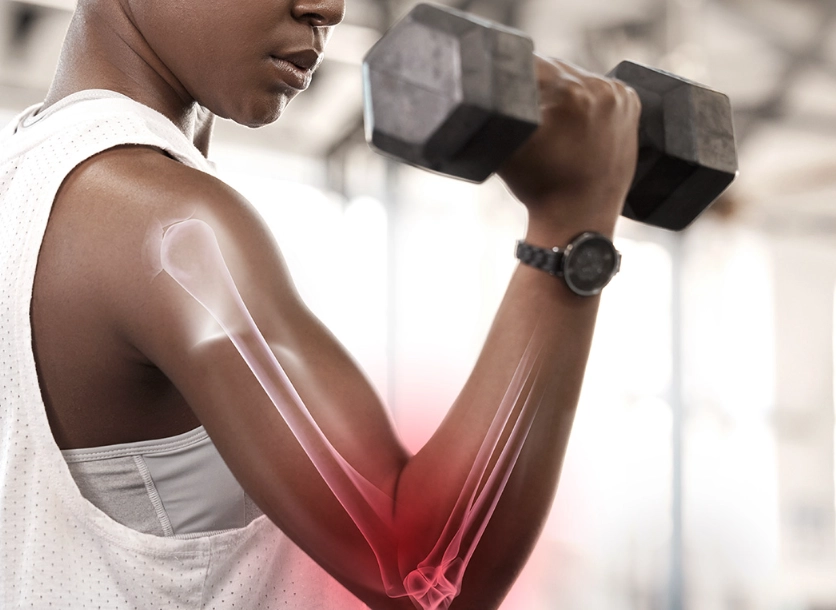
For optimal bone health for women, you need a two-pronged exercise approach:
1. Weight-Bearing Impact Exercises
These are activities where you are supporting your own body weight, with some added impact. The force of the impact sends signals to your bone-building cells (osteoblasts) to get to work.
- High-Impact (Best for bone building): Running, jogging, jumping rope, stair climbing, tennis, dancing (like Zumba or jazz). If your joints are healthy, incorporate these.
- Low-Impact (Good if you have joint issues): Fast walking, elliptical trainer, low-impact aerobics. Better than nothing, but not as osteogenic.
2. Strength Training (Non-Negotiable)
This is the most underrated tool for bone health for women. Lifting weights, using resistance bands, or doing bodyweight exercises like squats and push-ups places a different kind of stress on your bones—a pulling, twisting stress from your muscles tugging on the bones where they attach. This is incredibly powerful for building bone, especially at the spine and hips.
The Mayo Clinic emphasizes that strength training is safe and effective for women of all ages. You don't need to be a bodybuilder. Lifting a weight that feels challenging for 8-12 repetitions, 2-3 times a week, is the sweet spot.
I used to hate strength training. I thought it was boring and just for men trying to get huge. Then I learned what it does for bones and metabolism. Now, it's non-negotiable in my week. My posture is better, I feel stronger carrying groceries, and I know I'm investing in my skeleton.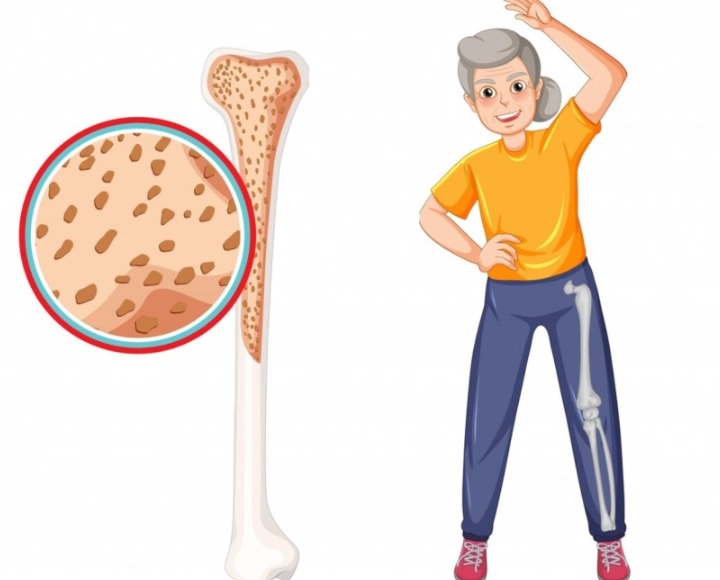
Lifestyle Factors: The Silent Saboteurs (and Helpers)
You can eat all the kale and lift all the weights, but if you're undermining your efforts elsewhere, you're swimming upstream. Let's talk about the big three.
Smoking and Excessive Alcohol
Smoking is a disaster for bones. Toxins in smoke directly damage bone-forming cells and interfere with calcium absorption. It also lowers estrogen levels in younger women, leading to earlier menopause. There's no nice way to say it: quitting is one of the best things you can do for your skeleton.
Alcohol in moderation (one drink per day for women) might be okay for some, but heavy drinking is toxic to bone cells and increases fall risk. It also messes with the balance of calcium and hormone production.
Caffeine and Salt
The research here is less dramatic but worth noting. Very high caffeine intake (more than 4 cups of coffee a day) may be linked to a slight increase in calcium loss through urine. The fix is easy: if you're a heavy coffee drinker, just make sure you're meeting your calcium needs.
High sodium intake can also cause your body to excrete more calcium. Cooking at home and limiting processed foods (the main source of dietary sodium) solves this problem while benefiting your overall health.
Stress and Sleep
Chronic high stress elevates cortisol, a hormone that can break down bone tissue. And poor sleep disrupts the hormonal environment necessary for bone repair and growth. Managing stress through mindfulness, yoga, or hobbies, and prioritizing 7-9 hours of quality sleep are indirect but crucial pillars of bone health for women.
Straight Answers to Your Real Questions
Are bone density supplements worth it, or a waste of money?
It depends. If you have a diagnosed deficiency (like low Vitamin D) or cannot meet your needs through diet (e.g., you're lactose intolerant and don't eat other calcium-rich foods), then supplements are essential. A basic calcium citrate or carbonate supplement (taken in doses of 500mg or less with food) and a Vitamin D3 supplement can be a safety net. However, they are not a magic pill. They work best in support of a nutrient-dense diet and exercise program, not as a replacement. Some fancy "bone formula" supplements are overpriced and underdosed. Read labels carefully.
I'm postmenopausal. Is it too late for me to improve my bone health?
Absolutely, unequivocally NO. This is the most important message. While you can't regain the peak bone mass of your 20s, you can absolutely slow down further loss, improve bone quality, and even see modest gains in density with the right combination of nutrition, targeted exercise (especially strength training!), and, if prescribed, medication. The body is always capable of some adaptation. Starting now is infinitely better than starting never.
What about medications like bisphosphonates (Fosamax, etc.)? Are they safe?
This is a conversation for you and your doctor, based on your T-score, fracture risk, age, and overall health. Medications like bisphosphonates are powerful tools that can significantly reduce fracture risk for those with osteoporosis. They work by slowing bone resorption. Like all medications, they have potential side effects (e.g., rare jaw issues, atypical femur fractures) that need to be understood and monitored. They are not first-line for mild osteopenia. The goal should always be to build the strongest bones possible naturally to potentially avoid or delay the need for medication. But if your risk is high, these drugs can be life-changing and fracture-preventing. Don't let fear-mongering online scare you away from a potentially necessary treatment. Have an informed talk with your physician.
My mom has osteoporosis. Does that mean I'm doomed?
Family history is a significant risk factor, but it's not a destiny. It's a warning light on your dashboard. It means you need to be more proactive, not fatalistic. You know your genetic predisposition, so you can start building better habits earlier. Get a baseline DXA scan earlier (maybe in your 40s or early 50s). Be militant about your nutrition and exercise. You have the power to change your trajectory dramatically, even with a genetic headwind.
Putting It All Together: Your Action Plan
All this information is useless if it's overwhelming. So let's simplify. Don't try to do everything at once. Pick one or two things to start.
This Week: Add one serving of a leafy green vegetable to your dinner. Take a 10-minute brisk walk and try 2 sets of 10 bodyweight squats.
This Month: Get your Vitamin D level checked. Schedule a session with a personal trainer (even just one) to learn proper form for basic strength exercises. Find a calcium-rich food you enjoy and have it daily.
This Year: Talk to your doctor about whether a DXA scan is right for you. Make strength training a consistent habit (2x per week). Review your diet and plug any major nutrient gaps.
The journey to strong bones isn't a sprint; it's a lifelong walk. Some days you'll eat perfectly and crush your workout. Other days, you'll eat cookies on the couch. That's life. The goal is consistency over weeks, months, and years. Every healthy choice is a deposit in your bone bank.
Your skeleton holds you up. It lets you move, hug, dance, and live independently. Investing in bone health for women is one of the most profound acts of self-care you can do for your future self. Start today, wherever you are. Your future self will thank you for it.



Leave a comment