Let's clear something up right away. When you hear "female wellness bodybuilding," if your mind jumps to oiled-up stage physiques and extreme dieting, you're missing the point entirely. The modern approach is different. It's a holistic practice where lifting weights is the tool, and the goal is a stronger, more resilient, and energetically alive version of yourself. This is about building a body that functions brilliantly for decades, not just looks a certain way for a season.
I've coached women from their 20s to their 60s in this space, and the transformation is rarely just physical. It's the confidence from carrying all the groceries in one trip. It's the disappearance of lower back pain after strengthening your posterior chain. It's the stable energy levels because you're feeding muscle, not just starving fat. This guide strips away the noise and gives you the framework.
What You'll Discover in This Guide
The Foundational Mindset Shift: From Aesthetic to Functional
This is the non-negotiable first step. Traditional bodybuilding metrics—weight on the scale, mirror checks for "fat loss"—are poor indicators of wellness. Your new metrics are:
- Performance: Can you add 5 pounds to your squat this month? Do you need less rest between sets?
- How you feel: Are you sleeping through the night? Is your mood more stable throughout the day?
- Biomarkers: (In consultation with a doctor) Improvements in blood pressure, resting heart rate, HDL cholesterol, and fasting blood sugar.
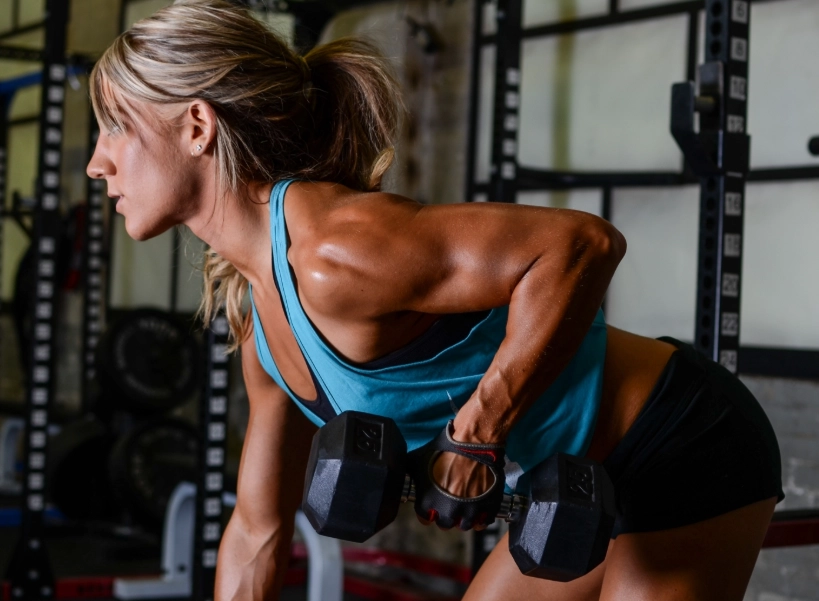
I see women get stuck because they're still chasing a smaller body, not a stronger one. The irony? By focusing solely on strength and nourishment, body composition changes happen as a side effect—and they stick. The scale might not move much as you replace fat with denser muscle tissue, but your clothes fit differently, and your energy soars.
A client, Sarah (52), came to me frustrated after years of cardio and calorie counting. We shifted her focus to lifting heavy three times a week and hitting a protein goal. In four months, she hadn't lost a single pound. But her doctor was thrilled with her improved lipid panel, her chronic knee ache was gone, and she bought her first pair of jeans in a size smaller. She stopped caring about the number on the scale.
The Practical Framework: Training, Nutrition, Recovery
This triad works together. Optimize one and neglect the others, and you're leaving results on the table.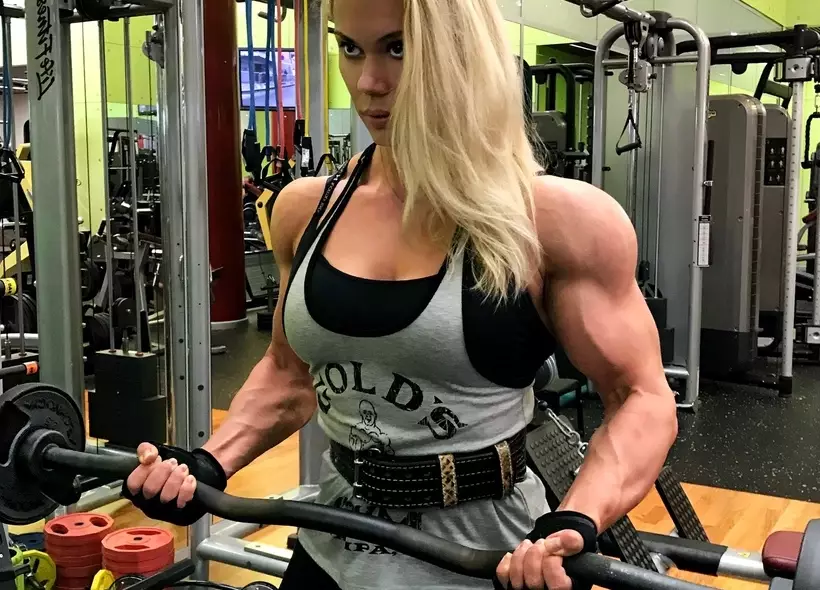
1. Training for Longevity, Not Just Muscle
Forget "leg day" and "arm day" bro-splits. For wellness, we prioritize movements, not muscles. Your program should be built on a foundation of:
- Hip-Dominant: Deadlifts, hip thrusts, kettlebell swings. Builds the glutes and hamstrings, critical for back health and power.
- Knee-Dominant: Squats, lunges, step-ups. Builds quadriceps and overall leg strength for mobility.
- Horizontal Push/Pull: Push-ups, bench presses (horizontal push); bent-over rows, chest-supported rows (horizontal pull). Balances the upper body.
- Vertical Push/Pull: Overhead press (vertical push); pull-ups, lat pulldowns (vertical pull). Creates shoulder health and posture.
A study published in the American College of Sports Medicine's Health & Fitness Journal emphasizes that multi-joint, compound movements like these provide the greatest metabolic and functional bang for your buck. Isolating your biceps has its place, but it's the icing, not the cake.
2. Nutrition: Fueling the Machine
This is where most women under-eat. Muscle repair and growth are metabolically expensive processes. If you're lifting weights but eating like you're sedentary, you're sending mixed signals to your body.
Protein is the priority. Not just for satiety, but as the literal building block for the lean tissue you're trying to build and maintain, especially crucial as estrogen declines. A common mistake is having a "protein-ish" meal—like a salad with a few chickpeas. That's not enough.
| Meal Timing | Protein Goal (Example for a 150lb woman) | Example Foods |
|---|---|---|
| Post-Workout (within 1-2 hours) | 30-40g | 1 scoop protein powder in water, 4 oz chicken breast, 1 cup Greek yogurt. |
| Other Meals | 20-30g | 2 eggs + 3 egg whites, 1 palm-sized portion of salmon or tofu, 1 cup cottage cheese. |
| Daily Total | ~0.8-1g per lb of bodyweight | Spread across 3-4 meals. |
Carbs are your friend, not the enemy. They replenish glycogen stores for your next training session. Fats are essential for hormone production. Don't fear any macronutrient group.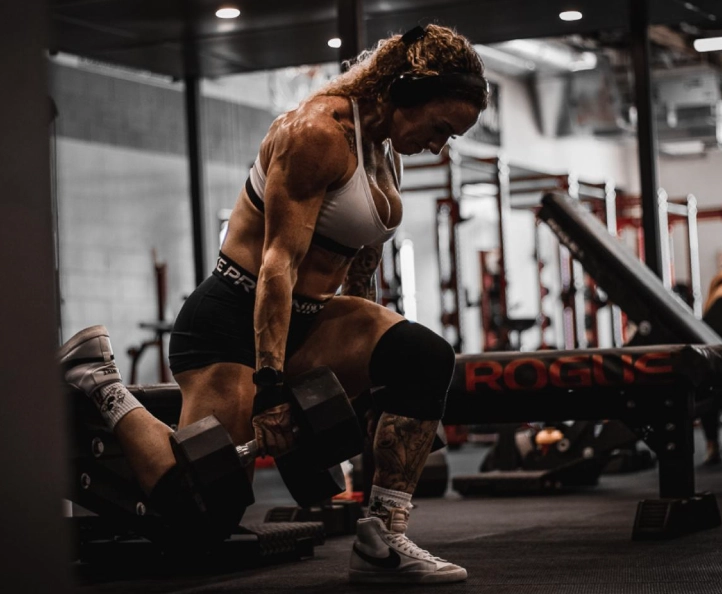
3. Recovery: Where the Magic Happens
You don't get stronger in the gym; you get stronger while recovering from the gym. This means:
- Sleep: 7-9 hours. Non-negotiable. Growth hormone, which aids muscle repair, is primarily released during deep sleep.
- Stress Management: Chronic high cortisol (the stress hormone) can hamper muscle growth and promote fat storage, particularly around the midsection. This is why someone can be "eating clean and training hard" but not seeing results.
- Active Recovery: A 30-minute walk, light yoga, or foam rolling on off days promotes blood flow without adding systemic fatigue.
5 Common Mistakes That Sabogate Progress (And How to Fix Them)
- Lifting Like It's Cardio: Doing 20 reps with pink dumbbells while chatting. Fix: Use a weight that challenges you in the 8-12 rep range. The last 2 reps should feel hard.
- Neglecting Progressive Overload: Doing the same workout with the same weight for months. Fix: Each week, aim to add a little more weight, do one more rep, or have better form than last week.
- Overdoing Cardio: Adding 45 minutes of steady-state cardio after a heavy lifting session. Fix: Keep cardio separate or do short, intense intervals (like 20-minute HIIT sessions) 1-2 times a week, max. Let your lifting be your primary cardio.
- Eating in a Huge Calorie Deficit: Trying to "lose weight" and "build muscle" simultaneously is incredibly hard for most. Fix: Eat at maintenance calories or a slight surplus (100-200 calories) to support muscle growth. Body recomp is slower but more sustainable.
- Comparing Your Chapter 1 to Someone Else's Chapter 20: Social media is a highlight reel. Fix: Track your own progress with photos, strength notes, and how you feel. That's your only relevant benchmark.
What a Sustainable Week Actually Looks Like
Here's a realistic template for someone with a full-time job. This is flexible—swap days as needed.
- Monday (Full Body Strength A): Barbell Squats (3×8), Dumbbell Bench Press (3×10), Bent-Over Rows (3×10), Plank (3×45s hold). ~60 minutes.
- Tuesday (Active Recovery): 30-minute brisk walk or gentle yoga flow.
- Wednesday (Full Body Strength B): Romanian Deadlifts (3×8), Overhead Press (3×10), Lat Pulldowns (3×10), Goblet Squats (3×12). ~60 minutes.
- Thursday: Rest or another 30-minute walk.
- Friday (Full Body Strength C or Fun Day): Hip Thrusts (3×10), Incline Dumbbell Press (3×10), Seated Cable Rows (3×10). Then maybe 15-20 minutes of intervals (e.g., 30s sprint/90s walk) OR a dance class, rock climbing—something you enjoy. ~60-75 minutes.
- Weekend: Rest, family time, hobbies. No structured exercise needed.
See the pattern? Three quality strength sessions, some light movement, and real rest. It's simple, but simple isn't always easy. Consistency with this beats a complicated plan you can't maintain.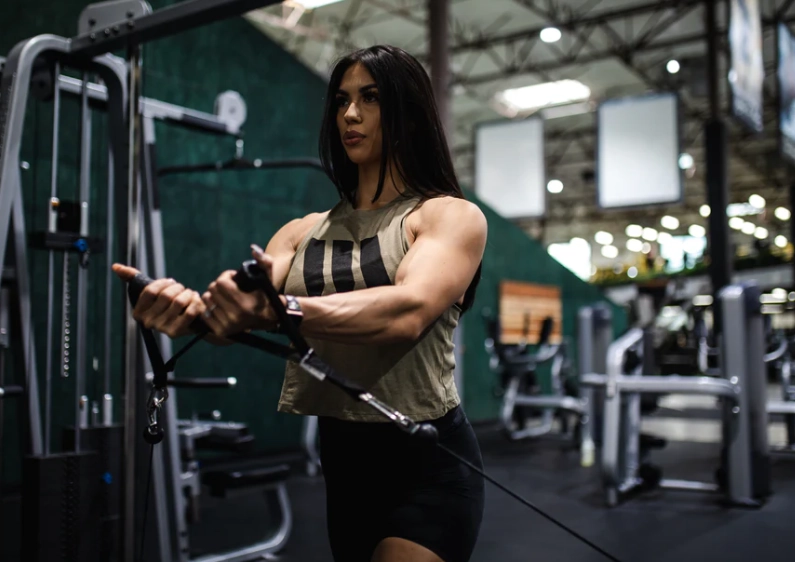
Your Questions, Answered
The journey of female wellness bodybuilding is a long-term investment in your future self. It's less about sculpting a perfect physique for summer and more about building a robust, capable, and vibrant body that supports everything you want to do in life—from playing with your kids or grandkids to pursuing adventurous travel to simply aging with strength and grace. Start with the mindset, apply the framework, be patient, and watch how much more you can become.




Leave a comment