In This Guide
So you want to age gracefully. We hear that phrase all the time, don't we? From magazine covers to skincare ads, it's thrown around like a magic spell. But when you stop and think about it, what does "aging gracefully" actually mean? Is it just about looking young forever? Having no wrinkles? Never getting sick? I think we all know, deep down, that's not it. That's a recipe for frustration and spending a fortune on creams that don't deliver on their wild promises.
Let's be honest. The whole "anti-aging" industry is built on making us fear a natural process. It frames getting older as a problem to be solved, a battle to be fought. Aging gracefully flips that script entirely. It's not about fighting time; it's about collaborating with it. It's about thriving, not just surviving. It's about cultivating a life that feels rich, meaningful, and vibrant at every chapter, even as your body and circumstances inevitably change.
This guide is my attempt to cut through the noise. I've read the studies, talked to people who truly embody this idea, and thought a lot about my own path. I won't give you fluff or impossible standards. This is a practical, grounded look at what it takes to age well in body, mind, and spirit. Forget the clichés. Let's get real.
The Core Idea: Aging gracefully is the conscious practice of optimizing your health, cultivating resilience, and finding deepening satisfaction as you move through the decades. It accepts change while proactively shaping your experience of it.
Redefining the Goal: It's a Holistic Tapestry, Not a Single Thread
If you think aging gracefully is just about your face, you're setting yourself up for disappointment. Our culture is obsessively focused on the visual, but that's just one thread in a much larger tapestry. True grace comes from the weave of many elements.
I remember my great-aunt Eleanor. She had deeply lined hands and silver hair she never dyed. By modern "anti-aging" standards, she looked old. But everyone was drawn to her. She had a curiosity that was infectious—she learned to use a tablet at 78 to video call her grandkids. She gardened, she volunteered, and she had this incredible, warm laugh. She was aging gracefully in the truest sense. Her focus was on engagement, not erasure.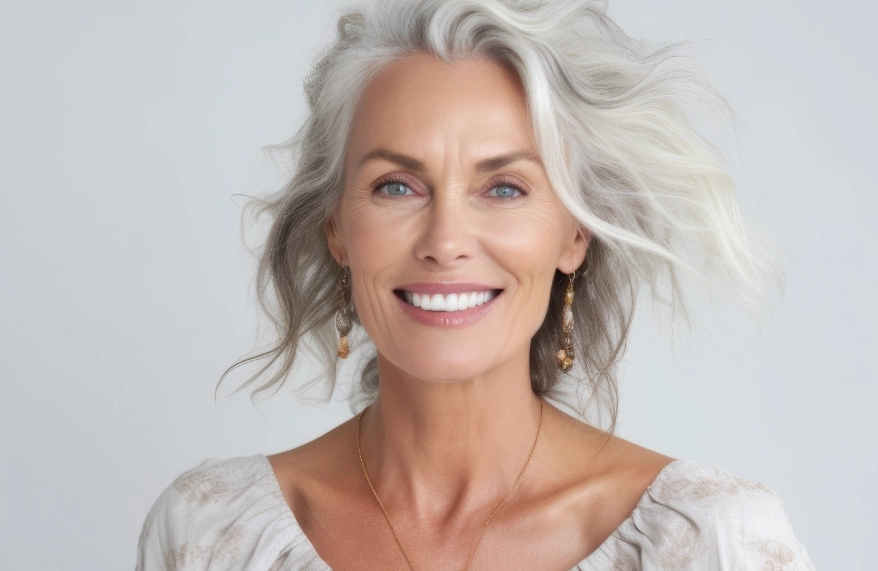
So, let's break down this tapestry. In my view, and backed by a ton of research from places like the National Institute on Aging, graceful aging rests on three interconnected pillars. Neglect one, and the whole structure feels wobbly.
The Physical Pillar: Working With Your Body
This isn't about achieving a 25-year-old's body. It's about maintaining function, strength, and vitality so you can do the things you love for as long as possible. It's practical.
Nutrition That Fuels, Not Just Fills: As metabolism shifts, what you eat becomes even more crucial. It's less about drastic diets and more about consistent, nutrient-dense choices. Think of food as information for your cells.
Here’s a practical list of what to focus on, and honestly, what to ease up on:
- Prioritize Protein: Muscle mass naturally declines with age (sarcopenia). Adequate protein helps combat this. Include a source like fish, legumes, eggs, or lean meat in most meals. The research is clear on this—it's non-negotiable for maintaining strength.
- Embrace Fiber: Great for gut health, which is linked to everything from immunity to mood. Think vegetables, fruits, whole grains, nuts.
- Healthy Fats are Friends: Your brain is mostly fat! Avocados, olive oil, nuts, and fatty fish like salmon support cognitive function and fight inflammation.
- Hydrate, Hydrate, Hydrate: Thirst signals can dull with age. Keep water handy. Herbal teas count too.
- Be Wary of: Excess sugar and ultra-processed foods. They drive inflammation, which is like pouring gasoline on the fires of age-related decline. I'm not saying never have a cookie, but make it the exception, not the rule.
| "Superfood" for Aging Well | Key Nutrient/Property | Why It Matters |
|---|---|---|
| Leafy Greens (Kale, Spinach) | Vitamin K, Folate, Lutein | Supports bone density, cognitive health, and eye health. |
| Berries (Blueberries, Strawberries) | Antioxidants (Anthocyanins) | Fights oxidative stress, may support memory and motor function. |
| Fatty Fish (Salmon, Mackerel) | Omega-3 Fatty Acids (DHA/EPA) | Crucial for brain cell structure, fights inflammation, supports heart health. |
| Nuts & Seeds (Walnuts, Flax) | Healthy Fats, Fiber, Vitamin E | Supports heart health, cognitive function, and skin health. |
| Greek Yogurt / Fermented Foods | Probiotics, Protein, Calcium | Promotes a healthy gut microbiome, supports immunity and bone health. |
Movement is Non-Negotiable, But It Evolves: The goal of exercise completely changes. It's not about burning calories for a beach body. It's about maintaining your independence.
- Strength Training is Top Tier: This is the most powerful tool against sarcopenia. You don't need a heavy barbell. Bodyweight exercises, resistance bands, or light dumbbells 2-3 times a week make a world of difference. The CDC's guidelines for older adults strongly emphasize muscle-strengthening activities.
- Balance Work is Critical: Preventing a fall is one of the biggest health interventions you can make. Practice standing on one foot while brushing your teeth. Try tai chi or yoga—they're fantastic.
- Cardio for Your Engine: Keep your heart and lungs strong. Brisk walking, swimming, or cycling are perfect. Find something you don't hate, so you'll actually do it.
- Listen to Your Body: This is key. Some days, a gentle stretch session is a bigger win than a hard workout. Pain is not gain after a certain point; it's a signal to stop.
Sleep is Your Superpower: Poor sleep wreaks havoc on hormones, recovery, and cognitive function. Prioritize it like your health depends on it—because it does. Create a dark, cool, screen-free sanctuary.
Skin Care: Protection Over Correction: The single most effective thing for your skin? Sunscreen. Every day. Rain or shine. After that, a simple routine with a gentle cleanser and a good moisturizer does more than a cabinet full of expensive serums with miracle claims. Healthy skin is hydrated and protected skin.
The Mental & Emotional Pillar: The Inner Landscape
This, to me, is the secret sauce of aging gracefully. A fit body means little if your mind is anxious or your spirit feels stagnant.
Cultivating Cognitive Resilience: Your brain needs exercise too, but not just crossword puzzles. Novelty and challenge are key.
- Learn Something Actually Hard: A new language, a musical instrument, a complex skill like coding. This builds new neural pathways. It's frustrating and wonderful.
- Read Deeply: Not just scrolling headlines. Get lost in books that make you think.
- Engage in Debate & Discussion: Have real conversations where you might change your mind. It keeps your thinking flexible.

A Personal Aside: I started learning piano in my 40s. I'm terrible. But the focused concentration it requires feels like a mental shower. It has nothing to do with my job or daily tasks. That's the point—it's a fresh challenge for my brain.
Managing Your Emotional Weather: Life accumulates losses—of people, of roles, of certain abilities. Aging gracefully involves learning to navigate this grief without letting it define you.
- Practice Mindfulness or Meditation: It's not about emptying your mind. It's about observing your thoughts without being swept away by them. Resources from places like Mindful.org offer great, science-backed starting points.
- Develop a Gratitude Practice: It sounds cheesy until you try it consistently. Noting a few small good things each day literally rewires your brain to scan for the positive.
- Let Go of Grudges: Carrying resentment is like drinking poison and expecting the other person to get sick. Forgiveness (which is for you, not them) is a massive release of emotional weight.
Your mindset is everything.
Purpose & Connection: The Ultimate Buffer: Studies consistently show that people with strong social ties and a sense of purpose live longer, healthier lives. Loneliness is a health risk on par with smoking.
- Nurture a few deep friendships. Quality over quantity.
- Find a community—a book club, a volunteer group, a faith community, a hiking team.
- Ask yourself: "What can I contribute?" Mentoring, sharing a skill, volunteering at an animal shelter. Feeling needed is a powerful antidote to feeling obsolete.
The Practical & Social Pillar: Setting Up Your Future Self
This is the less glamorous, but utterly essential, side of the equation. Grace under pressure often comes from good planning.
Financial Fluidity: Money stress is toxic at any age. Working with a financial planner to ensure your resources align with your desired lifestyle (which may be simpler than you think) brings immense peace of mind. It's a key part of aging with grace and independence.
Advance Directives & Healthcare Planning: Having a will, a healthcare proxy, and clear directives is not morbid. It's a profound gift to your loved ones and an assertion of your own wishes. It removes so much potential future chaos and conflict.
Adapting Your Environment: This is proactive, not reactive. Could your bathroom use grab bars? Is your home cluttered with trip hazards? Making your living space safer before you need to is a wise move. The National Council on Aging offers great checklists.
Your Questions, Answered Honestly
Putting It All Together: A Realistic Approach
You don't have to do everything at once. That's a sure path to burnout. Pick one small thing from each pillar to focus on this month.
For the Physical Pillar: Maybe it's adding a vegetable to lunch every day, or doing 10 minutes of bodyweight squats and push-ups against the wall twice a week.
For the Mental/Emotional Pillar: Maybe it's deleting social media apps for a weekend, or calling an old friend you miss, or spending 5 minutes in the morning just breathing before you check your phone.
For the Practical Pillar: Maybe it's finally scheduling that appointment with a financial advisor, or ordering a fireproof lockbox for your important documents.
The path to aging gracefully is paved with these small, consistent choices. It's about showing up for your future self with kindness and intention, day after day. It's about letting go of the cultural obsession with youth and embracing the unique strengths that come with experience—wisdom, perspective, and often, a much healthier dose of self-acceptance.
So forget the airbrushed images. Look around at the people who are truly engaged with life, who laugh easily, who keep learning, who handle setbacks with grit. That's the real picture. That's the grace we're after. And it's available to all of us, starting right where we are.


Leave a comment