Look, I get it. The whole anti-aging scene is a mess. One day it's a $500 cream, the next it's some bizarre yoga pose that promises to reverse time. It's exhausting, and frankly, a lot of it is nonsense designed to make you feel insecure so you'll open your wallet. I've been down that rabbit hole – bought the jade rollers, the serums with unpronounceable ingredients, the supplements. Some worked okay, most didn't do a thing.
Your Anti-Aging Roadmap
So let's cut through the noise. What if looking and feeling younger wasn't about chasing miracle cures, but about a handful of simple, consistent habits? That's what these anti-aging tips are really about. It's not about turning back the clock to 25 (wouldn't that be nice?), but about aging well, healthily, and on your own terms. It's about your skin having that glow, your joints not creaking in the morning, and your mind staying sharp. That's the goal.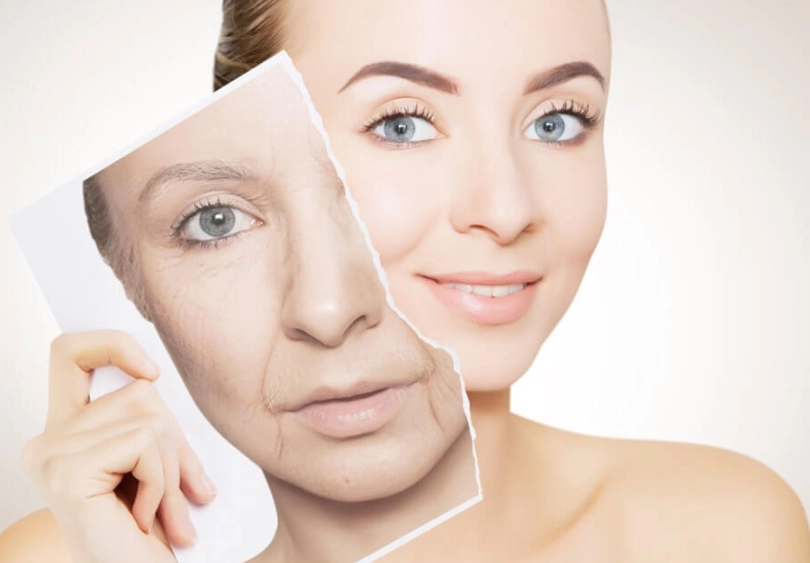
Let's bust a myth right away: Aging is not a disease to be cured. It's a natural process. These tips aren't about fighting that process tooth and nail; they're about supporting your body so the process is as graceful and healthy as possible. Big difference.
The Foundation: It Starts From the Inside
You can slather on all the cream you want, but if you're fueling your body with junk, it's like polishing a car with a rusty engine. The most powerful anti-aging tips begin with what you put inside you.
Food is Your First Defense
Think of food as information for your cells. Sugary, processed foods send signals of inflammation and stress. Whole, colorful foods send signals of repair and vitality. It's that simple.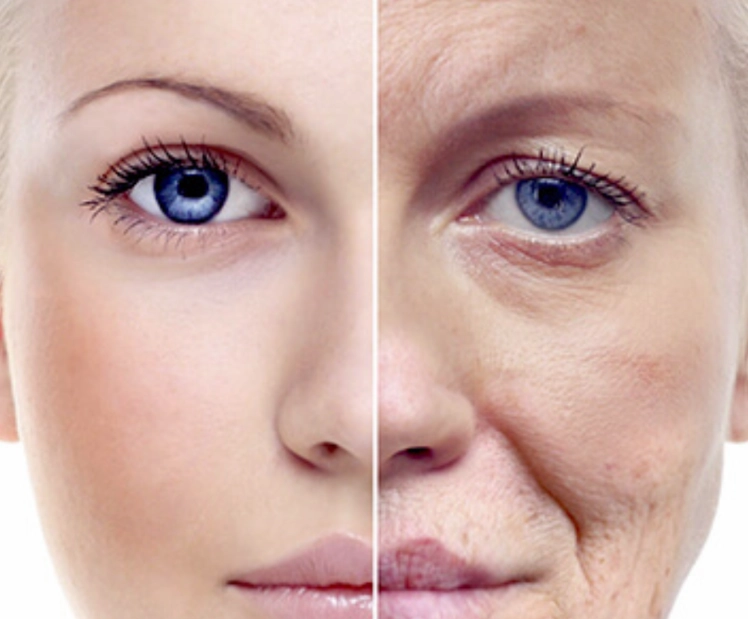
What should you actually eat? Focus on antioxidants. These are the compounds that neutralize free radicals – those pesky molecules that damage your cells and accelerate aging. Where do you find them? Everywhere in nature.
- Color is key: Deeply colored fruits and vegetables are packed with them. Berries (blueberries, strawberries, raspberries), dark leafy greens (spinach, kale), bright oranges and reds (sweet potatoes, bell peppers, tomatoes). The more color on your plate, the better.
- Don't fear (good) fats: Your skin's moisture barrier loves fats. Avocados, nuts (especially walnuts and almonds), seeds (chia, flax), and olive oil keep your skin supple and help your body absorb fat-soluble vitamins. I noticed my skin got less dry and flaky when I started adding half an avocado to my lunch most days. Small change, noticeable difference.
- Protein for structure: Collagen and elastin, the proteins that keep your skin firm and bouncy, need amino acids to build themselves. Get quality protein from sources like fish (salmon is a double win for omega-3s), eggs, legumes, and lean poultry.
I used to skip breakfast or just have toast. Now, I try to have a spinach and berry smoothie with some chia seeds a few times a week. It takes five minutes, and I swear it makes my skin look less tired by midday. It's not magic, it's just better fuel.
And water. Oh my goodness, the simplest of all anti-aging tips – drink water. Your skin is an organ, and it needs hydration to function properly. Dehydrated skin looks dull, shows fine lines more, and just feels blah. Carry a bottle. Sip throughout the day. Herbal teas count too. It's not glamorous, but it works.
The Sugar and Inflammation Problem
This is a big one. Excess sugar in your bloodstream can attach to proteins like collagen in a process called glycation. This creates advanced glycation end products (AGEs – fitting acronym, right?), which make collagen stiff, brittle, and less functional. The result? Loss of elasticity, more wrinkles.
I'm not saying you need to never eat cake again. That's no way to live. But being mindful of added sugars in sauces, drinks, and processed snacks is a massive step. Read labels. That "healthy" yogurt or granola bar can be a sugar bomb. Swapping soda for sparkling water with a squeeze of lemon was a game-changer for me, and my sweet tooth adjusted after a couple of weeks.
Practical Tip: Next time you're grocery shopping, try this. For one week, avoid any packaged food where sugar (or its many aliases like sucrose, high-fructose corn syrup, cane juice, etc.) is in the top three ingredients. You'll be shocked at what you find, and your skin might just thank you.
What You Put On Your Skin: A Simple, Effective Routine
Okay, now let's talk about the outside. The skincare aisle is overwhelming. A hundred serums, a thousand creams. You don't need most of it. A solid, no-fuss routine built on a few proven ingredients is worth more than a cabinet full of trendy products.
Here’s the core of any good anti-aging skincare plan. Think of it as a non-negotiable baseline.
The Holy Grail: Sunscreen
If you take only one anti-aging tip from this entire article, let it be this: Wear sunscreen every single day. Rain or shine, summer or winter. The sun's UV rays are the single biggest external cause of premature skin aging (photoaging). They break down collagen, cause dark spots, and lead to wrinkles. Experts like the American Academy of Dermatology are absolutely unwavering on this point.
Find a broad-spectrum sunscreen with SPF 30 or higher that you actually like wearing. If it feels greasy or pills under makeup, you won't use it. Try a few. Mineral (zinc oxide/titanium dioxide) or chemical filters – both are fine, just pick one you'll apply generously and reapply every two hours if you're outside. I keep one by my front door and one in my bag. No excuses.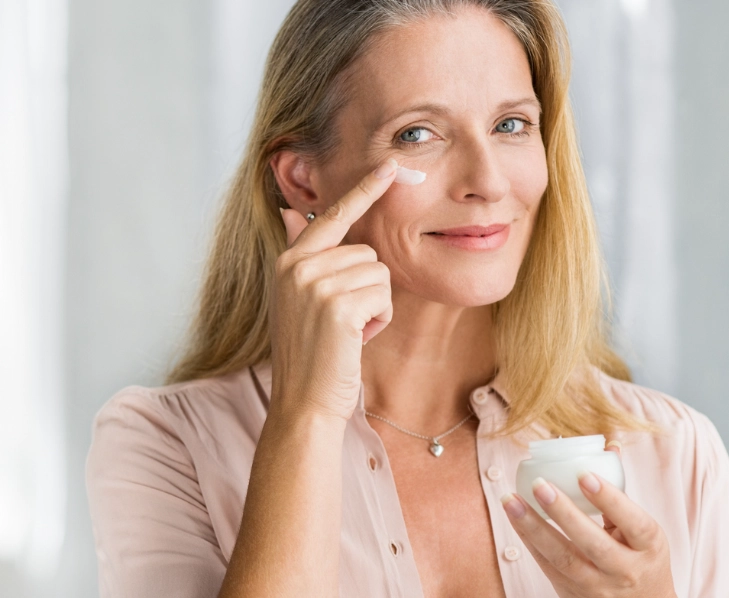
The Power Players: Retinoids and Antioxidants
After sunscreen, these are your best allies.
- Retinoids (Vitamin A derivatives): This is the gold-standard topical ingredient for fighting wrinkles and boosting collagen. Prescription retinoids like tretinoin are strongest, but over-the-counter retinol is a great place to start. It can be irritating at first (redness, peeling), so start slow: a pea-sized amount, 2-3 nights a week, on dry skin, followed by a moisturizer. Consistency over intensity is key here.
- Vitamin C (L-ascorbic acid): A potent antioxidant you wear. It helps fight free radicals from pollution and UV exposure, brightens skin, and can help fade dark spots. Use it in the morning under your sunscreen for a double-protection punch. Look for stable, opaque packaging as it degrades in light and air.
That's really it for actives. A gentle cleanser, a moisturizer to keep your barrier happy, sunscreen, and maybe one or two targeted treatments like retinol or vitamin C. You don't need a 10-step routine. In fact, overdoing it can damage your skin barrier and make things worse. I learned that the hard way with a red, angry complexion after using too many acids at once.
Remember: Your neck and the backs of your hands age too! Extend your skincare (especially sunscreen and moisturizer) down your neck and onto your hands. It's one of the easiest anti-aging tips to forget, but so obvious once you think about it.
Movement, Sleep, and Stress: The Unsung Heroes
This is where the magic happens for how you *feel*, which radiates out to how you look. You can have perfect skin but if you're exhausted and stressed, you won't look or feel youthful.
Move Your Body (But You Don't Have to Live in the Gym)
Regular exercise improves circulation, which delivers oxygen and nutrients to your skin, giving you that post-workout glow. It helps manage stress, improves sleep, and maintains muscle mass and bone density – all crucial for aging well.
The best exercise is the one you'll do consistently. A brisk 30-minute walk most days is fantastic. Yoga or Pilates for flexibility and core strength. Some strength training (bodyweight exercises, resistance bands) to maintain muscle. I mix it up – a walk one day, a YouTube yoga video the next. It doesn't have to be complicated or expensive.
| Type of Movement | Anti-Aging Benefits | Easy Way to Start |
|---|---|---|
| Walking/Brisk Cardio | Boosts circulation, heart health, mood; helps manage weight. | Park farther away, take a 20-min phone-call walk, use stairs. |
| Strength/Resistance Training | Preserves muscle mass, strengthens bones, improves posture (makes you look taller/younger). | Bodyweight squats while brushing teeth, use canned goods as weights, try a beginner resistance band set. |
| Flexibility/Mobility (Yoga, Stretching) | Reduces stiffness, improves balance (preventing falls), reduces stress, promotes better sleep. | 5-minute morning stretch routine, follow a 10-min beginner yoga video on YouTube before bed. |
Sleep is When Your Body Repairs Itself
They don't call it beauty sleep for nothing. During deep sleep, your body goes into repair mode: growth hormone is released (vital for cell repair), collagen production ramps up, and inflammation goes down. Skimp on sleep, and you get puffy eyes, dark circles, a dull complexion, and more cortisol (the stress hormone) floating around.
Aim for 7-9 hours. Create a wind-down routine: dim lights an hour before bed, avoid screens, read a book, take a warm bath. I put my phone on Do Not Disturb and leave it charging in another room. The first few nights were hard, but now I fall asleep faster and wake up feeling more restored.
Manage Your Stress, Seriously
Chronic stress is like aging accelerator fluid. High cortisol levels break down collagen, can lead to weight gain (especially around the middle), disrupt sleep, and just make you feel worn out. Finding ways to manage your stress isn't a luxury; it's a core anti-aging strategy.
What works is personal. For some it's meditation (apps like Headspace or Calm have great starters). For others, it's journaling, gardening, deep breathing for five minutes, or listening to music. It's about finding small pockets of calm in your day. For me, it's literally just making a cup of tea and staring out the window for five minutes without doing anything else. It resets my brain.
Pulling It All Together: A Realistic Plan
This can feel like a lot. Don't try to overhaul your life overnight. That's a recipe for burnout. Pick one thing to focus on for a couple of weeks. Master it. Then add another.
Maybe this month, you just focus on wearing sunscreen every day.
Next month, you add in drinking one more glass of water daily.
The month after, you try going to bed 15 minutes earlier.
Small, sustainable changes compound over time into massive results. That's the real secret. It's not about a quick fix; it's about a lifestyle that supports you.
My own journey wasn't linear. I'd do great for a month, then fall off the wagon during a busy work period. I've learned to be kind to myself and just start again. The goal is progress, not perfection. Some days my anti-aging routine is flawless, other days it's just remembering to put on sunscreen and calling it a win. And that's okay.
The best anti-aging tips are the ones that make you feel good, not deprived or overwhelmed. They should add to your life, not become a source of stress. Listen to your body. Nourish it, protect it, move it, and rest it. The glow – both inside and out – will follow. It's not about chasing youth; it's about embracing vitality at every age.



Leave a comment