Quick Navigation
- Why Bother? The Real Benefits of Fitness After 60 (It's More Than Weight)
- First Steps: How to Start a Senior Fitness Journey Safely
- The Four Pillars of a Balanced Senior Women Fitness Plan
- Let's Get Specific: A Sample Week of Senior Women Fitness
- Fueling Your Strength: Nutrition and Hydration Basics
- The Mind Game: Building a Fitness Mindset That Lasts
- Your Senior Women Fitness Questions, Answered
Let's be real for a second. When you hear "senior women fitness," what pops into your head? Frail ladies doing gentle arm circles in a church basement? Maybe some outdated images from a decades-old magazine?
I need you to forget all of that. Right now.
The conversation around fitness for women over 60 has changed completely. It's not about shrinking yourself or trying to look 30 again. That's a exhausting, pointless game. The real goal, the powerful one, is about building a body that works for you. A body that lets you pick up your grandkids without a second thought, carry groceries from the car, get up from the floor easily after playing, and feel steady and confident on your own two feet.
That's what modern senior women fitness is about. It's functional. It's empowering. And it's absolutely within your reach, whether you haven't exercised in years or you're looking to take your current routine to the next level.
This guide is going to walk you through everything, step by step. We'll ditch the confusion and the intimidating gym jargon. We'll talk about the why, the how, and the what now. You'll find safe exercise ideas, learn how to put together a balanced plan, get straight talk on nutrition, and maybe most importantly, strategies for the mindset that makes it stick.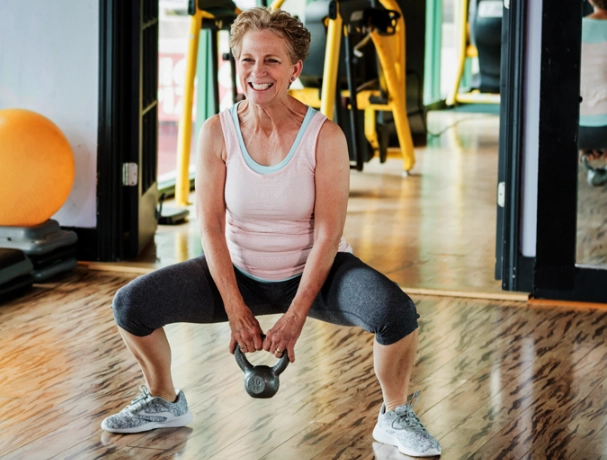
Why Bother? The Real Benefits of Fitness After 60 (It's More Than Weight)
Okay, so why put in the effort? The benefits go so far beyond the number on a scale—though feeling good in your clothes is a nice perk. The research is incredibly clear on this. Regular physical activity is one of the most potent tools we have for healthy aging.
First up, your bones. After menopause, the drop in estrogen accelerates bone loss, raising the risk of osteoporosis. But here's the good news: weight-bearing and muscle-strengthening exercises are like sending a construction crew to your skeleton. They signal your body to lay down new bone, making you more resilient. The National Institute of Arthritis and Musculoskeletal and Skin Diseases (NIAMS) states that exercise is crucial for building and maintaining bone density.
Then there's muscle. We naturally lose muscle mass as we age—a process called sarcopenia. This loss is a big reason why strength declines and metabolism slows. But it's not an inevitable fate! Strength training is the absolute best way to combat this. You can rebuild muscle at any age. It makes every physical task easier and revs up your energy levels.
Your heart and brain get a major boost too. Cardio exercise strengthens your heart muscle, helps manage blood pressure, and improves cholesterol levels. For your brain, exercise increases blood flow and can help stimulate the growth of new brain cells. It's linked to sharper memory, better focus, and may even help reduce the risk of cognitive decline. The Centers for Disease Control and Prevention (CDC) outlines how regular activity helps prevent and manage a host of chronic diseases common in later years.
And let's not forget the mental wins. Exercise is a proven mood lifter. It reduces stress, anxiety, and symptoms of depression. Finishing a workout, even a short one, gives you a real sense of accomplishment. That confidence spills over into everything else.
So when we talk about senior women fitness, we're really talking about building a foundation for a vibrant, active, and independent life. It's about quality of life, plain and simple.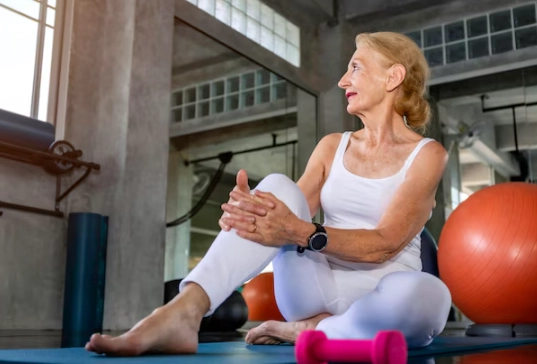
First Steps: How to Start a Senior Fitness Journey Safely
Starting is often the hardest part, especially if you're worried about getting hurt or feeling out of place. Let's break down those barriers.
1. The Chat with Your Doctor. I know, it sounds like a broken record. But it's non-negotiable. Before you start any new fitness program, have a conversation with your healthcare provider. This is especially important if you have any existing conditions like heart issues, arthritis, high blood pressure, or osteoporosis. Tell them what you want to do. They can give you the green light and might even have specific recommendations or precautions. It's not about getting permission to be inactive; it's about getting a roadmap for being active safely.
2. The Honest Assessment. Take stock of where you are right now. No judgment. Can you walk for 10 minutes without getting winded? Can you get out of a low chair without using your arms? How's your balance—can you stand on one foot while putting on a shoe? This isn't about what you can't do; it's about establishing a baseline so you can celebrate progress later. A great resource is the American Council on Exercise (ACE) exercise library, which has filters for beginner and senior-friendly movements.
3. Set a "Why" That Sticks. "I should get in shape" is vague and forgettable. Get specific. "I want to be strong enough to lift my new grandson." "I want to walk around the botanical gardens with my friends without needing constant breaks." "I want to feel less stiff when I get out of bed in the morning." Write it down. Put it on the fridge. A powerful "why" will pull you through on days when motivation is low.
4. Find Your Tribe or Your Space. Do you thrive in a social group, or do you prefer solo time? For classes, check out local community centers, YMCAs, or gyms that offer classes specifically for older adults (often called "Silver Sneakers," "Active Older Adults," etc.). The instructor should be trained in senior fitness. If you prefer home workouts, that's fantastic too. Clear a little space in the living room, get a sturdy chair, and maybe a set of light dumbbells or resistance bands. YouTube has countless free senior women fitness channels—just look for certified trainers.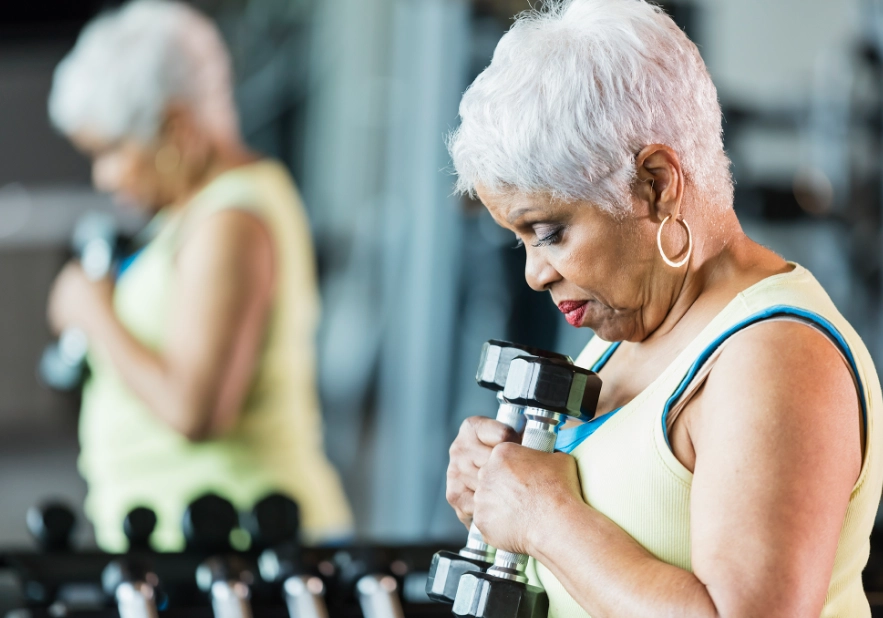
The Four Pillars of a Balanced Senior Women Fitness Plan
A well-rounded routine is key. You can't just do one thing and expect all the benefits. Think of it like a sturdy table—it needs four legs. Your fitness plan needs these four components to be truly effective and sustainable.
| Pillar | What It Is | Key Benefits for Senior Women | How Often & Examples |
|---|---|---|---|
| Aerobic (Cardio) | Activities that get your heart rate up and make you breathe harder. | Boosts heart & lung health, improves mood, aids weight management, increases stamina for daily tasks. | Aim for 150 mins/week of moderate activity. Brisk walking, swimming, cycling, dancing, water aerobics. |
| Strength Training | Using resistance to challenge your muscles. | Builds & maintains muscle mass, strengthens bones, boosts metabolism, protects joints, makes daily lifting easier. | Aim for 2+ days/week. Bodyweight exercises (squats, push-ups against a wall), dumbbells, resistance bands, weight machines. |
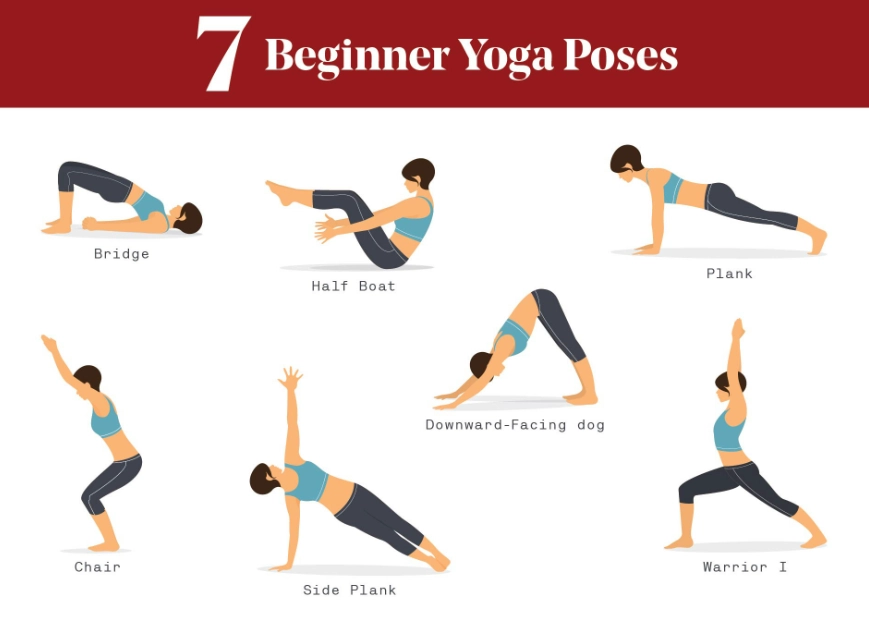
| Balance Training | Exercises that improve your stability and prevent falls. | Critical for fall prevention, improves coordination, builds confidence in movement. | Integrate daily or 3+ days/week. Heel-to-toe walk, standing on one foot, tai chi, yoga poses. |
| Flexibility & Mobility | Stretching and moving joints through their full range. | Reduces stiffness, improves posture, decreases injury risk, makes movement more comfortable. | Aim for daily, especially after workouts. Gentle stretching, yoga, dynamic stretches like arm circles. |
See how they all work together? Strength training makes your legs powerful, balance training helps you control that power on one foot, cardio gives you the endurance to stay active, and flexibility keeps everything moving smoothly. Neglecting one pillar makes the whole structure wobblier.
Let's Get Specific: A Sample Week of Senior Women Fitness
All this theory is great, but what does it actually look like in a busy week? Here are two sample schedules—one for a true beginner, and one for someone who's been at it for a few months and wants to level up.
Sample Week for Beginners (First 4-6 Weeks):
- Monday: 15-minute brisk walk (Cardio) + 10 minutes of gentle full-body stretches (Flexibility).
- Tuesday: Rest or very light activity (like gardening).
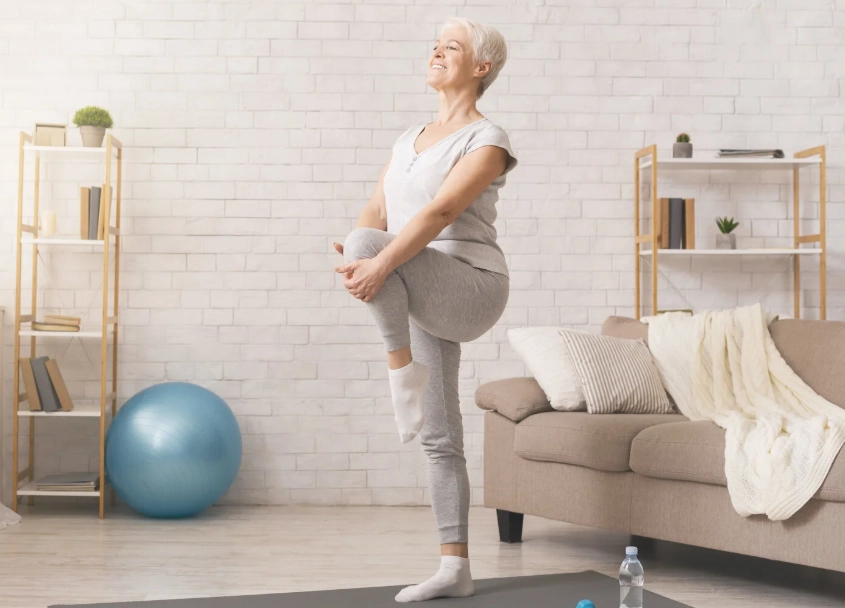
- Wednesday: 20-minute beginner strength circuit: Seated leg lifts (2 sets of 12), wall push-ups (2 sets of 10), seated rows with a resistance band (2 sets of 12). Follow with balance practice: hold onto a counter and practice standing on one leg for 20 seconds each side.
- Thursday: Rest.
- Friday: 20-minute walk (Cardio) or a gentle online seated cardio video.
- Saturday: 15-minute "movement snack": a few stretches, some standing marches, heel raises. Focus on feeling good.
- Sunday: Rest.
Sample Week for the "Ready for More" Group:
- Monday: 30-minute moderate-intensity cardio (e.g., faster walking with hills, cycling, dance class).
- Tuesday: Full-body strength training: Chair squats (3x10), bent-over rows with dumbbells (3x10), standing overhead press (3x10), glute bridges (3x12). Finish with 5 minutes of balance work (tandem walk).
- Wednesday: Active Recovery: 30-minute leisurely walk or gentle yoga/stretching session.
- Thursday: 25-minute cardio interval session (e.g., 3 mins brisk walk, 1 min slower pace, repeat).
- Friday: Strength training focus on legs & core: Lunges (holding a chair) (3x8 each side), seated band pull-aparts (3x15), planks (from knees, 3 holds for 20 seconds).
- Saturday: Fun activity! Swimming, a long nature hike, gardening, pickleball.
- Sunday: Rest or light stretching.
Fueling Your Strength: Nutrition and Hydration Basics
You can't build a strong house with poor materials. The same goes for your body. Senior women fitness isn't just about the movement; it's about what you use to fuel and repair yourself.
Protein is the star player. It's the building block for muscle repair and growth. As we age, our bodies become less efficient at using protein, so we need more of it. Aim to include a good source of protein at every meal. This doesn't mean giant steaks. Think Greek yogurt with berries, eggs, chicken, fish, beans, lentils, tofu, or a handful of nuts.
A common mistake I see? Skimping on protein at breakfast and lunch, then wondering why energy flags in the afternoon. A breakfast of just toast and jam will leave you hungry and won't support muscle. Try adding an egg or some nut butter.
Hydration is non-negotiable. Our sense of thirst diminishes with age, so it's easy to become dehydrated without realizing it. Dehydration leads to fatigue, dizziness, and can severely impact your workout performance and recovery. Keep a water bottle with you. Sip throughout the day. If you find plain water boring, infuse it with cucumber, lemon, or mint. Herbal teas count too.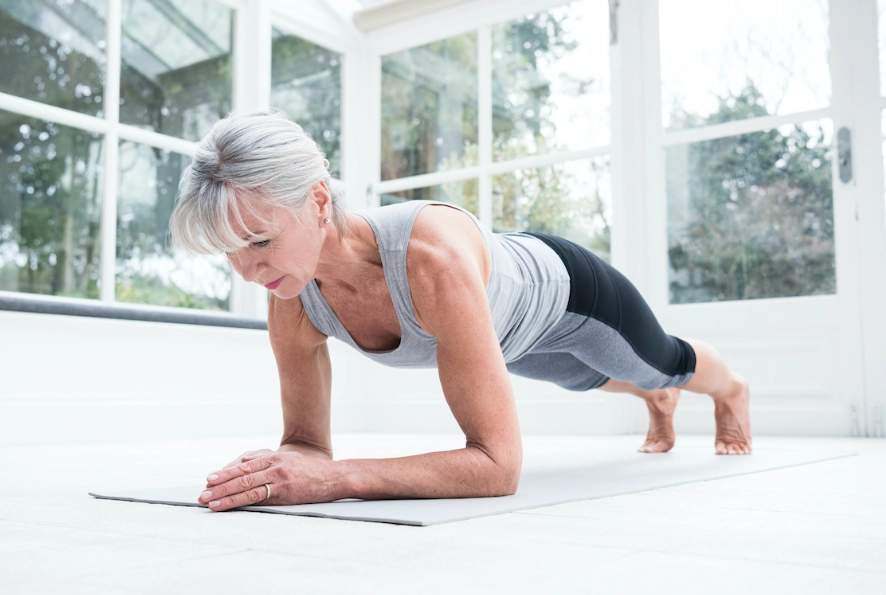
And for bone health, keep an eye on Calcium and Vitamin D. Vitamin D, in particular, is crucial for calcium absorption and muscle function. Many older adults are deficient. The National Institutes of Health (NIH) Office of Dietary Supplements provides detailed information on sources and recommended intakes. Talk to your doctor about whether a supplement is right for you.
The Mind Game: Building a Fitness Mindset That Lasts
This might be the most important section. Because you can have the perfect plan, but if your head isn't in the game, it won't last. Let's talk mindset.
Progress, Not Perfection. Some days you'll feel amazing and crush your workout. Other days, you might only manage a 10-minute walk. Both days count. Consistency over time is what creates change, not any single workout. Did you move your body with intention today? That's a win. Log it. A simple checkmark on a calendar can be incredibly motivating.
Compare You to You. This is huge. The fitness journey of a senior woman is uniquely her own. Don't look at the person next to you in class or some influencer online. Compare yourself to the you of last month. Can you do one more squat? Walk a little faster? Hold a balance pose a few seconds longer? That's real progress. Celebrate those micro-wins.
Listen to Your Body (Really Listen). There's a difference between the discomfort of working hard and the sharp pain of injury. Muscle fatigue is normal. A sharp pain in a joint is a signal to stop. It's okay to modify every single exercise. Can't do a full push-up? Do them against the wall. Can't do a lunge? Do a step-up onto a low stair. There is always a regression. An experienced trainer will always offer options.
Find the Joy. If you hate running, for goodness sake, don't run! There are a million ways to move. Try different things until you find something you don't totally dread. Maybe it's swimming, maybe it's line dancing, maybe it's strength training while watching your favorite show. When it's somewhat enjoyable, you'll keep coming back.
It's a practice, not a test.
Your Senior Women Fitness Questions, Answered
I get a lot of the same questions from women starting out. Let's tackle some of the big ones head-on.
What's the single best exercise for senior women?
Trick question! There isn't one "best" exercise. But if I had to pick a category to prioritize, it would be strength training. It addresses so many of the key challenges of aging—muscle loss, bone density, metabolism, balance—all at once. Within that, compound movements that work multiple muscle groups are super efficient. Think squats (sitting to standing from a chair), rows, and pushes.
I have arthritis/knee pain/back issues. Can I still exercise?
In most cases, yes, and you probably should. Movement is often medicine for joint pain. The key is choosing the right activities. Low-impact cardio like swimming, cycling, or using an elliptical is often easier on joints. Strength training the muscles around a painful joint (like your quads for knee support) can actually reduce pain and improve function. Always work with your doctor or a physical therapist to find safe movements. Start very gently.
How do I know if I'm working hard enough?
The "Talk Test" is a great, simple guide. During moderate-intensity cardio (like a brisk walk), you should be able to talk in full sentences, but not sing. For strength training, the last two reps of a set should feel challenging. You shouldn't be in pain, but you should feel your muscles working. If you can easily do 15 reps without feeling much, it's time to increase the resistance (a heavier band or dumbbell).
What should I wear for my workouts?
Comfort and support are key. A good, supportive pair of shoes is the #1 investment—go to a specialty store if you can. For clothing, choose breathable, movable fabrics. Layers are great so you can adjust as you warm up. Don't feel pressured to wear trendy workout gear. Old t-shirts and comfy pants are perfectly fine. The goal is to move without restriction.
I get bored easily. How do I stay motivated?
Mix it up! Boredom is a plan-killer. Don't do the same walk every day. Try a new route. Follow a different YouTube instructor each week. Sign up for a one-time class to try something new (like tai chi or pickleball). Find a "fitness buddy" for accountability—even if you don't workout together, you can check in on each other's goals. And revisit your powerful "why" from the beginning.
So, where do you start? Today. Right now. Put on your shoes and take a 10-minute walk around the block. Do two sets of standing up and sitting down from your kitchen chair slowly and with control. That's it. You've begun your senior women fitness journey.
The path to getting stronger isn't a straight line. There will be days off, setbacks, and questions. But every single bit of movement adds up. You're not just building muscle; you're building resilience, confidence, and a stronger version of yourself for all the years to come.
That's worth the effort.

Leave a comment