Quick Guide
Let's talk about something that doesn't get enough airtime. When we hear "stroke," many of us picture an older man clutching his chest. The reality? Stroke hits women harder. More women die from stroke each year than men. And the reasons aren't just about age or bad luck—they're woven into the very biology of being female. I remember chatting with my friend Sarah a few years back. Fit, early 40s, ate well. She had a mini-stroke (a TIA) out of the blue. Her doctor said her birth control pills, combined with a hidden migraine condition she didn't even fully recognize, created a perfect storm. That was my wake-up call. Stroke prevention in women isn't a one-size-fits-all game. It's a tailored suit, and if you don't know your measurements, it won't fit.
This isn't meant to scare you. Knowledge is power, right? The goal here is to move from a vague worry to a clear, actionable plan. We're going to dig into the stuff that often gets glossed over in general health articles—the female-specific risks, the life stages that matter, and the real-world steps that actually move the needle. Forget just "eat better and exercise." We're going deeper.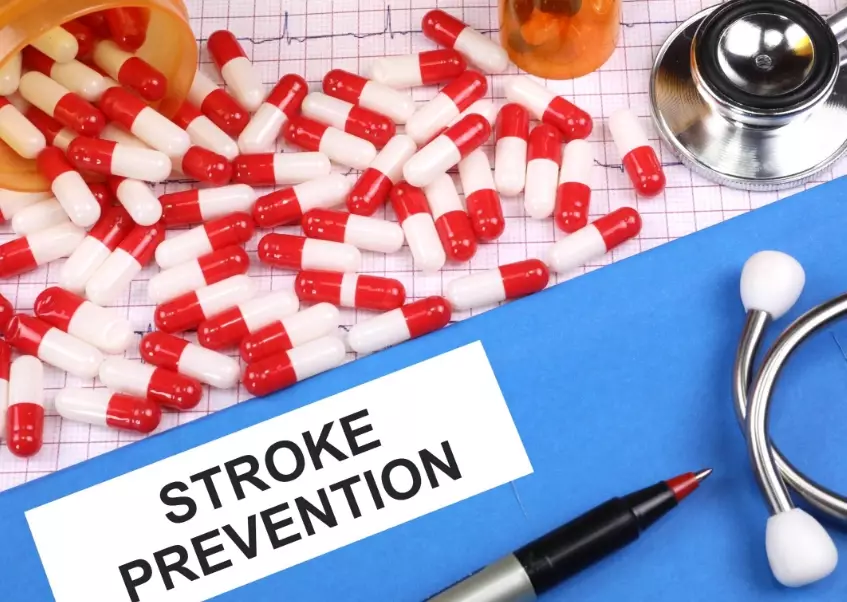
The Core Idea: Effective stroke prevention in women requires understanding unique female biology. It's not just about managing universal risks like blood pressure; it's about navigating pregnancy, hormones, and autoimmune tendencies that men simply don't face in the same way.
The Female Factor: Why Women Are Uniquely at Risk
So why the disparity? It's not that women are less healthy. It's that the playing field is different. Our hormones, primarily estrogen, play a dual role. They're protective for a long time, which is why pre-menopausal women generally have lower stroke risk than men of the same age. But that relationship is complex and can flip under certain conditions.
Then there's pregnancy. It's a massive physiological stress test. Conditions like preeclampsia (high blood pressure during pregnancy) don't just vanish after delivery. They leave a lasting mark, signaling a higher lifetime risk of stroke and heart disease. Think of it as your body's early warning system, flashing a red light years before a potential problem. I've spoken to cardiologists who say a woman's pregnancy history is one of the most critical pieces of information for assessing her future vascular risk, yet it's often overlooked in routine check-ups.
And let's not forget lifespan. Women live longer, and age is the single biggest non-modifiable risk factor for stroke. More years alive means more time for other risk factors to accumulate and do their damage. But waiting until old age to think about this is missing the point entirely. The foundation is laid decades earlier.
Risk Factors: The Controllable vs. The Uncontrollable
It's helpful to split these into two buckets. The uncontrollable ones are about awareness. The controllable ones are about action.
| Risk Factor | Category | Why It Matters for Women | What You Can Do |
|---|---|---|---|
| Pregnancy Complications (Preeclampsia, Gestational Diabetes) | Female-Specific & Uncontrollable (the event itself) | Doubles or triples future stroke risk. It's a major red flag. | Post-pregnancy vigilance. Treat it as a lifelong cue for aggressive heart-health monitoring. |
| Menopause & Hormone Therapy | Female-Specific & Partially Controllable | Natural drop in estrogen removes a protective effect. Certain hormone therapies can increase clot risk. | Discuss timing, type, and duration of any hormone therapy meticulously with your doctor. Non-hormonal management of symptoms is often safer. |
| Migraines with Aura | More Common in Women & Uncontrollable | Especially when combined with smoking or certain birth control, risk increases significantly. | Avoid smoking absolutely. Discuss migraine-safe contraceptive options. |
| Autoimmune Diseases (Lupus, RA) | More Common in Women & Uncontrollable | Chronic inflammation damages blood vessels over time. | Aggressive management of the autoimmune condition is itself a form of stroke prevention. |
| Atrial Fibrillation (AFib) | Universal, But More Deadly in Women | Women with AFib have a higher stroke risk than men with AFib and are more likely to be undiagnosed. | Know the symptoms (palpitations, shortness of breath) and insist on screening if concerned. |
| Mental Stress & Depression | Universal, But Higher Prevalence in Women | Chronic stress elevates blood pressure and inflammation. Depression is linked to poorer health behaviors. | Prioritize mental health care. It's not a luxury; it's cardiovascular medicine. |
Looking at that table, you can see the theme. For women, stroke prevention often means managing a layer of gender-specific risks on top of the standard ones. Ignoring that layer is like securing the front door but leaving the back door wide open.
Your Action Plan: Lifespan Strategies for Stroke Prevention
Okay, so what do you actually do with this information? Let's break it down by life stage, because a 25-year-old's strategy will look different from a 55-year-old's, even though the core principles are the same.
In Your 20s and 30s: Building the Foundation
This is the time for prevention in the truest sense. You're setting habits that will last decades.
Birth Control Choices: This is a big one. Combined oral contraceptives (the ones with estrogen) are generally safe for healthy, non-smoking young women. But the equation changes if you have high blood pressure, migraines with aura, or smoke. In those cases, the stroke risk goes up. The key is full disclosure to your doctor. Progestin-only pills, IUDs, or implants are often safer alternatives from a stroke prevention in women perspective when these risk factors are present. It's a conversation worth having in detail.
Pregnancy as a Health Check: View pregnancy as a metabolic stress test. If you develop preeclampsia or gestational diabetes, file that away. It means you need to be proactive about heart health screenings earlier than your peers. Get your blood pressure, cholesterol, and blood sugar checked regularly after pregnancy, even if you feel fine.
Pro Tip: Start monitoring your blood pressure at home occasionally in your 30s. You can get a decent automated cuff for not much money. This establishes your personal baseline and can catch creeping hypertension early, which is a silent killer.
In Your 40s and 50s: Navigating the Transition
Perimenopause and menopause hit here. This is a critical window.
The Hormone Therapy Decision: This is incredibly personal and nuanced. The old fear from the early 2000s has been refined. For most healthy women under 60 who are within 10 years of menopause start, short-term hormone therapy to manage severe symptoms is considered low-risk for stroke. The problems arise with older women starting therapy or using it for very long periods. The type matters too—transdermal patches/gels may have a lower clot risk than pills. The absolute rule? Have this talk with a clinician who is up-to-date on the latest research, not just a general doc. Don't let a friend's anecdote or a scary old headline be your guide.
Metabolic Check-Up Time: This is when insulin resistance often starts to creep in. Your metabolism isn't what it was at 25. It's time to get serious about diet quality, not just calorie quantity. Reducing added sugars and refined carbs becomes crucial for keeping blood sugar and triglycerides in check. Strength training becomes non-negotiable to preserve muscle mass and metabolic rate.
I have to be honest, the messaging around menopause is terrible. It's either "suffer through it" or "take this pill." There's little good info on the middle ground—using lifestyle as the first line of defense to ease the transition and protect your vessels. Things like consistent exercise, which helps with hot flashes and mood and blood pressure, are triple wins.
In Your 60s and Beyond: Vigilance and Management
By now, the goal shifts slightly from pure prevention to aggressive management and early detection.
Atrial Fibrillation Awareness: AFib risk skyrockets with age. The symptoms in women can be subtle—fatigue, shortness of breath, rather than dramatic heart pounding. You might just feel "off." Since women with AFib have a worse stroke risk profile, knowing the signs and getting an ECG if you're suspicious is vital. Sometimes, checking your own pulse for irregularity can be a first clue.
Medication Adherence: If you're on medications for blood pressure, cholesterol, or diabetes, taking them consistently is one of the most powerful things you can do. I know, it's a pain. Pill fatigue is real. But the data is unequivocal: letting these numbers drift upward silently is where the danger lies. Set a daily alarm, use a pill box, do whatever it takes.
Red Flag: Never stop a medication like a blood pressure pill because you "feel fine." High blood pressure is called the silent killer for a reason. You feel fine until you don't.
The Lifestyle Toolkit: What Actually Works
Beyond the life-stage stuff, let's talk daily habits. The boring stuff. But let's frame it in a way that's specific to the mechanisms that lead to stroke.
Diet: Stop thinking "diet" and start thinking "eating pattern." The goal is to reduce inflammation and keep your blood vessels flexible. The Mediterranean diet isn't a fad; it's the most studied and proven pattern for this. It's not about olive oil alone. It's the combination of plants (fruits, veggies, nuts, beans), fish, whole grains, and limiting processed junk. Potassium-rich foods (bananas, spinach, sweet potatoes) help balance sodium and lower blood pressure. Magnesium (nuts, seeds, leafy greens) is involved in hundreds of processes, including blood pressure regulation. Focus on adding good stuff, and the bad stuff naturally gets crowded out.
Exercise: You need both. Cardio (brisk walking, swimming, cycling) strengthens your heart and improves blood flow. It helps keep your arteries elastic. Strength training (lifting weights, resistance bands) isn't just for looks. Muscle is metabolically active tissue. It helps you manage blood sugar better, which protects your small blood vessels. Aim for 150 minutes of moderate cardio per week (that's 30 minutes, 5 days a week) and two sessions of strength training. And no, carrying groceries doesn't fully count. You need to challenge your muscles to fatigue.
Sleep & Stress: These are the underrated pillars. Chronic poor sleep messes with your hunger hormones, raises cortisol (a stress hormone that increases blood pressure), and promotes inflammation. Sleep apnea, which becomes more common after menopause, is a major independent risk factor for stroke. It's not just snoring; it's your brain being starved of oxygen hundreds of times a night. If you're told you snore loudly and you wake up tired, get it checked.
Stress management isn't about spa days (though those are nice). It's about daily micro-practices that lower your sympathetic nervous system's constant "fight or flight" tone. Deep breathing for five minutes, a short walk in nature, mindfulness—these aren't fluffy. They measurably lower blood pressure and inflammation markers. Your nervous system directly talks to your cardiovascular system.
Answering Your Top Questions on Stroke Prevention in Women
I get a lot of questions on this topic. Here are the ones that come up again and again.
1. Annual checks of blood pressure and cholesterol.
2. Screening for diabetes every 3 years, or more often if other risks exist.
3. Being extra vigilant about lifestyle factors. Consider working with a cardiologist or primary care doctor who understands this link. The Eunice Kennedy Shriver National Institute of Child Health and Human Development has resources on long-term follow-up.
- Hiccups that won't stop.
- Nausea or vomiting.
- General weakness (not just on one side).
- Shortness of breath.
- Chest pain.
- Disorientation or confusion.
- Loss of consciousness or fainting.
The problem is, these can be mistaken for other things. If something is suddenly and severely wrong, and it's not your normal, think stroke. Don't talk yourself out of it.

Putting It All Together: Your Personal Checklist
This is a lot of information. Let's simplify it into a starting point. Don't try to do everything tomorrow. Pick one or two things to focus on.
Your Stroke Prevention in Women Starter List:
- Know Your Numbers: Get your blood pressure, cholesterol (full lipid panel), and blood sugar (A1C) checked. Know what they are and what the targets are for you.
- Review Your Reproductive History: With your doctor, discuss any relevant history (preeclampsia, gestational diabetes, PCOS, menopause symptoms) and how it impacts your current risk plan.
- Audit Your Medications: Review all hormones (birth control, HRT) and any supplements with a healthcare provider in the context of stroke risk.
- Move Daily: Build in both sweating and strengthening. Find something you don't hate.
- Upgrade One Meal: Add one extra vegetable serving a day. Swap a processed snack for nuts or fruit.
- Sleep & Stress: Prioritize 7-8 hours of sleep. Try a 5-minute breathing exercise (inhale 4 counts, hold 4, exhale 6) when stressed.
- Know the Signs: Review the stroke symptoms, both classic and atypical, with your family. Time is brain.
The path to effective stroke prevention in women is ongoing. It's not a destination you reach and then forget about. It's a series of daily choices, informed by an understanding of your own body's unique story. It's about partnership with a good healthcare team. And it's about rejecting the notion that stroke is just an inevitable part of aging, especially for women. You have more control than you think, and it starts with paying attention to the specifics we've talked about here.
For the deepest dive into the latest research and guidelines, always refer to authoritative sources like the American Stroke Association or the National Institute of Neurological Disorders and Stroke. They are the gold standard.
Start somewhere. Today.



Leave a comment