So, you're 47. Maybe your period's acting strange—showing up two weeks early, or going AWOL for a couple of months. Maybe you're waking up drenched in sweat, or you snapped at your partner for leaving a cup in the sink and felt a surge of guilt. Let's cut to the chase: what you're experiencing is almost certainly perimenopause, the lead-up to menopause. And 47? That's right in the sweet spot. The average age for menopause is 51, but the transition, with all its hallmark symptoms, often kicks off in the mid-to-late 40s.
This isn't about disease or decline. It's a natural biological shift. But knowing that doesn't make the night sweats less annoying or the brain fog less frustrating. The goal here isn't just to list symptoms you can find anywhere. It's to explain why they're happening specifically now, at 47, and give you actionable, nuanced strategies that go beyond the standard "wear layers" advice. We'll talk about what most articles miss—the subtle connections between symptoms, the common mistakes that make things worse, and how to advocate for yourself in a doctor's office.
What's Inside This Guide
Why 47 is a Prime Time for Symptoms
Think of your ovaries like a finite stash of eggs and hormonal command centers. By 47, that stash is running low. The real driver of symptoms isn't just low estrogen—it's the wild, unpredictable fluctuation of hormones, primarily estrogen and progesterone, as your body tries to ovulate with fewer resources.
One month, your estrogen might spike high (causing breast tenderness, heavy periods), then crash (triggering a hot flash). Progesterone, which stabilizes your cycle and mood, often drops first and fastest. This imbalance is the root of so much chaos. It's not a smooth decline; it's a hormonal rollercoaster, and 47 is often when the ride gets bumpy enough that you really start to notice.
Genetics play a role (ask your mom when she started), but lifestyle factors you've accumulated by 47—chronic stress, sleep patterns, diet—can intensify how you experience this shift. The body you've had for decades is entering a new operational phase.
The 47-Year-Old Symptom Deep Dive
At 47, symptoms rarely come alone. They travel in packs and influence each other. Here’s a breakdown of what’s likely happening, moving beyond simple definitions.
| Symptom | What It Feels Like at 47 | Why It's Common Now | One Immediate Relief Tip |
|---|---|---|---|
| Irregular Periods | Cycles shortening to 24 days, then skipping a month. Flow can be shockingly heavy or very light. You might pass large clots. | Erratic ovulation leads to irregular progesterone production, affecting the uterine lining. | Track your cycle with an app. Knowing a pattern (or lack thereof) reduces anxiety and helps you plan. |
| Hot Flashes & Night Sweats | A sudden, intense heat spreading from your chest up to your face, lasting 1-5 minutes. Night sweats can drench your pajamas and disrupt sleep. | Your hypothalamus (body's thermostat) gets confused by fluctuating estrogen. | Keep a small spray bottle of water in the fridge. A quick spritz on the face and chest can short-circuit a flash. |
| Sleep Problems | Not just from night sweats. Trouble falling asleep, or waking at 3 a.m. with a racing mind, unable to drift back off. | Falling progesterone reduces its natural sedative effect. Cortisol rhythms can also become dysregulated. | Try "4-7-8" breathing: inhale for 4, hold for 7, exhale for 8. It signals your nervous system to calm down. |
| Mood Swings & Anxiety | Irritability that feels out of character. A low-grade anxiety humming in the background. Tearfulness over minor things. | The brain has estrogen receptors. Fluctuations directly impact serotonin and GABA, neurotransmitters that regulate mood. | Name it. Say, "This is my hormones talking, not my reality." It creates a tiny bit of mental distance. |
| Brain Fog | Walking into a room and forgetting why. Struggling to find a common word. Feeling mentally sluggish. | Estrogen supports memory and cognitive processing. The dips and spikes disrupt neural pathways. | Carry a small notebook or use a notes app. Offload your to-dos and thoughts to free up mental RAM. |
| Vaginal Dryness | Discomfort or pain during sex. Itching, dryness, or more frequent urinary tract infections. | Declining estrogen thins and dries vaginal tissues and affects the urinary tract lining. | Don't suffer in silence. Over-the-counter, long-acting vaginal moisturizers (not just lubricants) can be a game-changer. |
And then there are the less-talked-about ones: joint aches that feel like you're rusting, hair thinning, a change in body odor, or a sudden onset of heart palpitations that send you to Google in a panic (they're usually benign but always get them checked).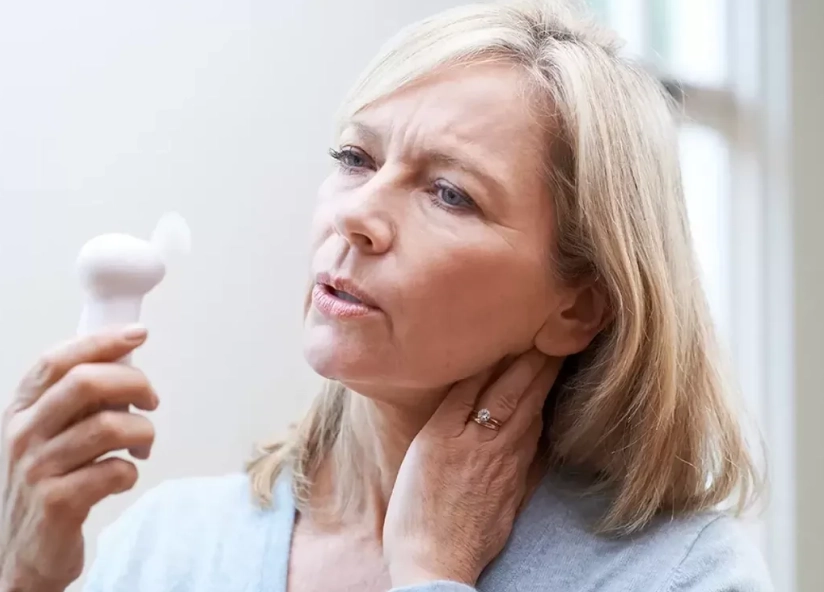
A Non-Consensus Point: Many women blame themselves for the weight gain around the middle that often starts now. But it's not just about diet and exercise slowing down. The hormonal shift actively changes where your body stores fat, moving it from hips and thighs to the abdomen. Fighting this requires a shift in strategy—less focus on the scale, more on strength training to preserve metabolism and manage insulin sensitivity, which becomes more crucial.
Real-World Managing Strategies That Work
Management at 47 is about layering strategies. What works for your friend may not work for you. It's a process of tuning into your own body.
Lifestyle Adjustments: The Non-Negotiables
These aren't just nice-to-haves; they're foundational.
- Sleep Hygiene: This is your top priority. A cool, dark room is essential. Consider a moisture-wicking mattress pad. If you wake up, don't look at your phone. The blue light tells your brain it's morning.
- Diet Tweaks: It's less about drastic diets and more about timing and balance. Eat protein with every meal to stabilize blood sugar (mood and energy crashes). Seriously limit caffeine after noon—it can trigger hot flashes hours later. Reduce alcohol; it's a major flash trigger and disrupts sleep architecture.
- Movement: You don't need marathon training. Regular, moderate exercise (brisk walking, swimming, yoga) is proven to reduce the frequency and severity of hot flashes and improve mood. Strength training twice a week is critical for bone density and metabolic health.
- Stress Management: This is where I see the biggest gap. Chronic stress depletes progesterone. Ten minutes of mindfulness, deep breathing, or even just sitting quietly can lower cortisol and make a tangible difference in symptoms.
Medical and Supplemental Support
Don't be afraid to seek help. The North American Menopause Society is a great resource for finding a certified practitioner.
- Hormone Therapy (HT): For healthy women under 60 within 10 years of menopause onset, the benefits often outweigh the risks for relieving moderate-to-severe symptoms. It's not one-size-fits-all. Low-dose transdermal (patch/gel) estrogen is considered the safest for many. A conversation with a knowledgeable doctor is key.
- Non-Hormonal Medications: Certain low-dose antidepressants (SSRIs/SNRIs) like venlafaxine or paroxetine can significantly reduce hot flashes and mood swings, even if you're not depressed.
- Supplements: Tread carefully. Look for brands with third-party verification (USP, NSF). Some find relief with:
Black Cohosh: May help with hot flashes, but studies are mixed.
Magnesium Glycinate: Can improve sleep quality and reduce muscle tension.
Vitamin D: Crucial for bone and immune health; many are deficient.
Always tell your doctor what you're taking.
What Most Women Get Wrong (And How to Fix It)
I've coached hundreds of women through this. The most common pitfalls are subtle.
Mistake 1: Treating each symptom in isolation. You take magnesium for sleep, an herb for hot flashes, and see a therapist for anxiety. But if you don't address the root—the hormonal instability and the lifestyle factors fueling it—you're just playing whack-a-mole. The fix: Look for connections. Did poor sleep lead to worse anxiety and more flashes the next day? Start with the foundational piece (often sleep or stress) and see how it impacts the rest.
Mistake 2: Suffering silently because "it's normal." Yes, it's a normal transition. No, that doesn't mean you have to endure severe symptoms that degrade your quality of life. Severe is subjective. If it's bothering you, it's worth addressing.
Mistake 3: Not tracking anything. Relying on memory is useless with brain fog. The fix: Use a simple tracker for 2-3 cycles. Note sleep, diet, stress, symptoms, and your period. Patterns will emerge, giving you and your doctor powerful data.
Looking Beyond Symptoms: The Long-Term Health View
Perimenopause at 47 is your body's signal to think about long-term health. The drop in estrogen increases future risks for osteoporosis and heart disease. Now is the time to build habits that protect you for decades.
- Bone Health: Get a baseline DEXA scan if recommended. Ensure adequate calcium from food and Vitamin D. Weight-bearing exercise is non-negotiable.
- Heart Health: Get your cholesterol and blood pressure checked. The hormonal shift can change your lipid profile. That regular exercise and healthy diet directly protect your heart.
- Pelvic Floor: Consider seeing a pelvic floor physiotherapist. They can help with issues like urinary leakage or pelvic heaviness, which are common but treatable.

Your Burning Questions, Answered
Navigating menopause symptoms at 47 is a deeply personal journey. It's okay to feel frustrated, confused, or even relieved to finally have a name for what's going on. The key is to move from passive endurance to active management. Listen to your body, track your patterns, don't hesitate to seek professional help, and layer your strategies. This transition, while challenging, can also be a powerful catalyst for tuning into your health in a way you never have before. Start with one small change—better sleep, a daily walk, a conversation with your doctor—and build from there. You've got this.




Leave a comment