Let's be honest. When you hear "acupuncture," you probably think of someone lying calmly with needles sticking out of them, maybe for back pain. But if you're a woman dealing with the monthly rollercoaster of your cycle, the fog of perimenopause, or the silent stress of trying to conceive, acupuncture offers something far more nuanced. It's not just about silencing a symptom; it's about listening to what your body's been trying to say through those symptoms.
I've been in this field for over a decade, and the most common mistake I see? Women treating acupuncture as a last resort, a Hail Mary after everything else has failed. That approach often leads to disappointment because the body is deep in a pattern of imbalance. The real magic happens when it's used as a regular part of your health toolkit—a way to tune your system, not just repair a breakdown.
What's Inside This Guide
How It Works: A System, Not a Spot Treatment
Western medicine excels at naming conditions—endometriosis, PMS, fibroids. Traditional Chinese Medicine (TCM), the framework for acupuncture, excels at identifying the underlying patterns that allow those conditions to exist. Think of it like gardening. You can keep cutting back the weed (the symptom), or you can look at the soil, the sunlight, the water (your overall constitution) that's letting it thrive.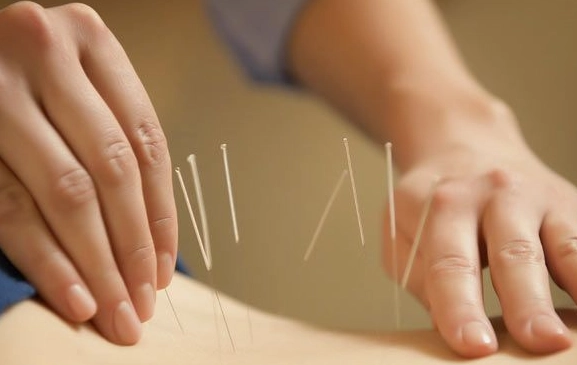
For women, a few key TCM concepts are constantly in play:
Qi and Blood: These are your fundamental resources. Qi is your energy, the force that makes everything happen. Blood nourishes and moistens. Women lose blood monthly, so this system is under unique strain. Stagnant Qi or deficient Blood are behind countless gynecological issues.
The Liver, Spleen, and Kidney Systems: Not just the organs, but their functional pathways. The Liver governs the smooth flow of Qi and emotion (hello, PMS irritability). The Spleen manages digestion and holds things in place (think heavy periods). The Kidney stores your foundational energy, tied to reproduction and aging.
Acupuncture inserts hair-thin needles at specific points to move Qi, nourish Blood, and bring these systems back into conversation with each other. A 2018 review published in Evidence-Based Complementary and Alternative Medicine highlighted its regulatory effect on the endocrine system—that's the hormone command center. It's like hitting the reset button on a glitchy computer.
The Non-Consensus View: Many think acupuncture is purely about the needles. In a quality session, the practitioner's diagnosis—through detailed questions about your cycle, sleep, digestion, and even the look of your tongue—is 50% of the work. The needles are the prescription. Skipping a thorough intake is a major red flag.
Where It Shines: Key Areas of Benefit for Women
Let's get specific. Here’s where acupuncture for women's health moves from "might help" to "you should seriously consider this."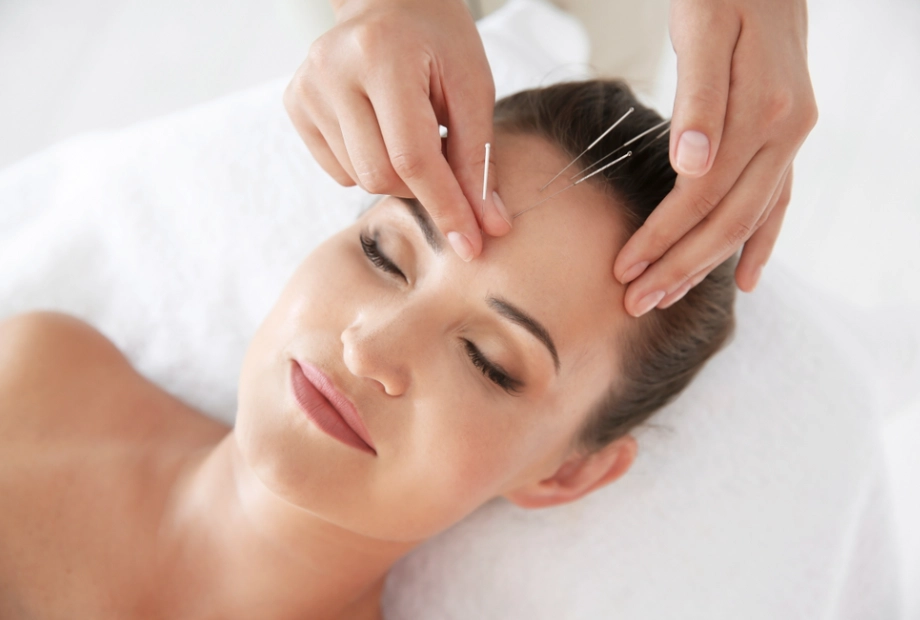
1. Menstrual Cycle Regulation & Pain
Dysmenorrhea (painful periods) is one of the best-researched areas. It's not just about numbing the pain on day one. Treatment focuses on the week before your period, smoothing Liver Qi to prevent the cramping and irritability from building up. For irregular cycles, the goal is to nourish the systems that run the cycle clock, particularly the Kidney and Spleen. Points like Sanyinjiao (SP6) and Guanyuan (CV4) are workhorses here.
I had a patient, Sarah, who had relied on ibuprofen every month for years. After three cycles of pre-menstrual acupuncture, she said the cramps went from an 8/10 to a manageable 2/10. The bigger win? She felt aware of her cycle again, not ambushed by it.
2. Fertility Support & IVF Adjuvant Therapy
This is huge. Acupuncture isn't a guarantee, but it's a powerful support player. Studies, including one referenced by the American Pregnancy Association, suggest it can improve outcomes for women undergoing IVF. How? By increasing blood flow to the uterus, modulating stress hormones (which directly impact fertility), and providing a sense of agency during a process that often makes you feel powerless.
The protocol usually involves weekly sessions for a few months before an IVF cycle, with specific sessions before and after embryo transfer.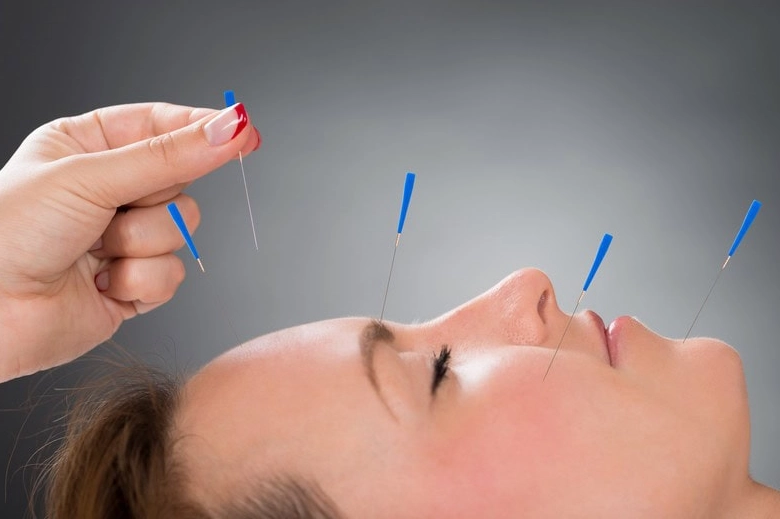
3. Navigating Perimenopause and Menopause
Hot flashes, night sweats, insomnia, anxiety—these aren't just "hormone drops" in TCM; they're seen as a depletion of the nourishing Yin energy, allowing Heat to rise. Acupuncture aims to anchor that Yin and clear the Heat. A 2019 study in BMJ Open found acupuncture significantly reduced the frequency and severity of hot flashes.
The benefit over HRT? It addresses the whole picture, often improving sleep and mood concurrently, without introducing external hormones.
4. Stress, Anxiety, and Fatigue
This is the foundation. Chronic stress wreaks havoc on the Liver and Spleen systems, which then disrupts everything else. Acupuncture promotes a deep parasympathetic state—the "rest and digest" mode. You might feel profoundly relaxed after a session. This isn't a side effect; it's a core mechanism of healing for the over-scheduled, over-worried modern woman.
Your First Session: What to Really Expect
Walking into a new clinic can be nerve-wracking. Here's the real breakdown.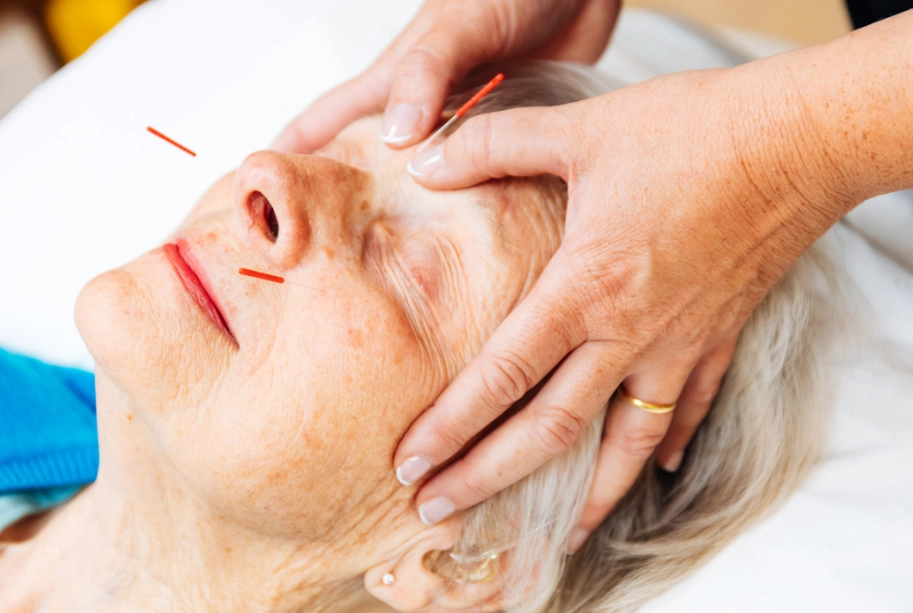
The Intake (60-90 minutes for first visit): Be prepared to talk. A lot. About your period (color, clotting, regularity), digestion, sleep, emotional tendencies, and health history. They'll look at your tongue and feel your pulses on both wrists—this gives a snapshot of your internal landscape.
The Needling: You'll lie on a comfortable table. The needles are single-use, sterile, and about the width of a cat's whisker. The sensation ranges from nothing to a tiny pinch, then often a dull ache, heaviness, or warmth. That's the "De Qi" sensation—the arrival of energy. It's not painful, just strange at first.
Common Points for Women: You'll often find needles in your lower abdomen, lower back, ankles, wrists, and between the thumb and index finger (LI4, a powerful pain point).
Resting (20-40 minutes): You relax with the needles in, often with soft music and low light. Many people fall asleep.
Aftercare: Drink water. Take it easy. Notice how you feel over the next few days. Some feel energized, others sleepy. Both are normal.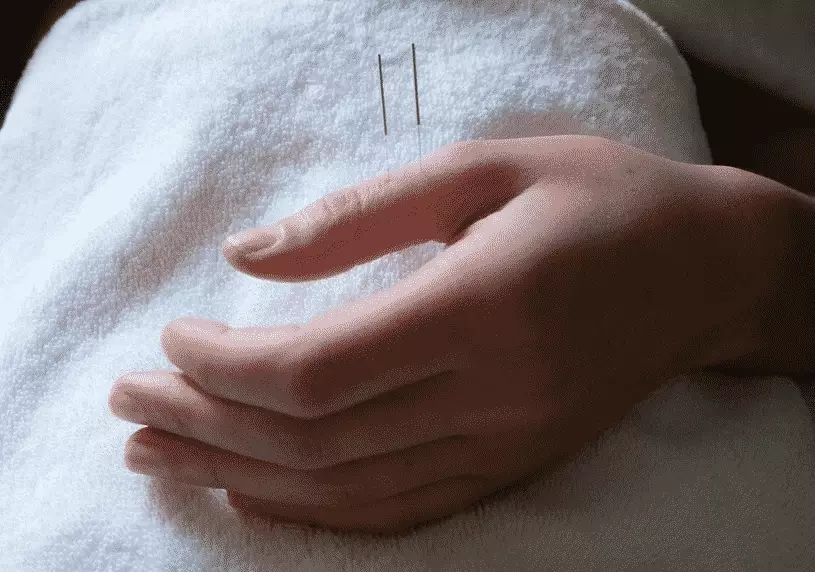
Finding the Right Practitioner (This is Crucial)
Not all acupuncturists are the same. For women's health, you want someone with a special interest or additional training in this area. Here's your checklist:
- Ask Directly: "What percentage of your practice focuses on women's health or hormonal issues?"
- Check Credentials: Ensure they are a Licensed Acupuncturist (L.Ac.) and have a clean board record. Membership in organizations like the American Society of Acupuncture or specialists in fertility/prenatal care is a plus.
- Consultation Style: Did they ask detailed questions about your cycle? If they jumped straight to needles for "back pain" when you mentioned PMS, keep looking.
- Comfort Level: You need to feel heard and safe. Trust your gut.
Word-of-mouth from other women is gold. Check local parenting groups, fertility support forums, or menopause communities online.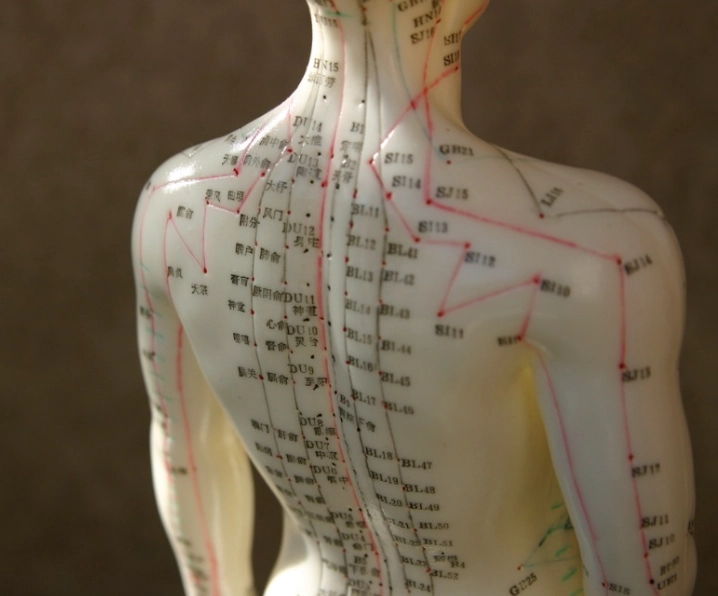
Your Questions, Answered
So, is acupuncture for women worth it? If you're looking for a natural, systemic approach that treats you as a whole person—not just a collection of symptoms—the answer is a resounding yes. It asks for your participation, your time, and a bit of trust. In return, it offers a path back to balance that's been helping women for thousands of years. Sometimes, the oldest tools are the most refined.


Leave a comment