For years, I treated my period like a monthly inconvenience. A week of cramps, a few days of feeling off, then back to normal. It wasn't until I started tracking my cycle in detail—beyond just the start date—that I saw the pattern. The low-energy afternoons, the week where I felt unstoppably social, the days my skin would inexplicably flare up. It wasn't random; it was my hormones talking. Understanding the four distinct menstrual cycle phases changed everything. It turned a source of frustration into a predictable, manageable rhythm I could actually work with.
What's Inside: Your Cycle Navigation Map
The Four Phases of Your Menstrual Cycle, Simplified
Forget the idea of a 28-day "average" cycle. The length varies, but the hormonal script is the same. The cycle is driven by a conversation between your brain (the hypothalamus and pituitary gland) and your ovaries. The main actors are estrogen, progesterone, follicle-stimulating hormone (FSH), and luteinizing hormone (LH).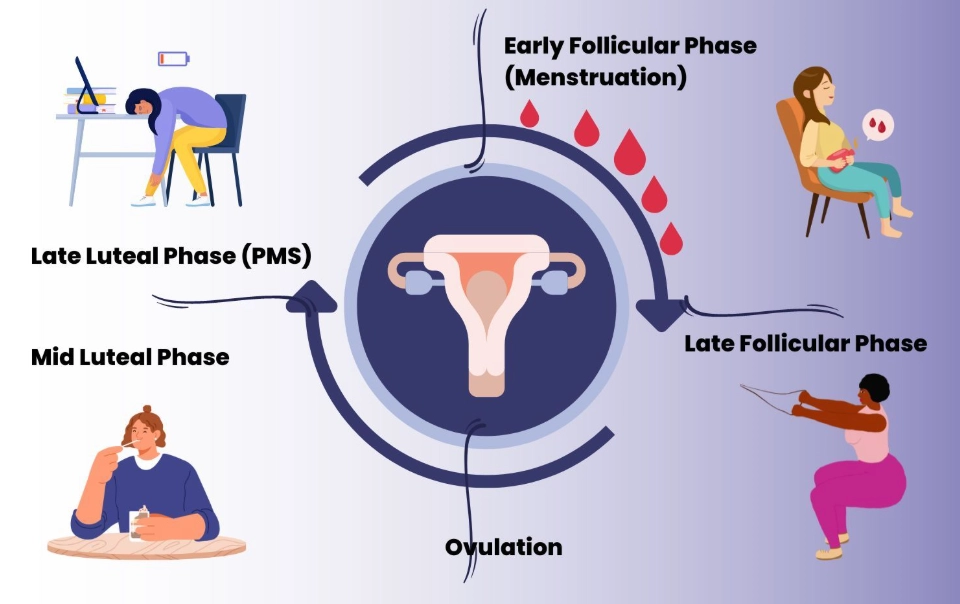
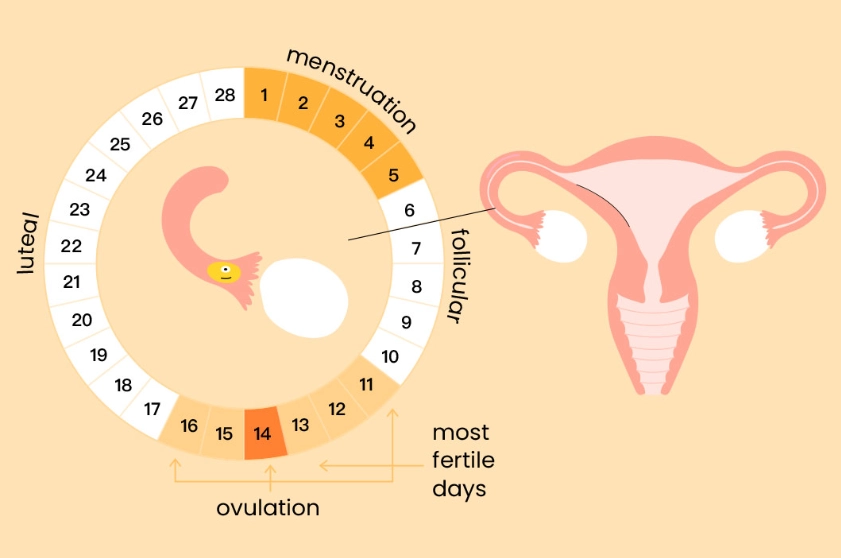
Think of it like this: Your cycle has two main acts. Act One is the Follicular Phase (preparing and releasing an egg), which includes Menstruation. Act Two is the Luteal Phase (preparing for a potential pregnancy). Ovulation is the intermission—the pivotal scene change.
Phase 1: Menstruation (Days 1-5ish)
The Hormone Low Point. Estrogen and progesterone have hit rock bottom. This drop is what triggers the shedding of your uterine lining. It's not just about bleeding. This hormonal reset is why you might feel deeply tired, introspective, or crave quiet. Your body is doing significant internal work.
Phase 2: The Follicular Phase (Days 1-13ish)
The Rising Energy Arc. This phase overlaps with menstruation. As your period ends, your pituitary gland releases FSH, telling your ovaries to start maturing follicles (egg sacs). One becomes dominant. These follicles produce estrogen, which starts climbing steadily. This rising estrogen is your best friend here—it boosts mood, energy, and brain clarity.
Phase 3: Ovulation (Day 14ish in a 28-day cycle)
The Peak & The Shift. Estrogen peaks, triggering a sudden surge of Luteinizing Hormone (LH). This LH surge causes the dominant follicle to release its egg. Ovulation is a brief 12-24 hour window, but its effects are felt for a few days. Estrogen is high, testosterone has a little bump, and progesterone is just starting its ascent.
Phase 4: The Luteal Phase (Days 15-28ish)
The Great Preparation. After releasing the egg, the empty follicle transforms into the corpus luteum, a temporary hormone gland. Its job? Pump out progesterone. Progesterone's role is to make the uterine lining cozy and supportive for a potential pregnancy. If pregnancy doesn't occur, the corpus luteum disintegrates, progesterone and estrogen fall, and the cycle starts over with menstruation. This progesterone dominance defines the phase.
A Detailed Symptom Breakdown for Each Phase
Here’s where it gets practical. These aren't just random occurrences; they're direct results of the hormonal milieu. I've found that grouping them physically and emotionally helps make sense of it all.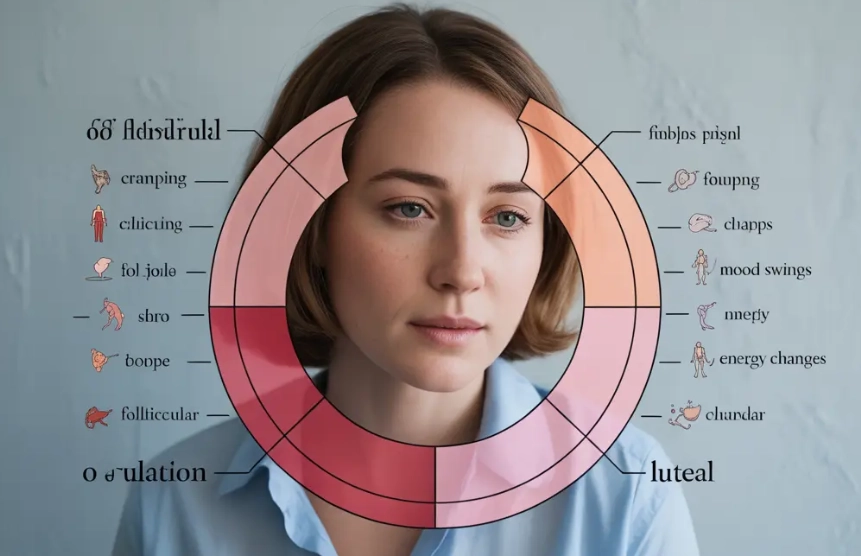
| Phase | Physical Symptoms (What You Feel) | Emotional & Cognitive Symptoms (What You Think) | Common Cravings & Needs |
|---|---|---|---|
| Menstruation | Uterine cramps, lower backache, breast tenderness easing, fatigue, possible headaches or diarrhea. | Introspection, desire for solitude, mental "reset" feeling, lower stress tolerance, patience may be thin. | Warm foods (soup, stew), iron-rich foods (dark leafy greens, red meat), rest, heat (heating pads), reduced social plans. |
| Follicular | Energy increasing, stamina improves, pain tolerance is higher, skin often clears up, cervical mucus becomes creamy. | Optimism, motivation, openness to new ideas, better verbal fluency, increased social drive. | Lighter foods (salads, smoothies), protein for muscle building, challenging workouts, planning new projects. |
| Ovulation | One-sided abdominal twinge (mittelschmerz), clear, stretchy "egg-white" cervical mucus, libido peaks, slight temperature rise post-ovulation. | Confidence peaks, feeling outgoing and charismatic, heightened senses, peak communication skills. | Social interaction, vibrant foods, expressing creativity, important conversations or presentations. |
| Luteal | Breast tenderness returns, bloating, mild acne, constipation, increased appetite, core temperature remains slightly elevated. | Anxiety or mood swings may appear, more inward-focused, detail-oriented, prone to worry, desire for nesting and organizing. | Complex carbs (sweet potato, oats), magnesium-rich foods (dark chocolate, nuts), cozy environments, structured tasks. |
A huge mistake people make? Treating the entire luteal phase as "PMS hell." The first half (just after ovulation) can still feel quite good—it's often the final 5-7 days before your period, as progesterone falls, where classic PMS (or the more severe PMDD) symptoms hit hardest. Tracking helps you pinpoint your personal difficult window.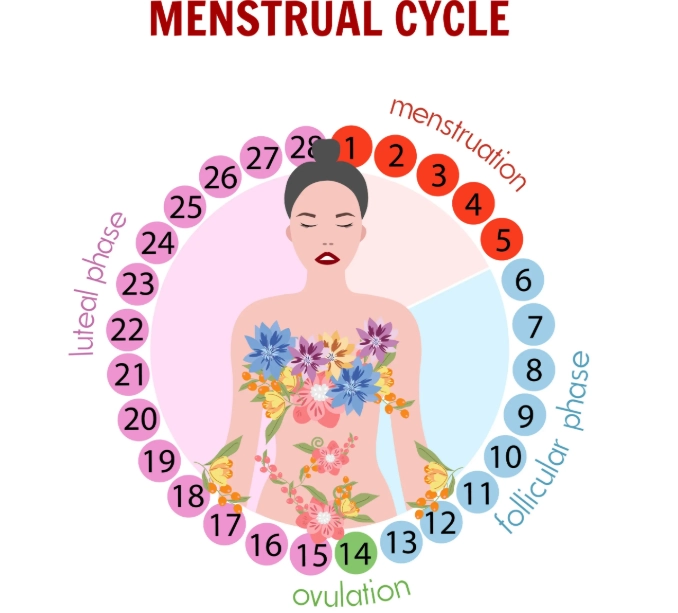
How to Track Your Cycle (Beyond an App)
Apps are a great start, but they guess based on averages. To truly know your phases, you need primary biomarkers. Here’s what I recommend, from simplest to most involved:
1. Cervical Mucus Tracking: This is free and incredibly informative. Check toilet paper or your underwear. After menstruation, you'll often have dry days. Then comes sticky/creamy mucus. Around ovulation, it becomes clear, slippery, and stretchy like raw egg white. After ovulation, it dries up or becomes sticky again due to progesterone.
2. Basal Body Temperature (BBT): You take your temperature with a sensitive thermometer first thing in the morning, before you even sit up. Your BBT is slightly lower in the follicular phase. After ovulation, progesterone causes it to rise by about 0.3-0.5°C and stay elevated until your period. This confirms ovulation happened. The trick is consistency—you must do it at roughly the same time daily.
3. Symptom Logging: Go beyond "cramps." Note energy levels (1-10), mood descriptors (chatty, irritable, calm), sleep quality, digestion, and cravings. Do this for 2-3 cycles and patterns will leap off the page. Use a dedicated app like Kindara or Clue, or even a simple notes page.
The gold standard is combining all three. After a few months, you won't need the app to tell you what phase you're in—your body will.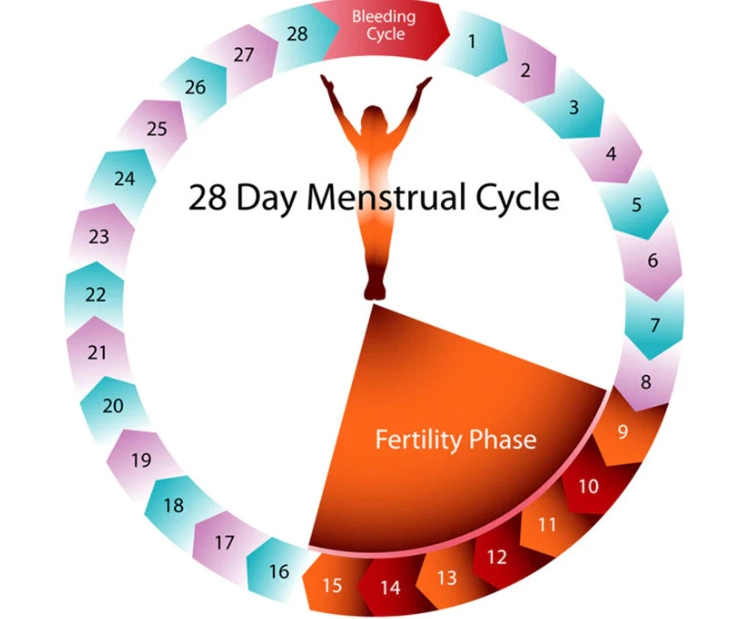
Actionable Strategies for Each Phase
This is "cycle syncing" in action—aligning your life with your biology, not fighting against it.
Menstrual Phase: Restore & Reflect
This is your winter. Honor the low energy.
- Exercise: Gentle movement only. Think walking, restorative yoga, stretching. Forceful workouts can increase inflammation and make cramps worse.
- Work: Schedule administrative tasks, cleaning your inbox, organizing files. It's a great time for reflection and reviewing plans, not launching new ones.
- Nutrition: Focus on iron and anti-inflammatory foods. Cook with ginger and turmeric. Stay extra hydrated to combat bloating from hormonal shifts.
Follicular Phase: Initiate & Explore
Your spring. Energy and optimism are rising.
- Exercise: Ideal for trying new, challenging workouts. HIIT, strength training, learning a new sport. Your body is primed for building muscle.
- Work: Brainstorm new ideas, start new projects, pitch proposals. Your brain is making novel connections more easily.
- Nutrition: Support estrogen metabolism with cruciferous veggies (broccoli, cauliflower). Lean proteins and fresh, vibrant foods align with this light, energetic phase.
Ovulatory Phase: Connect & Communicate
Your summer. You're at your most charismatic.
- Exercise: Social or team-based activities. A dance class, group run, or tennis match. Your coordination and reaction time are sharp.
- Work: Schedule important meetings, presentations, networking events, or collaborative sessions. Your communication skills are peak.
- Nutrition: Lighter meals that won't weigh you down. This is not the time for a giant, heavy dinner before a big event.
Luteal Phase: Complete & Nurture
Your autumn. Energy turns inward.
- Exercise: Shift to steady-state cardio (jogging, cycling), Pilates, or weight lifting with moderate weight. Listen to your body—fatigue increases as the phase progresses.
- Work: Perfect for detail-oriented tasks, finishing projects, editing, budgeting, and organizing. Your "nesting" instinct translates well to tidying your workspace.
- Nutrition (Critical here): Progesterone increases metabolism and appetite. Don't fight the hunger—eat more frequent, smaller meals with complex carbs and fiber to stabilize blood sugar. Increase magnesium (pumpkin seeds, spinach) to ease cramps, and B vitamins for mood. Reduce salt, caffeine, and alcohol, which can exacerbate bloating, anxiety, and breast tenderness.


Leave a comment