Your Roadmap to Understanding Anemia and Diet
- What's Really Going On When You're Anemic?
- The Heavy Hitter: Iron and Your Diet
- The Other Key Players: Vitamin B12 and Folate
- Building Your Anemia-Fighting Plate: A Practical Plan
- Foods and Habits That Can Set You Back
- Answering Your Questions on How to Treat Anemia with Food
- Putting It All Together: Your Action Plan
Let's talk about something that makes you feel constantly drained, out of breath climbing stairs, and maybe even a little pale. Anemia. If you've been diagnosed with it, or suspect you might have it, your doctor might have thrown around terms like "ferritin" or "hemoglobin." It can feel overwhelming. The good news? For the most common types—especially iron-deficiency anemia—your diet is one of the most powerful tools you have. Figuring out how to treat anemia with food isn't about magic pills or bizarre superfoods; it's about understanding some basic nutrition and making smart, sustainable swaps.
I remember when a friend was diagnosed, she was just handed a supplement prescription. No talk about food. She felt better for a bit, but the fatigue crept back when she stopped. That's the thing—pills can fix a deficit, but only diet can prevent it from coming back. This guide is about building that dietary defense, step by step.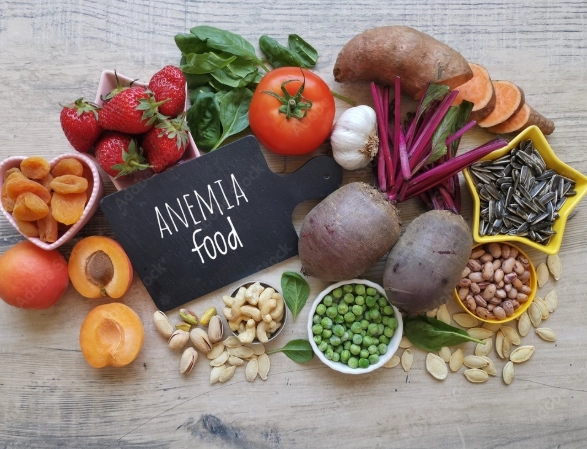
What's Really Going On When You're Anemic?
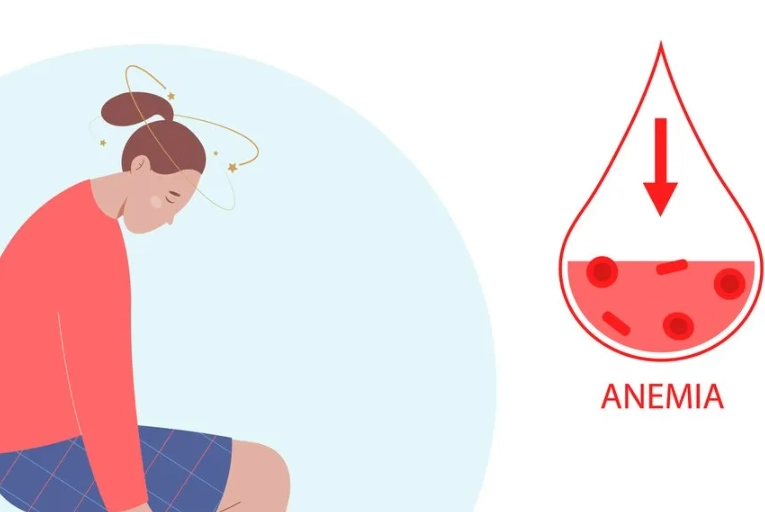
Think of your red blood cells as tiny delivery trucks. Their job is to carry oxygen from your lungs to every single cell in your body—your muscles, your brain, everything. Hemoglobin is the protein in those trucks that actually holds the oxygen. Anemia means you don't have enough healthy red blood cells or hemoglobin, so your body's cells are starved for oxygen. That's why you feel tired, weak, and short of breath. Your body is literally running on low power.
When we talk about how to treat anemia with food, we're talking about supplying the raw materials your body desperately needs to build more of those oxygen-carrying "trucks." The main construction materials are iron, vitamin B12, and folate (vitamin B9). Without enough of these, the production line shuts down.
The Heavy Hitter: Iron and Your Diet
Iron is the absolute core of the hemoglobin molecule. No iron, no hemoglobin. It's that simple. But not all iron in food is created equal, and this is where a lot of people get confused.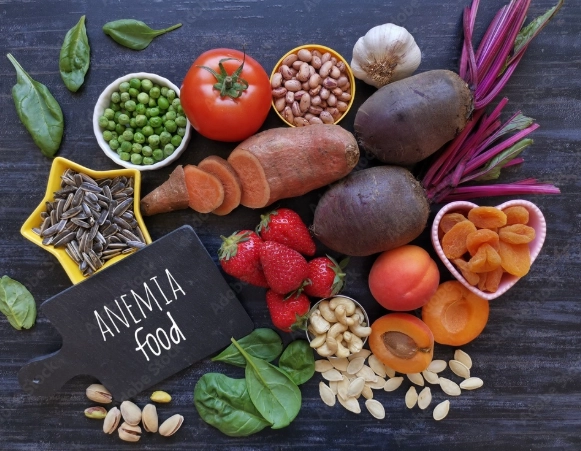
Heme Iron vs. Non-Heme Iron: The Big Difference
This is the most important concept in an iron-rich diet.
- Heme Iron: This comes from animal proteins—red meat, poultry, fish, and seafood. Your body absorbs it incredibly easily, at a rate of about 15-35%. It's the premium, high-efficiency fuel.
- Non-Heme Iron: This comes from plant sources and fortified foods—lentils, spinach, tofu, beans, fortified cereals. The catch? Your body absorbs it less efficiently, usually between 2-20%. It's more like regular fuel that needs a special additive to work better (we'll get to that).
If you're a meat-eater, heme iron is your best friend. If you're vegetarian or vegan, you need to be more strategic with non-heme iron. The table below breaks down some top sources.
| Food Source | Type of Iron | Approximate Iron (mg per serving) | Notes & Tips |
|---|---|---|---|
| Beef Liver (3 oz cooked) | Heme | 5.2 mg | Extremely rich, but an acquired taste. High in Vitamin A. |
| Oysters (3 oz cooked) | Heme | 8 mg | A superstar source. Also packed with zinc. |
| Lean Beef (3 oz cooked) | Heme | 2.1 mg | A reliable, easy-to-find staple. |
| Canned Sardines (3 oz) | Heme | 2.5 mg | Budget-friendly, includes edible bones for calcium. |
| Cooked Spinach (1/2 cup) | Non-Heme | 3.2 mg | Popeye was on to something, but absorption is tricky. |
| Lentils (1/2 cup cooked) | Non-Heme | 3.3 mg | A plant-based powerhouse, perfect for soups and stews. |
| Fortified Breakfast Cereal (1 serving) | Non-Heme | 4.5 - 18 mg | Check the label! This can be a massive boost. |
| Tofu, firm (1/2 cup) | Non-Heme | 3.4 mg | Versatile and a great protein source for plant-based diets. |
| Pumpkin Seeds (1 oz) | Non-Heme | 2.3 mg | A great crunchy snack or salad topper. |
| Dark Chocolate (70%, 1 oz) | Non-Heme | 3.4 mg | Yes, really. A delicious way to contribute. |
See the range in that fortified cereal? It's wild. That's why reading labels is non-negotiable if you're serious about how to treat anemia with food.
The Secret Weapon: Vitamin C is Iron's Best Friend
This is the game-changer, especially for non-heme iron. Vitamin C (ascorbic acid) can dramatically increase how much non-heme iron your body absorbs. It basically grabs hold of the plant-based iron and escorts it into your bloodstream. You want to pair them at the same meal.
On the flip side, some things block iron absorption. Tannins in tea and coffee, calcium in large doses (like a big glass of milk or a calcium supplement), and phytates in whole grains and legumes can bind to iron and prevent absorption. I'm not saying you have to give up coffee—I'd never suggest that—but try to have it between meals, not right with your biggest iron-rich meal of the day.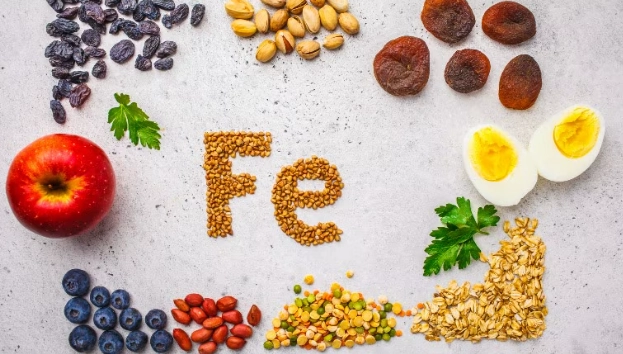
The Other Key Players: Vitamin B12 and Folate
Iron gets all the attention, but you can't build a proper red blood cell without B12 and folate. They're essential for cell division and maturation. A deficiency in either leads to large, immature red blood cells that can't do their job (this is called megaloblastic anemia).
Vitamin B12: The Animal-Based Vitamin
B12 is almost exclusively found in animal products: meat, liver, fish, eggs, and dairy. Some nutritional yeast and fortified foods (like plant milks and cereals) have it added. The body stores B12 for years, but once it's depleted, it's a problem.
Here's my personal take: if you follow a strict vegan diet, paying attention to B12 is not optional; it's critical. Relying solely on fortified foods can be tricky because the amount varies. A B12 supplement is often the most reliable way to ensure you're getting enough, and there's no shame in that. It's a practical part of how to treat anemia with food when certain foods are off the table. The Harvard T.H. Chan School of Public Health has a great resource explaining B12 sources and needs in detail.
Folate (Folic Acid): The Leafy Green Vitamin
The name gives it away—folate comes from *foliage*, leafy greens. It's abundant in spinach, kale, Brussels sprouts, broccoli, asparagus, and also in legumes and avocados. Many grains are also fortified with folic acid (the synthetic form). Unlike B12, folate isn't stored long-term, so you need a consistent daily intake.
The good news is that a diet rich in vegetables and legumes usually covers your folate needs. The challenge is consistently eating those foods.
Building Your Anemia-Fighting Plate: A Practical Plan
Okay, so we know the nutrients. How does this actually look on your plate? It's about patterns, not perfection.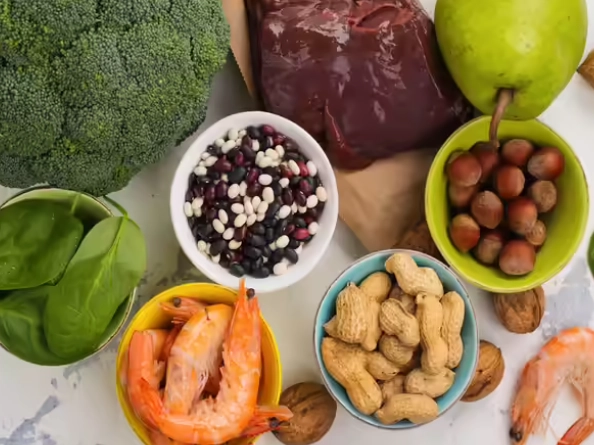
Let's break down a day. This isn't a rigid prescription, but a template to spark ideas.
Breakfast Ideas:
- Fortified oatmeal made with water or a fortified plant milk, topped with sliced strawberries (vitamin C) and a sprinkle of pumpkin seeds.
- Scrambled eggs (B12, heme iron from yolks) with sautéed spinach and tomatoes (vitamin C). A slice of whole-grain toast on the side (wait on the coffee!).
- A smoothie with fortified plant milk, a handful of spinach, half a banana, frozen mango (vitamin C), and a tablespoon of almond butter.
Lunch Ideas:
- A big salad with mixed greens (folate), canned tuna or salmon (heme iron), chickpeas (non-heme iron), bell peppers (vitamin C), and a lemon-tahini dressing.
- Leftover lentil and vegetable soup (non-heme iron, folate) with a side of orange slices.
- A whole-wheat wrap with sliced roast beef, lettuce, tomato, and mustard.
Dinner Ideas:
- Grilled chicken or tofu stir-fry with broccoli (iron & vitamin C), red bell peppers (vitamin C), and snap peas, served over brown rice.
- Lean beef chili with kidney beans, tomatoes (vitamin C), and spices. Top with a little cheese (B12).
- Baked salmon with a side of steamed asparagus (folate) and a quinoa salad with parsley and lemon juice.
Snacks? Think trail mix with nuts and dried apricots (some iron, but watch sugar), an orange, a hard-boiled egg, or even a square of dark chocolate.
Foods and Habits That Can Set You Back
Knowing what to avoid is just as important as knowing what to eat. It's about removing roadblocks.
- Tea and Coffee with Meals: The tannins are potent inhibitors. Enjoy your tea or coffee, but make it a between-meal ritual.
- High-Dose Calcium with Iron-Rich Meals: A splash of milk in your coffee is fine. But taking a 500mg calcium supplement or drinking a large glass of milk with your steak and spinach salad is counterproductive. Space them out.
- Processed Foods and Empty Calories: They fill you up without providing the nutrients you need, making it harder to eat the good stuff. I'm not saying never have them, but be mindful.
- Raw Spinach and Chard as Your *Only* Iron Source: They contain oxalates, which bind to their own iron, making it hard to absorb. Cooking helps a bit, and pairing with vitamin C helps more. Don't rely on a spinach salad alone.
Answering Your Questions on How to Treat Anemia with Food
Let's tackle some of the specific questions people have when they're searching for this information.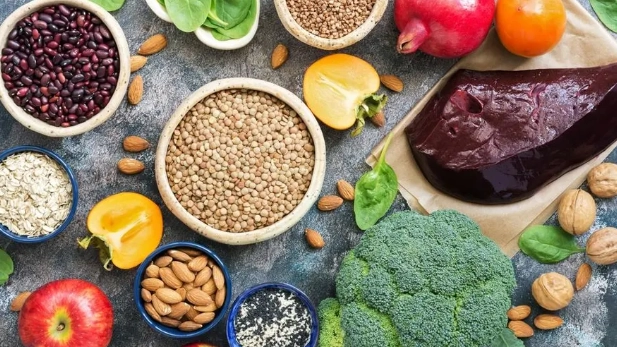
How long does it take to see improvements in anemia from diet alone?
This is the big one. Patience is key. Your body prioritizes using new iron to make new red blood cells, but the lifespan of an existing red blood cell is about 120 days. It can take several weeks to a few months of consistent dietary changes to see a significant rise in your hemoglobin levels on a blood test. You might feel a subtle increase in energy sooner as your iron stores (ferritin) begin to replenish. If your anemia is severe, diet alone may be too slow, and supplements are necessary to jump-start recovery—always under a doctor's guidance.
Can I overdo it on iron from food?
For most healthy people, the body is pretty good at regulating iron absorption from food sources. It will absorb less if your stores are full. The risk of iron overload (hemochromatosis) from diet alone is very low and usually only a concern for people with a specific genetic condition. The bigger risk from overconsumption usually comes from high-dose supplements taken without need. Food is generally the safer route.
Are "superfoods" like spirulina or moringa worth it for anemia?
They're often marketed hard for their iron content. Spirulina, for example, does have iron, but it's non-heme. The hype often overlooks bioavailability. Is it a bad addition to a smoothie? No. Is it a magic bullet that replaces a balanced diet? Absolutely not. I'd rather you spend your money on a variety of lentils, leafy greens, and good quality meat or fish than on expensive powders with exaggerated claims. Focus on the fundamentals first.
What if I'm vegetarian or vegan? Is it even possible to treat anemia with food?
Yes, it's absolutely possible, but it requires more planning. You're playing on a harder difficulty setting. You must:
1) Prioritize non-heme iron sources daily (lentils, beans, tofu, fortified grains).
2) Become a master of the Vitamin C pairing at every single meal.
3) Be vigilant about B12 through fortified foods or, more reliably, a supplement.
4) Soak, sprout, or ferment grains and legumes to reduce phytates and improve mineral absorption.
It's a more strategic approach, but it can be very effective. The National Institutes of Health Office of Dietary Supplements provides trustworthy, science-backed fact sheets on iron and other nutrients that are invaluable for planning.
Should I still take iron supplements if I'm changing my diet?
This is a decision for you and your doctor. If your deficiency is severe, supplements are often necessary to correct it quickly. Think of it this way: diet is for long-term maintenance and prevention; supplements are for acute correction. Never start a high-dose iron supplement on your own—they can cause side effects and interact with medications. Your doctor can tell you if you need one, what dose, and for how long, based on your bloodwork.
Putting It All Together: Your Action Plan
Feeling overwhelmed? Don't be. Start small. Pick one meal tomorrow and apply the principle: add a vitamin C source to your iron source.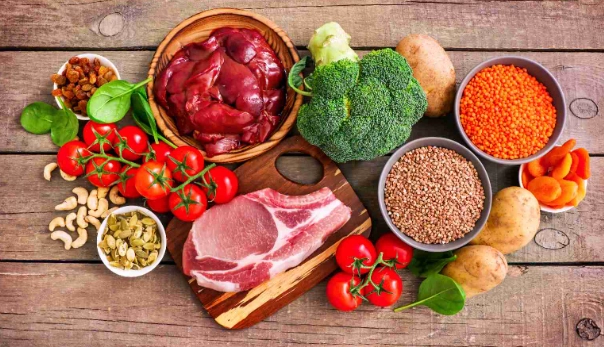
- Get Tested. Know your numbers (hemoglobin, ferritin, B12, folate). You can't manage what you don't measure.
- Focus on One Nutrient at a Time. Maybe this week, you work on consistently adding vitamin C to your lunches. Next week, you introduce a new iron-rich dinner twice a week.
- Cook in Cast Iron Occasionally. Especially for acidic dishes like chili or pasta sauce.
- Time Your Tea/Coffee. Make it a firm rule: no caffeine within an hour of meals.
- Read Labels. When buying cereal, plant milk, or nutritional yeast, check for added iron, B12, and folate.
- Be Patient and Consistent. This isn't a 3-day fix. It's about building lifelong habits.
Remember, food is powerful medicine, but it works best with accurate information and consistency. Use this guide as a roadmap, listen to your body, and work with your healthcare provider. That constant fatigue doesn't have to be your normal.

Leave a comment