Quick Navigation
Let's be real. The gluten-free aisle isn't just for people with celiac disease anymore. It's packed with folks hoping for more energy, less bloating, or maybe just following a trend they saw online. But what does cutting out gluten do to your body, really? Is it a miracle cure or a modern-day dietary fad with hidden costs?
I've watched friends dive headfirst into gluten-free living, swearing they feel like new people. I've also seen others struggle, frustrated by the cost and complexity, only to see zero change. It's messy. And the information out there? Even messier. So let's cut through the noise. We're not just talking about avoiding bread. We're talking about a fundamental shift in what you eat, and your body will have something to say about it.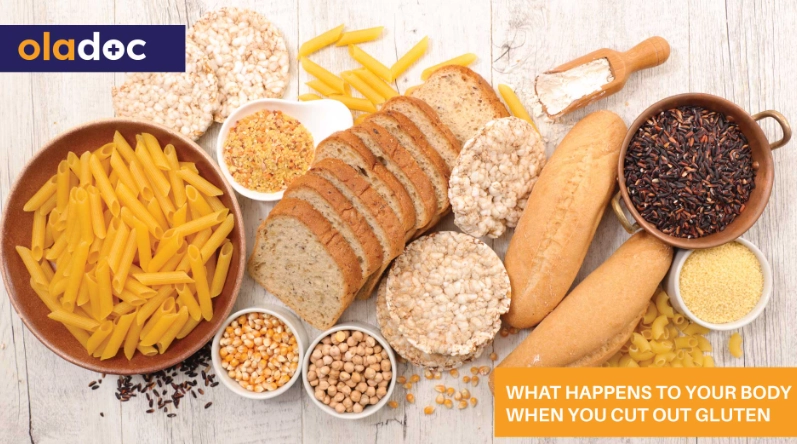
First Things First: What Even Is Gluten, and Who *NEEDS* to Avoid It?
Gluten is a family of proteins (mainly gliadin and glutenin) found in wheat, barley, rye, and triticale. It's the "glue" that gives dough its elastic, chewy texture. For most people, it's just another digestible protein. But for some, it's a trigger.
This is crucial: understanding the difference between the groups is the key to predicting what cutting out gluten will do for you.
The Non-Negotiables: Medical Conditions Requiring a Gluten-Free Diet
For these groups, cutting out gluten isn't a choice; it's essential medicine.
- Celiac Disease: This is a serious autoimmune disorder. When someone with celiac eats gluten, their immune system attacks the lining of their small intestine. The damage is real and can lead to malnutrition, osteoporosis, and other complications. For them, what cutting out gluten does to your body is stop an autoimmune attack, allowing the gut to heal. The Celiac Disease Foundation has extensive resources on this. You can find their guide on the Celiac Disease Foundation website.
- Non-Celiac Gluten Sensitivity (NCGS): This is trickier. People test negative for celiac and wheat allergy but still experience symptoms like bloating, headache, fatigue, and "foggy brain" after eating gluten. The mechanism isn't fully understood, but the relief from symptoms upon removing gluten is very real for them.
- Wheat Allergy: This is a classic food allergy involving IgE antibodies. Reactions can range from hives and itching to life-threatening anaphylaxis. These individuals must avoid wheat (which contains gluten), but may tolerate gluten from other sources like pure barley—though most avoid all gluten to be safe.
The Curious Crowd: Everyone Else
This is the bigger group. People without a diagnosed condition who are wondering if going gluten-free might solve unexplained fatigue, joint pain, or skin issues. For you, the effects are less predictable and more nuanced.
So, let's break down the actual physical and mental changes, the good, the bad, and the downright inconvenient.
The Potential Benefits: When Your Body Says "Thank You"
If you're sensitive to gluten, even in a non-celiac way, the benefits of cutting it out can feel dramatic. Here’s what people commonly report.
The Digestive Revolution
This is the big one. Gluten can be tough to break down. For sensitive individuals, it may increase intestinal permeability (sometimes called "leaky gut") and cause inflammation. Removing it often leads to:
- Reduced Bloating and Gas: That uncomfortable, puffy feeling after meals? Often the first thing to go.
- More Regular Bowel Movements: Relief from both diarrhea and constipation is common, as gut motility normalizes.
- Less Abdominal Pain: Cramping and general discomfort can subside significantly.
It's not magic—it's just removing an irritant. Think of it like taking off a shoe that's been pinching your foot all day.
Farewell, Brain Fog and Fatigue. This one surprises people. The gut-brain connection is powerful. Systemic inflammation triggered by gluten in sensitive people can manifest as mental fatigue, difficulty concentrating, and a general lack of energy. Cutting it out can lead to clearer thinking and more steady energy levels throughout the day. You might find you don't hit that 3 PM wall as hard.
Skin Clear-Up. Conditions like dermatitis herpetiformis (a blistering skin rash directly linked to celiac) will improve. But some also see improvements in acne, eczema, or psoriasis. The theory is that reducing gut inflammation reduces systemic inflammation, which can calm the skin.
Reduction in Joint and Muscle Pain. Again, inflammation is the likely culprit. If gluten was contributing to a constant low-grade inflammatory state in your body, removing it can feel like taking a weight off your joints.
Potential Weight Fluctuation (But Not for the Reason You Think). Let's be clear: gluten-free does NOT equal weight loss. In fact, many gluten-free processed foods are higher in sugar and fat to compensate for texture. However, if you replace gluten-heavy processed foods (cakes, cookies, pastries) with more whole foods like fruits, vegetables, and lean proteins, you might lose weight as a side effect of a healthier overall diet. The weight change isn't from the absence of gluten itself, but from the dietary shift.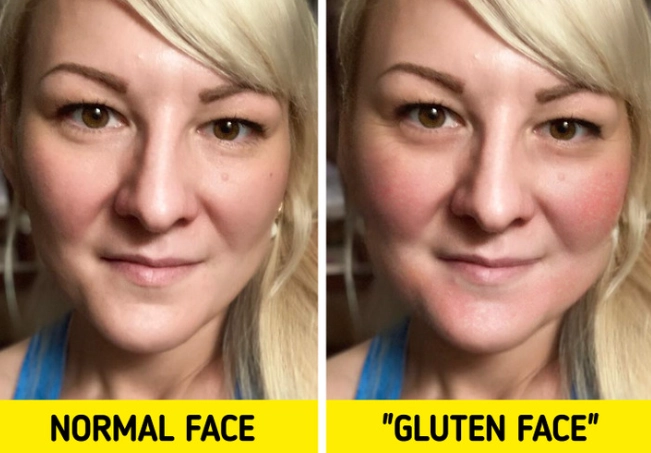
The Not-So-Great Stuff: The Side Effects and Challenges
Nobody talks about this enough. What does cutting out gluten do to your body that's negative? Plenty, if you're not careful.
The Nutritional Pitfalls
This is the biggest risk, especially if you just swap regular processed food for gluten-free processed food. Many conventional breads and cereals are fortified with vitamins and minerals. Gluten-free versions often aren't.
| Nutrient at Risk | Why It's a Concern | Gluten-Free Whole Food Sources |
|---|---|---|
| Fiber | Vital for digestion, heart health, and blood sugar control. Whole wheat is a major source for many people. | Beans, lentils, quinoa, brown rice, chia seeds, flaxseeds, fruits & vegetables. |
| B Vitamins (Folate, B12, Thiamin) | Critical for energy production and nervous system function. Often added to wheat flour. | Leafy greens, eggs, meat, nutritional yeast, fortified GF cereals (check the label!). |
| Iron | Prevents anemia and fatigue. The iron in wheat is often fortified and easily absorbed. | Red meat, spinach, lentils, pumpkin seeds, cooked in a cast-iron pan. |
See the pattern? You have to be proactive. A poorly planned gluten-free diet can leave you deficient.
The Social and Mental Load. This isn't a trivial side effect. Eating becomes a logistical puzzle. Dinner parties, business lunches, travel—they all require planning and awkward conversations. The mental energy spent on "Is this safe?" can be exhausting and lead to social anxiety or isolation.
The Cost. Gluten-free specialty products are expensive. Often 2-3 times the price of their gluten-containing counterparts. This is a real barrier for many.
Gut Microbiome Changes (The Unknown). We're just starting to understand the gut microbiome. Whole grains containing gluten, like wheat and barley, provide prebiotic fibers that feed your good gut bacteria. Removing them without substituting other prebiotic-rich foods might negatively impact your gut flora diversity over time. More research is needed here, but it's a consideration.
How to Do It Right: A Practical, No-Hype Guide
If you're considering this, don't just stop eating bread tomorrow. A haphazard approach is how people end up feeling worse or missing key nutrients.
Step 1: The Pre-Game (Consult and Test)
Talk to a doctor or dietitian first. I can't stress this enough. If you suspect celiac disease, you must get tested while you are still eating gluten. Going gluten-free before testing can lead to false negative results. A registered dietitian can help you plan a balanced diet. The Academy of Nutrition and Dietetics has a tool to find one near you.
Step 2: The Clean-Out & Learning Phase
Start by cleaning out your pantry. Learn the hidden sources of gluten: soy sauce, some salad dressings, licorice, even some medications and supplements use gluten as a binder. Become a label-reading ninja. Look for "wheat," "barley," "rye," "malt," and "brewer's yeast."
Step 3: Focus on What You CAN Eat
This is the mindset shift that leads to success. Build your diet around these naturally gluten-free whole foods:
- All fruits and vegetables. The ultimate gluten-free foods.
- Meat, poultry, and fish (unbreaded, unmarinated). Plain is perfect.
- Eggs. A fantastic protein source.
- Dairy products (if you tolerate them). Milk, cheese, plain yogurt.
- Legumes: Beans, lentils, peas.
- Nuts and seeds.
- Gluten-free whole grains: This is your new best friend list: Quinoa, rice (brown, wild), corn, buckwheat (despite the name, it's GF), millet, amaranth, sorghum, teff, and certified gluten-free oats.
Oats Note: Oats are naturally gluten-free but are often contaminated with wheat during growing or processing. Always look for oats specifically labeled "certified gluten-free."
Step 4: Navigating the Processed Food Aisle
Treat gluten-free bread, pasta, and snacks as occasional items, not staples. They're often low in fiber and nutrients. When you do buy them, compare labels. Look for higher fiber content and less added sugar.
Answering Your Burning Questions
Let's tackle some of the most common things people search for when wondering what does cutting out gluten do to your body.
Will I lose weight on a gluten-free diet?
Maybe, but not because of gluten. If you cut out calorie-dense gluten foods like pastries and beer and replace them with vegetables and lean protein, you'll likely lose weight. But if you replace your regular pasta and cookies with gluten-free versions, you might even gain weight. The diet itself isn't a weight-loss plan.
How long until I feel better?
It varies wildly. People with celiac might see gut healing begin in weeks, but full recovery can take years. Those with NCGS often report symptom improvement within days to a few weeks. Some people feel worse for the first week ("gluten withdrawal" headaches are a thing) before feeling better.
Can a gluten-free diet be unhealthy?
Absolutely. Any restrictive diet can be unhealthy if it's not balanced. A gluten-free diet built on soda, potato chips, and sugary snacks is terrible for you. A gluten-free diet built on a variety of whole foods can be incredibly healthy and nutritious.
What about "gluten detox" or withdrawal symptoms?
Some people report headaches, irritability, or fatigue in the first week. This isn't a formal medical detox, but your body adjusting to a sudden dietary change, potentially coupled with a reduction in simple carbs if you were eating a lot of bread and pasta. It usually passes quickly.
Is gluten inherently bad?
No. For the vast majority of people, gluten is a harmless protein. The problem is when it triggers an immune or inflammatory response in sensitive individuals. Demonizing gluten for everyone is not supported by science. The Harvard T.H. Chan School of Public Health has a balanced, science-based overview on this very topic.
The Final Verdict: Is It Worth It For You?
So, what does cutting out gluten do to your body? The answer is: it depends entirely on your body.
If you have celiac disease, non-celiac gluten sensitivity, or a wheat allergy, it is a life-changing medical necessity. The benefits (healing, symptom relief) far, far outweigh the challenges.
If you don't have a medical reason, the equation is different. You might experience benefits like less bloating or more energy if you were unknowingly sensitive. But you also take on the cost, social hassle, and nutritional risks.
My personal take? Don't do it because it's trendy. Don't do it as a quick-fix weight loss scheme. If you have persistent, unexplained symptoms, see a doctor first. Get tested. If you still want to try it as an experiment, do it properly—with guidance, focusing on whole foods, and for a long enough period (at least 3-4 weeks) to really judge the effects. Then, if you want to know if gluten was the culprit, you'd have to reintroduce it and see how you feel—that's the real test.
For some, cutting out gluten is the key to feeling normal again. For others, it's an unnecessary complication. Listen to your body, get good advice, and make the choice that's right for your health—not just for the label on the package.




Leave a comment