Quick Navigation
- Why the Disparity? Unpacking the Risk Factors for Women
- Spotting the Signs: Are Symptoms Different for Women?
- What Can You Actually Do? Strategies Focused on Women's Brains
- The Other Side of the Coin: Women as Caregivers
- Your Questions Answered: Clearing Up the Confusion
- Looking Forward: Advocacy, Awareness, and Hope
Let's talk about something that's been bothering me for a while. You know how we often hear about Alzheimer's disease? Well, if you dig a little deeper, you'll notice a pattern that's hard to ignore – it seems to hit women harder. And I'm not just talking about a small difference. We're talking about nearly two-thirds of all Americans living with Alzheimer's being women. That's a staggering statistic that made me pause and think, why is that? Is it just because women live longer, or is there more to the story?
I remember chatting with my friend Sarah about her grandmother. The diagnosis was Alzheimer's, and the whole family was scrambling to understand what it meant. What struck me was how much of the caregiving burden fell on Sarah's mother and aunts. It felt like a double whammy – women are more likely to get the disease, and then they're also more likely to be the ones providing the care. It just didn't seem fair.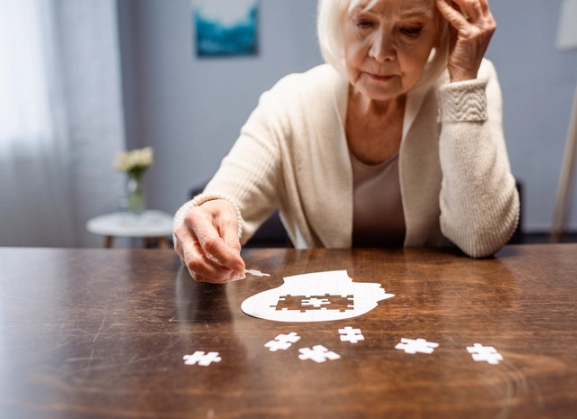
So, I started digging. I read studies, talked to people, and tried to piece together the puzzle of Alzheimer's in women. What I found was a complex web of biology, lifestyle, and sheer bad luck. It's not one thing; it's many things working together. And honestly, some of the research is frustratingly slow, but we're learning more every day.
Why the Disparity? Unpacking the Risk Factors for Women
Okay, so the big question: why are women at a higher risk? If you ask some people, they'll shrug and say, "Women live longer, and age is the biggest risk factor." And yes, that's part of it. But it's like saying a plane crash is only about gravity – it's true, but it misses all the details of what went wrong in the cockpit.
The longevity factor is real. Women, on average, outlive men by about five years. Since the risk of Alzheimer's doubles every five years after age 65, simply living longer puts women in the higher-risk zone for a longer period. But researchers at the National Institute on Aging have been clear that longevity alone doesn't explain the entire gap. When you compare men and women of the same age, women still have a higher likelihood of developing the disease.
That's where things get interesting, and a bit complicated.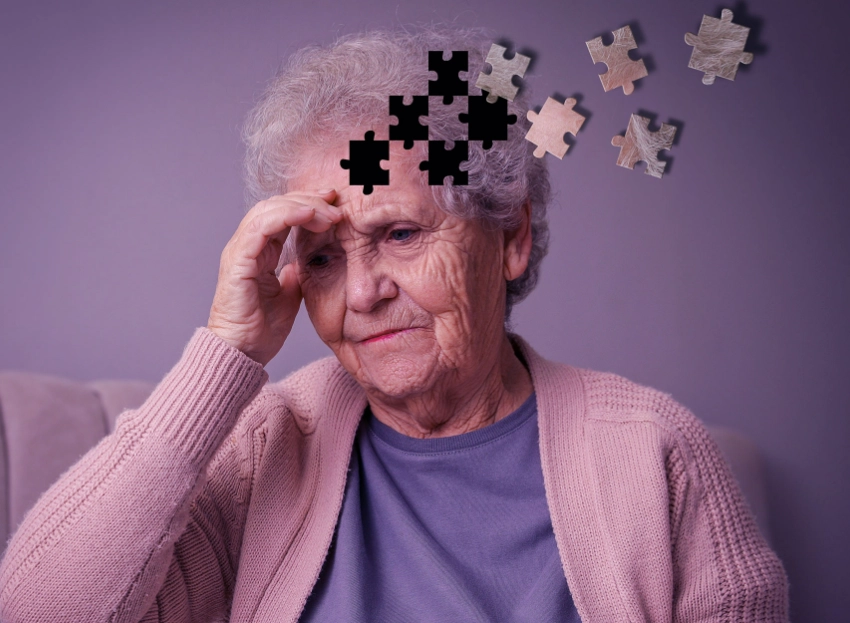
The Hormone Rollercoaster: Estrogen's Role in Brain Health
This is a huge piece of the puzzle. Estrogen isn't just about reproduction; it's a powerhouse neuroprotective hormone. It helps support memory, promotes the health of brain synapses (those crucial communication points between neurons), and may even help clear the amyloid plaques associated with Alzheimer's.
Then comes menopause. The dramatic drop in estrogen levels isn't just about hot flashes and night sweats. For the brain, it can be like losing a key line of defense. Some researchers believe this hormonal shift may create a "window of vulnerability" where the brain becomes more susceptible to the pathological changes of Alzheimer's. It's a theory that makes intuitive sense, but the science isn't perfectly clear-cut yet. Some hormone therapy studies show potential cognitive benefits if started around the time of menopause, while others show risks. It's a classic case of "it depends," which is incredibly frustrating for women looking for clear answers.
Genetics: The APOE-e4 Gene Hits Differently
Here's a genetic twist that feels particularly unfair. The APOE-e4 allele is the strongest known genetic risk factor for late-onset Alzheimer's. Having one copy increases your risk. Having two copies increases it even more.
But here's the kicker: this gene seems to have a stronger effect in women than in men. A woman with one copy of APOE-e4 may be at greater risk than a man with the same genetic profile. Why? Researchers think it might interact with the loss of estrogen or other female-specific biological pathways. It's as if the genetic risk gets amplified in a woman's body. This is a critical point when we talk about Alzheimer's in women – the same risk factors don't always carry the same weight.
Beyond Biology: The Lifestyle and Social Puzzle
We can't just look under the microscope. Our lives shape our brains. Historically, women have had different educational and professional opportunities, which can impact cognitive reserve – the brain's resilience. Lower lifetime cognitive stimulation might be a factor, though this gap is thankfully closing for newer generations.
Then there's mental health. Depression is more commonly reported in women and is a known risk factor for cognitive decline. The stress of juggling multiple roles (caregiver, professional, parent) over a lifetime might also take a cumulative toll on brain health. It's the concept of allostatic load – the wear and tear on the body from chronic stress. I think this is a massively under-discussed aspect. The mental load that women often carry isn't just exhausting; it might have real, physical consequences for the brain.
| Risk Factor | Impact on Women | Why It Matters for Alzheimer's |
|---|---|---|
| Longer Lifespan | Women live 5+ years longer on average. | More time in the high-risk age window (65+). |
| Menopause & Estrogen Loss | Sudden drop in neuroprotective hormone. | May create a period of increased brain vulnerability to damage. |
| APOE-e4 Gene | Stronger effect seen in women carriers. | Genetic risk is amplified, leading to higher disease likelihood. |
| Higher Rates of Depression | Women are nearly twice as likely to experience depression. | Depression is linked to inflammation and reduced hippocampal volume, increasing dementia risk. |
| Historical Educational Gaps | Older generations of women had fewer formal education opportunities. | Can lead to lower cognitive reserve, making the brain less resilient to pathology. |
See what I mean? It's a perfect storm. Biology sets the stage, and life experience directs the play.
Spotting the Signs: Are Symptoms Different for Women?
This is a question I get a lot. Does Alzheimer's actually *look* different in women? The core symptoms – memory loss, confusion, difficulty with familiar tasks – are the same. But the journey to diagnosis and the presentation can have subtle, yet important, differences.
Some studies suggest women may maintain verbal abilities longer than men in the early stages. They might be better at "covering" for memory lapses in conversation, which can ironically delay diagnosis. A woman might recall the details of a story but forget why she walked into the room, and her fluency masks the underlying problem.
On the flip side, research presented at the Alzheimer's Association international conferences has indicated that women might show faster cognitive decline once diagnosed. It's as if the disease progresses more rapidly after it takes hold. This has huge implications for planning and care.
And let's talk about diagnosis itself. There's a troubling trend of misdiagnosis or delayed diagnosis in women. Sometimes, symptoms are brushed off as "stress" or "menopausal brain fog." This diagnostic delay is a serious problem because early intervention is key. Every month lost is a month where potential therapies and lifestyle interventions could have been more effective.
What Can You Actually Do? Strategies Focused on Women's Brains
All this talk about risk can feel overwhelming. I felt that way too. But the good news is that a lot of the factors within our control are the same for everyone, just with a bit of a female-focused lens. The goal is to build the strongest, most resilient brain possible.
Building Your Cognitive Resilience Plan
- Get Serious About Heart Health: What's good for your heart is good for your brain. This is the most consistent finding in dementia prevention. High blood pressure, especially in midlife, is a major risk factor. Manage it through diet, exercise, and medication if needed. The CDC's heart disease resources are a great place to start for credible info.
- Move Your Body, Consistently: Aim for both aerobic exercise (to get blood pumping) and strength training. Strength training is particularly important for women as we age to maintain muscle mass and metabolic health, which are indirectly linked to brain health.
- Challenge Your Brain in New Ways: Don't just do crossword puzzles if you're already good at them. Learn a language, take a music lesson, try a new route to work. Novelty and complexity build stronger neural networks.
- Prioritize Sleep and Stress Management: This is non-negotiable. Poor sleep impairs the brain's glymphatic system, its nightly cleaning process. Chronic stress floods your system with cortisol, which can damage the hippocampus. Meditation, yoga, or even just setting firm boundaries can be brain-saving acts.
- Nourish Your Brain: Think Mediterranean diet – lots of vegetables, fruits, whole grains, olive oil, and fish. Some call it the MIND diet, which specifically combines elements to protect the brain. It's not about deprivation; it's about adding good stuff.
I've tried to incorporate more of these myself. The sleep part is the hardest for me, honestly. But even small changes, like a 20-minute walk most days and adding more leafy greens to my dinner, make me feel like I'm taking active steps, not just waiting for fate to decide.
The Other Side of the Coin: Women as Caregivers
We can't talk about Alzheimer's in women without acknowledging this brutal reality. About two-thirds of dementia caregivers are women. Many are juggling this role with jobs and other family responsibilities. The physical, emotional, and financial strain is immense.
Caregiver burnout is real, and it's a health crisis in itself. You can't pour from an empty cup. If you're in this position, please know that seeking help isn't a failure. It's a necessity.
- Tap into local resources through your Area Agency on Aging.
- Look into respite care services to give yourself a break.
- Join a support group, either in person or online. Talking to people who truly get it is invaluable.
- Don't neglect your own health appointments. Your well-being matters just as much.
Your Questions Answered: Clearing Up the Confusion
Let's tackle some of the specific questions swirling around this topic. These are the things people are actually typing into search engines.
- Struggling to follow the plot of a book or TV show you used to enjoy.
- Getting confused in familiar places, like your regular grocery store.
- New and persistent difficulty with managing finances or following a recipe.
- Withdrawing from social activities or hobbies because they've become too challenging.
- Changes in mood or personality, like becoming unusually anxious, suspicious, or apathetic.
Looking Forward: Advocacy, Awareness, and Hope
Understanding the unique landscape of Alzheimer's in women is the first step. The next step is action – for ourselves and for the women in our lives.
We need to advocate for more research funding specifically focused on these sex and gender differences. We need to push for healthcare systems that take women's cognitive complaints seriously from the start. And on a personal level, we need to make brain health a routine part of our healthcare conversations, right alongside heart health and bone density.
The picture isn't all bleak. Every time we choose a healthy meal, go for a walk, learn something new, or prioritize sleep, we're building resilience. We're taking back some control in a situation that often feels out of our hands.
The conversation about Alzheimer's is changing. It's moving from a silent, shame-filled topic to one we can discuss openly. And by focusing on the specific realities for women – both as patients and as caregivers – we can create better support systems, push for smarter research, and ultimately, change the trajectory of this disease for future generations.
It's a heavy topic, I know. But ignoring it doesn't make it go away. Understanding it gives us power.




Leave a comment