In This Guide
- Why Diabetes in Women Deserves Your Attention
- Spotting the Signs: Symptoms of Diabetes Unique to Women
- The Risk Factors: Are You More Susceptible?
- The Three Main Types of Diabetes in Women
- Hormones in the Driver's Seat: Your Monthly Cycle and Beyond
- Diabetes and Pregnancy: A Delicate Balance
- Building Your Management Toolkit: Beyond the Blood Sugar Meter
- Complications: What You're Working to Prevent
- Your Questions, Answered (The FAQ Section)
- Wrapping It Up: You Are the Expert on You
Let's start with a story. Sarah, a friend of mine in her late 30s, was always tired. I mean, the kind of tired that eight hours of sleep couldn't fix. She blamed it on work, on being a mom, on just getting older. Then came the weird stuff—yeast infections that wouldn't quit, blurry vision she thought she needed new glasses for, and this constant, unquenchable thirst. Her doctor ran some tests. The diagnosis? Type 2 diabetes. She was shocked. "But I'm not that unhealthy," she said. That's the thing about diabetes in women—it doesn't always look the way you think it will, and it plays by a different set of rules thanks to our hormones.
If you're reading this, maybe you're a bit like Sarah. Maybe you're worried, curious, or just trying to make sense of a recent diagnosis. You're not looking for a dry medical textbook. You want the real talk about what diabetes means for you—for your body, your life, your future. That's exactly what we're going to do here. We'll ditch the jargon and get into the nitty-gritty of symptoms, risks, and management, with a laser focus on the female experience.
Why Diabetes in Women Deserves Your Attention
Honestly, for years, a lot of diabetes research treated women like smaller men. We now know that's a huge mistake. The interplay between blood sugar and female hormones creates a unique landscape. According to the Centers for Disease Control and Prevention (CDC), women with diabetes have a higher risk of heart disease compared to men with diabetes. That's a sobering fact. It's not just about high blood sugar; it's about how that high blood sugar interacts with estrogen, progesterone, and all the other hormonal shifts we go through monthly and across a lifetime.
The risks are different. The symptoms can be different. Even the way our bodies respond to medication can be different. Understanding diabetes in women is the first step to taking back control.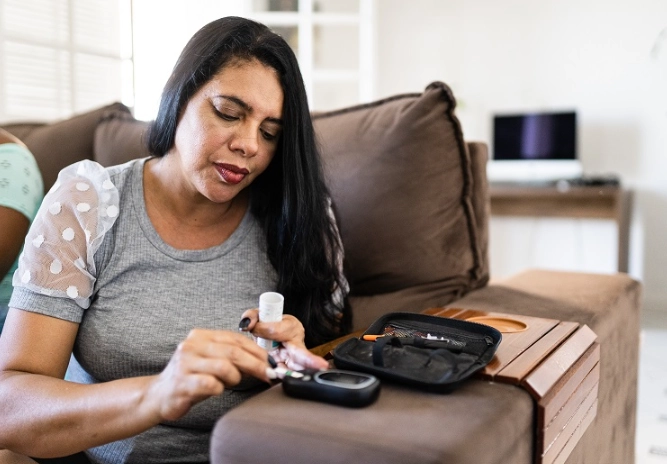
Spotting the Signs: Symptoms of Diabetes Unique to Women
Sure, the classic symptoms—thirst, frequent urination, fatigue—apply to everyone. But there's a whole other list that often gets missed because they're written off as "women's problems." I can't tell you how many times I've heard friends dismiss these.
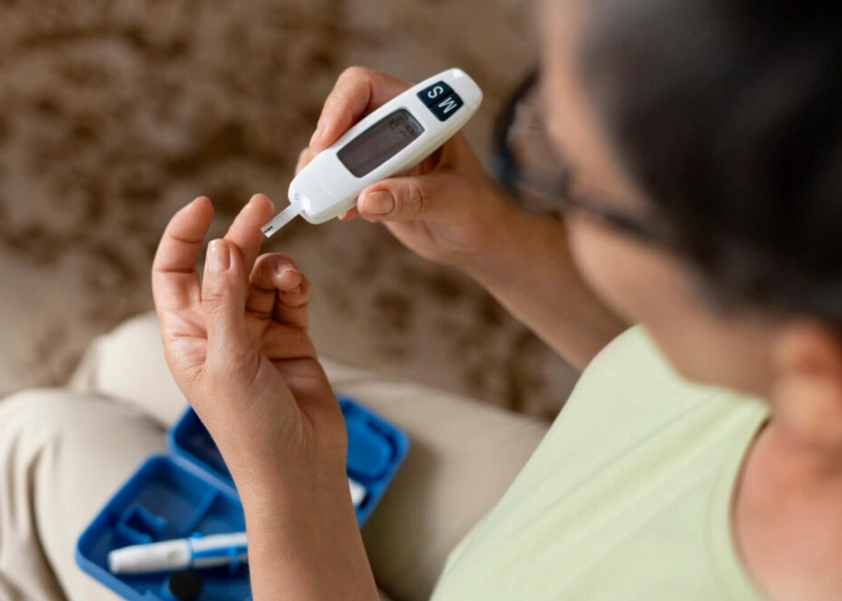
- Recurrent Yeast Infections and UTIs: High blood sugar creates a perfect environment for yeast and bacteria to grow. If you're dealing with constant itching, burning, or urinary tract infections, your blood sugar could be the silent culprit.
- Polycystic Ovary Syndrome (PCOS): This is a huge one. There's a strong two-way link. PCOS increases insulin resistance, which is a major driver of type 2 diabetes. In fact, over half of women with PCOS develop type 2 diabetes by age 40. If you have PCOS, monitoring for diabetes isn't just prudent—it's essential.
- Sexual Dysfunction: This is rarely talked about openly, but diabetic neuropathy (nerve damage) and reduced blood flow can lead to decreased sensation, vaginal dryness, and difficulty with arousal. It can feel isolating, but it's a recognized medical issue.
- Female Sexual Arousal Disorder: Linked to the nerve and blood flow issues mentioned above.
- Unexpected Weight Changes: While weight loss can happen in type 1, some women with insulin-resistant type 2 might find it frustratingly hard to lose weight, even when they're trying.
The Risk Factors: Are You More Susceptible?
Knowing your risk is power. It's not about fear; it's about awareness. Some factors you can't change, but many you can influence. Let's break them down.
Non-Modifiable Risks (The Cards You're Dealt)
- Family History: Having a parent or sibling with diabetes significantly increases your risk.
- Age: Risk increases as you get older, particularly after 45.
- Race/Ethnicity: Women who are Black, Hispanic, Native American, Asian American, or Pacific Islander have a higher risk. The reasons are complex, involving genetics and systemic health disparities—a topic that deserves more honest discussion in healthcare.
- Personal History of Gestational Diabetes: If you had diabetes during pregnancy, your risk of developing type 2 diabetes later skyrockets. We'll talk more about this later.
- Having PCOS: As mentioned, it's a major red flag.
Modifiable Risks (Where You Can Take the Wheel)
- Carrying Excess Weight, Especially Around the Abdomen: Belly fat is metabolically active and strongly linked to insulin resistance.
- Physical Inactivity: Muscles that aren't used don't take up glucose as well.
- Unhealthy Diet: A diet high in processed foods, sugary drinks, and refined carbs is a fast track to metabolic trouble.
- Smoking: It increases insulin resistance and damages blood vessels, compounding diabetes risks.
- High Blood Pressure and Cholesterol: These often travel together with insulin resistance in a condition sometimes called metabolic syndrome.
See the pattern? The lifestyle factors that influence diabetes risk are the same ones that impact overall health. It's all connected.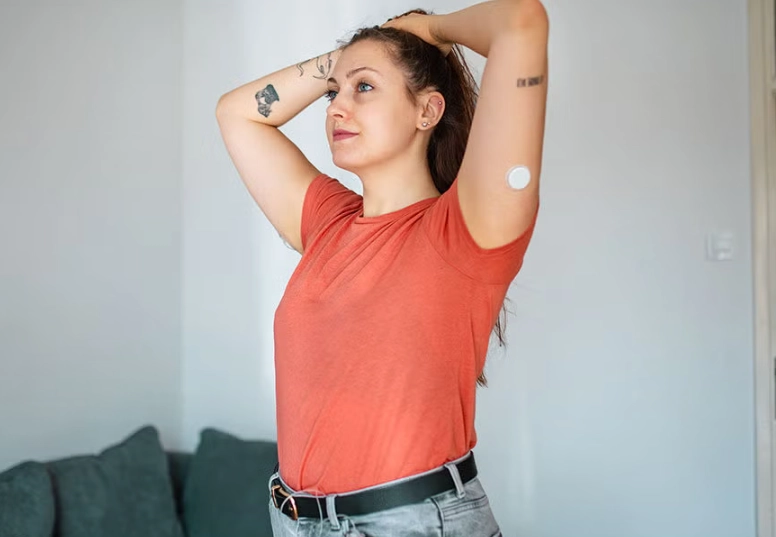
The Three Main Types of Diabetes in Women
It's not a one-size-fits-all disease. Understanding which type you're dealing with is critical for management.
| Type | What Happens | Typical Onset | Key Management Focus |
|---|---|---|---|
| Type 1 Diabetes | The immune system attacks and destroys the insulin-producing cells in the pancreas. The body produces little to no insulin. | Often in childhood or adolescence, but can occur at any age. | Lifelong insulin therapy via injections or pump. Careful carbohydrate counting. |
| Type 2 Diabetes | The body becomes resistant to insulin, and eventually the pancreas can't make enough to keep up. | Usually in adulthood, but rising alarmingly in younger people. | Lifestyle changes (diet, exercise) are cornerstone. May require oral meds and/or insulin. |
| Gestational Diabetes (GDM) | Diabetes that develops during pregnancy in women who didn't have it before. | Second or third trimester of pregnancy. | Diet and exercise first. May require insulin to protect the baby. Usually resolves after birth but leaves a high future risk. |
Each type presents its own challenges for women. For instance, managing type 1 around a menstrual cycle is its own special puzzle—many women need more insulin in the days before their period due to hormonal shifts.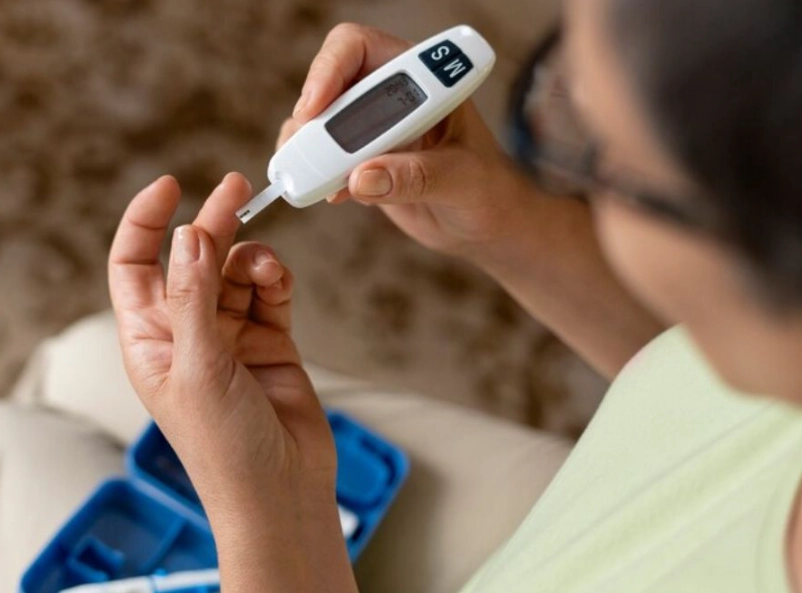
Hormones in the Driver's Seat: Your Monthly Cycle and Beyond
This is where things get personal. If you've ever felt like your blood sugar has a mind of its own, your hormones are likely the puppeteers.
- The Menstrual Cycle: In the week before your period, rising progesterone can cause temporary insulin resistance. You might notice your blood sugar readings are higher and more stubborn, even if you're eating the same things. After your period starts, insulin sensitivity often returns. Tracking your cycle alongside your glucose logs can reveal powerful patterns.
- Perimenopause and Menopause: This transition is a big one. Declining estrogen levels are linked to increased abdominal fat (that risky kind) and decreased insulin sensitivity. Add in night sweats disrupting sleep (poor sleep worsens insulin resistance), and it's a perfect storm for blood sugar dysregulation. Many women find their diabetes becomes harder to control during this time.
- Birth Control: Most studies show modern low-dose estrogen pills, patches, and rings have minimal effect on blood sugar for most women. Progesterone-only methods (like the mini-pill, implant, or IUD) are also generally considered safe. However, everyone is different. Monitoring your response is key.
It's a conversation you absolutely must have with your endocrinologist and gynecologist. A one-size-fits-all approach simply doesn't work for managing diabetes in women across different life stages.
Diabetes and Pregnancy: A Delicate Balance
Pregnancy is already a metabolic marathon. Adding diabetes into the mix requires a dedicated team and a lot of self-care. The goal is clear: keep mom healthy and give baby the best start.
If You Have Pre-Existing Diabetes (Type 1 or 2)
Planning is everything. Getting your blood sugar under tight control before conception is crucial to reduce the risk of birth defects and miscarriage. You'll work closely with a maternal-fetal medicine specialist. Insulin needs often change dramatically throughout pregnancy, requiring frequent adjustment.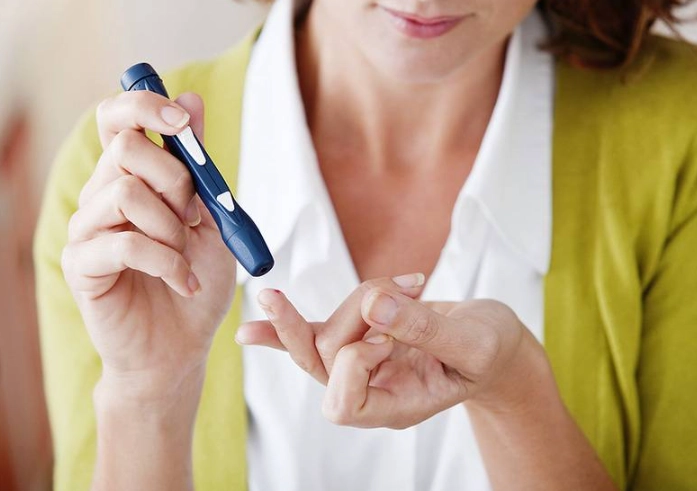
Gestational Diabetes (GDM)
This develops because the placenta produces hormones that cause insulin resistance. It usually shows up around weeks 24-28. The management is intense but temporary:
- Diet: Working with a dietitian to balance carbs, protein, and fat to keep blood sugar stable.
- Exercise: Safe, regular activity like walking or swimming.
- Monitoring: Checking blood sugar 4+ times a day.
- Medication: If diet and exercise aren't enough, insulin is the gold-standard medication during pregnancy, as it doesn't cross the placenta.
Building Your Management Toolkit: Beyond the Blood Sugar Meter
Managing diabetes in women isn't just about a number on a screen. It's about holistic well-being. Here’s what should be in your toolkit.
The Non-Negotiables
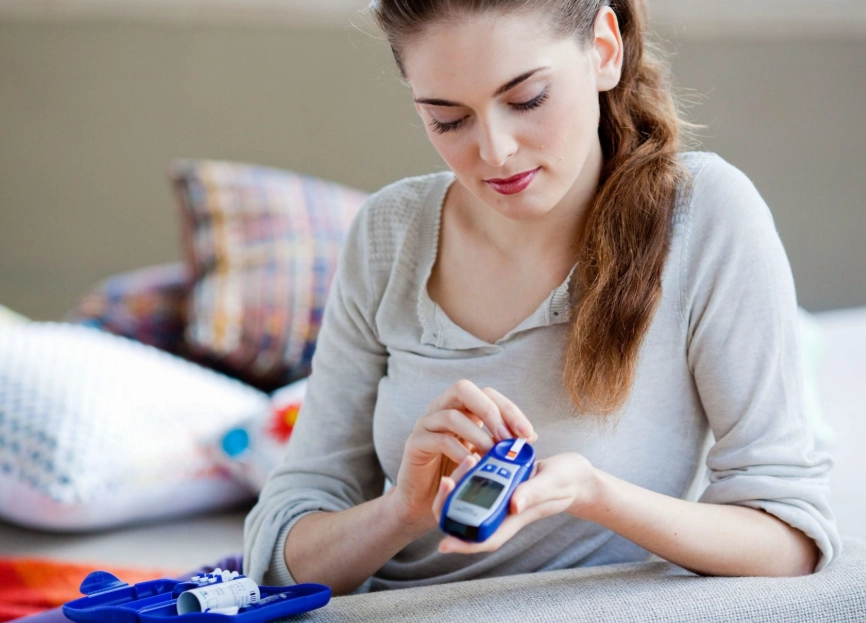
- Blood Glucose Monitoring: This is your data. Whether through fingersticks or a Continuous Glucose Monitor (CGM), it tells you how food, activity, stress, and hormones affect you.
- Nutrition That Works for You: Forget fad diets. Focus on consistent, balanced meals with plenty of fiber (veggies, whole grains), lean protein, and healthy fats. A registered dietitian who specializes in diabetes is worth their weight in gold.
- Movement You Enjoy: You don't have to run marathons. Brisk walking, dancing, strength training (building muscle improves insulin sensitivity!), yoga—find what feels good and do it regularly.
- Medication Adherence: Take what's prescribed, as prescribed. If side effects are awful, talk to your doctor about alternatives—don't just stop.
The Often-Forgotten Essentials
- Stress Management: Cortisol, the stress hormone, raises blood sugar. Meditation, deep breathing, therapy, or even just a hobby can be powerful medicine.
- Sleep Hygiene: Poor sleep messes with hunger hormones and insulin sensitivity. Prioritize 7-9 hours of quality sleep.
- Foot Care: Check your feet daily for any cuts, blisters, or changes. Nerve damage can make you unaware of injuries.
- Regular Check-ups: This includes your A1c test, annual dilated eye exam, kidney function tests, and cholesterol checks.
Complications: What You're Working to Prevent
Let's be real. We manage diabetes to feel good today and to prevent serious problems tomorrow. For women, some complications have a unique twist.
- Heart Disease and Stroke: As mentioned, this risk is disproportionately high for women with diabetes. It's the leading cause of death. Managing blood pressure and cholesterol is just as important as managing blood sugar.
- Kidney Disease (Nephropathy): Diabetes can damage the kidneys' filtering system. Annual urine tests are vital for early detection.
- Nerve Damage (Neuropathy): Often starts as tingling or numbness in the feet/hands. Can also affect digestion, sexual response, and more.
- Eye Damage (Retinopathy): High blood sugar damages tiny blood vessels in the retina. That annual eye exam is critical—it can catch changes before you notice any vision loss.
- Depression and Anxiety: The constant mental load of managing a chronic disease is real. Rates of depression are twice as high in people with diabetes. It's not a personal failing; it's a medical complication that deserves treatment.
- Eating Disorders: This is a particularly troubling issue, especially for women with type 1 diabetes who may manipulate insulin doses to lose weight (a dangerous practice called "diabulimia").
The takeaway? Comprehensive care for diabetes in women must include mental health support. Full stop.
Your Questions, Answered (The FAQ Section)
Let's tackle some of the most common, real-world questions I hear from women navigating this.
Let's tackle some of the most common, real-world questions I hear from women navigating this.
Can I still get pregnant if I have diabetes?
Absolutely, yes. With careful planning and tight blood sugar control before and during pregnancy, most women with diabetes have healthy pregnancies and healthy babies. The key word is planning. See your doctor for a pre-conception checkup.
I have PCOS. Am I doomed to get diabetes?
No, you are not doomed. PCOS significantly increases your risk, but it's not a guarantee. This is where those modifiable risk factors become your superpower. Lifestyle changes focused on improving insulin sensitivity (like diet and exercise) are the most powerful tools you have to change your trajectory.
Why is my blood sugar so crazy during my period?
Hormones, hormones, hormones. Progesterone rises in the second half of your cycle, making your cells more resistant to insulin. You might need slightly more medication or be extra mindful of carb intake during that week. Track it for a few cycles and talk to your doctor about a flexible plan.
Are there any diabetes medications that are better or worse for women?
Some medications, like SGLT2 inhibitors, have shown particular heart and kidney benefits, which is great given women's elevated heart risk. However, they can increase the risk of yeast infections. Other drugs, like Metformin, are often used to treat both diabetes and PCOS. There's no "best for women" drug—it's about the best drug for your individual health profile, which your doctor should discuss with you.
Is the fatigue ever going to get better?
This is the million-dollar question. Uncontrolled high blood sugar feels like running through mud. As your levels come into a better range, many people experience a significant boost in energy. But also, look at other culprits: sleep apnea (more common in diabetes), depression, thyroid issues (also more common), or just the exhaustion of constant management. Address the blood sugar, but don't stop investigating if fatigue persists.
Wrapping It Up: You Are the Expert on You
Living with diabetes in women is a journey, not a sprint. Some days will be harder than others. You'll have readings that make no sense. You'll get frustrated with the system, with the cost of supplies, with the unsolicited advice from people who don't get it.
But here's what I've seen from the Sarahs in my life and from countless stories online: knowledge is resilience. Understanding how your unique female biology interacts with this condition gives you back a sense of agency. You learn to advocate for yourself. You learn to see patterns. You build a healthcare team that listens to you.
Start with one thing. Maybe it's drinking more water today. Maybe it's taking a 15-minute walk. Maybe it's just writing down three questions for your next doctor's appointment. This isn't about achieving some impossible standard of health. It's about making choices, day by day, that add up to a fuller, healthier life on your own terms. You've got this.






Leave a comment