Your Guide at a Glance
- What Is Your Immune System, Really? (And Why "Boosting" Is the Wrong Word)
- The Foundation: Nutrition for Immune System Support
- The Lifestyle Levers: Sleep, Stress, and Movement
- The Supplement Question: Helpful or Hype?
- Myths and Misconceptions About Immune Health
- Putting It All Together: A Realistic Week of Immune System Support
- Answering Your Questions (The Stuff You Actually Google)
So, you want to know about immune system support. Honestly, I get it. It feels like every other week there's a new headline, a new superfood, or a miracle supplement promising to "boost" your immunity. It's overwhelming, and frankly, a lot of it is just noise. I remember a few winters ago, I was that person chugging orange juice by the gallon at the first sign of a sniffle, convinced I was doing myself a huge favor. Spoiler alert: I still got sick, and I just ended up with a sugar headache.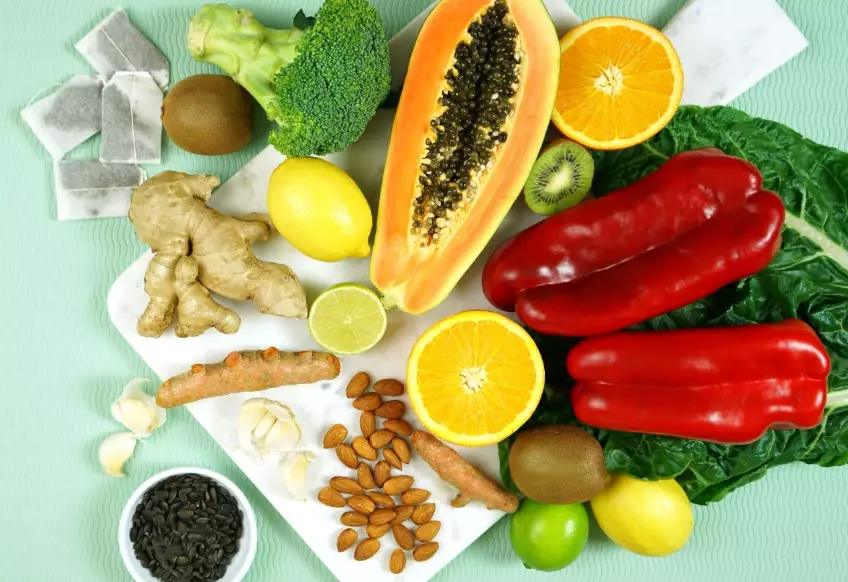
That experience got me digging. What does it really mean to support your immune system? Is it about "boosting" it like some kind of engine, or is it something more nuanced? After spending way too much time reading studies (my coffee table is a testament to this obsession) and talking to people who actually know their stuff, I've come to see it differently. It's less about finding a magic bullet and more about creating an environment where your body's own incredible defense system can do its job without you getting in the way.
Think of it like tending a garden, not launching a rocket.
This guide is my attempt to cut through the hype. We'll look at the real science, the practical habits that make a difference, and the stuff that's probably a waste of your time and money. It's not about fear or chasing perfection; it's about understanding the simple, powerful levers we can pull every day to feel more resilient.
What Is Your Immune System, Really? (And Why "Boosting" Is the Wrong Word)
Let's start by clearing something up. When people say "boost your immune system," they're often picturing it like turning up the volume on a stereo. More power! More soldiers! More attack! But a healthy immune system isn't about being aggressive all the time. In fact, an overactive immune system is the root of allergies, autoimmune diseases, and other serious problems.
What we're really aiming for is immune system support that promotes balance and optimal function. Think of it as a sophisticated, layered security team for your body.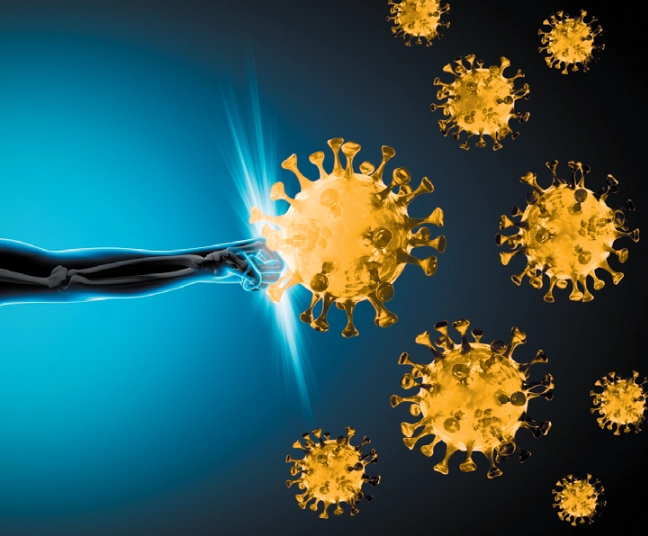
The Key Players: You have your innate immune system—the first responders like skin, mucous membranes, and certain white blood cells that react quickly to any invader. Then you have your adaptive immune system—the special forces that learn to recognize specific threats (like a particular virus) and create targeted antibodies and memory cells for long-term protection. True immune system support nourishes both of these systems.
A great resource that breaks this down without the jargon is from the National Institute of Allergy and Infectious Diseases (NIAID). They explain how these components work together in a clear, authoritative way. It's a good reminder that this isn't a simple, single entity you can just "turbocharge."
So, if we're not "boosting," what are we doing? We're providing the right raw materials, reducing unnecessary stress on the system, and creating habits that allow it to operate as designed. It's a shift from a war metaphor to a maintenance and optimization one.
The Foundation: Nutrition for Immune System Support
You can't talk about supporting your body's defenses without talking about food. It's the fuel and the building blocks. But forget the idea of one "immune-boosting" food. It's about a consistent pattern of eating that provides a wide spectrum of nutrients. Here’s where the real magic happens.
Essential Nutrients You Can't Ignore
Certain vitamins and minerals are like the star employees of your immune team. They're involved in producing immune cells, regulating their function, and acting as antioxidants to protect your cells from damage.
| Nutrient | Key Role in Immunity | Top Food Sources (The Real Deal) | A Quick Personal Take |
|---|---|---|---|
| Vitamin C | Supports various cellular functions of both innate and adaptive systems. An antioxidant. | Bell peppers (red & yellow), kiwi, broccoli, strawberries, citrus fruits. | Way better than just oranges. A red bell pepper has almost 3x the vitamin C of an orange! |
| Vitamin D | Critical for activating immune defenses. Low levels are strongly linked to increased susceptibility. | Fatty fish (salmon, mackerel), egg yolks, fortified foods. Mainly from sun exposure. | This is a big one. Most of us are borderline deficient, especially in winter. Getting levels checked isn't a bad idea. |
| Zinc | Essential for immune cell development and communication. Acts like a gatekeeper. | Oysters (the winner!), beef, pumpkin seeds, lentils, chickpeas. | |
| Selenium | Powerful antioxidant that helps lower oxidative stress and inflammation. | Brazil nuts (just 1-2 a day!), tuna, halibut, eggs. | Be careful with Brazil nuts—they're so high in selenium that overdoing it is possible. Two max for me. |
| Protein | Provides amino acids to build antibodies and immune cells. | Chicken, fish, beans, lentils, tofu, Greek yogurt. |
See, it's not exotic. It's everyday foods, consistently. The Harvard T.H. Chan School of Public Health has a great page on nutrition and immunity that echoes this, emphasizing a balanced plate over any single supplement.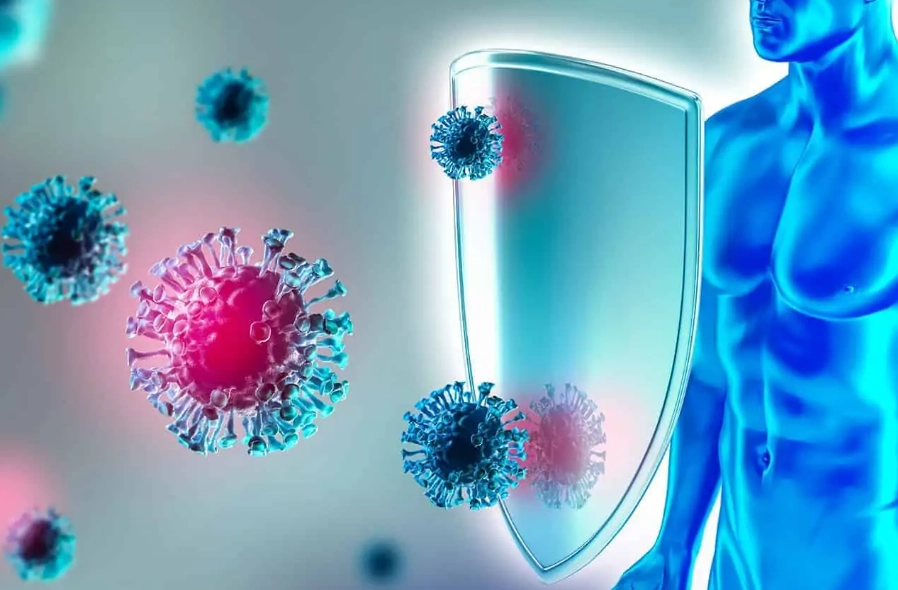
Gut Health: Your Immune System's Command Center
This might be the most underrated part of the conversation. About 70-80% of your immune cells reside in your gut. The community of bacteria living there (your gut microbiome) is in constant communication with your immune system, training it and helping it distinguish friend from foe.
So, how do you support your gut for better immune system support?
- Eat Fermented Foods: Yogurt (with live cultures), kefir, sauerkraut, kimchi, kombucha. These introduce beneficial probiotics.
- Feed the Good Bacteria (Prebiotics): They love fiber. Think onions, garlic, leeks, asparagus, bananas, oats, and apples.
- Diversify Your Plants: A 2018 study highlighted that people who eat 30+ different plant types per week have a more diverse gut microbiome than those eating 10 or fewer. It's not about volume, but variety.
When your gut is happy, it sends the right signals to your immune army. Neglect it, and things can get confused, leading to inflammation or a weakened response.
The Lifestyle Levers: Sleep, Stress, and Movement
You can eat all the kale in the world, but if you're chronically stressed and sleeping four hours a night, you're undermining your foundation. This is where theory meets the messy reality of life.
Sleep: The Ultimate Immune System Reset
During sleep, especially deep sleep, your body releases cytokines—proteins that target infection and inflammation. Skimping on sleep reduces the production of these protective cytokines and infection-fighting antibodies.
It's like sending your soldiers into battle exhausted and under-equipped.
The National Sleep Foundation outlines this connection clearly. Adults consistently need 7-9 hours. It's non-negotiable for genuine immune system support. I used to pride myself on being a night owl until I realized I was perpetually fighting off minor colds. Prioritizing sleep was the single most effective change I made.
Managing Stress: It's Not Fluffy, It's Science
Chronic stress is a killer for immune function. It triggers the release of cortisol. In short bursts, cortisol is fine—it even suppresses inflammation. But when cortisol levels are constantly high, your immune system gets suppressed and you become more susceptible to infections.
What counts as stress management?
- It's not about eliminating stress (impossible), but about recovery. A 10-minute walk without your phone.
- Deep breathing for two minutes when you feel overwhelmed. (Just inhale for 4, hold for 4, exhale for 6).
- Laughing. Seriously. Watching a funny show reduces stress hormones.
- Setting boundaries. Saying "no" to something that will overload you is a profound act of immune system support.
Exercise: The Golden Mean
Regular, moderate exercise is one of the best pillars of immune health. It promotes good circulation, which allows immune cells to move through the body more freely and do their surveillance job. It also helps manage stress and improves sleep quality—a triple win.
But here's the catch: More is not always better. Prolonged, intense exercise (like marathon training without adequate recovery) can actually temporarily suppress immune function, opening a "window" of increased infection risk. The goal is consistent, moderate activity—think brisk walking, cycling, swimming, or most days of the week—not punishing yourself daily.
The Supplement Question: Helpful or Hype?
This is the minefield. The supplement industry is huge, and regulation is… loose. Supplements can play a role, but they are called "supplements" for a reason—they supplement a solid foundation, they don't create it.
Let's look at some common ones:
- Vitamin D: For many, especially in northern latitudes or with limited sun exposure, supplementation is often necessary to reach optimal levels. This is one of the few with strong evidence for general immune system support.
- Vitamin C: The evidence is mixed. It doesn't seem to prevent colds in the general population, but some studies show it might reduce the duration and severity of a cold if taken regularly. Don't expect miracles.
- Zinc: Zinc lozenges or syrup, taken at the very first sign of a cold, might shorten its length by a day or so. But high doses long-term can interfere with copper absorption and cause other issues.
- Echinacea, Elderberry, etc.: The data is all over the place. Some studies show minor benefits for reducing cold duration; others show none. The quality of the supplement matters immensely. I've tried elderberry syrup—sometimes I think it helps, sometimes I'm not sure. The placebo effect is powerful!
- Probiotics: Specific strains may be helpful for gut and immune health, particularly if you've taken antibiotics. Look for strains like Lactobacillus and Bifidobacterium.
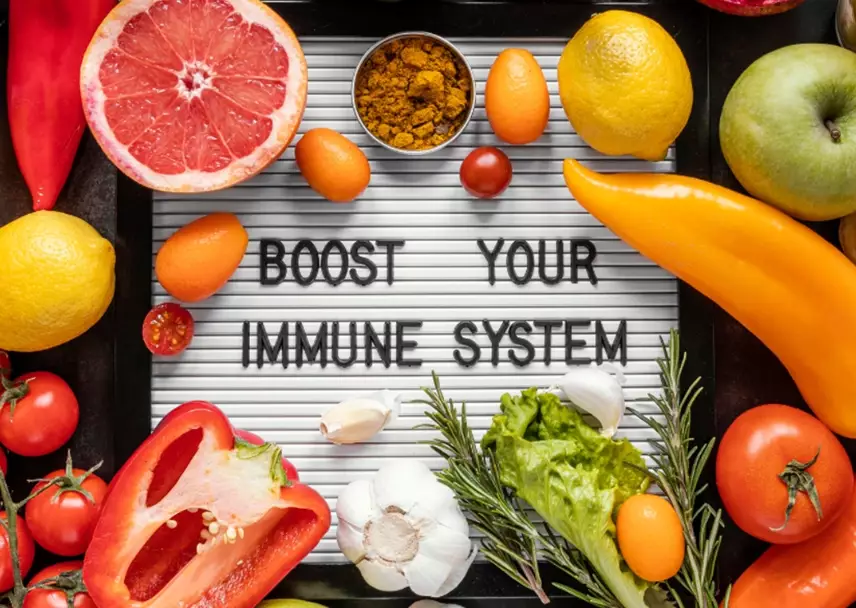
The bottom line on supplements: They are not a shortcut. It's far more effective to invest your time and money into whole foods, sleep, and stress management first. If you do consider a supplement, talk to a healthcare provider, especially if you have underlying conditions or take other medications. The NIH Office of Dietary Supplements is an unbiased, science-based resource for fact sheets on every supplement imaginable.
Myths and Misconceptions About Immune Health
Let's bust some common myths. Clearing these up is part of providing real immune system support.
Myth 1: "I feel a cold coming on, I'll mega-dose Vitamin C." Sorry, the ship has likely sailed. The potential benefits of Vitamin C are from consistent daily intake, not a massive dose once you're already sick. That just gives you expensive urine.
Myth 2: "The more sterile my environment, the better." This is the opposite of helpful, especially for kids. Our immune systems need exposure to everyday germs to learn and develop properly. The CDC's hygiene guidelines are smart—wash hands to prevent the spread of serious pathogens, but don't live in a bleach bubble. Let kids play in the dirt.
Myth 3: "I'm taking this immune-booster, so I can skip the flu shot." No. Just no. Vaccines are the single most effective tool we have for training your adaptive immune system against specific, dangerous threats. They provide a "practice run" without the danger of the actual disease. A supplement will never replicate that. This is non-negotiable from a public health and personal protection standpoint.
Myth 4: "If I'm not sick, my immune system is weak." Actually, not getting sick from every little bug is a sign your immune system is working well! A strong, balanced system deals with threats efficiently, often before you even notice symptoms.
Putting It All Together: A Realistic Week of Immune System Support
Theory is great, but what does this look like in a busy life? Here's a sample, not a rigid prescription:
- Monday: Sleep 7.5 hours. Lunch: Big salad with chickpeas, bell peppers, and pumpkin seeds. 20-minute walk after work.
- Tuesday: Breakfast: Oatmeal with berries and ground flax. Take a 5-minute breathing break when work gets hectic.
- Wednesday: Dinner: Salmon (for Vitamin D) with roasted broccoli and a side of kimchi. Watch a comedy before bed.
- Thursday: Feel a tickle in your throat? Go to bed an hour earlier. Drink some herbal tea with honey.
- Friday: Lunch: Lentil soup with garlic and onions. Social connection is also good for immunity—have a low-stress dinner with friends.
- Weekend: Get outside for some sunlight. Cook a batch of vegetable soup to have ready for the week. Do something fun that makes you lose track of time.
Notice there's no expensive juice cleanse or drastic supplement regime. It's a collection of small, sustainable choices that add up to create an internal environment where your immune system can thrive.
Consistency over intensity. Every time.
Answering Your Questions (The Stuff You Actually Google)
At the end of the day, supporting your immune system isn't about chasing a quick fix. It's a fundamental part of taking care of yourself. It's the boring, unsexy stuff—sleeping enough, managing your stress, eating a variety of real foods, moving your body, and connecting with others—that builds profound resilience.
Forget the headlines about the latest berry from the Amazon. The power is in your daily routine. Start with one thing. Maybe it's adding one more vegetable to your dinner tonight. Or deciding to turn off your screens 30 minutes earlier. That's where real, lasting immune system support begins.




Leave a comment