You feel it by mid-afternoon. That dragging fatigue, the headache brewing behind your eyes, the brain fog making simple decisions a chore. You might blame stress or a poor night's sleep, but more often than not, the culprit is simpler: you're dehydrated. For women, hydration isn't just about drinking water. It's a dynamic puzzle where pieces like hormones, life stages, and lifestyle constantly shift.
I learned this the hard way during my first marathon training. Following generic advice left me cramping and exhausted, while my male training partner seemed fine. It wasn't until I dug into the research and spoke with a sports nutritionist that I understood my hydration strategy needed a complete overhaul for my female physiology.
Let's cut through the noise. Forget the one-size-fits-all "drink eight glasses" mantra. This guide is about actionable, science-informed hydration tips for women that address your real-life scenarios.
What's Inside?
Why Women Need Different Hydration Tips
It starts with body composition. Women, on average, have a higher percentage of body fat and a lower percentage of water than men. Since fat tissue holds less water than muscle, we start with a smaller fluid reserve. Then come the hormones. Estrogen and progesterone influence how your body retains and uses fluids.
Ever feel bloated before your period but also strangely thirsty? That's progesterone at work. During the luteal phase (the two weeks after ovulation), your core temperature rises slightly, increasing baseline fluid loss. A study referenced by the Academy of Nutrition and Dietetics highlights how these cyclical changes can increase hydration needs.
Pregnancy and breastfeeding take this to another level. Your blood volume increases by up to 50%, and amniotic fluid needs constant replenishment. Breastfeeding alone can require an extra 24-32 ounces of fluid daily – that's on top of your normal needs. I remember during breastfeeding, my thirst was a physical, urgent sensation unlike anything else.
How Much Water Should a Woman *Really* Drink?
The U.S. National Academies of Sciences, Engineering, and Medicine suggests an adequate daily fluid intake is about 2.7 liters (91 ounces) for women from all beverages and foods. But that's a population average. Your personal number is more specific.
A better formula is to drink 0.5 to 0.6 ounces of fluid per pound of body weight. Do the math:
Your Weight (lbs) x 0.5 = Your Daily Fluid Target (oz)
For a 140-pound woman, that's 70 ounces minimum. Now, add modifiers:
- Exercise: Add 12-16 ounces for every 30 minutes of sweat-inducing activity.
- Heat/Humidity: Add at least 16 ounces.
- Pregnancy: Add 24-32 ounces.
- Breastfeeding: Add 32+ ounces.
The most honest gauge isn't a calculator; it's your body. Check your urine. Pale straw or light lemonade color? You're on track. Dark yellow or apple juice color? You're playing catch-up.
Listen up: Thirst is a late-stage signal. By the time you feel thirsty, you're already mildly dehydrated. If you're waiting for thirst to drink, you're setting yourself up for fatigue and headaches.
Your Hydration Toolkit: Sources Beyond the Glass
Chugging plain water all day is a chore. The good news? About 20% of our fluid intake comes from food, and other beverages count too. The key is choosing wisely.
| Source | Hydration Pros | Hydration Cons / Notes | Best For... |
|---|---|---|---|
| Plain Water | Zero calories, readily available, pure hydration. | Can be boring. Lacks electrolytes lost in heavy sweat. | All-day sipping, mild activity. |
| Herbal Tea (hot or iced) | Great flavor variety, antioxidants, calming. | Some (like dandelion) can have mild diuretic effects. | Evening hydration, stress relief. |
| Coconut Water | Natural electrolytes (potassium), lower sugar than sports drinks. | Can be high in potassium for those with kidney issues. | Post-workout, natural electrolyte boost. |
| Infused Water | Makes drinking water enjoyable, trace vitamins from fruits/herbs. | Needs prep. Flavor fades. | Making hydration appealing, adding variety. |
| Hydrating Foods | Provides water + fiber + nutrients. Very satiating. | Water content varies. Not a replacement for fluids. | Boosting overall fluid intake, snacks. |
Let's talk about those hydrating foods. This is where you can get creative. A big salad with cucumber and tomatoes, a bowl of watermelon cubes, a smoothie with spinach and berries – these all contribute significantly. A single cup of cucumber slices is over 95% water.
When Electrolytes Matter (And When They Don't)
Electrolytes—sodium, potassium, magnesium—help your cells hold onto water. For a daily office worker drinking water and eating balanced meals, you're likely fine. The need spikes when you're sweating profusely for over an hour, experiencing diarrhea or vomiting, or living in extreme heat.
A subtle mistake? Drinking only plain water during a long, sweaty hike or hot yoga class. You're replacing water but diluting the sodium in your bloodstream, which can lead to hyponatremia, a dangerous condition. For most women's 45-minute gym session, water is perfect. For a two-hour trail run, you need electrolytes.
Tailored Tips for Different Life Stages
Hydration Tips for Women in Their 20s & 30s (Active & Hormonal)
This is often the "burning the candle at both ends" phase—career, social life, fitness. Dehydration masquerades as stress. Track your cycle. Increase your intake by a glass or two in the week before your period to counter the fluid-loss effects of progesterone. Keep a reusable bottle on your desk and refill it by lunchtime. If you're a regular exerciser, weigh yourself before and after a tough workout. For every pound lost, drink 16-20 ounces of fluid to rehydrate.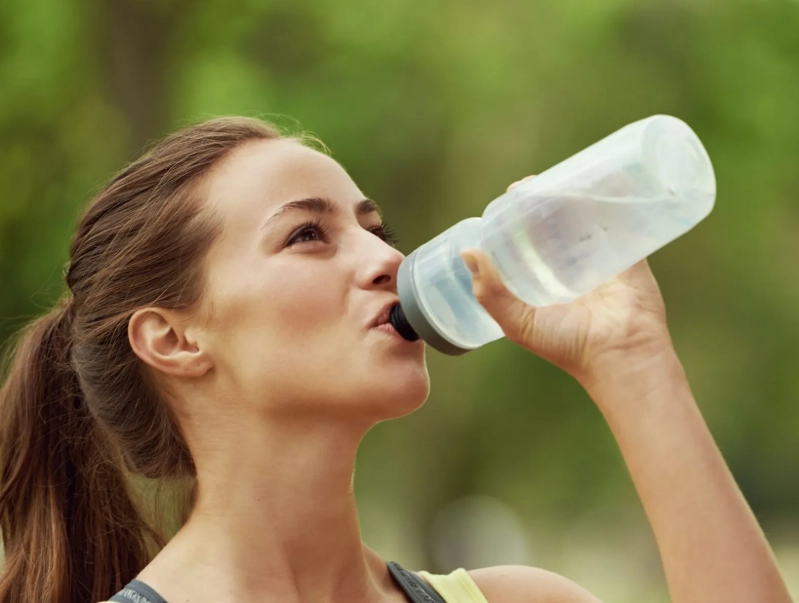
Hydration During Pregnancy & Postpartum
This is non-negotiable. Dehydration can trigger Braxton Hicks contractions and is linked to urinary tract infections. Carry water everywhere. Set phone reminders if you forget. Herbal teas like ginger (for nausea) and red raspberry leaf (in third trimester, with doctor's okay) can be great. Postpartum, especially if breastfeeding, have a giant water bottle stationed at your nursing/pumping spot. Drink a full glass every time you feed. It becomes a ritual.
Hydration for Women in Menopause & Beyond
As estrogen declines, skin becomes drier and mucous membranes lose moisture (hello, dry eyes and mouth). Thirst sensation also diminishes. You must drink on a schedule, not on thirst. Start the day with a big glass of water before coffee. Have a glass with every meal. Incorporate more soups, broths, and water-rich fruits like oranges and peaches. The goal shifts from just hydration to supporting tissue moisture and kidney function.
3 Common Hydration Mistakes Women Make
- Swapping Water for Sparkling Water or Diet Soda Exclusively. While better than nothing, the carbonation can make you feel full, leading you to drink less overall. They also don't hydrate as effectively as plain water over the long term.
- Ignoring the Salt Factor. On a very low-sodium diet (like some strict clean-eating plans), you might struggle to retain fluids. A tiny pinch of high-quality salt in your water or on your food can make a world of difference in hydration status.
- Treating Coffee as a Net Negative. The diuretic effect of moderate caffeine (1-2 cups) is mild and is offset by the water in the coffee itself. It still counts toward your fluid intake. Don't avoid it if you enjoy it; just don't count only on it.
Your Hydration Questions, Answered
The bottom line is this: Hydration for women is a dynamic, intentional practice. It's about tuning into your body's unique rhythms—your cycle, your activity, your stage of life—and giving it the fluid foundation it needs to build energy, think clearly, and feel strong. Start with one tip. Maybe it's buying a water bottle you love. Maybe it's adding a slice of lemon to your glass. Just start. Your body will thank you by mid-afternoon.



Leave a comment