Let's be honest. Starting a new fitness routine can feel overwhelming, especially for women who might be juggling work, family, or just haven't found an exercise that clicks. You've probably heard that Pilates is great for toning and posture, but the thought of a studio full of flexible people can be intimidating. Forget that image. The real magic of Pilates for beginners, particularly women, happens in the small, controlled movements you master at home first. I've taught Pilates for over a decade, and the women who see the fastest, most sustainable results aren't the most flexible in the first class—they're the ones who start smart. This guide cuts through the confusion and gives you a straightforward, month-long plan to build a genuine Pilates foundation.
Your Quick-Start Guide to Pilates
- Why Pilates is a Game-Changer for Women (Beyond Just a Flat Tummy)
- What You Actually Need to Start (Spoiler: Not Much)
- Your First 5 Pilates Moves: A Step-by-Step Breakdown
- The No-Stress 4-Week Beginner Pilates Plan
- 3 Beginner Mistakes That Slow Your Progress (And How to Fix Them)
- How to Make Pilates a Habit That Sticks
- Your Pilates Questions, Answered
Why Pilates is a Game-Changer for Women (Beyond Just a Flat Tummy)
Sure, Pilates is famous for creating strong, lean cores. But if you're a woman starting out, the benefits run much deeper. It's about functional strength—the kind that helps you lift groceries without a twinge, play with your kids without getting sore, and sit at a desk without your shoulders creeping up to your ears.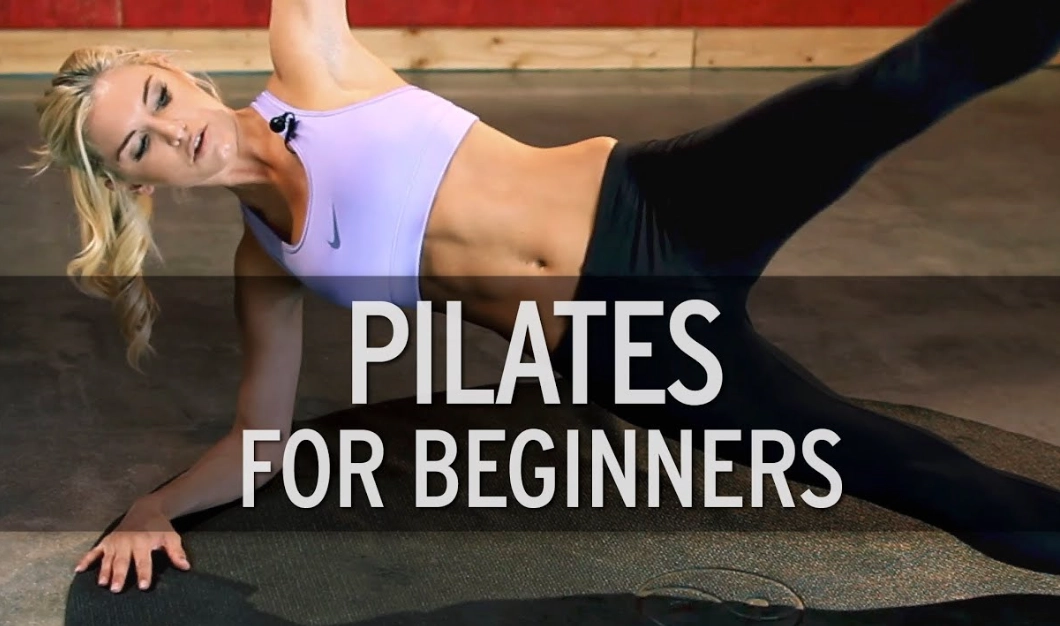
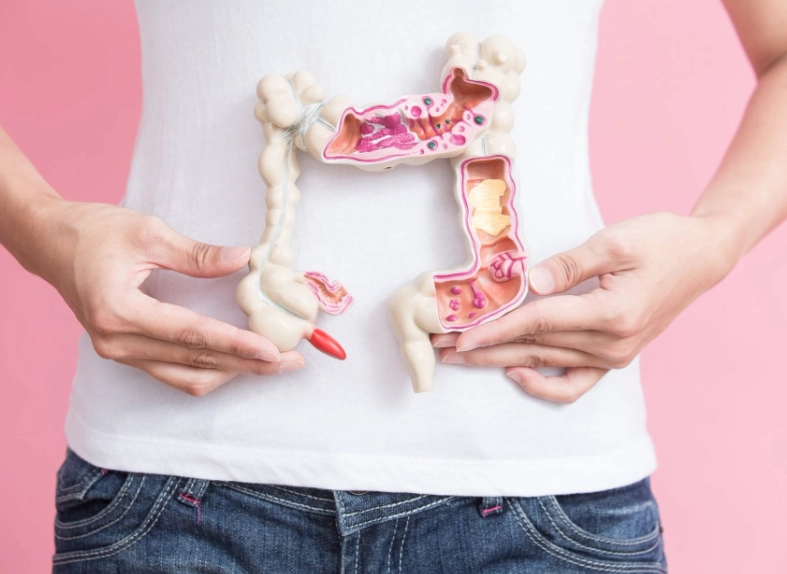
Most women's beginner pilates workouts focus intensely on the transverse abdominis. Think of this as your body's internal corset. It's the deepest layer of abdominal muscle, and when it's weak (which is common, especially post-pregnancy or after years of sit-up-focused workouts), your lower back takes the strain. Pilates teaches you to engage this muscle properly, which is the real secret to a flatter-looking stomach and a pain-free back.
Here's the non-consensus bit most articles miss: Many women come in trying to "suck in" their stomachs. That's wrong. True core engagement in Pilates feels more like a gentle, 360-degree hug around your spine. You should still be able to breathe deeply. If you're holding your breath and turning red, you're just tightening your superficial muscles, which does nothing for long-term stability and can even make back pain worse.
Then there's the mind-body connection. A good Pilates session demands focus. You're not mindlessly repeating reps; you're learning how your body moves. This awareness is powerful. It can improve your posture almost immediately and carries over into every other physical activity you do.
What You Actually Need to Start (Spoiler: Not Much)
One of the best things about how to start Pilates at home for women is the low barrier to entry. You don't need a reformer machine or fancy leggings.
- A Mat: Any exercise or yoga mat will do. Thicker (around 1/2 inch) is better for spine cushioning on hard floors.
- Comfortable Clothes: Wear something fitted enough so you (or an instructor) can see your form, but stretchy enough to move freely. Avoid baggy t-shirts.
- Your Body & Attention: That's genuinely it for the first month.
Later, you might add a small cushion for your head and a resistance band, but they are optional extras. The core of Pilates is bodyweight control.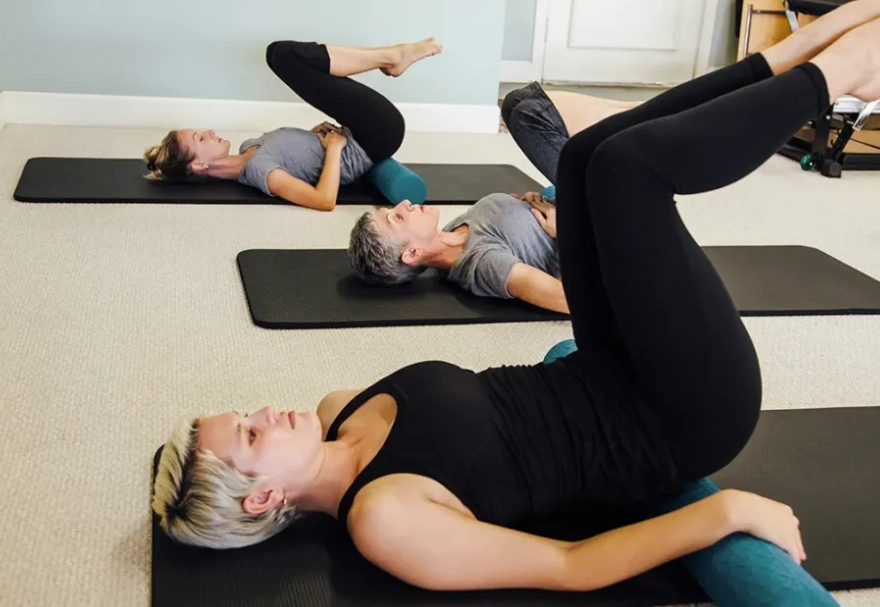
Your First 5 Pilates Moves: A Step-by-Step Breakdown
These foundational exercises form the alphabet of Pilates. Master these, and you'll be able to handle 80% of a beginner class.
1. The Pilates Breath
Lie on your back, knees bent, feet flat. Place your hands on your lower ribs. Inhale deeply through your nose, feeling your ribs expand sideways into your hands. Exhale slowly through your mouth, as if fogging a mirror, and gently draw your lower abdominals in and up, as if zipping up a tight pair of jeans. Your spine stays neutral; don't press your back into the floor. Do this for 5 breaths before every session.
2. Pelvic Tilts
Same starting position. On an exhale, gently tilt your pelvis so your pubic bone lifts toward the ceiling and your lower back presses lightly into the mat. Inhale to return to neutral. It's a tiny, controlled rocking motion, not a big crunch. This wakes up your deep core and mobilizes your spine.
3. The Hundred
The classic. Lie with knees bent (easier) or legs in a tabletop position (knees over hips). Lift your head, neck, and shoulders off the mat, gazing at your belly. Extend your arms by your sides, palms down. Pump your arms up and down about 6 inches, inhaling for 5 pumps and exhaling for 5 pumps. Aim for 10 breath cycles (100 pumps). The goal is to maintain a stable, scooped abdomen while breathing rhythmically.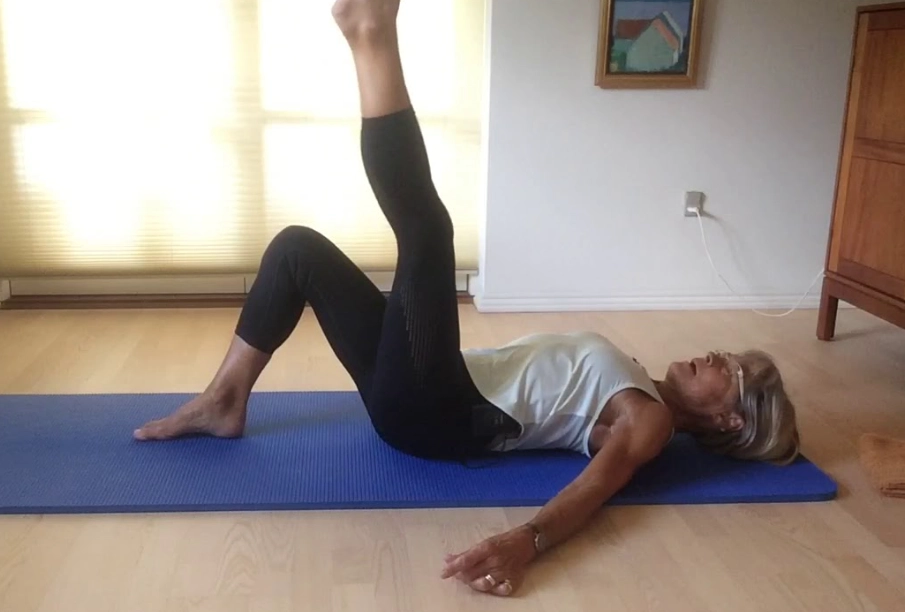
4. Single Leg Stretch
Lie with both knees pulled into your chest, head and shoulders lifted. Extend your right leg out at a 45-degree angle while hugging your left knee in with both hands. Switch legs, pulling the right knee in and extending the left. Keep your core engaged and your lower back pressed to the mat. Move with control, don't rush. This teaches coordination and stability.
5. Spine Stretch Forward
Sit tall with legs extended wider than hip-width, feet flexed. Inhale to sit taller. Exhale, nod your chin to your chest, and roll forward vertebra by vertebra, reaching your arms forward. Go only as far as you can while keeping your back rounded (not arched). Inhale at the bottom, then exhale to roll back up, stacking vertebra by vertebra. This is fantastic for releasing back tension.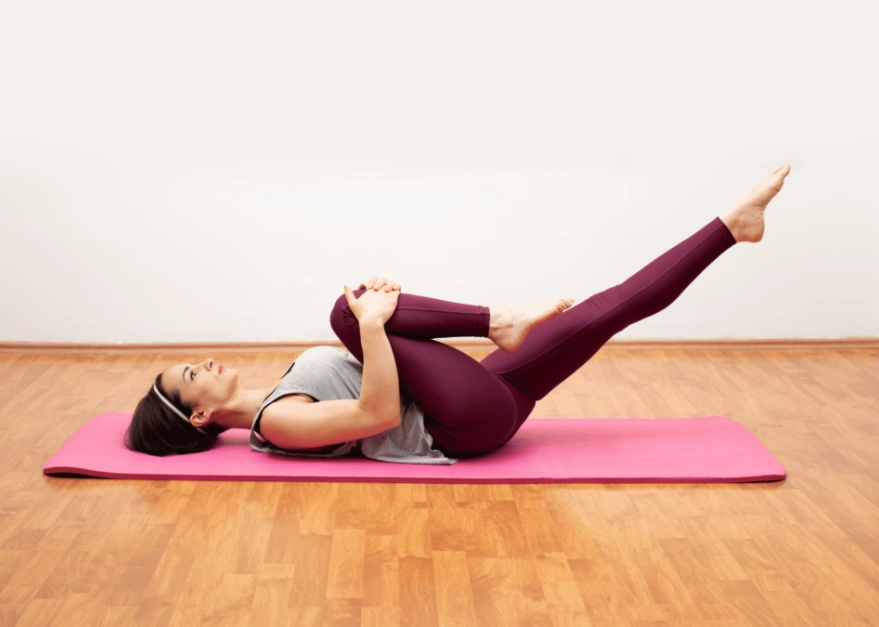
The No-Stress 4-Week Beginner Pilates Plan
Consistency beats intensity every time. This plan builds slowly, allowing your body and mind to adapt.
| Week | Focus | Session Length | Key Moves to Practice |
|---|---|---|---|
| Week 1 | Connection & Awareness | 10-15 minutes, 3x | Pilates Breath, Pelvic Tilts, finding neutral spine. |
| Week 2 | Building the Foundation | 15-20 minutes, 3x | Add The Hundred (modified), Single Leg Stretch, Spine Stretch. |
| Week 3 | Adding Flow | 20-25 minutes, 3-4x | String the moves together. Try a short follow-along video. |
| Week 4 | Establishing the Routine | 25-30 minutes, 4x | You're now "doing Pilates." Focus on quality of movement over quantity. |
Listen to your body. If something hurts (sharp pain, not muscle burn), stop. It's better to do 10 perfect reps than 30 sloppy ones.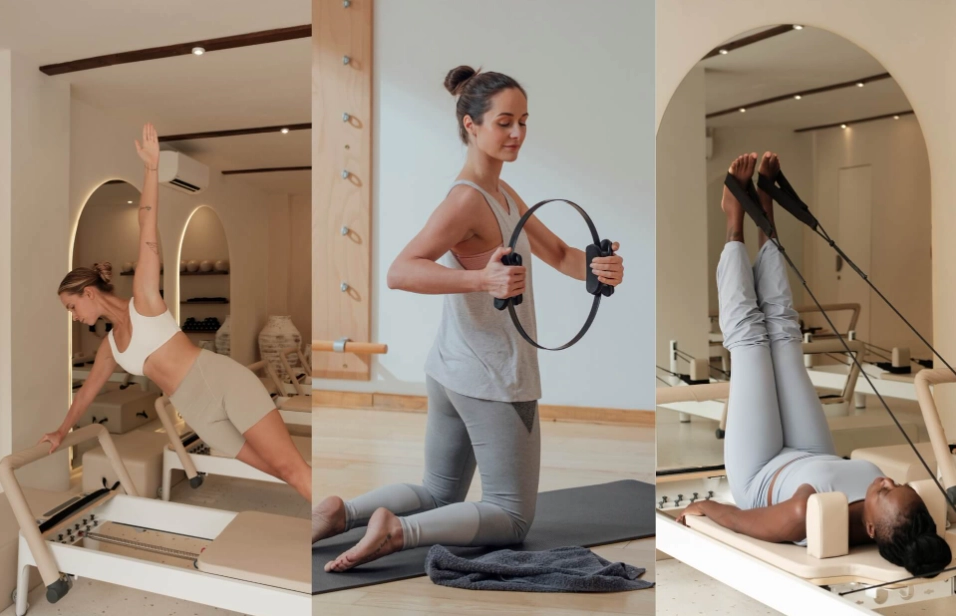
3 Beginner Mistakes That Slow Your Progress (And How to Fix Them)
I see these all the time. Avoiding them will put you miles ahead.
Mistake #1: Leading with the neck. In exercises like The Hundred, you strain your neck to lift your head. Fix: Imagine you're holding a peach under your chin. Don't crush it. Initiate the lift from your upper abdominals, letting your head follow.
Mistake #2: Flaring the ribs. When you lift your arms overhead or extend your legs, your rib cage pops open. This disengages your core. Fix: Keep a slight "ribs-to-hips" connection. Think of closing the front of a blazer.
Mistake #3: Rushing through transitions. Pilates is about control, not speed. Jerking from one move to the next sacrifices form. Fix: Move as if you're in water. Use your exhale to power the movement. The transition is part of the exercise.
How to Make Pilates a Habit That Sticks
Motivation fades. Systems last. Schedule your short Pilates sessions like an important appointment. Put your mat out the night before. Find a 20-minute YouTube video from a certified instructor (look for "Pilates Method Alliance" or similar credentials in their bio) and stick with that one for a whole week. Progress isn't always linear—some days you'll feel strong, others clumsy. That's normal. The key is showing up.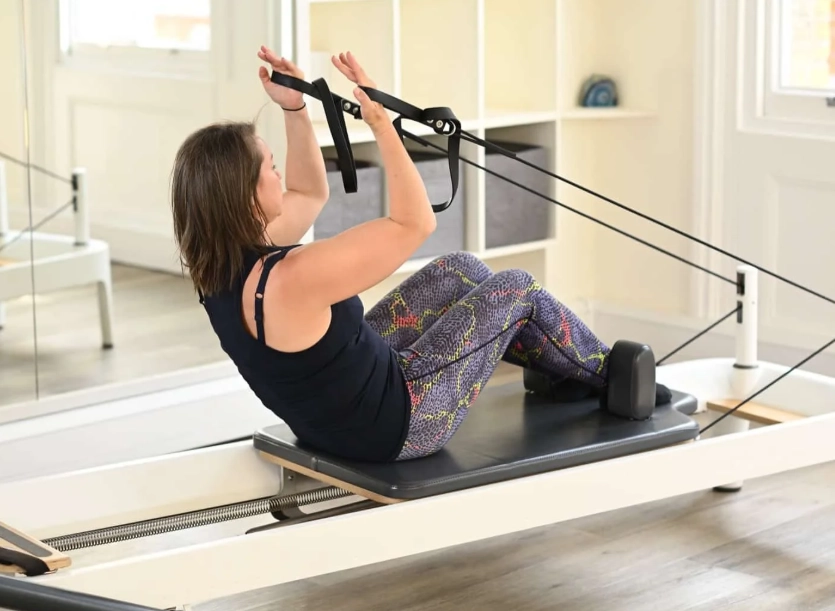
Your Pilates Questions, Answered
I just had a baby 6 months ago and have diastasis recti (abdominal separation). Is Pilates for beginners safe for me?
It can be excellent for recovery, but you must be selective. Avoid any exercises that cause your belly to dome or cone (like full sit-ups or double leg lifts). Focus exclusively on deep core engagement and breathing. The Pelvic Tilt and modified Hundred are great starters. I strongly recommend consulting a women's health physiotherapist or a Pilates instructor certified in postnatal recovery before starting. Organizations like the American Physical Therapy Association have resources to find specialists.
How soon will I see results from a women's beginner pilates workout?
You might feel results—better posture, less lower back tension—within the first few sessions. Visible changes in muscle tone and definition typically take about 4-6 weeks of consistent practice (3-4 times a week). Remember, Pilates builds long, lean muscle, not bulk, so the change is often described as feeling "toned" or "pulled together."
Is it okay to do Pilates during my period?
Absolutely, and it can actually help with cramps. The gentle stretching and focused breathing increase blood flow and can ease tension. Listen to your body. If you're fatigued, opt for a gentler, restorative session focused on breathing and spine mobility rather than a high-energy ab series.
I'm over 50 and not very flexible. Can I still start?
Pilates is one of the best things you can do. The entire method is built on adapting to individual bodies. You work within your own range of motion. The focus on joint stability, balance, and bone-loading (through resistance) is crucial for long-term health. Start with the most basic modifications—bent knees, smaller ranges of motion. The goal is controlled movement, not touching your toes.
What's the one piece of equipment worth buying after the first month?
A medium-resistance loop band. It's cheap, portable, and fantastic for adding challenge to leg and glute exercises without compromising form. It provides feedback, helping you keep your knees aligned during exercises like bridges or clamshells, which is a common issue for women due to hip structure.


Leave a comment