Let's be honest. The world of bone health supplements is confusing. Walk into any store or browse online, and you're bombarded with promises. "Build stronger bones!" "Reverse bone loss!" It's enough to make anyone's head spin. After years working with clients on preventive nutrition, I've seen the same mistakes repeated. People spend a fortune on the wrong pills, or take the right ones in the wrong way, and wonder why their bone density scans don't improve. This guide is different. We're skipping the fluff and getting straight to the actionable, evidence-based strategies. We'll cover the four non-negotiable nutrients, bust common myths, and show you how to build a supplement plan that actually aligns with your body's needs.
What's Inside This Guide
The 4 Essential Nutrients for Bone Building (Not Just Calcium)
Thinking about bone health and only considering calcium is like trying to build a house with just bricks and no mortar, workers, or a blueprint. It's the most talked-about piece, but it's useless alone. Bone is living tissue, constantly being broken down and rebuilt. This process requires a crew of nutrients working together.
1. Calcium: The Building Block (But Choose Wisely)
Yes, calcium is fundamental. About 99% of the body's calcium resides in bones. The goal is to get enough from your diet—dairy, sardines with bones, leafy greens, fortified foods. But when diet falls short, supplementation steps in. Here's where people go wrong: they grab the first cheap bottle of calcium carbonate.
| Type of Calcium | Best For | Key Consideration | Typical Elemental Calcium |
|---|---|---|---|
| Calcium Citrate | Older adults, people with low stomach acid, those on acid-reducers (PPIs). | Well-absorbed with or without food. Gentler on the stomach. | About 21% (e.g., 1000mg citrate provides ~210mg calcium). |
| Calcium Carbonate | People with efficient stomach acid, taken with meals. | Most common and inexpensive. Requires stomach acid for absorption. | About 40% (e.g., 1000mg carbonate provides ~400mg calcium). |
| Calcium from Algae (e.g., Algas Calcareas) | Those seeking a more natural, whole-food source. | Contains trace minerals. Often better tolerated. Can be more expensive. | Varies, but typically around 30-35%. |
The takeaway? If you're over 50 or have digestive issues, calcium citrate is usually the safer bet. Splitting your dose (no more than 500-600mg at a time) improves absorption.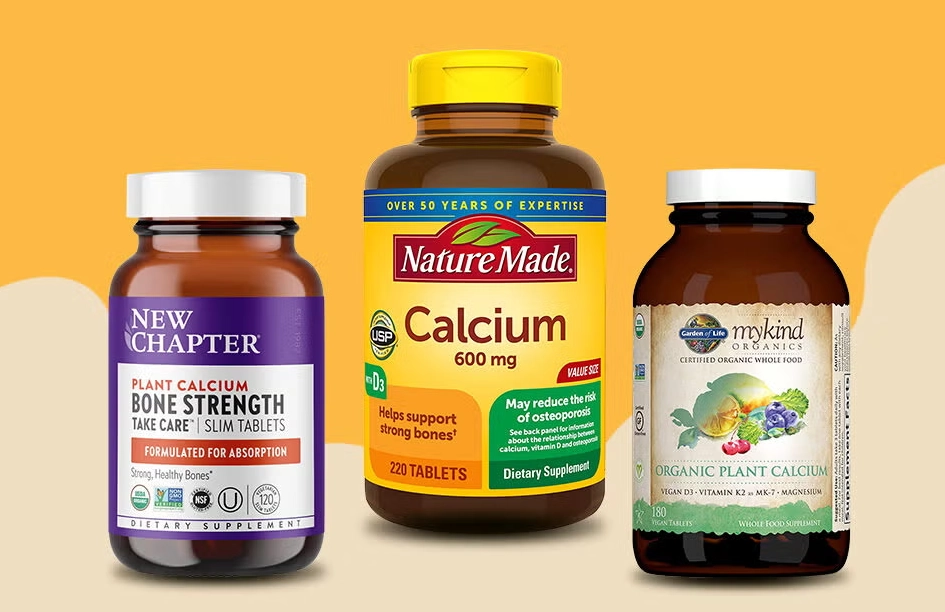
2. Vitamin D: The Door Opener
Without sufficient vitamin D, your body might absorb only 10-15% of the calcium you consume. It's the key that unlocks the door for calcium to enter your bloodstream. Our skin makes it from sunlight, but factors like latitude, skin tone, sunscreen use, and aging make deficiency rampant. The National Institutes of Health notes that nearly 1 in 4 people are deficient.
Most bone health experts agree the old RDA (600-800 IU) is often too low for optimal bone maintenance. Dosing is highly individual, based on a blood test (25-hydroxyvitamin D). A common maintenance dose for adults without deficiency ranges from 1000 to 2000 IU daily of Vitamin D3 (cholecalciferol), the more effective form than D2. Don't guess—test.
3. Vitamin K2: The Traffic Director
This is the supplement most people miss, and it's a game-changer. Think of vitamin D as helping you absorb calcium into your bloodstream. Vitamin K2's job is to direct that calcium into your bones and away from your arteries and soft tissues. It activates proteins (osteocalcin and matrix GLA protein) that manage calcium placement.
There are two main forms: MK-4 (found in animal products) and MK-7 (from fermented foods like natto, and most supplements). MK-7 has a longer half-life, meaning a single daily dose is effective. A dose of 90-180 micrograms of MK-7 is common in bone health studies. If you take a blood thinner like warfarin, you must discuss K2 with your doctor, as it can interfere.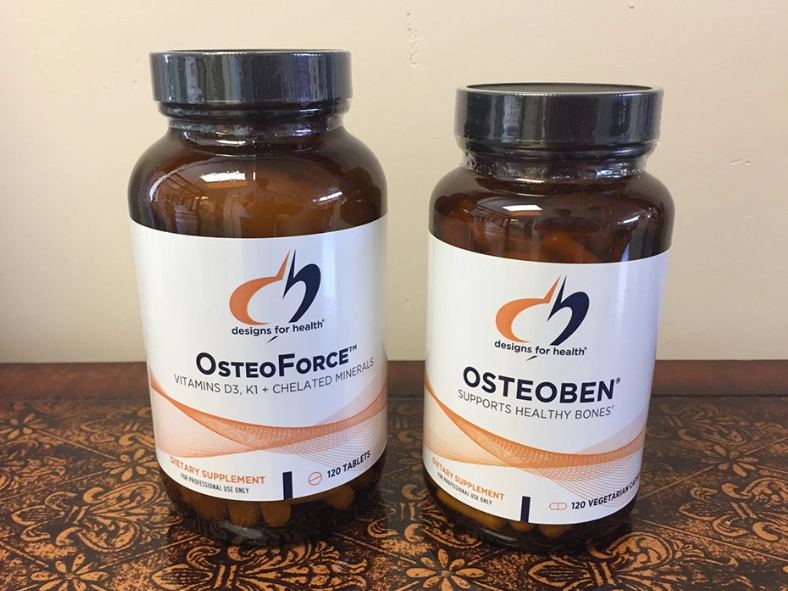
4. Magnesium: The Activation Mineral
Magnesium is a co-factor for over 300 enzymatic reactions, including those that convert vitamin D into its active form and help regulate calcium. A deficiency can make vitamin D supplementation less effective. It also contributes directly to bone crystal formation. Many adults don't get enough from diet (nuts, seeds, leafy greens, legumes).
Forms like magnesium citrate or glycinate are well-absorbed. A dose of 200-400 mg daily is typical. Too much can cause loose stools, so start low. This mineral is a perfect example of the synergy needed—it helps you use both your calcium and your vitamin D better.
How to Build Your Personalized Supplement Plan
A one-size-fits-all approach to osteoporosis prevention supplements is doomed to fail. Your needs depend on three pillars: your age and life stage, your current diet, and your overall health status.
Pillar 1: Age & Life Stage. A 35-year-old premenopausal woman with a decent diet has different needs than a 68-year-old postmenopausal woman. The younger focus is on building peak bone mass and maintenance. The older focus shifts heavily toward preventing loss, which means ensuring absorption (citrate over carbonate) and emphasizing K2 and magnesium to optimize the calcium you're taking.
Pillar 2: Your Dietary Audit. Before you buy a single pill, do a rough 3-day audit. Track your food. How many servings of dairy or calcium-rich greens do you really get? How often do you eat fatty fish or eggs (for vitamin D and K2)? Are your meals magnesium-rich? This tells you your true starting point. If you have three servings of yogurt daily, you might need little to no supplemental calcium.
Pillar 3: Health Status & Medications. This is critical. As mentioned, acid-reducing drugs (PPIs) can hinder calcium carbonate absorption. Certain diuretics can increase calcium excretion. Thyroid medication needs to be spaced several hours apart from calcium supplements. Autoimmune conditions, celiac disease, or Crohn's disease affect nutrient absorption. Your plan must work with your health picture, not against it.
Here's a hypothetical scenario: Linda, 62, postmenopausal. She eats okay but avoids dairy, gets little sun, and takes an occasional antacid. Her diet audit shows low calcium, low vitamin D. Her plan might look like: Calcium Citrate (600mg daily, split AM/PM with meals), Vitamin D3 (2000 IU daily), Vitamin K2 (MK-7, 120 mcg daily), and Magnesium Glycinate (150mg at bedtime). She schedules a blood test to check her vitamin D and parathyroid hormone levels in 3 months.
Top 3 Supplement Mistakes People Make
I see these patterns constantly. Avoiding them puts you ahead of 90% of people.
Mistake 1: The Calcium-Only Tunnel Vision. Loading up on high-dose calcium while being deficient in D, K2, and magnesium is inefficient and, some research suggests, potentially problematic for cardiovascular health if calcium is misdirected. You're paying for bricks that never get properly placed into the bone wall.
Mistake 2: Ignoring the "When" and "With What." Taking your entire calcium dose at once? Your body can't absorb it all. Taking calcium carbonate on an empty stomach or with just coffee? Poor absorption. Taking calcium at the same time as your thyroid medication or an iron supplement? They compete for absorption. Timing and context matter.
Mistake 3: Treating Supplements as a Magic Bullet. No pill can counteract a lifestyle that actively harms bones. High sodium intake leaches calcium. Excessive alcohol and caffeine can interfere with absorption. A sedentary lifestyle tells your body it doesn't need strong bones. The most crucial supplement for bone health is weight-bearing and resistance exercise. It's the signal that tells your bones to use the nutrients you're providing.
Your Bone Health Questions, Answered
Final thought: The best osteoporosis prevention supplement regimen is the one you don't just take, but the one you understand and tailor. It supports, but does not replace, a bone-healthy lifestyle. Start with the dietary audit, consider your personal factors, and build from there. Your bones are your foundation—invest in them wisely.



Leave a comment