You book the appointment, maybe with a little dread. You show up, change into that paper gown, and wait. But what are you actually waiting for? If you think a women's wellness exam is just a quick chat and a Pap smear, you're missing the bigger picture—and potentially short-changing your health. I've been through more of these than I can count, both as a patient and from the perspective of someone who's talked to dozens of providers. Let's pull back the curtain.
A well-woman exam is your annual strategic health meeting. It's a holistic check-in designed to prevent problems, catch issues early, and map out your health trajectory. It's proactive, not just reactive.
Your Quick Guide to This Article
What Exactly Happens During the Visit? A Step-by-Step Breakdown
Forget the vague descriptions. Here’s the real play-by-play of a comprehensive well-woman visit, based on guidelines from sources like the American College of Obstetricians and Gynecologists.
1. The Conversation (The Most Important Part)
This isn't small talk. Your provider should dive deep. We're talking 20-30 minutes of discussion. They'll ask about your menstrual cycle, sexual health, birth control, desire for pregnancy, bladder and bowel habits, sleep, stress, mood, diet, exercise, and alcohol or tobacco use. They'll review your family medical history—not just your mom's health, but your dad's, siblings', and even grandparents'. This chat sets the agenda for everything else.
Here's a tip most people miss: Bring a list. Jot down any weird symptoms, even minor ones. That occasional heartburn? The fatigue you blame on work? Mention it. Context matters.
2. The Physical Exam (Beyond the Speculum)
Yes, there's the famous Pap smear and pelvic exam, but that's just one station.
- Vital Signs: Weight, height, blood pressure, heart rate. They're tracking trends, not just numbers.
- General Physical: Listening to your heart and lungs, feeling your thyroid and abdomen, checking your skin.
- Breast Exam: They'll visually inspect and manually feel your breasts and underarms for lumps or changes. They should also teach you how to do self-exams properly. Don't be shy about asking questions during this.
- Pelvic Exam: This includes the external visual check, the internal exam with fingers to feel your uterus and ovaries, and the speculum exam to visualize your cervix and vaginal walls.
- Pap Smear: If it's time (usually every 3-5 years for most), they'll gently brush cells from your cervix to screen for precancerous changes. It feels like a quick, weird cramp. It's over in seconds.
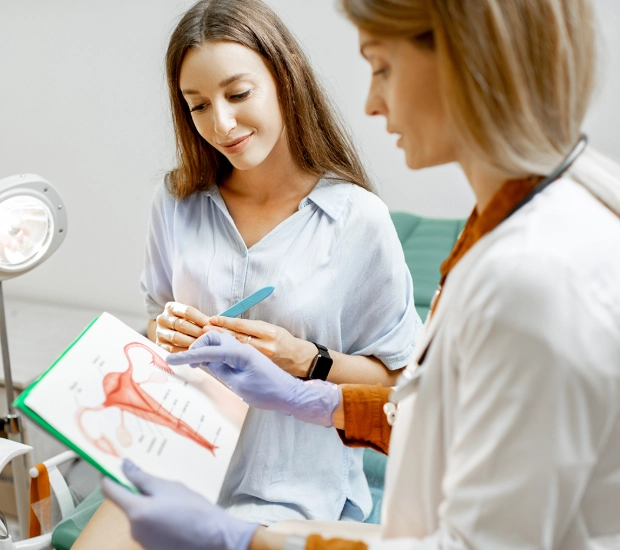
Personal Note: The pelvic exam is the part most women dread. It's awkward, it's cold, and it can be uncomfortable. A good provider talks you through it, asks for consent before each step, and uses a warmed speculum. If yours doesn't, you can absolutely ask for those things. It's your body.
3. Screenings & Vaccinations
This is where age and risk come in. Your exam is personalized.
| Screening | What It Is | Typical Starting Age/Frequency |
|---|---|---|
| Cholesterol Panel | Blood test for heart disease risk | 20s, then every 4-6 years |
| Blood Glucose | Test for diabetes/pre-diabetes | 45, or earlier if high risk |
| Mammogram | X-ray of breast tissue | 40-50, annually or biennially |
| Bone Density (DEXA) | Scans for osteoporosis risk | 65, or earlier if high risk |
| HPV Test | Often co-tested with Pap smear | 30+, every 5 years |
| STI Testing | For chlamydia, gonorrhea, HIV, etc. | Based on sexual activity & age |
They'll also review your vaccination status—TDAP booster, flu shot, COVID-19 vaccines, and crucially, the HPV vaccine if you're eligible and haven't had it.
4. The Wrap-Up & Plan
A good exam doesn't end when you get dressed. Your provider should summarize findings, order any necessary lab work or referrals, and give you clear next steps. This is your time to ask, "What do these results mean for me?"
How the Wellness Exam Changes Through Your Life
A 25-year-old's visit looks different from a 55-year-old's. Let's walk through it.
In Your 20s & 30s: The focus is often on reproductive health—birth control counseling, preconception planning, STI screening, and establishing baseline health metrics. Mental health, particularly around stress and anxiety, is a huge topic here. Your first Pap smears happen here.
In Your 40s: The conversation starts to pivot. Perimenopause symptoms might creep in (irregular periods, hot flashes). Breast cancer screening with mammograms typically begins. Discussions about long-term heart health and bone health become more urgent.
In Your 50s & Beyond: Menopause management is front and center. Screenings for colorectal cancer (like colonoscopies) are added. Bone density scans become routine. The exam becomes less about reproduction and more about maintaining quality of life, managing chronic conditions, and preventing age-related diseases.
The biggest mistake I see? Women in their 50s thinking they can stop going because they're done having kids. That's when you need these check-ins the most.
How to Prepare for Your Wellness Exam (The Right Way)
Showing up unprepared is like going to a business meeting without an agenda. You'll forget half of what you wanted to say.
- Gather Your Intel: Know the first day of your last period. List all medications and supplements, including doses. Jot down your family history updates—did your dad get diagnosed with diabetes? Write it down.
- Make Your Personal Agenda: What's bothering you? Low libido? Pain during sex? Leaking urine when you laugh? That weird mole? Put it on the list. The first item on your list is the first thing you say when the doctor walks in.
- Consider Logistics: You might be asked for a urine sample. Don't go to the bathroom right before your appointment. Wear easy-to-remove clothing. If you're due for a Pap, try not to schedule during your heavy period flow (but if it happens, it's usually okay, just tell them).
- Mental Prep: Give yourself permission to be honest. This is a judgment-free zone (or it should be). If you're nervous, say so. "I'm feeling really anxious about the pelvic exam today" is a totally valid thing to tell your nurse or doctor.

Your Questions, Answered
So, what does a women's wellness exam consist of? It's a conversation, a investigation, a screening session, and a planning meeting all in one. It's the hour you invest each year to own your health narrative. It's not always fun, but feeling in charge of your own body? That's empowering. Book the appointment. Make your list. Show up. You've got this.

Leave a comment