Jump to What Matters
Let's get straight to it. Counting your period cycle isn't just about marking dates on a calendar—it's about understanding your body's rhythm. I've worked with hundreds of women through health workshops, and the biggest confusion I see is where to start. Many think it's complicated, but it's simpler than you'd guess. This guide breaks it down so you can track accurately, spot patterns, and take charge of your health.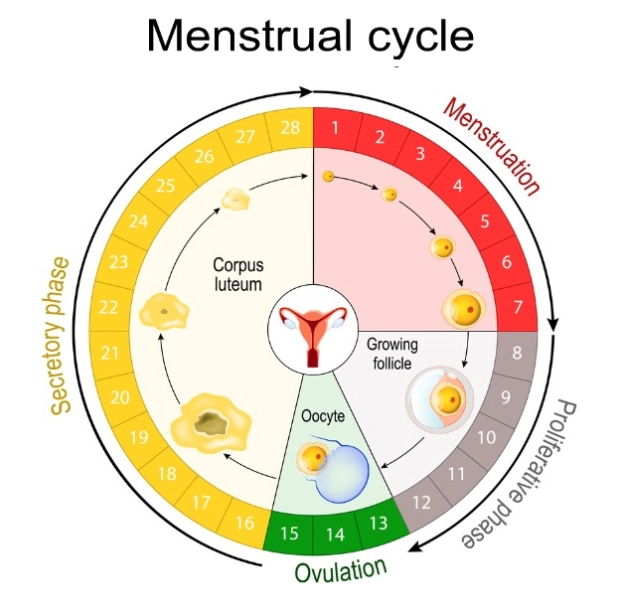
What Is a Menstrual Cycle and Why Tracking Matters
Your menstrual cycle is the time from the first day of one period to the day before the next. It's not just the bleeding days; it's a whole cycle that involves hormonal changes, ovulation, and preparation for pregnancy. The American College of Obstetricians and Gynecologists (ACOG) defines a typical cycle as 21 to 35 days, but normal varies person to person.
Why bother counting? Tracking helps you predict your next period, identify fertile windows if you're planning a pregnancy, and notice irregularities that could signal health issues like polycystic ovary syndrome (PCOS) or thyroid problems. It's also practical—you'll never be caught off guard without supplies.
Key Phases of the Menstrual Cycle
To count well, know the phases. They're not just medical jargon; they affect how you feel.
- Menstrual phase: Days 1-5 usually. This is when bleeding happens. Day 1 is crucial—it's the first day of full flow, not light spotting.
- Follicular phase: From day 1 to ovulation. Your body prepares an egg. This part can vary in length, which is why cycles differ.
- Ovulation: Around day 14 in a 28-day cycle, but it shifts. This is when you're most fertile.
- Luteal phase: After ovulation to the next period. Typically 14 days, but it can be shorter or longer.
I remember a client, Lisa, who thought her cycle was 30 days because she counted from the last day. When we adjusted to day 1, she realized it was actually 26 days—that explained her early surprises.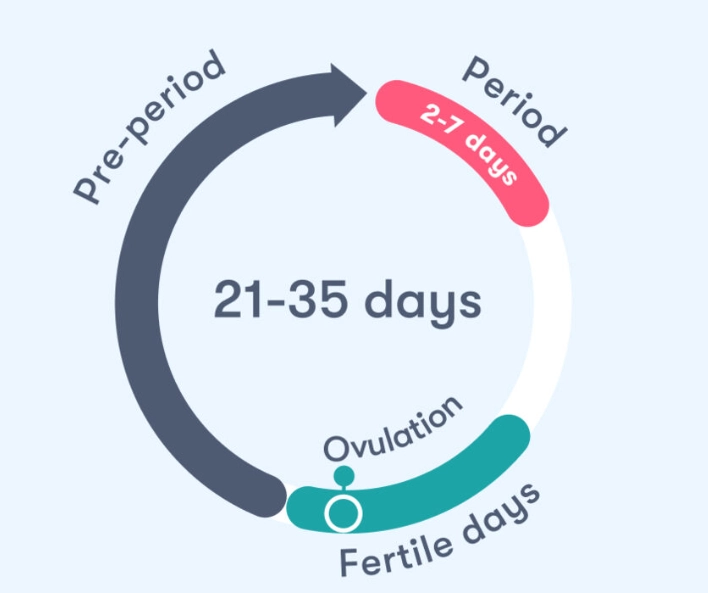
How to Count Your Period Cycle: Step-by-Step Method
Here's the exact method I teach. No fluff, just clear steps.
Step 1: Identify Day 1. This is the first day of noticeable menstrual blood flow. Not brown spotting or light discharge—actual red flow that requires a pad or tampon. If you're unsure, err on the side of counting when flow begins. Mark this on a calendar or app.
Step 2: Track Until Your Next Period. Continue noting days until your next period starts. The last day of the cycle is the day before that next period begins. So if your next period starts on March 15, your cycle ends on March 14.
Step 3: Calculate the Length. Count the days from Day 1 to the last day. For example, if Day 1 was February 1 and your next period started March 1, that's 28 days (February has 28 days in this case).
Step 4: Repeat for 3-6 Cycles. One cycle isn't enough. Track multiple cycles to get an average. Apps can do this math, but doing it manually once helps you grasp the pattern.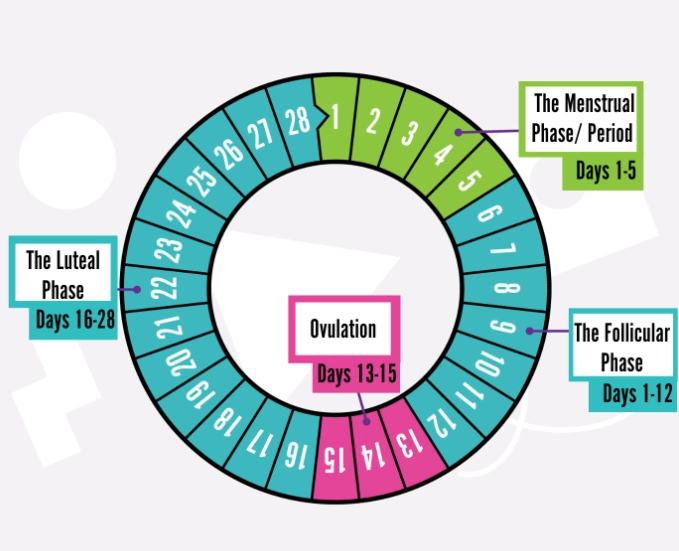
Let's say your cycles are: 28 days, 30 days, 29 days. The average is (28+30+29)/3 = 29 days. That's your typical cycle length.
Using a Calendar or App for Tracking
Old-school calendars work fine. Circle Day 1 each month. But apps add convenience. They remind you, predict future periods, and log symptoms. Popular ones include Clue, Flo, and Period Tracker. I prefer Clue for its science-backed approach, but try a few to see what fits your style.
Avoid just setting and forgetting. Review the data monthly. Are cycles consistent? Any changes in flow or pain? This habit turns tracking from a chore into insight.
Common Mistakes in Cycle Counting and How to Avoid Them
From my experience, these errors trip up even savvy trackers.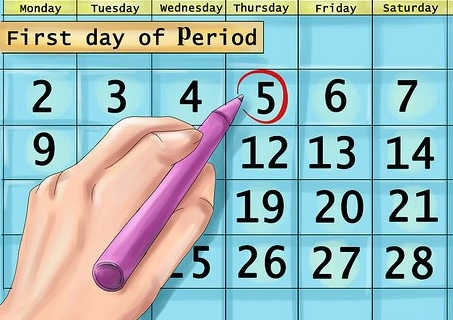
- Counting from the last day: This is the big one. Your cycle starts with bleeding, not ends with it. Counting from the last day gives a shorter, inaccurate length.
- Ignoring spotting: Light spotting before full flow isn't Day 1. But if it's consistent, note it separately—it might indicate hormonal shifts.
- Not tracking symptoms: Cycle length alone doesn't tell the whole story. Log cramps, mood swings, or breast tenderness. Over time, you'll see patterns like ovulation pain around day 14.
- Assuming regularity: Many women have slightly irregular cycles, especially under stress. Don't panic if one cycle is off by a few days; look at trends.
I coached a friend who was frustrated her app predictions were always wrong. Turns out, she was logging periods late—sometimes a day after they started. Fixing that made the app spot-on.
Tools and Apps for Period Tracking
Choosing a tool depends on your needs. Here's a quick comparison based on user reviews and my testing.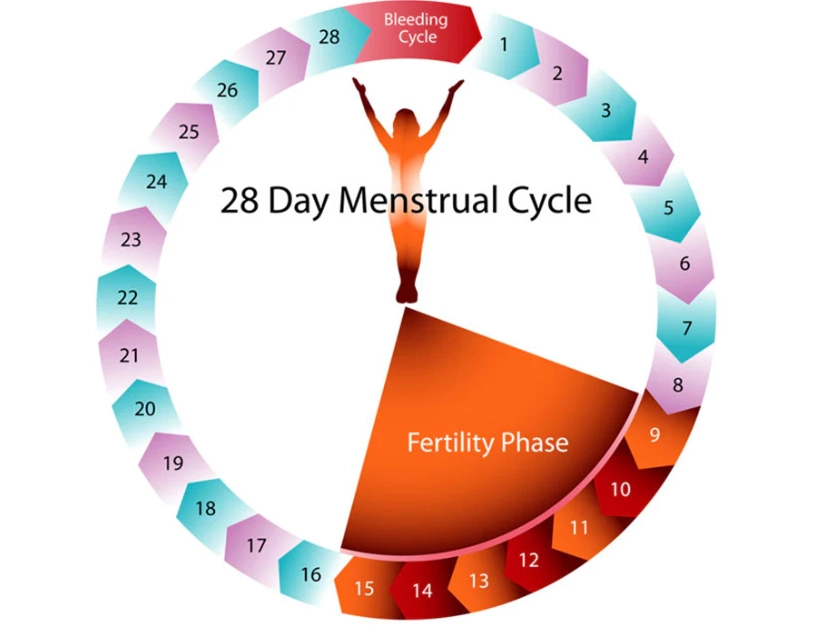
| Tool | Best For | Key Feature | Drawback |
|---|---|---|---|
| Clue | Science-minded users | Evidence-based insights, symptom logging | Can be too detailed for beginners |
| Flo | Fertility tracking | AI predictions, community support | Privacy concerns some users |
| Paper Calendar | Simplicity lovers | No tech, visual clarity | Easy to lose, no reminders |
| Google Sheets | Data nerds | Customizable, free | Requires manual entry |
Apps are great, but don't trust them blindly. Cross-check with your notes. I use a hybrid approach: app for daily logging, but a yearly planner for big-picture trends.
If you're concerned about data privacy, opt for apps with strong encryption or go offline with a bullet journal. The Centers for Disease Control and Prevention (CDC) recommends tracking for reproductive health, but they don't endorse specific apps—so pick what feels secure.
Understanding Irregular Cycles and When to See a Doctor
Irregular cycles are common, but they can signal issues. Irregular means cycles shorter than 21 days, longer than 35 days, or varying widely month to month.
Causes include stress, weight changes, thyroid disorders, or PCOS. I've seen cases where women normalized irregularity for years, only to find underlying conditions later. Tracking helps catch this early.
When to seek help:
- Cycles consistently outside the 21-35 day range.
- Sudden changes, like skipping periods or heavy bleeding.
- Pain that disrupts daily life.
- If you're trying to conceive and cycles are unpredictable.
Bring your tracking data to appointments. It gives doctors concrete info instead of vague memories. A colleague of mine, a gynecologist, says patients with logs get diagnosed faster.
For mild irregularity, lifestyle tweaks can help: reduce stress, maintain a healthy weight, and ensure balanced nutrition. But don't self-diagnose—professional advice is key.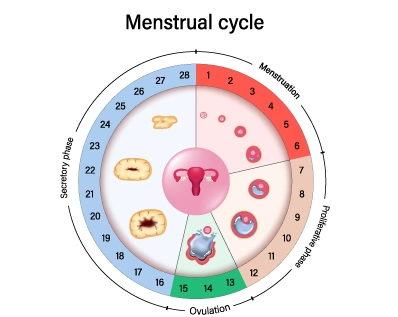
FAQ: Your Top Questions Answered
Tracking your period cycle is a small habit with big rewards. It puts you in tune with your body, helps plan life, and flags health concerns early. Start today—grab a calendar or download an app, and mark that Day 1. You've got this.




Leave a comment