Let's get straight to it. What you eat doesn't just fuel your day; it sends direct signals to your hormones, your inflammation levels, and yes, your ovarian health. I've spent over a decade in women's health nutrition, and the biggest mistake I see? Women chasing after one "superfood" while their overall diet is working against them. Ovarian health isn't about a magic berry. It's about a consistent, strategic eating pattern that manages insulin, tames inflammation, and supports detoxification. This guide will show you how to build that pattern, food by food.
Your Quick Guide
Why Food is Your First Line of Defense
Think of your ovaries as the command center for female hormones. Conditions like PCOS, endometriosis, or even just frustrating cycle irregularities often have roots in two things: insulin resistance and chronic inflammation. Food directly impacts both.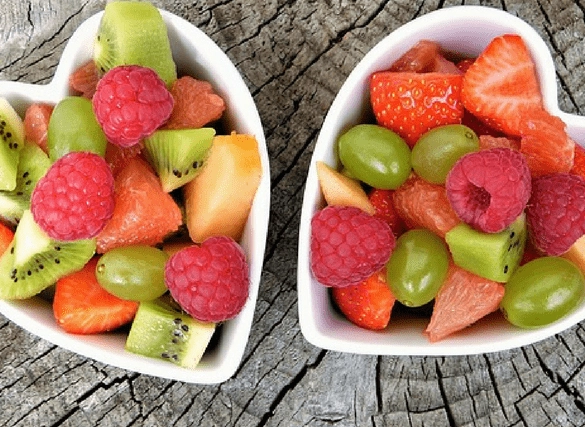
When you eat refined carbs and sugars, your insulin spikes. High insulin can tell your ovaries to produce more testosterone (hello, PCOS symptoms like acne and hair growth). It's a direct line. Inflammation, on the other hand, can worsen pain from cysts or endometriosis and disrupt normal ovulation.
The goal isn't a "cleanse" or a drastic diet. It's to eat in a way that keeps your blood sugar on an even keel and gives your body the anti-inflammatory tools it needs to function smoothly. The National Institutes of Health has published numerous studies linking dietary patterns like the Mediterranean diet to improved markers of PCOS and fertility—not because of one ingredient, but because of the overall effect.
Here's the non-consensus part everyone misses: Focusing solely on "adding" healthy foods is only half the battle. The other, often more impactful half, is strategically reducing the frequency of blood sugar spikes. That means how you combine foods matters more than any single "good" food you eat.
The Essential Foods List: What Actually Works
Forget vague advice like "eat more veggies." Let's get specific. These are the categories and exact foods that have the most research and clinical backing for supporting ovarian function and hormone balance.
1. The Inflammation Tamers
These are your foundation. Chronic inflammation is like a low-grade fire that disrupts everything.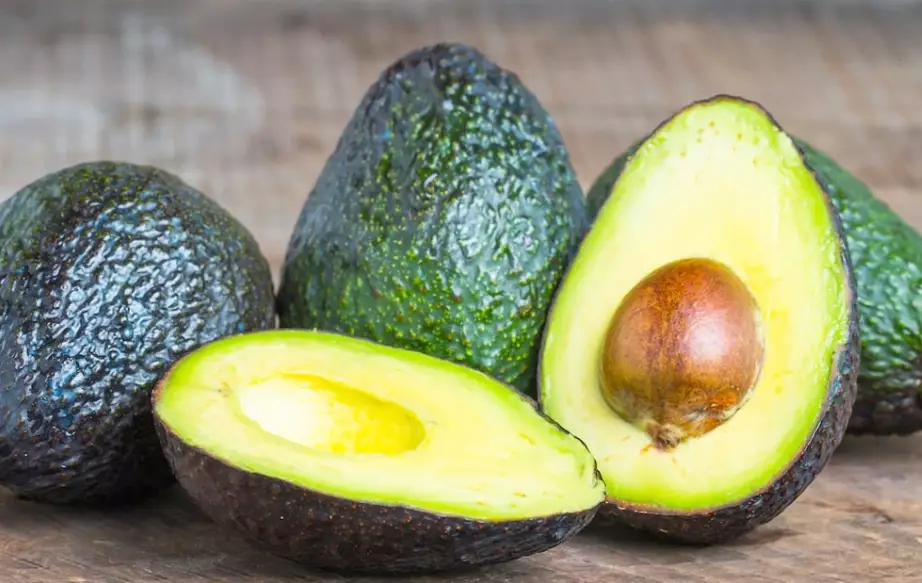
Leafy Greens: Spinach, kale, Swiss chard, arugula. They're packed with magnesium and B-vitamins, which are crucial for hormone metabolism. Aim for two big handfuls daily.
Berries: Blueberries, strawberries, raspberries. Their antioxidants (like anthocyanins) help protect ovarian cells from oxidative stress. Frozen works perfectly.
Turmeric & Ginger: The curcumin in turmeric is a potent anti-inflammatory. Add black pepper to increase absorption. Ginger is great for nausea and also fights inflammation.
2. The Blood Sugar Balancers
These foods help manage insulin, which is key for PCOS and overall ovarian health.
Legumes: Lentils, chickpeas, black beans. Their high fiber and protein content makes them slow-digesting carbs. A game-changer.
Non-Starchy Veggies: Broccoli, cauliflower, Brussels sprouts, asparagus, bell peppers, zucchini. They provide volume and nutrients with minimal impact on blood sugar.
Cinnamon: Studies, including one cited by the NIH, show cinnamon can improve insulin sensitivity in women with PCOS. Sprinkle it on oatmeal or in smoothies.
3. The Hormone Supporters
These provide the raw materials for healthy hormone production and clearance.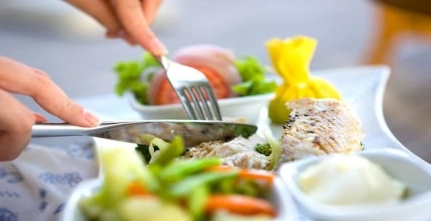
Cruciferous Vegetables: Broccoli, cauliflower, cabbage, kale. They contain indole-3-carbinol, which supports the liver in metabolizing and clearing excess estrogen.
Healthy Fats: This is critical. Avocado, extra virgin olive oil, nuts (especially walnuts and almonds), and seeds (flax, chia, pumpkin). Fat is essential for producing steroid hormones, including estrogen and progesterone. Don't fear it.
Fatty Fish: Wild-caught salmon, sardines, mackerel. The omega-3s (EPA/DHA) are powerfully anti-inflammatory. Aim for 2-3 servings per week.
| Food Category | Top Picks | Key Benefit for Ovaries | Weekly Goal |
|---|---|---|---|
| Leafy Greens | Spinach, Kale | Provides magnesium for hormone regulation | 7+ servings |
| Colorful Berries | Blueberries, Raspberries | High antioxidants reduce cellular stress | 4-5 servings |
| Healthy Fats | Avocado, Olive Oil, Walnuts | Building blocks for hormones, reduces inflammation | Include daily |
| Lean Protein | Lentils, Salmon, Chicken | Stabilizes blood sugar, supports tissue repair | Every meal |
| Cruciferous Veg | Broccoli, Brussels Sprouts | Supports liver detox of excess hormones | 3-4 servings |
Building Your Plate: A Practical Weekly Strategy
Knowing the foods is one thing. Eating them consistently is another. Here's a no-fuss way to structure your meals, modeled after anti-inflammatory diets supported by research from sources like the Harvard T.H. Chan School of Public Health.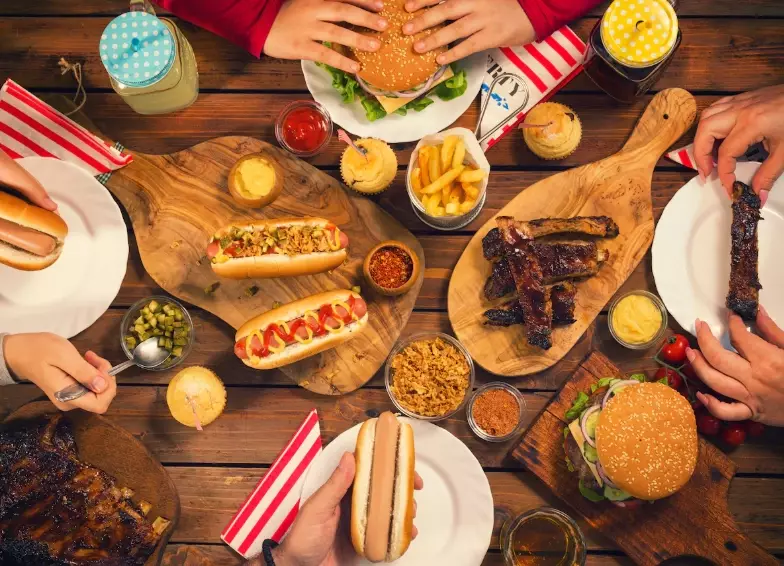
The Simple Plate Method (for every main meal):
1. Fill half your plate with non-starchy vegetables (the greens, peppers, broccoli, etc.).
2. Fill a quarter with a quality protein (fish, chicken, tofu, legumes).
3. Fill the last quarter with a high-fiber carbohydrate or more veggies (sweet potato, quinoa, lentils, or just double the veggies).
4. Add a thumb-sized serving of healthy fat (avocado, olive oil drizzle, handful of nuts).
Let's apply it. A sample day for ovarian health support:
Breakfast: Scrambled eggs with spinach and mushrooms, half an avocado on the side. (Protein + Veg + Fat). Skip the toast or have one slice of whole grain rye.
Lunch: Large salad with mixed greens, grilled chicken, chickpeas, cucumbers, and an olive oil & lemon dressing. (Veg + Protein + Fiber Carb + Fat).
Snack: A small apple with a tablespoon of almond butter. (Fruit + Fat/Protein to balance sugars).
Dinner: Baked salmon with a side of roasted broccoli and a small serving of quinoa. (Protein + Veg + Fiber Carb). Drizzle everything with olive oil.
See the pattern? Protein or fat accompanies every carb source. This is the secret sauce for stable insulin.
What Most Blogs Get Wrong (Common Mistakes)
After working with hundreds of women, I see the same pitfalls repeatedly.
Mistake 1: Over-relying on supplements while ignoring diet. An expensive inositol powder won't undo the effects of daily soda and pastries. Food comes first. Supplements are just that—supplemental.
Mistake 2: Cutting out all fats. Your hormones are literally made from cholesterol. Ultra-low-fat diets can backfire, leading to worse hormone imbalances. Choose the right fats.
Mistake 3: Fear of all soy. This is outdated. Whole, fermented soy foods like tempeh and edamame contain phytoestrogens that can be mildly beneficial by modulating estrogen activity. The problem is processed soy protein isolate. Don't throw the tempeh out with the processed protein bar.
Mistake 4: Expecting immediate results.
Your ovarian cycle is about 3 months long from follicle recruitment to ovulation. Dietary changes need at least that long to show up in cycle regularity or symptoms. Be patient and consistent.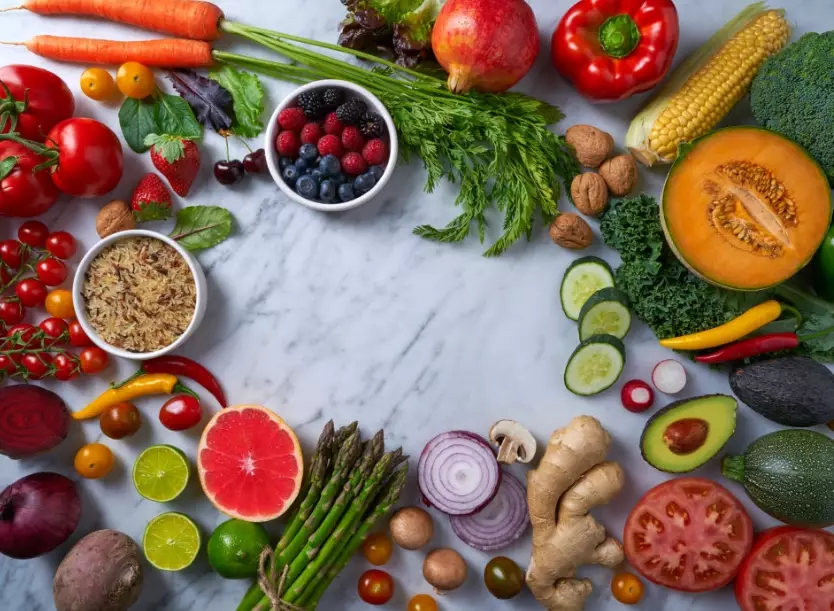
Your Questions, Honestly Answered
The bottom line is this: stop looking for a single miracle ovarian health food. Build a lasting pattern. Fill your kitchen with those colorful vegetables, healthy fats, and quality proteins. Plate them wisely. Give it time. This approach does more than just support your ovaries—it builds a foundation for sustained energy, stable mood, and long-term health. That's a result worth eating for.

Leave a comment