Ask ten people for the meaning of women's health, and you'll likely get ten different answers. For decades, the conversation was narrowly focused on reproductive organs and having babies. While that's undeniably important, it's like defining a car solely by its tires. There's so much more under the hood.
True women's health is holistic. It's the complete physical, mental, emotional, and social well-being specific to the female experience, not merely the absence of disease. It's about how your hormones talk to your brain, how societal pressures shape your stress levels, and how your biology demands different care at 15, 35, and 65.
Let's ditch the outdated checklist. Here’s what it really means to prioritize your health as a woman.
Your Quick Guide to This Article
Moving Beyond the Biology-Only Mindset
The biggest mistake we make is equating women's health with gynecology. It's a massive oversimplification. Yes, the World Health Organization notes the importance of sexual and reproductive health, but their definition of health has always been "a state of complete physical, mental and social well-being." For women, this is non-negotiable.
Think about it. A woman with perfectly functioning ovaries can still be crippled by anxiety, sidelined by an autoimmune flare-up, or navigating the silent progression of osteoporosis. If our health framework only looks at the pelvis, we miss the heart, the bones, the brain, and the spirit.
I've seen too many women have their non-reproductive symptoms dismissed. Fatigue? "It's stress." Brain fog? "You're just busy." New joint pain in your 40s? "You're getting older." This dismissal is a failure of the old model.
The Core Shift: Women's health is not a single specialty. It's an interdisciplinary approach that must connect the dots between endocrinology, cardiology, mental health, nutrition, and sociology.
The Four Dimensions of Holistic Women's Health
To grasp the full meaning, we need to look at it through four interconnected lenses.
1. Physical Health: The Foundation (But Not the Whole Building)
This is the most familiar layer, but we need to expand it. It's not just about pap smears and mammograms (though those are crucial). It's about understanding your unique physiology.
Women have different symptoms for common conditions. A heart attack might show up as jaw pain or crushing fatigue, not just chest pain. Our hormones influence everything from ligament laxity (higher ACL injury risk) to how we metabolize medications.
Key physical health pillars include:
- Hormonal Health: The symphony of estrogen, progesterone, testosterone, and thyroid hormones. Their balance affects energy, weight, sleep, skin, and long-term disease risk.
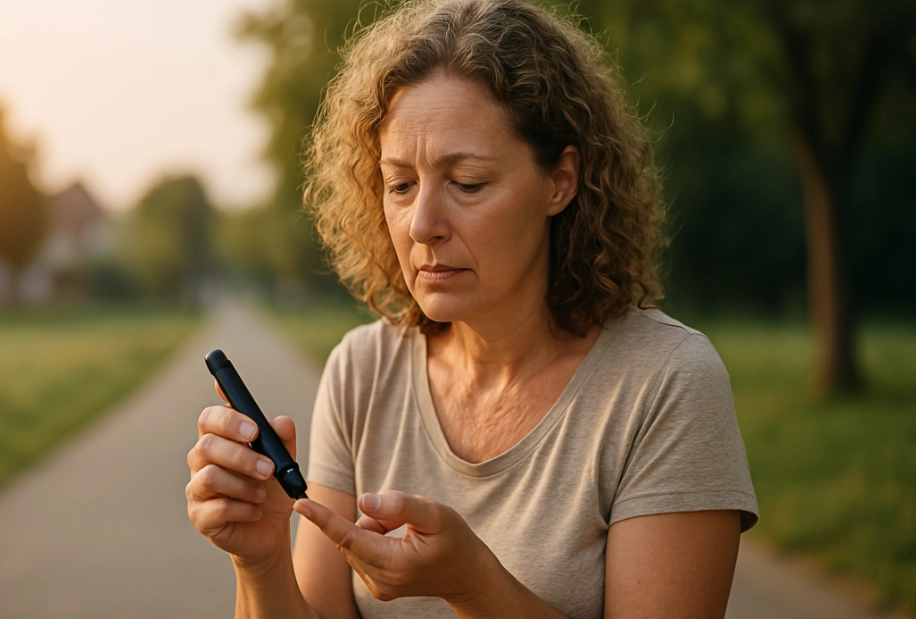
- Metabolic & Cardiovascular Health: Monitoring blood pressure, cholesterol, and blood sugar isn't just for older men. Polycystic Ovary Syndrome (PCOS), for instance, is a metabolic condition with major heart health implications.
- Musculoskeletal Strength: Building and maintaining muscle and bone density is a non-negotiable investment against osteoporosis and frailty later in life.
- Preventive Screenings: Tailored to age and risk, going beyond the basics to include things like thyroid panels or vitamin D levels, which are commonly low in women.
2. Mental & Emotional Health: The Internal Weather
This is where biology and biography collide. Women are diagnosed with anxiety and depression at nearly twice the rate of men. Is this just a "female tendency"? Unlikely.
It's a complex mix of hormonal fluctuations (premenstrual, postpartum, perimenopausal), higher likelihood of experiencing trauma, and the mental load of often being primary caregivers and household managers. The CDC has extensive data on how these social determinants impact health outcomes.
Mental health isn't just about treating illness. It's about cultivating resilience, setting boundaries, and developing coping mechanisms that work for your brain chemistry.
3. Social & Relational Health: Your Ecosystem
Health doesn't happen in a vacuum. Are your relationships nourishing or draining? Do you have a support network? What are the expectations placed on you at work and home?
Social isolation is a severe health risk. Conversely, strong social ties are linked to longer, healthier lives. For women, the quality of relationships often directly impacts stress levels, which in turn impacts physical health (cortisol, anyone?).
This dimension also includes safety—freedom from violence and abuse, which the WHO recognizes as a critical public health issue for women globally.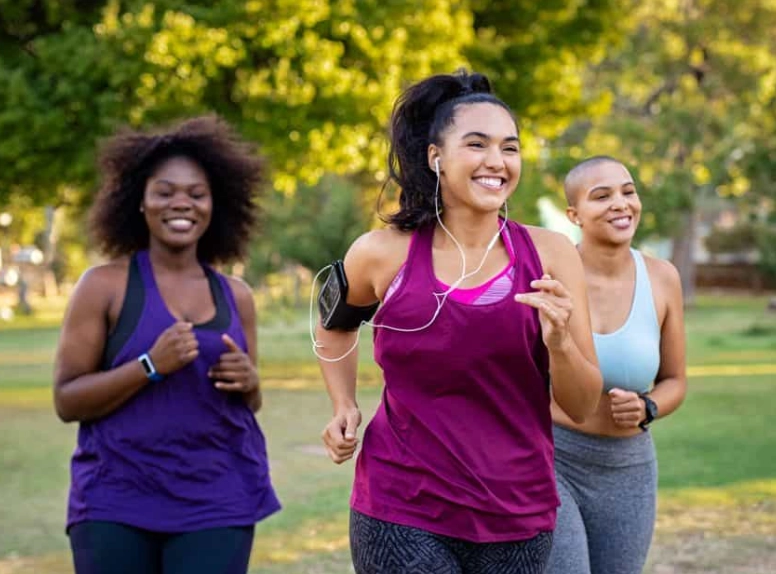
4. Purpose & Fulfillment: The Often-Ignored Fuel
This might sound fluffy, but it's concrete. Feeling engaged, having goals, and experiencing a sense of purpose are powerful health predictors. It's about more than just a job title. It could be creativity, community work, learning, or caregiving—if it's chosen and not solely burdensome.
Burnout—the utter depletion of passion and purpose—is a health crisis. Protecting your time and energy for things that light you up isn't self-indulgence; it's preventive medicine.
Health Meanings Change With Every Life Stage
The meaning of health evolves. The priorities of a teenager are worlds apart from those of a woman in perimenopause. Here’s a practical, stage-by-stage breakdown of what to focus on.
| Life Stage | Core Health Focus | Common Pitfall to Avoid |
|---|---|---|
| Adolescence (Teens-20s) | Establishing a positive relationship with your body. Building bone density. Understanding your cycle. Mental health literacy. | Ignoring irregular or painful periods as "normal." This can mask conditions like endometriosis or PCOS, leading to years of unnecessary pain and later fertility challenges. |
| Early to Mid-Adulthood (20s-40s) | Navigating career, relationships, and potential family planning. Stress management becomes key. Establishing baseline health metrics. | Putting everyone else's needs first until you crash. "I'll sleep when I'm dead" is a fast track to adrenal fatigue and immune dysfunction. You can't pour from an empty cup. |
| Perimenopause & Menopause (40s-50s+) | Metabolic shifts. Heart and bone health become paramount. Redefining identity and purpose. Managing fluctuating symptoms. | Suffering in silence. Hot flashes are just the tip of the iceberg. Brain fog, mood swings, and sleep disruption are common but treatable. Don't let anyone tell you "it's just part of aging." |
| Post-Menopause (60s+) | Maintaining mobility, cognitive health, and social connection. Preventive care for chronic conditions. Financial health planning. | Accepting decline as inevitable. Strength training and balance exercises are critical for independence. Social isolation is a major risk factor for cognitive decline. |
See how the focus shifts? The constant thread is prevention and adaptation, not just crisis management.
From Theory to Practice: Actionable Steps for Holistic Health
All this talk is meaningless without action. Here are concrete steps, not vague advice.
First, become your own health historian. Track more than your period. Use a simple notebook or app to log energy levels, sleep quality, mood, digestion, and any symptoms for 2-3 months. Patterns will emerge. This data is invaluable for any healthcare conversation.
Second, build your healthcare team, not just find a doctor. This might include a primary care physician who listens, a therapist, a physical therapist, or a nutritionist. You are the CEO of this team. If a member isn't collaborative, find a new one.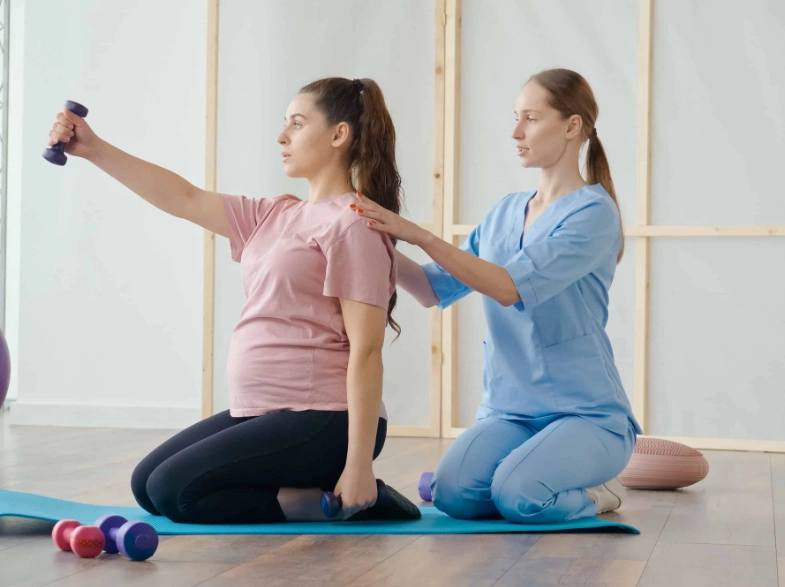
Third, reframe your non-negotiables. Instead of "I must exercise 5 days a week," try "I must move my body in a way I enjoy most days." Instead of "I need 8 hours of sleep," aim for "I will protect my wind-down time starting at 10 PM." Process-focused goals are more sustainable than rigid outcomes.
One specific tactic I swear by? The "Buffer" Audit. List your primary stressors (work deadlines, kid's schedule). Now, honestly list your go-to recovery activities. If it's just scrolling and Netflix, you only have passive consumption. Actively build buffers: a 10-minute walk without your phone, calling a supportive friend, 5 minutes of deep breathing. These actively calm your nervous system, countering the physical damage of stress.
Your Questions, Answered
Is women's health only about reproductive organs?
This is a major misconception. While reproductive health is a vital component, it's just one part of a much larger picture. A holistic view of women's health includes cardiovascular health (heart disease is the leading cause of death for women), mental wellness, bone density, autoimmune disease risks, and the complex interplay of hormones on everything from mood to metabolism. Focusing solely on reproduction misses the majority of health concerns women face throughout their lives.
How can I manage my health during perimenopause when symptoms are vague?
Start tracking. Don't dismiss 'vague' symptoms like sleep disturbances, new anxiety, or joint aches. Keep a simple journal for 2-3 months, noting your cycle (if present), sleep quality, energy levels, mood, and any physical changes. This data is gold for your doctor. It moves the conversation from 'I feel off' to 'I experience insomnia 15 nights a month, correlated with these specific days.' It allows for targeted strategies, whether lifestyle-based (prioritizing sleep hygiene, adjusting exercise) or exploring medical options if needed.
What's one practical step for better holistic health I can start today?
Audit your stress buffers, not just your stressors. Everyone knows they should reduce stress, but few build reliable recovery rituals. List your current go-to's for decompression. If it's just scrolling social media or Netflix, that's passive consumption, not active recovery. Add one active buffer: a 10-minute walk without your phone, 5 minutes of deep belly breathing, or calling a friend who truly listens. The goal is to have a short menu of proven, accessible activities that actively signal safety to your nervous system, directly countering the physical toll of chronic stress.
So, what is the meaning of women's health? It's the lifelong, active practice of tuning into your unique biology, honoring your mental and emotional landscape, cultivating a supportive environment, and pursuing what makes you feel alive—all with the goal of not just living longer, but living better at every age. It's time to own that broad, powerful definition.


Leave a comment