Let's cut to the chase: toxin exposure is everywhere, and reducing it isn't about perfection—it's about smart, doable changes. I spent years feeling sluggish before connecting the dots to hidden toxins in my home and diet. This guide pulls from that experience, plus research from sources like the World Health Organization, to show you where toxins lurk and how to minimize them without losing your mind.
What You'll Find in This Guide
Understanding Toxin Exposure: What You're Really Dealing With
Toxins aren't just poison ivy or factory smoke. They're chemicals in everyday items—think plastics, cleaning sprays, even that new couch smell. Exposure happens through air, water, food, and skin contact. Most people underestimate this because it's invisible. I did, until I started tracking headaches after using certain air fresheners.
Common sources include:
- Indoor air: VOCs from paints, carpets, and furniture. A report by the EPA notes indoor air can be 2-5 times more polluted than outdoor air.
- Food and water: Pesticides on produce, heavy metals in fish, and contaminants in tap water.
- Personal care products: Parabens and phthalates in lotions or shampoos.
It's not about fearing everything. It's about knowing where the risks are highest. For example, canned foods often have BPA linings—switching to fresh or frozen options can cut that exposure overnight.
Why Reducing Toxins Matters: The Health Impacts You Might Not See Coming
Low-level, chronic exposure adds up. It's linked to issues like hormone disruption, allergies, and even long-term risks like certain cancers. I've seen clients blame aging for fatigue, but after reducing toxins, they feel sharper. The science backs this: studies show reducing pesticide exposure, for instance, can improve cognitive function in kids.
Here's a quick breakdown of potential effects:
| Toxin Source | Common Health Impact | Quick Fix |
|---|---|---|
| Plastic containers (BPA) | Hormonal imbalances | Use glass or stainless steel |
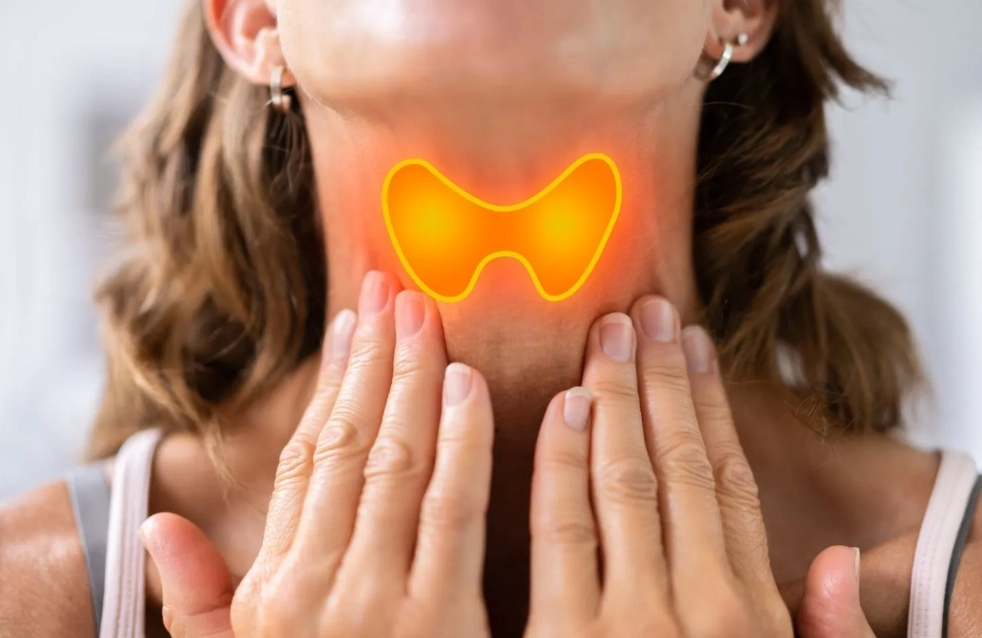
| Non-stick cookware (PFOA) | Thyroid issues | Switch to cast iron or ceramic |
| Synthetic fragrances | Respiratory irritation | Choose fragrance-free products |
The goal isn't elimination—that's nearly impossible. It's reduction. Even small drops in exposure can lower your body's toxic load, letting your natural detox systems work better.
Your Step-by-Step Toxin Exposure Reduction Plan
This isn't a one-size-fits-all list. Pick areas that fit your life. I started with my home because I was spending more time indoors.
Your Home: The First Line of Defense
Home is where exposure often peaks. Focus on air and surfaces.
- Ventilate daily: Open windows for 10 minutes, even in winter. It flushes out accumulated VOCs. I do this every morning—it's free and effective.
- Ditch chemical cleaners: Make your own with vinegar, baking soda, and essential oils. Store-bought sprays can release ammonia or chlorine. A client of mine switched and saw her kid's eczema improve within a month.
- Filter your water: Use a carbon filter pitcher for drinking water. It removes lead and chlorine. Brands like Brita are affordable; I've used one for years and noticed better-tasting water.
Don't overlook dust. Vacuum weekly with a HEPA filter and damp-mop floors. Dust traps toxins like flame retardants from electronics.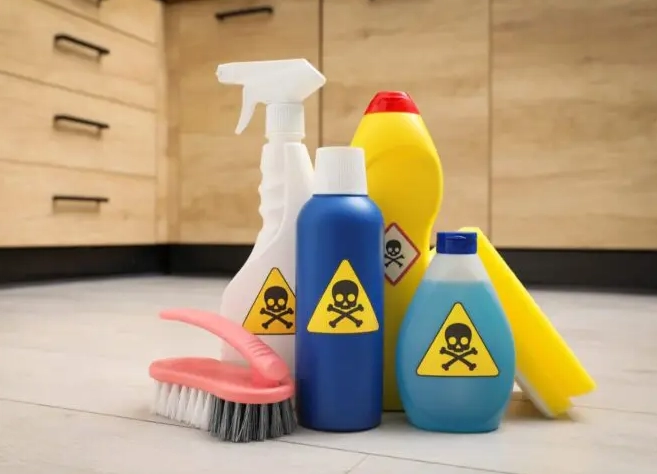
Food and Water: What Goes In Matters
You don't need to go 100% organic. Prioritize based on the Environmental Working Group's Dirty Dozen list—items like strawberries and spinach often have high pesticide residues. Wash produce with a baking soda soak (1 tsp per cup of water) for 15 minutes.
For protein, choose wild-caught fish over farmed to reduce mercury exposure. I limit tuna to once a week and opt for salmon or sardines.
Cooking methods matter too. Avoid charring meats, which creates carcinogens. Use lower heat and marinate with herbs like rosemary—it reduces toxin formation.
Personal Care Products: Skin Deep Toxins
Your skin absorbs a lot. Check labels for parabens, sulfates, and synthetic fragrances. Apps like Think Dirty can help scan products.
- Start with basics: Swap out body lotion and deodorant first. I switched to a natural deodorant and saw fewer skin rashes.
- Makeup: Choose mineral-based options. They often have fewer chemicals.
- Sunscreen: Use zinc oxide-based ones instead of chemical sunscreens with oxybenzone.
It's a gradual process. I replaced one product per month to avoid overwhelm.
Common Mistakes and Expert Tips: Lessons from the Trenches
Many people jump into toxin reduction and burn out. Here's what I've learned:
Mistake 1: Buying every "detox" supplement. Most are useless—your liver and kidneys handle detox naturally. Focus on supporting them with a balanced diet and hydration. I wasted money on pills before realizing this.
Mistake 2: Ignoring air quality. People obsess over food but breathe polluted air all day. Get an air purifier for your bedroom, or at least use houseplants like snake plants that filter air. I added two plants and saw my sleep improve.
Expert tip: Test your home if you're concerned. Home test kits for mold or lead are available online. I tested for mold after musty smells and found a hidden leak—fixing it cut my allergy symptoms.
Also, don't stress over perfection. If you use plastic occasionally, it's fine. The key is consistency in high-impact areas.
Answers to Your Burning Questions About Toxin Reduction
Reducing toxin exposure is a journey, not a destination. Start small—maybe with one room or one habit—and build from there. Your body will thank you for the lighter load.



Leave a comment