Let's be honest, most of us have at least one health app sitting unused on our phones. The promise of women's health technology is huge—better insights, personalized care, taking control. But the reality? It's a jungle of period trackers, smart jewelry, and wellness platforms. It's overwhelming. I've spent years trying everything from the most hyped apps to niche devices, and I've learned that the right tech isn't about the most features; it's about what actually fits into your life and gives you usable information. This guide cuts through the noise. We'll look at what works, what's overrated, and how to build a simple, effective digital toolkit for your health without getting lost in the process.
What's Inside This Guide
How Technology is Reshaping Women's Health
It's not just about counting days anymore. Modern women's health technology, often called Femtech, is tackling areas that were historically ignored or under-researched. Think about it. For decades, medical studies often sidelined women. Now, the data from millions of users is creating a new picture of female biology.
The shift is happening in three key areas:
From Guesswork to Data-Driven Cycles: Beyond predicting your period, advanced cycle tracking apps analyze patterns in mood, energy, sleep, and physical symptoms. You might discover that your migraines consistently hit two days before ovulation, or that your workout performance dips during your luteal phase. This isn't just trivia—it's actionable intelligence for planning your month.
Managing Chronic Conditions: Tech is a game-changer for conditions like PCOS, endometriosis, and menopause. Apps help log pain levels, medication, and diet, creating a clear record for doctor's appointments. Online communities within these apps provide support that can be hard to find locally. The World Health Organization has highlighted the role of digital tools in managing chronic diseases, and this is especially true in women's health where patients often struggle to be heard.
Mental Health and Holistic Wellness: The mind-body connection is central. Apps now integrate stress tracking, meditation guides, and resources for postpartum anxiety or perimenopausal mood swings. They recognize that health isn't siloed.
Here's the non-consensus bit everyone misses: The biggest benefit isn't the prediction algorithm. It's the act of consistent tracking itself. Paying that much attention to your body teaches you its unique language. You become the expert on you, and that's something no doctor can ever be.
Top Women's Health Apps and Devices to Consider
Alright, let's get practical. Here’s a breakdown of tools that have proven useful, based on long-term use and community feedback. I've separated them by primary function because, trust me, trying to find one app that does everything perfectly is a recipe for frustration.
| Tool Name | Core Function | Best For | Approx. Cost |
|---|---|---|---|
| Flo | Comprehensive cycle & symptom tracking | Free / Premium: ~$40/yr | |
| Clue | Clean, science-based cycle tracking | Free / Premium: ~$30/yr | |
| Oura Ring | Sleep, readiness & temperature tracking | Hardware: ~$300+ / Subscription: ~$6/mo | |
| Apple Watch | Hardware: $250+ | ||
| MyFlo | Free / Courses: $50+ | ||
| MenoLife | Free |
My personal take? I used Flo for years but grew tired of the constant upsell notifications. I switched to Clue for its calmer, more factual approach and found it less stressful. The Oura Ring gave me more insight into my sleep quality than any app ever did, but it's a significant investment. You have to know what you're paying for.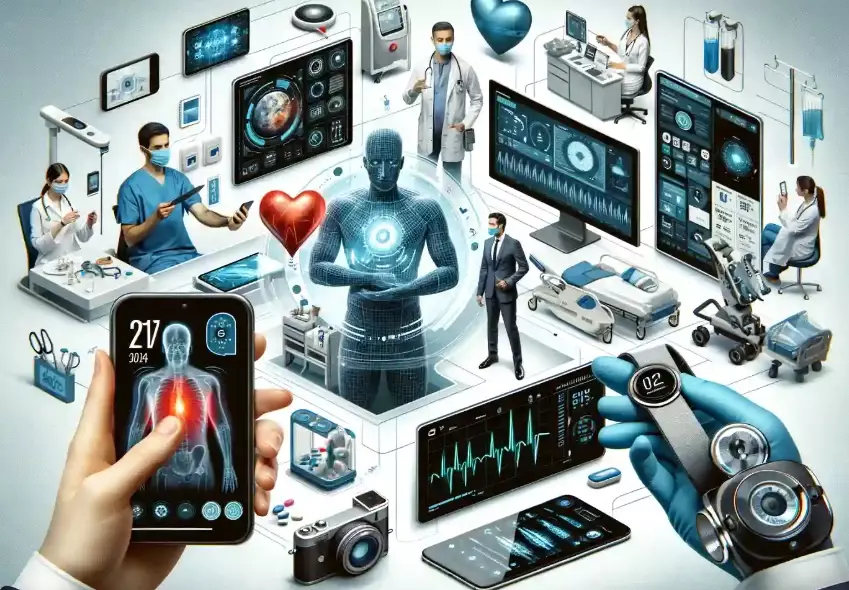
What About Wearables?
Wearables move you from manual logging to passive data collection. This is powerful. The FDA has even cleared certain smartwatch features for medical use, like atrial fibrillation detection. For women's health, the gold nugget is often resting heart rate (RHR) and heart rate variability (HRV) trends across your cycle. Seeing your RHR rise steadily after ovulation and drop with menstruation is a brilliant, objective confirmation of your cycle's phases.
But a warning: Don't get obsessed with the daily number. Look at the weekly or monthly trend. A single night of bad sleep will skew your data. The pattern over time is what tells the real story.
How to Choose the Right Tech for Your Health Goals?
Before you download another app, stop and ask yourself these questions. This will save you time and digital clutter.
What's your primary goal? Be specific. Is it to get pregnant? To manage debilitating PMS? To understand perimenopause? To generally improve sleep? Your goal dictates your tool. A fertility-focused app will overwhelm someone in menopause.
How do you prefer to interact? Are you a diligent daily logger, or will you only engage with passive data from a wearable? If you hate manual entry, a smart ring or watch is your starting point. If you don't mind spending 2 minutes a day, a detailed app is better.
What's your data privacy comfort level? Read the privacy policy. Seriously. Look for phrases like "we do not sell your health data." European apps (like Clue) are bound by stricter GDPR laws, which can be a plus. Consider what you're comfortable sharing.
Does it play well with others? Check if the app can export data or sync with Apple Health/Google Fit. This lets you create a central hub for all your health info. A device that locks your data into its own siloed app is less useful in the long run.
Start with one tool. Master it. See what you learn. Then, and only then, consider if you need another piece to fill a knowledge gap.
The Future and the Fine Print
The frontier is artificial intelligence and personalized diagnostics. Imagine an app that, with your permission, analyzes your cycle data alongside wearable metrics and can flag potential patterns suggestive of thyroid issues or early-stage endometriosis, prompting you to see a specialist sooner. Startups are working on this.
But with great data comes great responsibility. The privacy and ethical concerns are real. In a post-Roe v. Wade landscape, how and where your menstrual cycle data is stored matters more than ever. Opt for apps with strong encryption and clear data ownership policies.
Finally, remember the human element. No algorithm can replace a good doctor. The best use of this technology is to make you a more informed, empowered partner in your own healthcare. Walk into your appointment with charts and trends, not just a vague description of symptoms.
Your Questions, Answered
Can period tracking apps really help diagnose health issues like PCOS?
They can provide crucial data clues, but they are not diagnostic tools. A good app helps you track symptoms like irregular cycles, acne, or unexplained weight changes over time. This logged history is invaluable when you see a doctor, as it moves the conversation from 'I sometimes feel off' to 'here are six months of specific data showing a pattern.' However, only a healthcare professional can make a formal diagnosis. The app's role is to empower you with evidence for that conversation.
What's the biggest mistake people make when choosing a women's health app?
Downloading the first app they see and treating it as a neutral journal. Most apps have a specific design philosophy or target audience. One might heavily focus on fertility and pregnancy, while another emphasizes holistic wellness or menopause. If you're using a fertility-focused app during perimenopause, you'll likely find the insights irrelevant and frustrating. Always check the app's core features and read reviews from users in your specific life stage before committing.
Are wearable devices like smart rings accurate enough for health monitoring?
For trends and relative changes, they are excellent. Devices like the Oura Ring or higher-end smartwatches are fantastic for showing you how your sleep, resting heart rate, or heart rate variability changes throughout your cycle or during periods of stress. They answer 'how are you doing compared to your baseline?' Don't expect them to match the clinical accuracy of a hospital EKG or a sleep lab study. Their power lies in revealing personal patterns you'd otherwise miss, not in providing absolute medical-grade numbers.
How can I protect my privacy when using sensitive health apps?
Scrutinize the privacy policy before you enter any data. Look for clear statements that your health data will not be sold to third parties for advertising. Opt for apps that store data locally on your device with encryption, or use strong anonymization for cloud storage. Use a strong, unique password and enable two-factor authentication if available. Remember, if the app is free, you are likely the product; paid apps often have more straightforward privacy models aligned with your interests as a user.




Leave a comment