Key Highlights
- Beyond Ergonomics: The Physical Pillar of Women's Health at Work
- The Invisible Load: Mental and Emotional Wellbeing
- Navigating Unique Health Needs: From Menstruation to Menopause
- Fuel and Hydration: The Forgotten Basics
- Building a Supportive Culture: It's a Two-Way Street
- Putting It All Together: Your Personal Workplace Health Action Plan
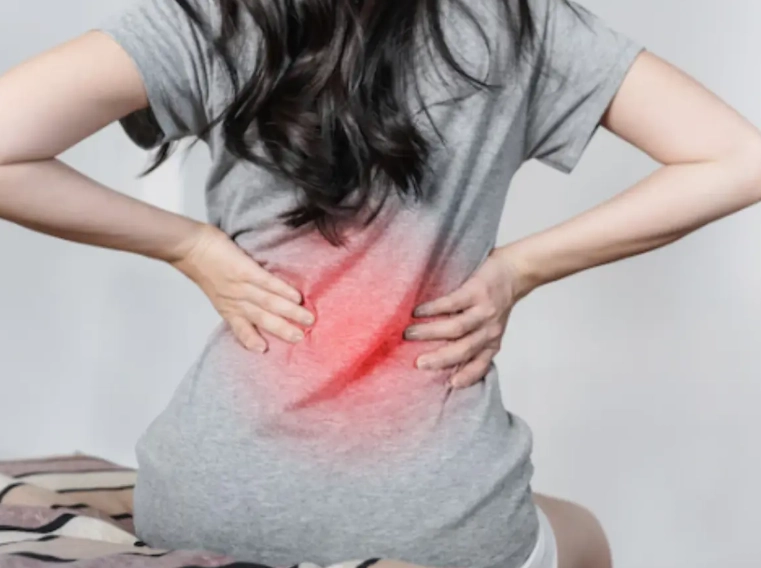
You know that feeling. It's 3 PM, your back is aching from a chair that seems designed for someone with a completely different spine, your eyes are strained from the screen, and the thought of another video call makes you want to hide. Maybe you're also juggling a headache that feels hormonal, or you're just mentally drained from navigating office dynamics that, let's be honest, can sometimes feel like a subtle obstacle course.
That's workplace health for women in a nutshell. Or at least, the problem we're trying to solve.
It’s not a niche topic. It's the foundation of whether we feel energized and capable at our jobs, or depleted and counting down the minutes to 5 PM. For too long, "office wellness" meant a fruit bowl in the kitchen and a yearly flu shot. But for women, the picture is more complex. Our physiology, our often-different social and caregiving roles, and even the way office equipment is designed (typically for the average male body) create a unique set of challenges.
So, what does a truly healthy workplace for women look like? It's holistic. It's about your physical setup, your mental space, your hormonal health, and even the culture you're swimming in every day. This guide isn't about preaching perfection; it's about practical, actionable steps you can take—whether you're an employee looking out for yourself or a manager wanting to support your team—to turn the workplace from a source of strain into a place where women can genuinely thrive.
Beyond Ergonomics: The Physical Pillar of Women's Health at Work
Let's start with the body. We spend hours parked in one position, and if that position is fighting against our natural alignment, we pay the price.
The Ergonomic Setup That Actually Fits You
Most ergonomic guides are one-size-fits-all, but women, on average, are shorter, have different hip-to-waist ratios, and narrower shoulders than the male "standard" these guides often use. An ill-fitting chair or desk isn't just uncomfortable; it can lead to real issues like repetitive strain injury (RSI), chronic back and neck pain, and poor circulation.
Here’s a quick checklist for an ergonomic setup that considers women's health at work:
- Chair Height: Your feet should rest flat on the floor (or on a footrest—a simple box or a stack of old books works in a pinch). Your knees should be at or slightly below hip level.
- Back Support: The chair's lumbar support should hit the curve of your lower back. If it doesn't, a rolled-up towel or a small cushion is a lifesaver. I've used a sweater more times than I can count.
- Armrests: They should allow your shoulders to be relaxed and your elbows at about a 90-degree angle. If they're too high, they hunch your shoulders. Too low, and you slump.
- Monitor Distance & Height: The top of your screen should be at or slightly below eye level, about an arm's length away. Laptop users, seriously, get a stand and a separate keyboard. Craning your neck down all day is a one-way ticket to pain.
Many companies have ergonomic assessment programs. Use them! Don't be shy about asking for a different chair, a keyboard tray, or a monitor arm. Framing it as a need to maintain productivity and prevent future medical claims often helps.
Movement is Non-Negotiable
Sitting is the new smoking, as the saying goes. For women, who may have a higher risk of conditions like deep vein thrombosis, staying static is particularly bad news.
What about high heels? This is a contentious one. Many workplaces have moved away from formal dress codes, but if you choose to wear them, keep a pair of flats or supportive shoes under your desk. Your feet, knees, and back will thank you by 2 PM.
The Invisible Load: Mental and Emotional Wellbeing
This is where the conversation about workplace health for women gets really critical, and often, overlooked. Stress, anxiety, and burnout don't show up on an X-ray, but they can be just as debilitating as a physical injury.
Women frequently face what's called the "double burden"—managing career pressures alongside a disproportionate share of domestic and caregiving responsibilities. This constant context-switching is mentally exhausting. Add to that potential workplace dynamics like unconscious bias, having your ideas overlooked in meetings, or the pressure to be constantly agreeable, and the mental toll adds up.
Spotting and Stopping Burnout
Burnout isn't just being tired. It's a state of emotional, physical, and mental exhaustion caused by prolonged stress. Signs include cynicism about your job, feeling ineffective, chronic fatigue, and irritability.
How do you build resilience?
- Set Boundaries: This is the holy grail, and it's hard. Can you avoid checking email after 7 PM? Can you say "no" to a non-urgent request when your plate is full? Communicate your working hours clearly.
- Micro-Breaks for Mental Reset: Five minutes of deep breathing, listening to one song you love, or stepping outside for fresh air. It's a circuit breaker for stress.
- Utilize Your Benefits: If your company offers an Employee Assistance Program (EAP), use it. EAPs typically offer short-term counseling sessions completely confidential and free of charge. It's a massively underutilized resource.
For managers: Foster psychological safety. Encourage open dialogue about workload. Model healthy boundaries by not sending emails late at night. Recognize and reward effort, not just hours logged.
Navigating Unique Health Needs: From Menstruation to Menopause
This is a massive gap in most workplace health conversations. Women's bodies go through significant cycles and changes that directly impact how we feel and function at work. Ignoring this isn't progressive; it's ignoring biology.
Managing Menstrual Health Discreetly and Comfortably
For those who menstruate, severe cramps (dysmenorrhea), heavy bleeding, or conditions like endometriosis or PCOS can make workdays a real challenge. A supportive workplace health for women policy acknowledges this.
Practical asks:
- Easy access to a bathroom.
- A private space to lie down if needed (a first-aid room can double for this).
- A culture where taking a sick day for severe menstrual pain is as valid as taking one for a migraine.
- Having basic supplies like pain relievers or heating pads available in a first-aid kit (though, to be honest, I always keep my own stash).
The Workplace and Menopause
This is the next frontier. With more women working later into life, menopause is a workplace issue. Hot flashes, brain fog, sleep disruption, and anxiety can significantly impact performance and confidence.
So what helps?
| Challenge | Potential Workplace Support | Personal Strategy |
|---|---|---|
| Hot Flashes/Night Sweats | Temperature control, desk fans, flexible uniform/dress code allowing for layers, breathable fabrics. | Keep a small fan, cooling spray, and change of clothes at your desk. Dress in layers you can easily remove. |
| Brain Fog & Concentration | Clear, written instructions for tasks. Reduced multitasking demands. Quiet, focused work areas. | Use lists and calendars relentlessly. Block out focus time in your schedule. Take short, frequent breaks to reset. |
| Sleep Disruption & Fatigue | Flexible start times where possible. Understanding from managers regarding energy fluctuations. | Prioritize sleep hygiene. Schedule demanding cognitive tasks for your personal peak energy times. |
| Anxiety/Mood Changes | Access to supportive resources (EAP, HR). A culture that destigmatizes talking about menopause. | Mindfulness practices, talking to a therapist or supportive colleagues, regular exercise. |
Creating a culture where these topics can be discussed without embarrassment is huge. It starts with education. Resources from organizations like The North American Menopause Society (NAMS) are excellent for both employees and employers seeking credible information.
Fuel and Hydration: The Forgotten Basics
It sounds simple, but how many of us skip lunch to meet a deadline or survive on coffee until 3 PM? This wreaks havoc on energy, mood, and focus—key components of workplace health for women.
Nutrition is equally key. Blood sugar crashes from sugary snacks or skipped meals lead to the dreaded afternoon slump.
My go-to desk-friendly snacks: A handful of almonds and an apple, Greek yogurt, hummus with veggie sticks, or a hard-boiled egg. They provide protein and healthy fats for sustained energy, unlike the short sugar rush from a candy bar.
If your office has a cafeteria or vending machines, advocate for healthier options. Sometimes it's as simple as asking for a bowl of fruit to be added to the snack selection.
Building a Supportive Culture: It's a Two-Way Street
Individual strategies only go so far. The most comfortable chair won't fix a toxic culture. Real, systemic workplace health for women requires intentional action from leadership.
What Companies Can Do (The Good Stuff)
- Implement Flexible Work Policies: Remote work options, flexible hours, compressed workweeks. This is arguably the single biggest thing a company can do to support women, especially those with caregiving responsibilities. It reduces commute stress and allows for better work-life integration.
- Offer Comprehensive Health Benefits: This includes mental health coverage, physical therapy, and coverage for specialists relevant to women's health.
- Create ERGs and Mentorship Programs: Employee Resource Groups (ERGs) for women provide community, support, and a collective voice. Mentorship helps with career navigation and confidence building.
- Provide Unbiased Parental Leave: Equitable, non-gendered parental leave policies help shift caregiving norms and reduce the "motherhood penalty."
- Conduct Regular Pay Equity Audits: Financial stress is a health issue. Ensuring women are paid fairly for their work is fundamental to wellbeing.
What You Can Do as an Individual
Advocate for yourself and others. It's not always easy, but it's necessary.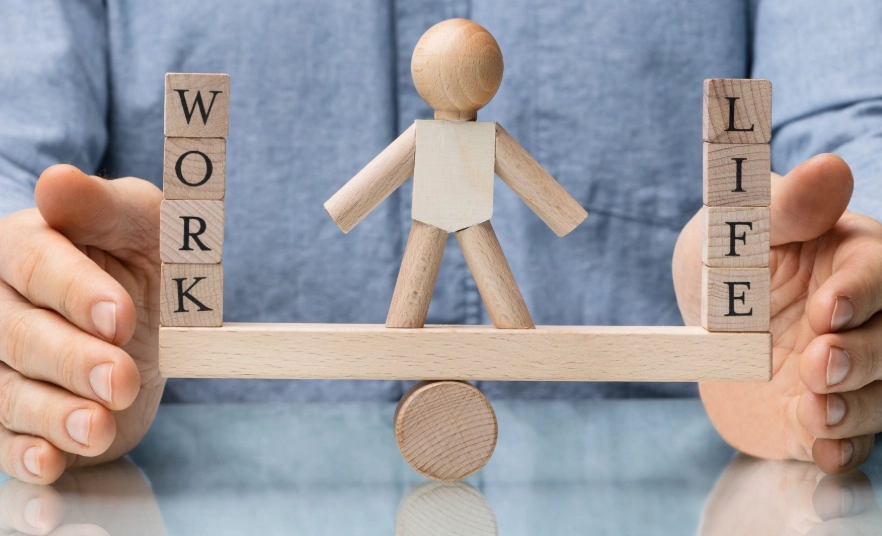
Start conversations. Talk to your colleagues about what they need. If you're in a meeting and notice a woman's idea was glossed over, you can say, "I think Sarah's point about the timeline is really important. Can we circle back to that?"
Use your voice in surveys and feedback sessions. Be specific. Instead of "the office is cold," say, "The temperature in the main workspace is consistently below 68°F, which is causing discomfort and distraction. Can we adjust the thermostat to a median range of 70-72°F?"
Know your rights. Familiarize yourself with policies from the Occupational Safety and Health Administration (OSHA) regarding workplace safety and the Equal Employment Opportunity Commission (EEOC) regarding discrimination and harassment. Knowledge is power.
Putting It All Together: Your Personal Workplace Health Action Plan
This is a lot of information. Don't try to overhaul everything at once. Pick one or two areas to focus on this month.
Maybe it's finally adjusting your chair and monitor height.
Maybe it's committing to taking a proper lunch break away from your desk.
Maybe it's having a conversation with your manager about flexible hours.
Track how the change makes you feel. Does your neck hurt less? Do you have more afternoon energy? Are you less irritable on Sunday nights?
Workplace health for women isn't a luxury or a perk. It's a basic requirement for a sustainable, productive, and equitable work life. It's about creating environments where women don't have to leave parts of themselves at the door to be successful. It's about designing workspaces—both physical and cultural—that work *for* us, not against us.
It's a journey, not a destination. But every step, whether it's a better chair, a clearer boundary, or a more open conversation, moves us toward workplaces where women don't just survive, but thrive.


Leave a comment