Let's be honest. Most advice on getting pregnant feels vague. "Live healthily," "reduce stress," "know your cycle." It's not wrong, but it's not a plan. After a decade of working with couples, I've seen the gap between generic tips and what actually moves the needle. This guide is different. We're going deep on the pregnancy tips to conceive that are actionable, evidence-backed, and often overlooked. The goal isn't just to try, but to try smarter.
Forget the pressure. Think of this as a project with the best possible outcome.
Your Quick Roadmap to Conception
Master Your Fertility Window (It's Not Just Day 14)
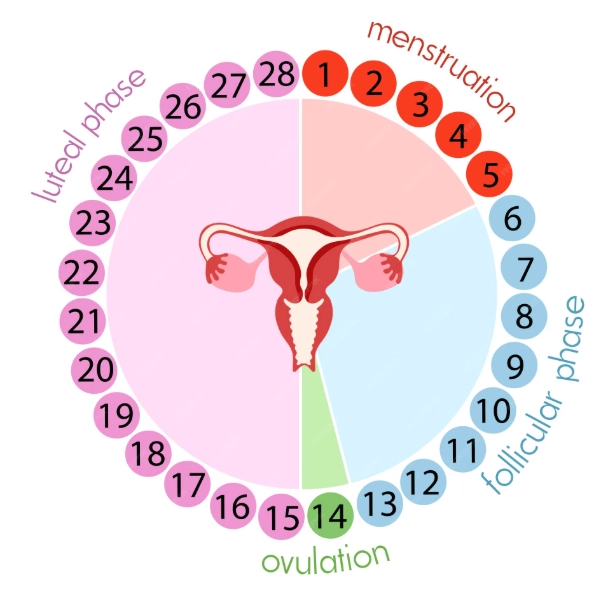
The biggest misconception? That you ovulate on day 14. For many women, that's a myth. Cycles vary. The key is identifying your personal fertile window—the 5-6 days leading up to and including ovulation. Sperm can live inside you for up to 5 days, but the egg only lasts 12-24 hours after release. Timing is everything.
How to Track Ovulation Like a Pro
Ditch the guesswork. Here’s a breakdown of methods, from basic to advanced.
| Method | What It Tells You | Pro Tip / Common Pitfall |
|---|---|---|
| Calendar/App Tracking | Predicts ovulation based on past cycle length. | Pitfall: Useless for irregular cycles. Use it only as a rough starting point, not a definitive guide. |
| Basal Body Temperature (BBT) | Confirms ovulation after it happens (temp rises 0.5-1°F). | Pro Tip: Take your temperature first thing in the morning, before you even sit up. Consistency is non-negotiable. A cheap BBT thermometer is fine. |
| Cervical Mucus (CM) | Signals approaching fertility. Fertile CM is clear, stretchy, like egg whites. | This is a free, body-led clue. Many ignore it. Check internally. Watery or egg-white CM means "go time." |
| Ovulation Predictor Kits (OPKs) | Detects the LH hormone surge 24-36 hours before ovulation. | Don't test first thing in the morning. Test between 10 am and 8 pm for best accuracy. A positive means you'll likely ovulate in the next day or two. |
| Cervical Position | During fertility, the cervix is high, soft, and open. | This takes practice to learn. Combine it with CM for a clearer picture. |
The gold standard? Combine BBT and CM. BBT confirms it happened, CM tells you when it's about to. OPKs add precision. Using just an app is like navigating with an old, blurry map.
Real Talk from the Trenches: I coached a woman with 35-day cycles who was frustrated after 8 months of trying. She was targeting day 21 based on an app. When we tracked BBT and CM, we found she was actually ovulating around day 26. That 5-day difference was the entire problem. She conceived the second cycle after adjusting her timing.
Lifestyle Tweaks That Actually Matter
You've heard "eat healthy and exercise." Let's get specific. What you do in the 90 days before conception matters—it's the maturation period for both eggs and sperm.
Nutrition: Beyond Prenatal Vitamins
A prenatal with at least 400 mcg of folic acid is non-negotiable for preventing neural tube defects. But food is your foundation.
- Focus on Full-Fat Dairy: A Harvard study (from the Nurses' Health Study II) found that women consuming one serving of full-fat dairy daily had lower risks of ovulatory infertility. Think whole milk, Greek yogurt, full-fat cheese. The fat-soluble vitamins seem to play a role.
- Plant-Based Iron: Load up on lentils, spinach, and fortified cereals. Iron from plants aids ovulation.
- Healthy Fats are Your Friend: Avocados, nuts, olive oil, and fatty fish (like salmon, low in mercury) reduce inflammation and support hormone production.
What to cut back on? Trans fats (check processed food labels), excessive alcohol (more than 3-4 drinks a week), and high-mercury fish. Caffeine under 200mg daily (two small cups) is generally fine.
Movement & Body Weight
Extremes hurt. Being significantly underweight or overweight can disrupt ovulation. Aim for a BMI in the healthy range, but focus on habits, not just the scale.
Moderate exercise (30 mins most days) is fantastic. But marathon training or intense daily HIIT sessions? That can stress your body enough to stop ovulation. If your period becomes light or disappears, your exercise intensity might be the culprit.
The Invisible Factors: Stress and Toxins
"Just relax" is terrible advice. Chronic stress elevates cortisol, which can throw off reproductive hormones. The solution isn't a spa day, but consistent micro-practices.
Try a 10-minute breathing exercise before bed. Take a phone-free walk. Schedule something fun that has nothing to do with fertility.
Environmental toxins are a growing concern. While you can't avoid everything, you can make smart swaps: use glass instead of plastic for food storage, choose fragrance-free personal care products when possible, and wash produce well. The American Society for Reproductive Medicine (ASRM) notes that reducing exposure to certain endocrine disruptors is a prudent part of preconception care.
A Common Mistake: People overhaul their entire life overnight, creating more stress. Pick one area to improve each month. Swap your breakfast for something with more protein. Add a short walk. Small, sustainable changes beat a perfect but short-lived overhaul.
When to Stop Guessing and Start Getting Help
Knowing when to seek professional guidance is a crucial, often emotional, tip. The standard timeline is:
- Under 35: Try for 1 year.
- 35 or older: Try for 6 months.
- Immediately: If you have irregular cycles, known conditions like PCOS or endometriosis, a history of pelvic infections, or multiple miscarriages.
But "trying" should mean actively tracking with the methods above. If you've had 6-12 cycles of well-timed intercourse with no success, it's time for a check-up. A basic fertility workup involves blood tests (hormone levels), a semen analysis for your partner (this is often the first and easiest test), and potentially an HSG to check if your tubes are open.
Seeing a specialist doesn't mean you're jumping to IVF. It means you're gathering data. Sometimes the issue is simple and fixable.
The Mindset Shift Nobody Talks About
This journey can consume you. The two-week wait. The negative tests. The well-meaning questions from family.
The most important psychological tip is to protect your relationship and your identity. Don't let "trying" become your only shared activity. Schedule date nights where conception is off the table. Have conversations about things other than baby-making.
Remember, you are more than your fertility. Your worth is not tied to a positive test.
Set a mental checkpoint. For example, "We'll try these methods for X months, then we'll get a check-up." Having a plan reduces the feeling of being in an endless, passive loop.




Leave a comment