What You'll Learn
- Why Bother? Beyond the Obvious Burn
- Decoding the Bottle: How to Choose Your Perfect Sunscreen
- Building Your Daily Sun Protection for Women Arsenal
- Your Sun Protection Routine: Morning, Noon, and Night
- Answering Your Burning Sun Protection Questions
- The Final Word: Making It Stick
- The Great Debate: Mineral vs. Chemical Sunscreens
Okay, let's be honest. Sun protection for women can feel overwhelming. Walk into any store, and you're hit with a wall of bottles – SPF 30, 50, 100, mineral, chemical, for face, for body, with a tint, without. It's enough to make you just grab something and hope for the best. I used to do that. I'd buy the fancy French pharmacy bottle because the packaging looked chic, not because I knew what was in it. Big mistake. My skin felt greasy, it pilled under makeup, and honestly, I'd skip it on rushed mornings. Sound familiar?
That's why we need to cut through the marketing noise. This isn't about scaring you with wrinkles (though yes, the sun causes up to 90% of visible aging, according to the Skin Cancer Foundation). It's about giving you a clear, practical system. A system that works whether you have dry skin, oily skin, sensitive skin, or you're just someone who hates that sticky feeling. Because effective sun protection for women shouldn't be a chore; it should be as routine as brushing your teeth.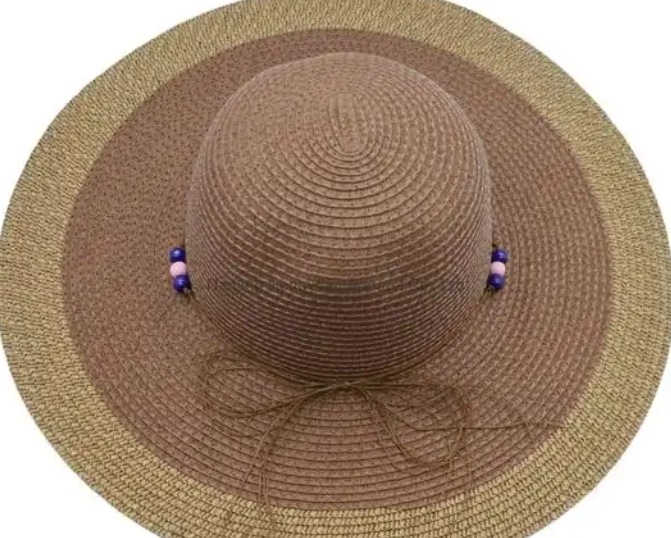
Why Bother? Beyond the Obvious Burn
Everyone knows sunburns are bad. But the daily, silent damage is what really gets you. Think of it like this: UV rays are like tiny bullets hitting your skin. UVA rays (the "Aging" rays) are the long-range snipers. They penetrate deep into the dermis, breaking down collagen and elastin – the stuff that keeps your skin firm and plump. They're present all day, every day, and go right through clouds and windows. UVB rays (the "Burning" rays) are the close-range shotguns. They cause the surface-level reddening and burning and are the primary cause of skin cancer.
So what are you actually preventing with good sun protection for women?
- Premature Aging (Photoaging): This is the big one for a lot of us. We spend fortunes on serums and creams, but skipping sunscreen is like fixing a leaky roof while leaving the windows wide open in a storm. Photoaging shows up as fine lines, deep wrinkles, leathery texture, and those stubborn brown spots (solar lentigines).
- Hyperpigmentation & Melasma: If you struggle with dark spots or the "mask of pregnancy" (melasma), the sun is your #1 enemy. UV exposure stimulates melanocytes, the pigment-producing cells, making any discoloration worse and harder to treat.
- Skin Cancer Risk: This is the most critical reason. Skin cancer is the most common cancer in the United States. The American Academy of Dermatology states that regular daily use of SPF 15 or higher reduces your risk of developing squamous cell carcinoma by about 40% and melanoma by 50%. Those aren't just numbers; that's your health.
- Weakening of Skin's Immunity: Chronic sun exposure can suppress the skin's local immune system, making it harder for your body to fight off infections and even clear pre-cancerous cells.
But knowing why isn't enough. You need to know how. And the heart of the "how" is picking the right sunscreen.
Decoding the Bottle: How to Choose Your Perfect Sunscreen
This is where most guides get too technical. Let's simplify. Your perfect sunscreen is the one you'll actually use every single day. For me, that meant finding one that felt like nothing on my skin. For you, it might be one that doubles as a moisturizer or has a slight tint.
First, the non-negotiables. Look for these words on the label:
- Broad Spectrum: This is mandatory. It means the product protects against both UVA (aging) and UVB (burning) rays. Without this, you're only getting half the protection.
- SPF 30 or Higher: SPF (Sun Protection Factor) mainly measures UVB protection. SPF 30 blocks about 97% of UVB rays, SPF 50 blocks about 98%. The jump to SPF 100 is marginal. The FDA and most dermatologists agree SPF 30-50 is the sweet spot for daily use. Higher SPFs can give a false sense of security and are often thicker.
- Water Resistance (if needed): If you're sweating or swimming, you need a water-resistant formula. Note it says "resistant," not "proof." You still need to reapply every 40 or 80 minutes (as stated on the label) during water activities.
The Great Debate: Mineral vs. Chemical Sunscreens
This is the biggest fork in the road. Let's break it down without bias.
| Feature | Mineral (Physical) Sunscreens | Chemical Sunscreens |
|---|---|---|
| Active Ingredients | Zinc Oxide, Titanium Dioxide | Oxybenzone, Avobenzone, Octisalate, Homosalate, etc. |
| How it Works | Sits on top of skin, reflecting/scattering UV rays like a mirror. | Absorbs into skin, then absorbs UV rays and converts them to heat, which is released. |
| Start of Protection | Effective as soon as it's applied. | Takes about 15-20 minutes to become effective after application. |
| Best For | Sensitive skin, rosacea, melasma, children, pregnancy. Often recommended by the Environmental Working Group (EWG) for stability. | Daily wear under makeup, active lifestyles (often more sweat-resistant), easier to rub in without a white cast (on deeper skin tones). |
| Potential Downsides | Can leave a white cast (though modern micronized formulas are much better). Can feel heavier or pill under makeup if not formulated well. | Can cause stinging for some with sensitive skin. Some chemical filters (like oxybenzone) are under environmental scrutiny for coral reef impact. |
| My Personal Take | I've switched mostly to mineral for daily face use. My skin is happier. The white cast used to be a deal-breaker, but new tinted formulas are game-changers. | I still use chemical sunscreens for long runs or beach days because the formulations feel more invisible when I'm sweating a lot. |
See? It's not that one is universally "better." It's about what's better for you. If you have sensitive skin, start with mineral. If you have a deeper skin tone and hate a white cast, look for a tinted mineral formula or a well-formulated chemical one.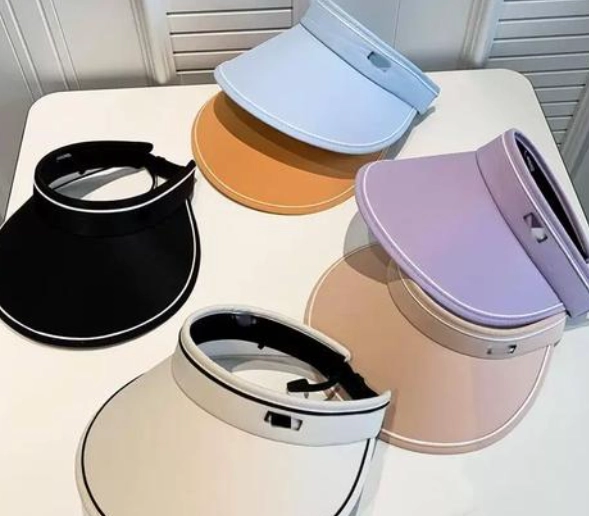
Matching Sunscreen to Your Skin Type
This is the practical magic. Forget one-size-fits-all.
For Oily/Acne-Prone Skin: You need the words "oil-free," "non-comedogenic," and "matte finish" or "gel." Look for lotions or gels over creams. Some sunscreens even contain blotting powders or niacinamide to control shine. Avoid heavy oils and butters in the ingredient list.
For Dry Skin: Your sunscreen can be your best friend. Look for hydrating formulas with hyaluronic acid, ceramides, or glycerin. Cream-based sunscreens are great. A moisturizing sunscreen might mean you can skip a separate moisturizer in the AM, simplifying your routine.
For Sensitive/Rosacea-Prone Skin: Mineral sunscreens with zinc oxide are usually the safest bet. Zinc is actually calming. Avoid formulas with fragrance, alcohol, or essential oils, as these are common irritants. Keep the ingredient list short and simple.
For Mature Skin: Prioritize formulas with added antioxidants (like Vitamin C or E) to fight free radicals. A slightly dewy or luminous finish can be more flattering than a flat matte. Tinted options can help even out tone without heavy foundation.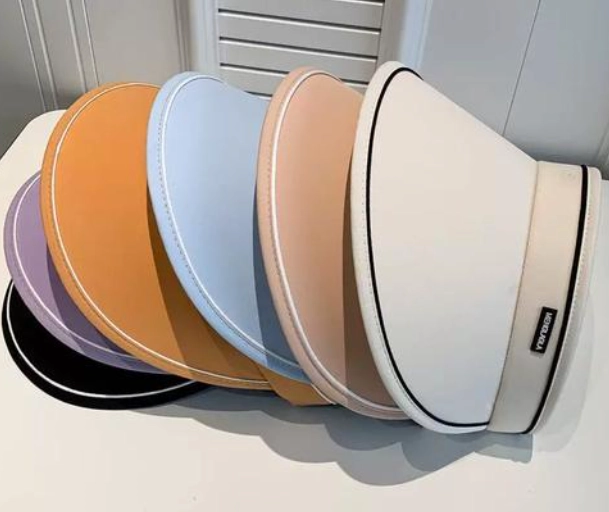
Building Your Daily Sun Protection for Women Arsenal
Sunscreen is your star player, but it's not the whole team. Think of sun protection for women as a strategy with multiple layers. The more layers you use, the safer you are.
1. The Daily Facial Sunscreen (Non-Negotiable)
This goes on 365 days a year, rain or shine, indoors or out. UVA rays penetrate windows. If you sit near a window at home or work, you're getting exposure. Apply it as the last step of your morning skincare routine, before makeup. How much? The rule is about 1/4 teaspoon for your face and neck. That's about two finger-lengths worth of product. Most people apply only 25-50% of the recommended amount, drastically reducing the protection.
Don't forget your neck, ears, and the backs of your hands!
2. The Power of Protective Clothing
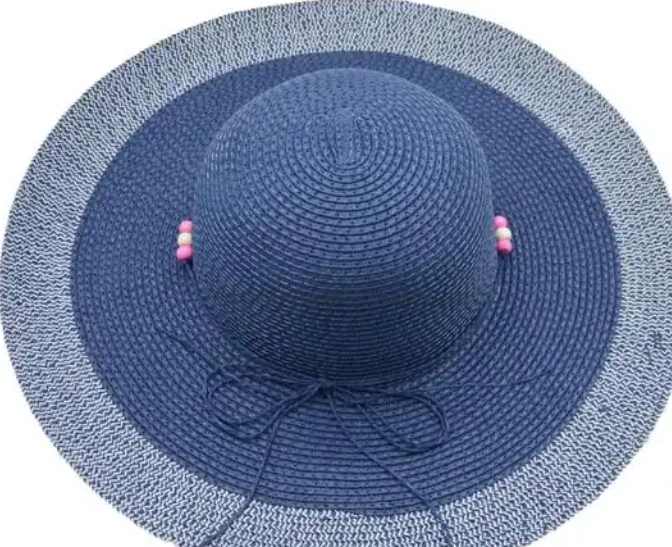
This is a seriously underrated tool. A long-sleeve shirt provides consistent, worry-free protection that doesn't sweat off. Look for clothes with a UPF (Ultraviolet Protection Factor) rating. A UPF 50 fabric blocks 98% of UV rays. You can find stylish UPF shirts, cardigans, and even jeans now. A wide-brimmed hat (think 3 inches or more) protects your face, ears, and neck better than any baseball cap. And don't forget UV-blocking sunglasses—they protect your delicate eye area and the lenses themselves, reducing cataract risk.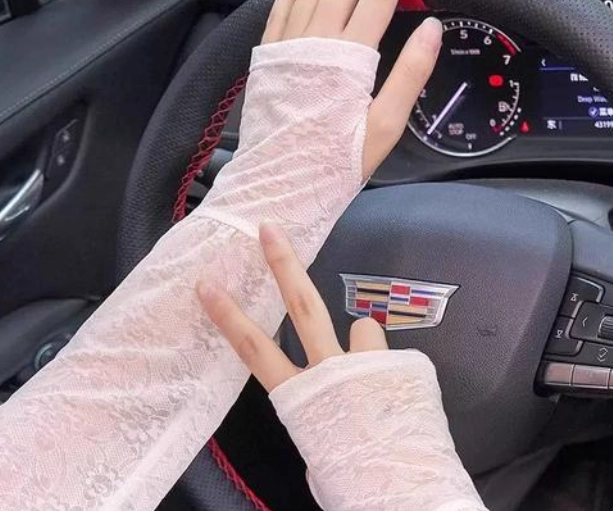
3. Seeking Shade & Timing
Simple but effective. The sun's rays are strongest between 10 a.m. and 4 p.m. If you're planning outdoor activities, try to schedule them for early morning or late afternoon. When you are out, use umbrellas, canopies, or trees. This isn't about becoming a vampire; it's about smart planning.
Your Sun Protection Routine: Morning, Noon, and Night
Let's stitch this all together into a real day.
Morning (At Home): Cleanse, apply your serum/moisturizer, then wait a minute for them to sink in. Apply your 1/4 teaspoon of broad-spectrum facial sunscreen. Let it set for 2-3 minutes before starting your makeup. If your foundation has SPF, that's a bonus, but it's not a replacement. You'd need to apply a teaspoon of foundation to get the stated SPF, which is… not a good look.
Mid-Day (Reapplication is KEY): This is the hurdle. If you're not wearing makeup, just reapply your sunscreen. If you are wearing makeup, you have options:
- Powder SPF: A mineral SPF powder you can brush over makeup. Great for touch-ups on oily zones.
- SPF Setting Spray/Mist: A fine mist you can spray over your finished face. Check the instructions—some need to be rubbed in lightly, others don't.
- The Blot & Reapply Method: Use a blotting paper to remove excess oil, then gently pat a small amount of a lightweight, non-greasy sunscreen (like a gel-cream) over your makeup. It might disturb it slightly, but it's effective.
For Outdoor Activities: Here, you go full protocol. Water-resistant sunscreen (SPF 30-50) applied liberally to all exposed skin 15 minutes before going out. Set a timer on your phone for 80 minutes (or 40 if you're sweating/swimming heavily) to reapply. Wear your hat, shirt, and sunglasses. Seek shade when you can.
Answering Your Burning Sun Protection Questions
Do I really need sunscreen if my moisturizer/foundation has SPF?
Yes. Think of it this way: the SPF in makeup is a backup singer, not the lead vocalist. You likely don't apply nearly enough foundation or moisturizer to achieve the SPF number on the bottle. A dedicated sunscreen is applied in the correct, measured amount to guarantee protection.
How long does a bottle of sunscreen last?
If you're using the correct amount (1/4 tsp for face/neck daily), a standard 50ml (1.7oz) bottle of facial sunscreen should last you about two months. If it's lasting six months, you're not using enough. For body, a 200ml bottle might only last a few full-body applications.
Can I use last year's sunscreen?
Check the expiration date (the period-after-opening jar symbol). Generally, if it's been stored in a cool, dark place and isn't past its date, it's probably okay. But if it's separated, changed color, or smells funny, toss it. Sunscreen is one product where it's worth buying fresh each season for optimal potency.
What about vitamin D?
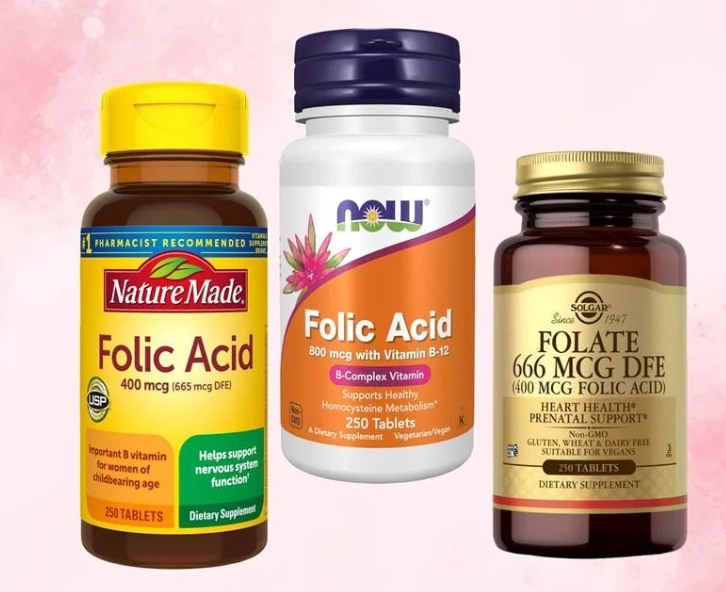
This is a common concern. The AAD states that you should not seek sun exposure for vitamin D due to the skin cancer risk. Most people can get sufficient vitamin D from a healthy diet (fatty fish, fortified foods) and/or a supplement. Sunscreen does not cause vitamin D deficiency.
Is a higher price tag worth it for sunscreen?
Sometimes. A drugstore sunscreen that you love and use every day is infinitely better than a $80 bottle that sits in your cabinet because it feels awful. That said, more expensive sunscreens often invest in more elegant formulations, better blends of filters, and added skincare benefits (antioxidants, better textures). Find what works for your budget and your skin's comfort.
The Final Word: Making It Stick
Look, I'm not perfect. I've forgotten to reapply. I've gotten lazy. The goal isn't perfection; it's consistency. Find your "why" – is it to prevent dark spots? To keep your skin healthy for your kids? To feel confident without makeup? Tape a picture of that "why" to your mirror.
Start small. Commit to a daily facial sunscreen for one month. Just one product. Once that's a habit, add a hat for weekend walks. Then try a UPF shirt for gardening.
Comprehensive sun protection for women is the ultimate act of self-care. It's not about fear; it's about respect for the skin you're in. It's the foundation for every other skincare product you'll ever use. And honestly, there's a real peace of mind that comes from knowing you're doing right by your skin every single day.
So go find that sunscreen. Try a few samples if you can. Get a hat you feel cute in. Make it your own. Your future skin will absolutely thank you.




Leave a comment