Quick Navigation
- What Exactly Is a Mammogram Screening?
- Why Bother? The Real Benefits of Getting Screened
- The Great Debate: When to Start and How Often?
- The Mammogram Day: A Step-by-Step Walkthrough
- Decoding Your Results: The BI-RADS Score Demystified
- The Big Topic: Dense Breasts and Supplemental Screening
- Wrapping It Up: Your Action Plan
Let's be honest, the whole idea of a mammogram can feel pretty intimidating. You hear about it, you know it's important, but when you actually start digging into the details, it's easy to get lost in a sea of conflicting advice. Should you start at 40 or 45? Is it painful? What if they find something? I remember sitting with my aunt years ago while she tried to decipher her mammogram report, and we were both completely lost. That frustration is what made me want to put this guide together.
This isn't a dry medical textbook. Think of it as a long chat with a friend who's done a ton of research. We're going to walk through everything, from the basic "what is it" to the nitty-gritty of what your results actually mean. We'll tackle the scary parts, the confusing guidelines, and the practical stuff nobody really talks about, like what to wear (spoiler: two-piece outfits are your friend).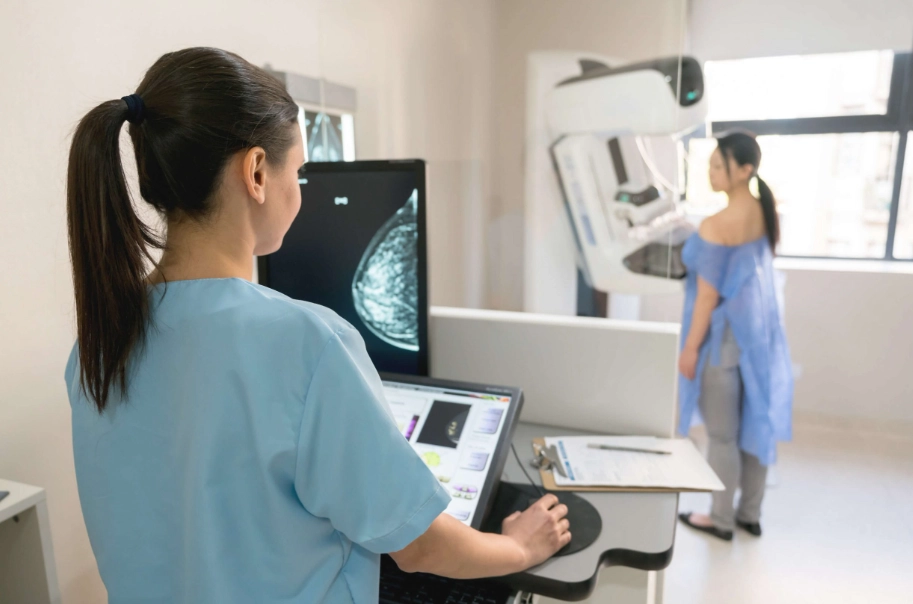
Bottom Line Up Front: Regular mammogram screening is the most reliable tool we have right now to catch breast cancer early, often before you can feel a lump. Early detection dramatically increases treatment options and success rates. The confusion usually isn't about the "why," but the "when" and "how often." Let's clear that up.
What Exactly Is a Mammogram Screening?
At its core, a screening mammogram is a specific type of low-dose X-ray picture of your breast. It's called "screening" because it's done for women who have no signs or symptoms of breast cancer. The goal is purely preventative—to look for hidden problems, like tiny calcium deposits (microcalcifications) or masses that are too small to feel during a self-exam.
It's different from a diagnostic mammogram, which is what you get if you or your doctor finds a lump, or if your screening mammogram shows something that needs a closer look. That one is more detailed and focuses on a specific area.
The machine itself has two plates that flatten or compress the breast. Yeah, that's the part everyone talks about. It lasts for a few seconds per image. The technologist will usually take two pictures of each breast—one from top to bottom and one from side to side. The whole appointment, from check-in to walking out, is often under 30 minutes. The actual compression part? Maybe 10 minutes total.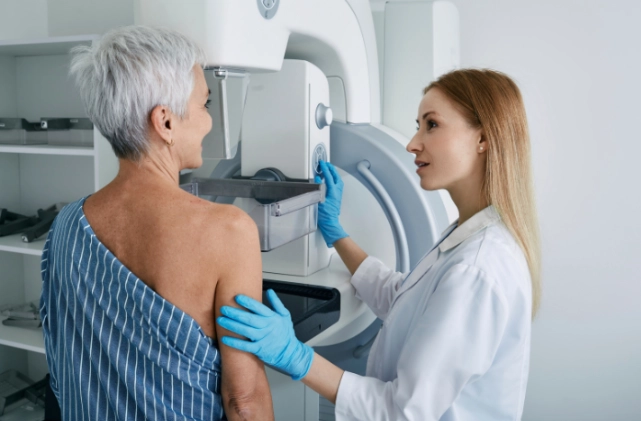
Why Bother? The Real Benefits of Getting Screened
Why put yourself through this? The statistics tell a powerful story. According to the American Cancer Society (ACS), breast cancer death rates have declined by 43% since 1989. A big chunk of that credit goes to early detection through mammography and improved treatments.
Here’s what regular mammogram screening can actually do for you:
- Finds cancer early, when it's most treatable: This is the big one. Mammograms can spot cancers years before a lump grows large enough to feel. Early-stage cancers (like Stage 0 or Stage I) often require less aggressive treatment and have survival rates approaching 99%.
- Can detect ductal carcinoma in situ (DCIS): This is a non-invasive cancer where abnormal cells are contained in the milk ducts. Finding and treating DCIS can prevent it from becoming invasive cancer later.
- Provides peace of mind: For most women, the result is a simple "all clear." Getting that regular, normal report is a huge weight off your shoulders and empowers you to keep up with your health.
But it's not a perfect test, and we have to talk about that too. It can miss some cancers (a false negative), especially in women with dense breast tissue. And it can sometimes flag something that turns out to be harmless (a false positive), leading to callbacks and extra tests that cause anxiety. The key is understanding these limitations while still recognizing the overwhelming net benefit for most women.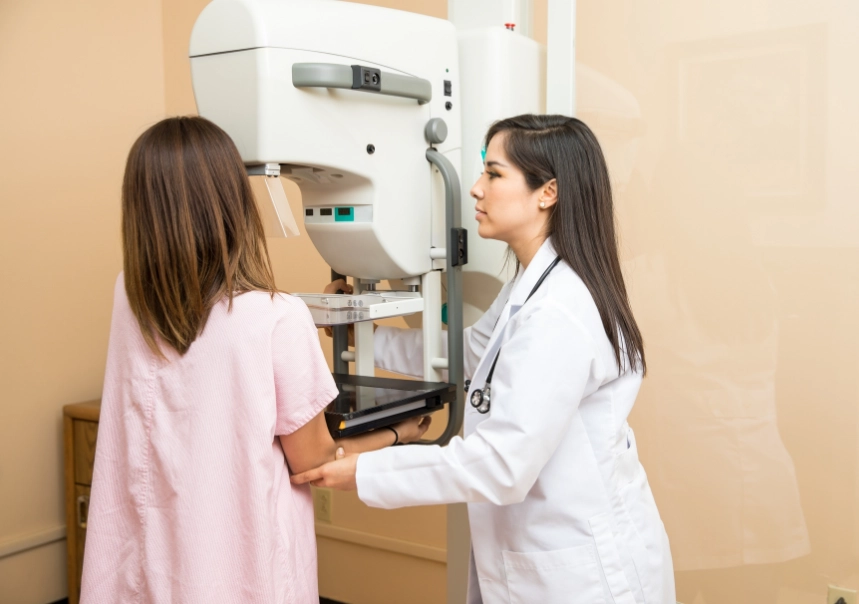
The Great Debate: When to Start and How Often?
This is where everyone gets confused. Different expert groups have different guidelines, and it can feel like they're changing every few years. It's frustrating, I know. The truth is, it's not one-size-fits-all, and the guidelines reflect an ongoing debate about balancing benefits (saving lives) with potential harms (false positives, overdiagnosis).
Here’s a breakdown of the major guidelines to show you where the consensus and disagreements lie:
| Organization | Recommended Starting Age for Average-Risk Women | Recommended Frequency | Key Notes / Philosophy |
|---|---|---|---|
| American Cancer Society (ACS) | 40 | Annually from 40-54; Every 1-2 years from 55+, as long as in good health. | Emphasizes starting earlier because more lives are saved. Believes the benefits outweigh harms starting at 40. |
| U.S. Preventive Services Task Force (USPSTF) | 40 | Every 2 years. | In 2024, updated its draft recommendation to start at 40 (from 50). Focuses on population-level benefit and reducing false positives by recommending biennial screening. |
| American College of Obstetricians and Gynecologists (ACOG) | 40 | Annually or biennially (discuss with provider). | Offers flexibility. Strongly recommends a shared decision-making conversation between woman and doctor. |
| American College of Radiology (ACR) | 40 | Annually. | The most aggressive schedule. Advocates for annual screening to maximize early detection, especially for fast-growing cancers. |
See the pattern? There is now a strong consensus to start some form of mammogram screening at age 40. The 2024 USPSTF draft update was a huge deal in aligning the major players. The main remaining difference is the frequency—yearly vs. every two years.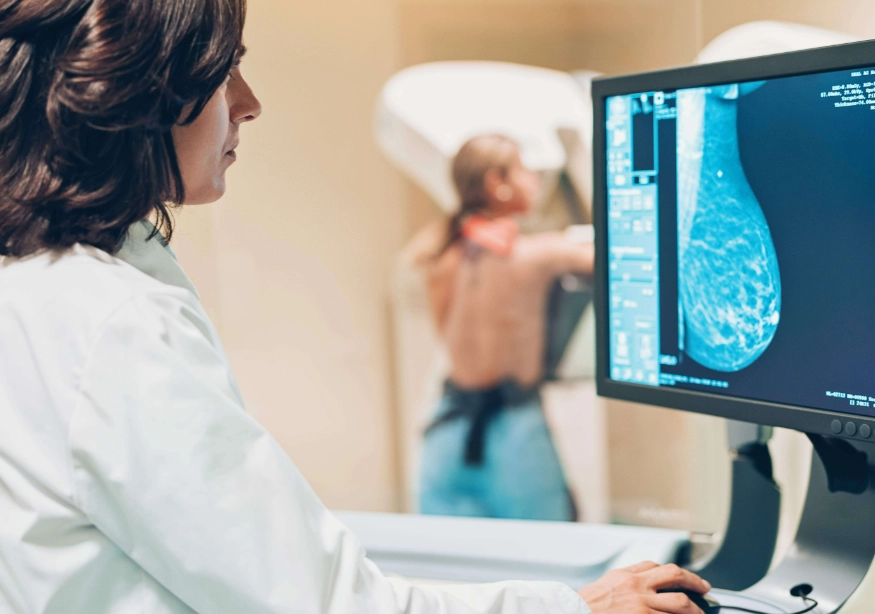
So, What Should YOU Do?
Don't just pick a guideline at random. This is where the concept of shared decision-making is crucial. Talk to your doctor about YOUR personal risk factors. The conversation should cover:
- Your family history of breast or ovarian cancer.
- Your personal breast density (you'll find this on your report).
- Your own tolerance for risk (e.g., are you more worried about missing a cancer or about the anxiety of a false alarm?).
- Any prior breast biopsies or conditions.
For a woman with no additional risk factors, starting at 40 and going every year or two is a very reasonable choice based on current evidence. If you have dense breasts or a family history, your doctor will likely lean toward annual screening.
The Mammogram Day: A Step-by-Step Walkthrough
Knowing what to expect can cut the anxiety in half. Let's walk through a typical screening mammogram appointment.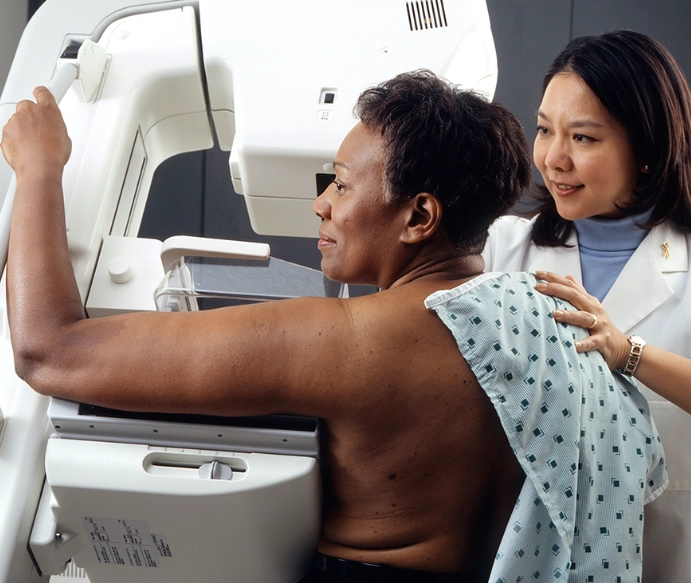
Before You Go (Preparation)
Schedule your appointment for the week after your period, if you still get one. Your breasts are usually less tender then. The day of:
- Do not use deodorant, antiperspirant, talcum powder, or lotion on your chest or underarms. These can show up on the X-ray as white spots and confuse the picture.
- Wear a two-piece outfit (like a top with pants or a skirt). You'll only need to remove your top and bra.
- Bring a list of the locations and dates of any prior breast surgeries or biopsies.
- If you've had mammograms at a different facility, try to get those old images sent over beforehand. Comparison is key for radiologists.
During the Exam
You'll be taken to a private room with the mammogram machine. A female technologist (almost always) will position you. You'll stand facing the machine, and she'll place your breast on the plate. The top plate (the compressor) will come down and flatten the breast. She'll ask you to hold your breath for a few seconds while the image is taken. You'll feel pressure—a squeezing or flattening sensation. It should not be excruciating pain. Speak up if it is! They can adjust.
The whole compression lasts less than a minute per image.
They take usually four images total (two per breast). The technologist will check the images to make sure they're clear before you leave.
After the Exam
You get dressed and go about your day. Some women have slight tenderness, but it usually fades quickly. Your images will be read by a radiologist—a doctor specially trained to interpret these scans.
Decoding Your Results: The BI-RADS Score Demystified
This is the part that causes the most panic. You get a letter or a portal notification saying your results are ready, and it's filled with technical jargon. The most important thing to look for is your BI-RADS Assessment Category. BI-RADS stands for Breast Imaging-Reporting and Data System. It's a standardized scale from 0 to 6 that tells you exactly what's next.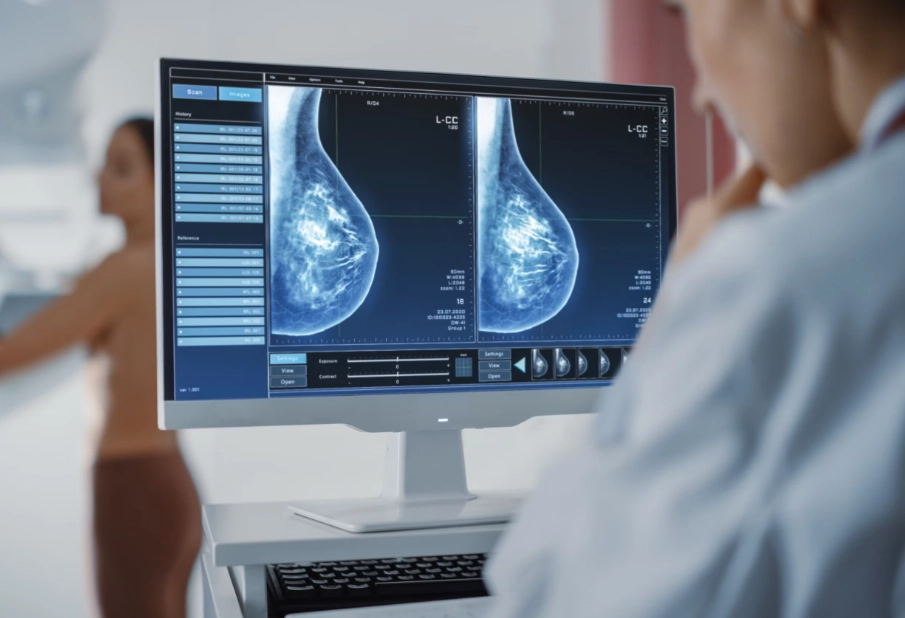
Here’s a plain-English translation of what each category means:
| BI-RADS Category | What It Means | Recommended Next Step | Likelihood of Cancer |
|---|---|---|---|
| 0: Incomplete | Need more information or old images for comparison. | Additional imaging (like more mammogram views or an ultrasound). | Cannot be determined yet. |
| 1: Negative | Nothing suspicious seen. Everything looks normal. | Continue routine screening. | Essentially 0%. |
| 2: Benign (Non-cancerous) | Definitely a non-cancerous finding (like a cyst). | Continue routine screening. | Essentially 0%. |
| 3: Probably Benign | Finding with a very low chance ( | Short-term follow-up (e.g., a repeat mammogram in 6 months). | ~2% or less. |
| 4: Suspicious | Finding that could be cancer. Biopsy should be considered. | Biopsy is recommended. | Ranges from 2% to 95% (often broken into 4A, 4B, 4C). |
| 5: Highly Suggestive of Malignancy | High probability (≥95%) of being cancer. | Biopsy is necessary. | ≥95%. |
| 6: Known Biopsy-Proven Malignancy | Already diagnosed cancer. Imaging is tracking known cancer. | Continue treatment/management plan. | 100% (confirmed). |
Important: Getting a callback (BI-RADS 0) or a "probably benign" (BI-RADS 3) result is incredibly common. About 10% of women are called back after a screening mammogram for more pictures, and the vast majority of those turn out to be nothing. Try not to spiral if you get that call—it's a normal part of the process designed to be thorough, not a diagnosis.
The Big Topic: Dense Breasts and Supplemental Screening
If you get your mammogram report and see the words "dense breast tissue," you're not alone. Nearly half of all women over 40 have dense breasts. Density refers to the amount of fibrous and glandular tissue compared to fatty tissue in your breasts. It's not about how your breasts feel; it's only visible on a mammogram.
Why does it matter? Dense tissue appears white on a mammogram. So do cancers. It's like looking for a snowball in a snowstorm—the cancer can be hidden or "masked" by the dense tissue. This is the main reason mammograms can miss some cancers. Also, having dense breasts is itself an independent risk factor for developing breast cancer.
Because of this, many states have laws requiring that women be notified if they have dense breasts. If you do, your mammogram is still vital, but you and your doctor should talk about supplemental screening options. These are extra tests that might be added to your annual check:
- Breast Ultrasound: Uses sound waves. Great at distinguishing cysts from solid masses. It finds some cancers mammograms miss, but it also has a higher false-positive rate.
- Breast MRI: Uses magnets and radio waves. The most sensitive test, often recommended for women at very high risk (e.g., with BRCA gene mutations). Expensive and not usually a first-line supplemental test for average-risk women with dense breasts.
- Contrast-Enhanced Mammography (CEM) or Breast Tomosynthesis (3D Mammography): These are advanced forms of mammography. 3D mammography (now very common) takes multiple thin slice images of the breast, which can help "see through" dense tissue better than standard 2D mammograms. The National Cancer Institute (NCI) notes that tomosynthesis may improve cancer detection and reduce call-back rates.
The decision to add supplemental screening is another shared decision with your doctor, based on your density category and other risk factors.
Common Questions (And Straight Answers)
Let's blast through some of the specific questions that keep popping up.
Wrapping It Up: Your Action Plan
All this information can feel heavy, so let's simplify it into steps you can take right now.
- Know Your Baseline: If you're around 40, start the conversation with your primary care doctor or gynecologist about mammogram screening. Discuss your personal risk and decide on a starting plan.
- Schedule It: Pick a facility that is accredited (look for the ACR seal) and, if possible, offers 3D mammography (tomosynthesis).
- Prepare and Go: Follow the pre-appointment tips, wear comfy clothes, and show up. You've got this.
- Read Your Report: Don't just look for "normal" or "abnormal." Find your BI-RADS score and your breast density description. This is your health information—understand it.
- Follow Through: If you're called back, don't delay. Go to the follow-up appointment. If your results are normal, mark your calendar for your next screening in 1-2 years based on your plan.
The journey of mammogram screening is one of the most powerful examples of proactive healthcare we have. It's a personal decision, but it should be an informed one. You don't have to navigate the guidelines, the fears, and the results alone. Talk to your doctor, use resources from trusted organizations like the ACS or NCI, and take control one step at a time.
It's a small investment of time for something priceless.





Leave a comment