You just got your cholesterol numbers back, and they're higher than you'd like. The doctor mentioned "lifestyle changes," but that feels vague and overwhelming. Is it even possible to make a dent in your cholesterol in just one week?
The short, honest answer is: you can initiate significant positive physiological changes within 7 days that directly impact your cholesterol profile. You won't reverse decades of habits, but you can absolutely jumpstart the process, lower inflammation, and begin shifting your LDL (the "bad" cholesterol) and triglyceride numbers in the right direction. This isn't about a magic pill or starvation; it's a focused, science-backed action plan that replaces confusion with clarity.
I've worked with clients on this for years. The biggest mistake people make is trying to do everything at once and giving up by day three. The secret isn't deprivation; it's smart, strategic replacement.
What You'll Find in This Guide
Your 7-Day Cholesterol-Lowering Plan: A Day-by-Day Breakdown
This plan is designed to be cumulative. Each day builds on the last, creating sustainable momentum instead of shock.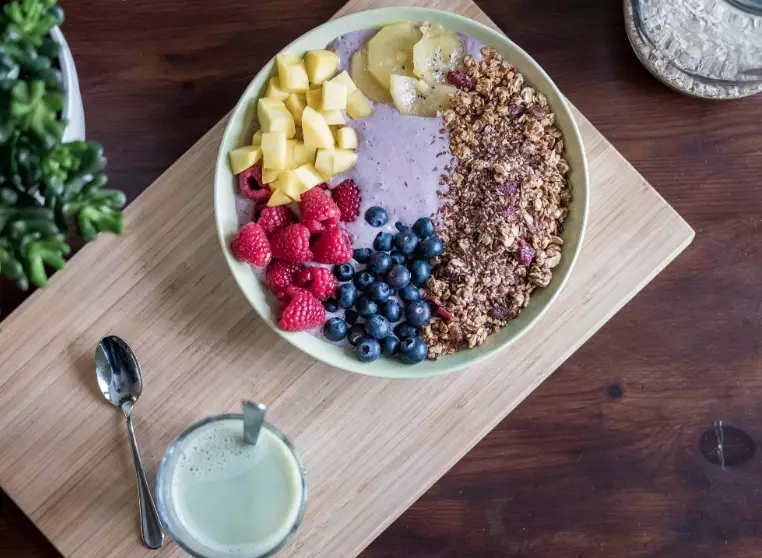
Day 1 & 2: The Foundation - Dietary Detox
Forget calorie counting today. Your sole focus is on eliminating the top three offenders. Cut out all obvious sources of trans fats. This means checking labels for "partially hydrogenated oils" and avoiding fast-food fried items, margarine sticks, and many packaged baked goods. Drastically reduce added sugars and refined carbs. That's soda, candy, pastries, white bread, and white pasta. Sugar intake is directly linked to higher triglycerides, a key part of your lipid panel. Swap out two servings of red or processed meat (like bacon, sausage, deli meat) for lean poultry, fish, or a plant-based protein like lentils. This isn't forever, but this 48-hour reset reduces massive inflammation triggers. You might feel a bit off—headaches, cravings—that's normal. It's your body adjusting.
Day 3 & 4: The Addition Phase - Fiber and Movement
Now, start adding the good stuff. Your goal: hit 10 grams of soluble fiber each day. Soluble fiber is the workhorse that binds to cholesterol in your gut and removes it. How? Start your day with a big bowl of oatmeal (not instant). Add a tablespoon of ground flaxseed or chia seeds. Snack on an apple or a pear with the skin on. Include beans or lentils in one meal. Introduce movement. We're not training for a marathon. On Day 3, take a brisk 25-minute walk. On Day 4, make it 30 minutes. The goal is to raise your heart rate slightly. Exercise helps increase HDL (the "good" cholesterol) and improves how your body processes fats.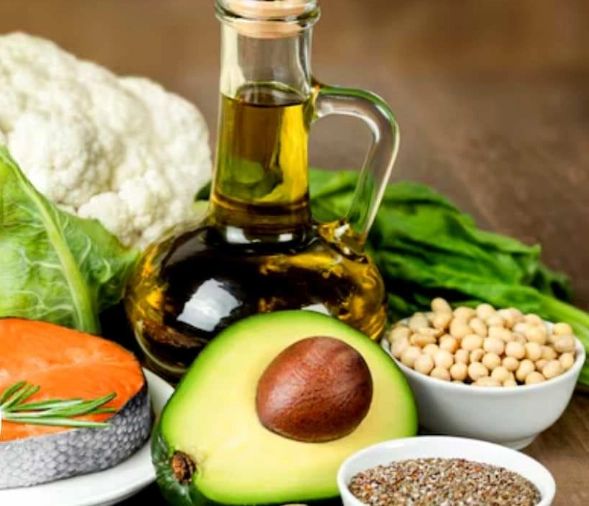
Day 5, 6 & 7: Integration and Hydration
Combine the lessons. Maintain the no-trans-fat, low-added-sugar rule. Keep aiming for your soluble fiber goal. Now, actively add heart-healthy fats. Include a small handful of almonds or walnuts. Use avocado on your sandwich instead of mayo. Cook with olive oil. Focus on hydration. Drink water consistently throughout the day. Often, thirst masks itself as hunger, leading to poor snacking choices. Proper hydration also supports overall metabolic function. By Day 7, these actions shouldn't feel like a strange chore. You've built a prototype of a cholesterol-friendly routine.
The Instant Food Swap Strategy: What to Eat and Avoid
Thinking in terms of "good" and "bad" foods is exhausting. It's easier to think in swaps. Here’s your practical cheat sheet.
| Instead Of This... | Try This Instead (The "Week 1" Swap) | Why It Works |
|---|---|---|
| Butter or stick margarine on toast | Mashed avocado or a thin spread of nut butter | Replaces saturated/trans fats with monounsaturated fats and fiber. |
| White pasta or rice as a side | Quinoa, barley, or half-portions of whole-wheat pasta/brown rice | Increases whole grains and fiber content significantly. |
| Potato chips or cheese puffs for a snack | A small handful of unsalted almonds or walnuts | Provides healthy fats, protein, and fiber instead of empty carbs and unhealthy oils. |
| Sugary breakfast cereal | Old-fashioned oats topped with berries and a sprinkle of cinnamon | Packs in soluble fiber and antioxidants, with no added sugar spike. |
| Red meat (beef, pork) for dinner 3+ times a week | Swap at least two of those meals for fatty fish (salmon, mackerel) or a bean-based chili | Reduces saturated fat intake and adds omega-3s (from fish) or soluble fiber (from beans). |
| Cream-based soup or sauce | Broth-based soups, or sauces made with pureed vegetables (like cauliflower) or a splash of olive oil | Eliminates a hidden source of heavy saturated fats. |
See the pattern? You're not just taking things away; you're providing a better, tastier alternative. This is the mindset that leads to long-term success, not just a 7-day sprint.
A Quick Note on Supplements: You'll see ads for red yeast rice or berberine. While some have evidence, they can interact with medications (especially statins). Never start a supplement during an aggressive 7-day change without talking to your doctor. Food-first is always the safest, most effective Week 1 strategy.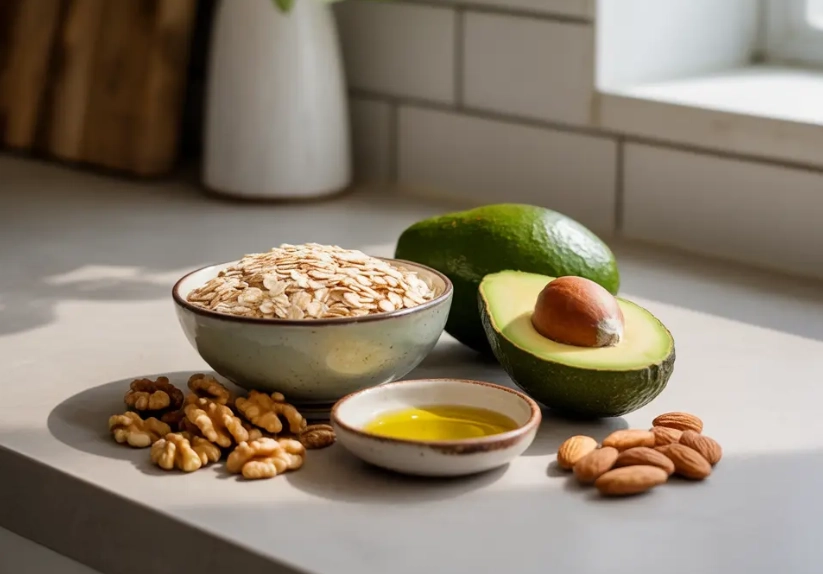
Beyond Diet: The Non-Negotiables Most Guides Miss
If you nail the diet but ignore these, you're fighting with one hand tied behind your back.
Sleep is non-negotiable. Poor sleep (less than 7 hours) messes with the hormones that regulate hunger and fat metabolism. It can directly raise your LDL. In this 7-day push, prioritize getting to bed 30 minutes earlier. It's as important as your walk.
Manage your stress, even a little. Chronic stress raises cortisol, which can increase free fatty acids in your blood, leading to higher triglyceride and LDL production. You can't eliminate stress in a week, but you can insert a 5-minute buffer. Try this: before a meal, take 5 deep, slow breaths. It sounds trivial, but it signals your nervous system to shift out of "fight-or-flight," which improves digestion and fat metabolism.
Alcohol is a double-edged sword. A common misconception is that red wine is a "health food" for cholesterol. The reality is more nuanced. While moderate alcohol might slightly raise HDL, it's also calorie-dense and can significantly raise triglycerides. For this focused 7-day period, consider taking a break from alcohol entirely to see its pure effect on your system. The American Heart Association notes that there are safer, more effective ways to improve heart health.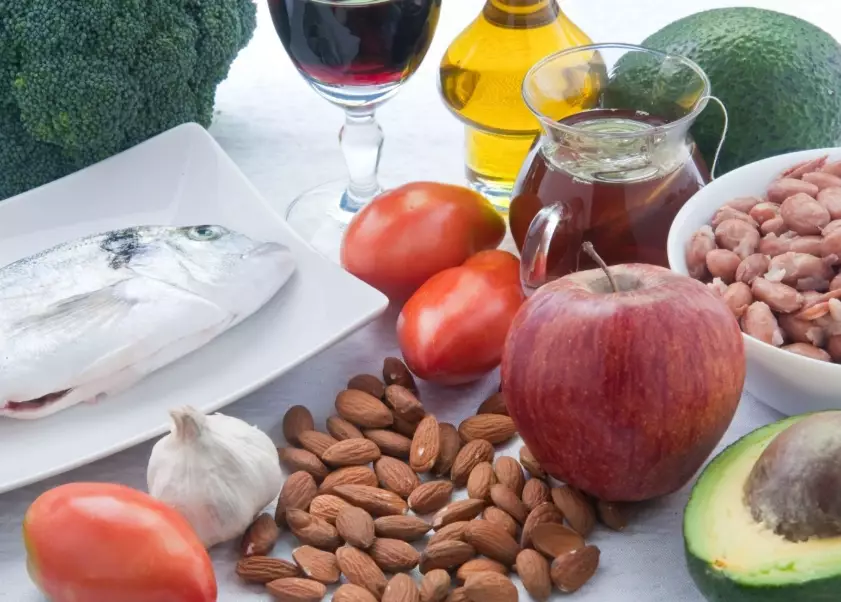
Setting Realistic Expectations for Your First Week
Let's be brutally honest. Your total cholesterol number might not plummet on the scale in 7 days. Blood changes take time. But here's what you can realistically expect, based on physiological studies:
You will likely see a noticeable drop in triglycerides. This is the most responsive number to immediate changes in sugar, alcohol, and refined carb intake.
You may start to see a slight shift in your HDL and LDL particle size. Moving from small, dense LDL particles (more dangerous) to larger, fluffier ones is a positive early change that diet can influence quickly, even if the total LDL number is still catching up.
You will almost certainly feel better. Less bloating, more stable energy, clearer thinking. These are signs of reduced systemic inflammation—a root cause of cholesterol problems. This positive feedback is what keeps you going after Day 7.
Think of this week as hitting the reset button on your habits and your body's chemistry. It's the launchpad, not the entire mission.
Your Cholesterol Questions, Answered Honestly
The path to better cholesterol isn't a mystery. It's a series of clear, actionable steps. This 7-day plan gives you the blueprint and the momentum. Start with Day 1. Make one swap. Take one walk. The most important number this week isn't on your lab slip—it's the number of days you consistently choose to show up for your health. You've got this.




Leave a comment