Quick Navigation
Let's be honest. Searching for "weight loss for women" online is overwhelming. One minute you're reading about keto, the next it's intermittent fasting, and then someone's trying to sell you a tea that supposedly melts fat while you sleep. It's enough to make you want to close the laptop and order a pizza. I've been there. I've tried more diets than I can count, and most of them left me hangry, frustrated, and right back where I started.
The truth is, weight loss for women isn't the same as weight loss for men. We have different hormones, different metabolisms, and let's face it, different societal pressures. What works for your boyfriend or brother might do nothing for you, or worse, make you feel terrible. This guide isn't about quick fixes or punishing rules. It's about understanding your body and building habits that actually stick.
Why Weight Loss for Women Is Different (It's Not in Your Head)
This is the most important place to start. If you don't get this, you'll keep fighting your own biology. The Centers for Disease Control and Prevention (CDC) outlines how body composition and metabolism can vary, but let's break down the female-specific stuff.
First, hormones. Estrogen and progesterone aren't just for your reproductive cycle; they significantly influence how your body stores fat and uses energy. Ever notice you're hungrier the week before your period? That's progesterone. Notice you crave carbs? That's a real blood sugar shift, not a lack of discipline. Estrogen tends to promote fat storage around the hips and thighs (the pear shape), which, from a biological standpoint, is a healthy energy reserve. Trying to "spot reduce" there is like trying to tell the clouds where to rain.
The Muscle Mass Factor
On average, women have less muscle mass than men. Muscle is metabolically active tissue—it burns calories just to exist. Less muscle means a slightly slower resting metabolism. This doesn't mean you're doomed! It just means building and maintaining muscle is a non-negotiable part of the equation for effective weight loss for women, not just an optional add-on for "toning."
Then there's the stress component. Cortisol, the stress hormone, can be a real pain. Chronic stress tells your body to hold onto belly fat (visceral fat) as a survival mechanism. Combine that with the mental load many women carry—juggling work, family, household—and you have a perfect storm for weight sticking around the midsection.
So, stop comparing your journey to a man's. It's a different map entirely.
The Core Principles (Forget the Fads)
With that foundation, let's talk about what actually works. These aren't sexy secrets; they're the boring, reliable pillars. The National Institutes of Health (NIH) resources on healthy weight loss emphasize these fundamentals for good reason.
Nutrition: It's About Nourishment, Not Deprivation
Calories matter, but they aren't the whole story. The quality of those calories matters just as much for your energy, hormones, and satiety. A 300-calorie donut and a 300-calorie meal of chicken and vegetables do wildly different things inside your body.
A Word on Extreme Dieting
Crash diets are the worst thing you can do for sustainable weight loss for women. Severely slashing calories can mess with your thyroid function, crash your estrogen levels (hello, missed periods and bone loss), and teach your metabolism to slow down to conserve energy. You might lose weight fast, but you'll likely lose muscle, feel awful, and regain it all plus more. I think most fad diets are a waste of time and money, designed to make you fail and come back for the "next big thing."
Instead, think about building a plate. Aim for:
- Protein: This is your best friend. It keeps you full, helps preserve muscle during weight loss, and requires more energy to digest. Think chicken, fish, eggs, tofu, lentils, Greek yogurt. I aim to have a protein source at every meal and snack.

- Fiber-rich carbs: Vegetables (the non-starchy ones like broccoli, spinach, peppers are fantastic), fruits, whole grains like quinoa and oats. These provide energy, nutrients, and keep your digestion moving.
- Healthy fats: Avocado, nuts, seeds, olive oil. Crucial for hormone production and keeping you satisfied. Don't fear them.
Movement: More Than Just Burning Calories
Exercise isn't just a calorie-burning tool. Its real power for women's weight loss lies in building metabolism-supporting muscle and managing stress.
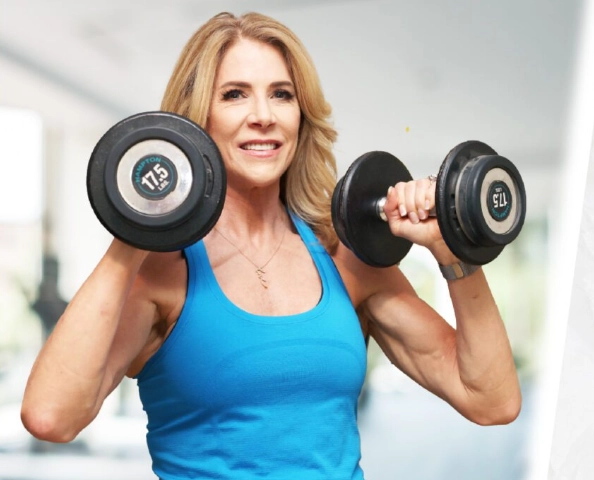
Strength Training is Key. Lifting weights (or using resistance bands, or doing bodyweight exercises) is not about getting bulky. It's about building lean muscle that raises your metabolic rate 24/7. You can start with just two 30-minute sessions a week. Focus on major movements: squats, lunges, push-ups (modified are fine!), rows.
Cardio for Health, Not Punishment. Steady-state cardio (like walking, jogging, cycling) is great for heart health and can aid in creating a calorie deficit. But doing hours of it while eating too little can backfire. High-Intensity Interval Training (HIIT) can be efficient, but it's also stressful on the body. If you're already stressed, a long walk might be better than a brutal HIIT session.
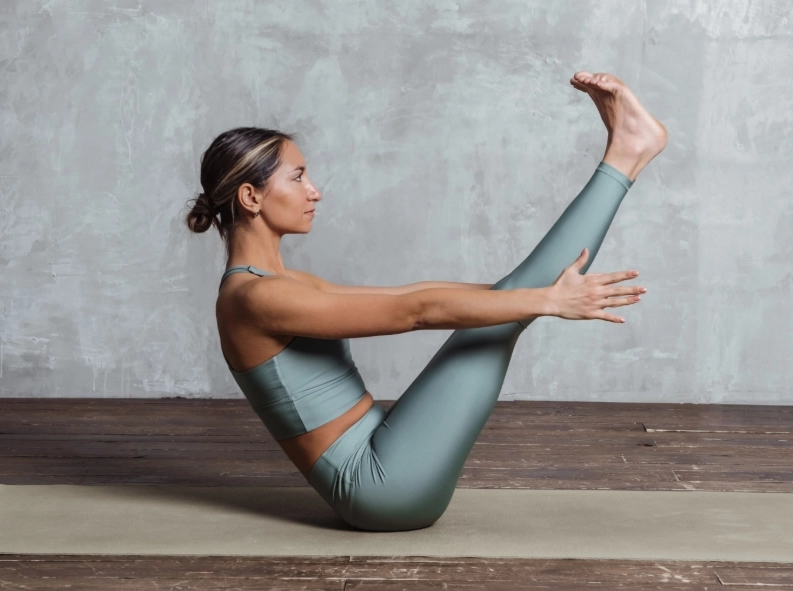
Listen to your body. Some days, a vigorous workout feels right. Other days, gentle yoga or a walk is what you need. Both count.
Mindset & Sleep: The Secret Weapons
You can have the perfect diet and workout plan, but if you're stressed and sleep-deprived, progress will be a brutal uphill climb.
Sleep: When you don't sleep enough, your hunger hormones (ghrelin goes up, leptin goes down) get out of whack, making you crave high-calorie foods. Aim for 7-9 hours. It's as important as your workout.
Stress Management: Find what dulls the edge for you. Is it 10 minutes of deep breathing? A funny podcast? Doodling? It's not selfish; it's metabolic support. Chronic stress makes weight loss for women incredibly difficult.
What a Sustainable Week Looks Like
Monday: Strength training (full body), walk after dinner.
Tuesday: 30-minute brisk walk or cycle.
Wednesday: Rest or gentle yoga/stretching.
Thursday: Strength training (repeat or focus on different movements).
Friday: Fun activity (dance, hike, swim).
Saturday: Rest or active recovery (leisurely walk).
Sunday: Meal prep for 1-2 hours.
Navigating Common Challenges in Women's Weight Loss
Here's where we get into the nitty-gritty, the stuff that doesn't always make it into the glossy magazine articles.
Plateaus: The Dreaded Scale Standstill
Everyone hits them. Your body adapts. Before you panic, check these boxes:
- Are you actually tracking your food accurately? Portion creep is real.
- Have your stress levels spiked or sleep quality dropped?
- Have you been doing the exact same workout for months? Your body needs a new stimulus.
- Are you taking measurements or noticing how your clothes fit? The scale might not move, but body composition can be changing.
Sometimes, a plateau means you need a short "diet break"—eating at maintenance calories for a week or two to reset hormones and metabolism. It feels counterintuitive, but it often works.
Menopause and Weight
This is a huge content gap. Many plans act like women are 25 forever. During perimenopause and menopause, estrogen decline leads to a shift in fat storage (more to the belly), a further drop in metabolism, and often sleep disturbances. The principles don't change, but the emphasis might. Strength training becomes even more critical to combat muscle and bone loss. Protein intake needs to be prioritized. Managing stress and sleep is non-negotiable. Resources from reputable sources like The North American Menopause Society (NAMS) can provide valuable, specific guidance during this phase.
Emotional Eating and Building a Better Relationship with Food
Labeling foods as "good" or "bad" sets up a cycle of restriction and guilt-driven bingeing. I used to do this all the time. Try this instead: add, don't subtract. Craving chocolate? Have a square of dark chocolate, and pair it with a handful of almonds. Want chips? Have a sensible serving with a turkey sandwich loaded with veggies. Deprivation breeds obsession.
Ask yourself: Am I physically hungry (stomach growling, low energy) or emotionally hungry (bored, stressed, sad)? If it's emotional, can you address the root cause with a non-food action? Call a friend, take five deep breaths, write in a journal.
Progress, not perfection. Always.
Putting It All Together: A Practical Comparison
Let's look at how different approaches stack up for long-term weight loss for women. This table isn't about declaring one winner, but about showing trade-offs.
| Approach | How It Works | Potential Pros for Women | Potential Cons / Watch-Outs |
|---|---|---|---|
| Calorie Focus (CICO) | Creating a consistent calorie deficit. | Simple in theory. Empowering if you learn portion sizes. | Can ignore food quality & hormones. May trigger restrictive mindset. Easy to under-eat protein. |
| Macro Counting | Tracking protein, carbs, and fat grams. | Ensures adequate protein intake. Can be very effective for body recomposition. | Time-consuming. Can become obsessive. Doesn't ensure micronutrient (vitamin) sufficiency. |
| Intuitive Eating / Mindful Eating | Listening to hunger/fullness cues, removing food rules. | Improves relationship with food. Reduces stress around eating. Sustainable long-term. | Weight loss may be slower or not the primary focus initially. Requires unlearning diet culture. |
| Time-Restricted Eating (e.g., 16:8) | Eating within a specific daily window. | May simplify eating decisions. Can improve insulin sensitivity for some. | Can be hard with social schedules or family meals. May increase stress/cortisol if forced. Not ideal for women with certain hormone conditions or history of disordered eating. |
My personal take? A hybrid works best for most. Use the principles of calorie awareness and high protein from the top-down approaches, combined with the mindset and body trust from intuitive eating. Don't become a slave to an app, but do have a general sense of what you're eating.
Answering Your Real Questions
Final Thoughts
Effective weight loss for women isn't found in a bottle, a 30-day shred, or a list of forbidden foods. It's found in understanding and working with your unique female physiology, not against it. It's in the consistent, unsexy habits of eating mostly whole foods, lifting things, managing stress, and prioritizing sleep.
It's about health first. Weight loss often becomes a happy side effect of treating your body with respect. Ditch the all-or-nothing mentality. A "bad" day doesn't ruin a week. A "bad" week doesn't ruin a month. Just get back to the basics with your next choice.
This journey is deeply personal. What works for your best friend or a fitness influencer might not be right for you. Experiment. Be patient. Be kind to yourself. You're not just losing weight; you're building a stronger, healthier, more resilient you for the long haul. And that's worth infinitely more than any number on a scale.



Leave a comment