Let's cut through the noise. If you're a woman thinking about starting strength training, you've probably been fed a steady diet of misinformation. "Lift light weights for high reps to tone." "Don't lift heavy or you'll get bulky." It's exhausting, and more importantly, it's wrong. Real strength training for women beginners isn't about shrinking; it's about building a body that works better, feels more capable, and yes, looks amazing. The benefits are backed by science – from stronger bones (crucial for preventing osteoporosis, according to the CDC) and boosted metabolism to improved mental health and confidence. This guide is your roadmap, written to help you start smart, avoid common pitfalls, and build a foundation that lasts.
What's Inside This Guide
Why Every Woman Should Lift (It's Not What You Think)
Forget the scale for a second. The magic of strength training isn't just weight loss; it's body recomposition – losing fat while gaining lean muscle. Muscle is metabolically active tissue. The more you have, the more calories your body burns at rest. A study in the American Journal of Clinical Nutrition highlighted resistance training's superior role in preserving muscle mass during weight loss compared to diet or cardio alone.
But the perks go deeper.
- Bone Density: Weight-bearing stress tells your body to fortify your bones. This is your best defense against osteoporosis later in life.
- Functional Strength: Carrying groceries, lifting a kid, moving furniture – life gets easier.
- Mental Fortitude: Completing a hard set builds a kind of confidence that spills into everything else. You learn to embrace discomfort and push through.
The "bulky" myth? It's a ghost. Women have significantly lower testosterone levels than men. Gaining massive muscle is incredibly difficult and requires specific, intense training and nutrition over years. What you'll actually get is a defined, athletic look.
Your First Steps: Mindset, Gear, and Finding Your Feet
Starting is the hardest part. You don't need a fancy gym membership or a closet full of gear on day one.
Mindset Shift: From Aesthetic to Ability
Instead of "I want thinner thighs," try "I want to do a full set of bodyweight squats with perfect form." Focus on performance goals. They're measurable, empowering, and take the pressure off the mirror.
Home vs. Gym: A Practical Breakdown
Both work. It's about your personality and budget.
At Home: You need minimal space. Start with resistance bands and a set of adjustable dumbbells. They're versatile, affordable, and perfect for learning movements. Follow along with YouTube trainers, but be critical – prioritize form over following their exact routine.
At the Gym: More equipment, more options. The biggest hurdle here is often gym anxiety. Everyone feels it at first. A pro tip? Go during off-peak hours (mid-morning, late afternoon) for your first few sessions. Put on headphones, have your plan ready, and remember: everyone is focused on themselves, not judging you.
Essential Gear (No, You Don't Need Much)
- Shoes: Flat, stable shoes (like Converse or training shoes) are better than running shoes for lifting.
- Clothes: Anything comfortable that allows movement. That's it.
- Water Bottle & Towel: Non-negotiable.
Learning the Big Moves
Your foundation is built on multi-joint (compound) movements. Don't worry about bicep curls yet. Master these patterns first. The American Council on Exercise (ACE) has excellent form guides for each.
- The Hip Hinge: The foundation of deadlifts. Practice by pushing your hips back to touch a wall behind you.
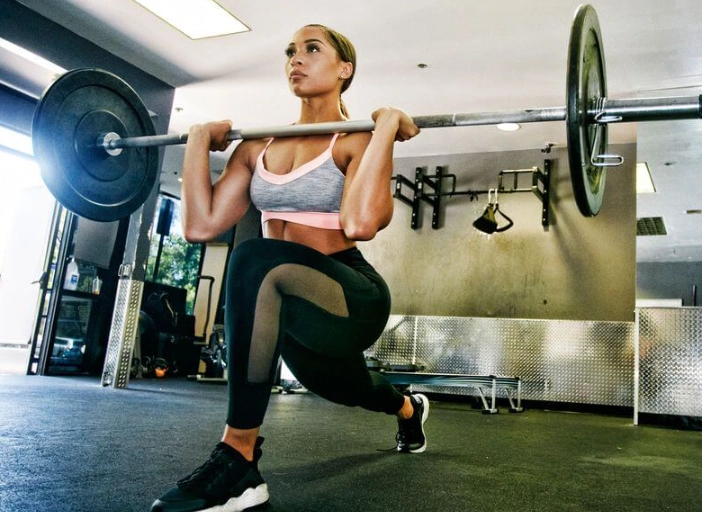
- The Squat: Sit back and down into a chair. That's the motion.
- The Push: Start with push-ups on your knees or against a wall.
- The Pull: Lat pulldowns or bent-over rows with light dumbbells.
A subtle mistake I see all the time: Beginners fixate on the weight on the bar but neglect their grip and core bracing. If you're not consciously squeezing the bar hard and tightening your abs (like you're about to be punched in the gut) before you lift, you're leaving strength and safety on the table. The movement starts before the weight moves.
How to Build Your First Beginner Workout Plan
Consistency beats complexity. A simple, repeatable plan is key. For the first 3-6 months, a full-body workout, done 2-3 times per week on non-consecutive days (e.g., Monday, Wednesday, Friday), is ideal. This gives you frequent practice on the main movements and plenty of recovery.
| Workout Method | Best For Beginners? | Why/Why Not |
|---|---|---|
| Full-Body (2-3x/week) | YES | Maximizes practice of key movements. Great for building a base and learning how your body responds. |
| Upper/Lower Split (4x/week) | Not initially | More volume and frequency. Better after you've mastered form and built some work capacity (3-6 months in). |
| Body Part Split (e.g., Chest Day) | NO | Inefficient for beginners. You hit each muscle group only once a week, which isn't enough stimulus to learn and adapt quickly. |
Your 4-Week Starter Template
Perform each exercise for 2-3 sets of 8-12 repetitions. Rest 60-90 seconds between sets. The last 2 reps of each set should feel challenging but doable with good form.
- Goblet Squat (hold a dumbbell at your chest)
- Dumbbell Romanian Deadlift
- Dumbbell Bench Press (or Push-Up)
- Seated Cable Row (or Bent-Over Dumbbell Row)
- Dumbbell Overhead Press
- Plank (hold for 30-60 seconds)
Progression is everything. When 12 reps feel easy, don't just do more reps. Add a little weight (the smallest increment available – even 2.5 lbs matters) next time and aim for 8 reps. This principle of progressive overload – gradually increasing the demand on your muscles – is how you get stronger.
Fuel and Recovery: The Unsung Heroes
You can't build a house without bricks. Muscle repair and growth require protein. A common mistake is drastically cutting calories while starting to train. Your body needs energy and building blocks.
- Protein: Aim for a palm-sized portion with each meal. Greek yogurt, chicken, fish, eggs, lentils, tofu. The Mayo Clinic notes its critical role in tissue repair.
- Hydration: Sip water throughout the day. Being dehydrated saps strength and recovery.
- Sleep: This is when the repair magic happens. Prioritize 7-9 hours. Poor sleep will stall your progress faster than anything else.
Don't overcomplicate it. Eat mostly whole foods, prioritize protein, drink water, and sleep. That's 90% of the nutrition battle for a beginner.
Common Beginner Mistakes and What to Do Next
We all make them. Here's how to sidestep the big ones.
Mistake 1: Going too light, forever. The 3-pound pink dumbbells for every exercise? They stop working quickly. Challenge yourself safely.
Mistake 2: Skipping rest days. Muscles grow when you rest, not when you train. Overtraining leads to fatigue, injury, and quitting.
Mistake 3: Chasing the pump, ignoring form. Swinging weights to feel a burn is useless. Slow, controlled movements build real strength and protect your joints.
Mistake 4: Comparing your start to someone else's decade. Social media is a highlight reel. Your journey is yours alone.
After 2-3 months of consistent full-body workouts, you might feel ready for more. That's when you can explore an Upper/Lower split or add an extra set or exercise. Consider a single session with a certified personal trainer to check your form – it's a worthwhile investment.


Leave a comment