Let's cut to the chase. If you've just gotten a concerning cholesterol panel back, you want to know what you can do now. The good news is, you can make a significant dent in your numbers—especially your LDL (the "bad" cholesterol)—in a matter of weeks, not years. The secret isn't a single miracle food or a brutal detox. It's a targeted combination of strategic eating, specific lifestyle tweaks, and avoiding the common pitfalls that keep people stuck.
Based on the latest science from sources like the American Heart Association and Mayo Clinic, and from working with clients for years, I've seen the same patterns. People who focus only on cutting out fat often miss the bigger, more effective levers. This guide will show you what actually moves the needle.
What You'll Discover in This Guide
The 3 Non-Negotiable Principles for Fast Results
Before we dive into lists, understand the "why." Quickly lowering cholesterol hinges on three mechanisms:
1. Flood your system with soluble fiber. This is your top priority. Soluble fiber acts like a sponge in your gut, binding to cholesterol particles and preventing them from being absorbed into your bloodstream. Think of it as active cleanup duty.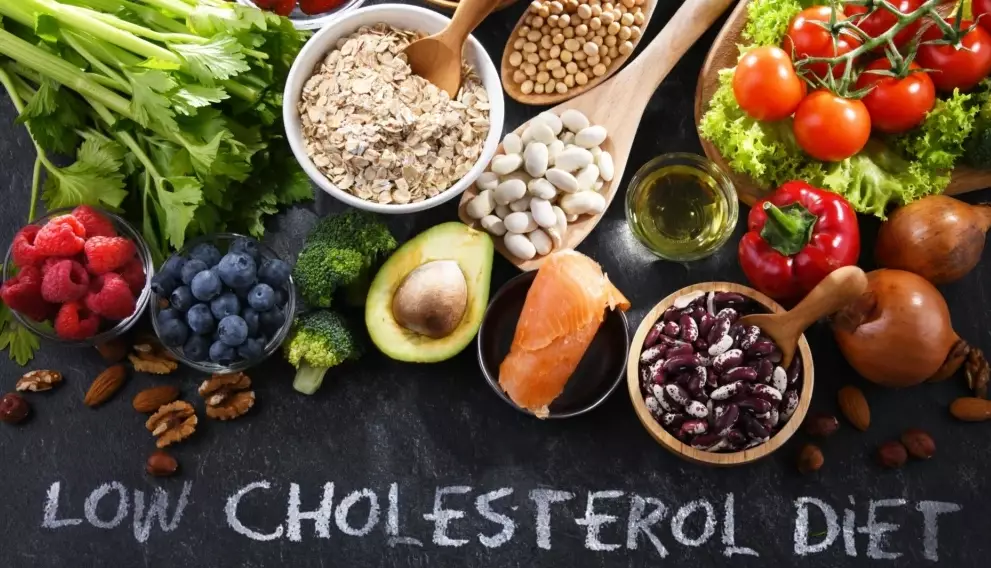
2. Swap the fats, don't just slash them. Cutting all fat is outdated and ineffective. The goal is to aggressively replace saturated and trans fats with unsaturated fats (mono- and polyunsaturated). These healthy fats can actively help lower LDL.
3. Get moving to boost your body's clearance system. Exercise increases the size of the protein particles that carry cholesterol, making them less likely to lodge in artery walls. It also stimulates enzymes that help move LDL from the blood to the liver for disposal.
Your Daily Cholesterol-Lowering Food Checklist
This isn't a vague suggestion to "eat more veggies." Here are the specific, heavy-hitting foods you should aim to include every single day. I call this the "Daily Five."
| Food Category | Top Picks (Aim for 2-3 daily) | How It Works & Quick Serving Tip |
|---|---|---|
| Soluble Fiber Powerhouses | Oats/oatmeal, barley, psyllium husk, apples, pears, Brussels sprouts, avocados. | Binds cholesterol in the gut. Tip: Start your day with a bowl of oatmeal topped with apple slices. |
| Legumes (The Unsung Heroes) | Black beans, kidney beans, lentils, chickpeas, edamame. | Packed with fiber and protein. Tip: Add a cup of beans to soups, salads, or as a side. |
| Nuts & Seeds | Almonds, walnuts, chia seeds, flaxseeds (ground). | Provide healthy fats and fiber. Tip: A small handful (1 oz) as a snack or sprinkled on yogurt. |
| Healthy Fat Swaps | Olive oil, avocado oil, fatty fish (salmon, mackerel, sardines). | Replace butter and margarine. Tip: Use olive oil for dressing and light sautéing. |
| Plant Sterols & Stanols | Fortified foods (certain margarines, orange juices, yogurts). | Structurally similar to cholesterol, they block absorption. Tip: Check labels; 2g per day is the effective dose. |
Notice something? This list is about adding. A day following this might look like: oatmeal with flaxseed for breakfast, a big salad with chickpeas and avocado for lunch, salmon with a side of Brussels sprouts for dinner, and an apple with a few almonds as a snack. That's a cholesterol-lowering powerhouse day.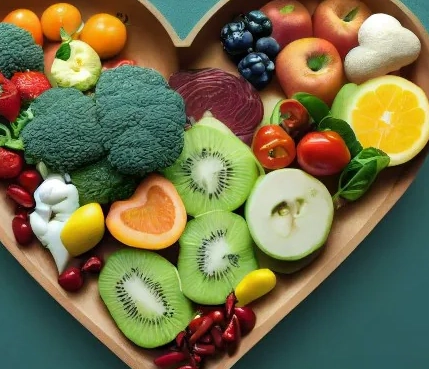
What to Cut Back On (It's Not Just Fat)
Yes, you need to limit some things. But the focus should be on the biggest offenders.
Priority #1: Saturated Fats
These are the main dietary drivers of high LDL. They're found in:
- Red meat and processed meats: Fatty cuts of beef, pork, lamb, sausage, bacon. Opt for lean cuts or replace with poultry/fish several times a week.
- Full-fat dairy: Whole milk, butter, cream, full-fat cheese. Switch to low-fat or fat-free versions.
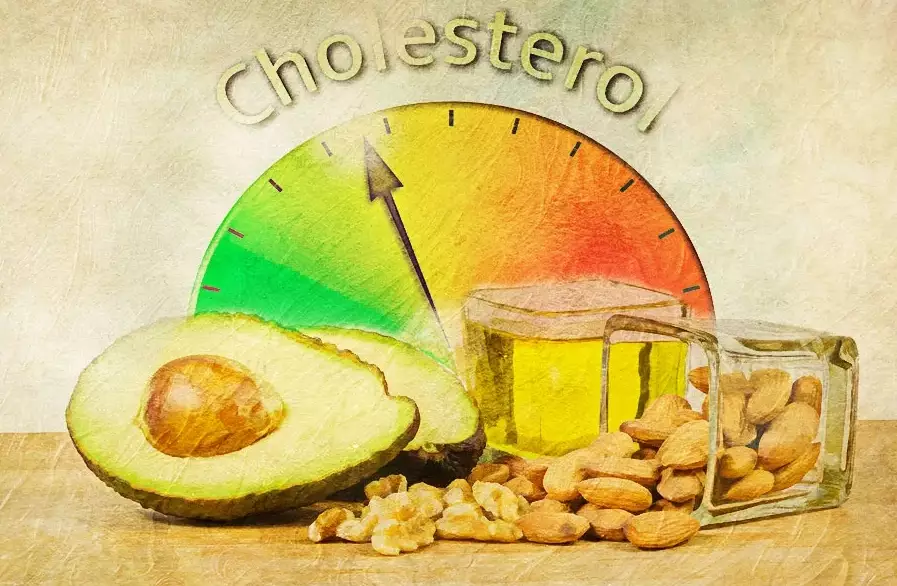
- Tropical oils: Coconut oil and palm oil. The hype around coconut oil is misleading for cholesterol; it's very high in saturated fat. Stick with olive or avocado oil.
Priority #2: Trans Fats (Partially Hydrogenated Oils)
These are the worst. They raise LDL and lower HDL (the "good" cholesterol). While largely banned, they can still lurk in:
- Some fried foods.
- Certain packaged baked goods (check ingredient lists for "partially hydrogenated oil").
- Some margarines (especially stick forms).
The Refined Carb & Sugar Trap
This is the subtle one. A diet high in white bread, pastries, sugary drinks, and snacks can lower your HDL and raise triglycerides (another blood fat), worsening your overall lipid profile. When you cut saturated fat, don't replace those calories with refined carbs.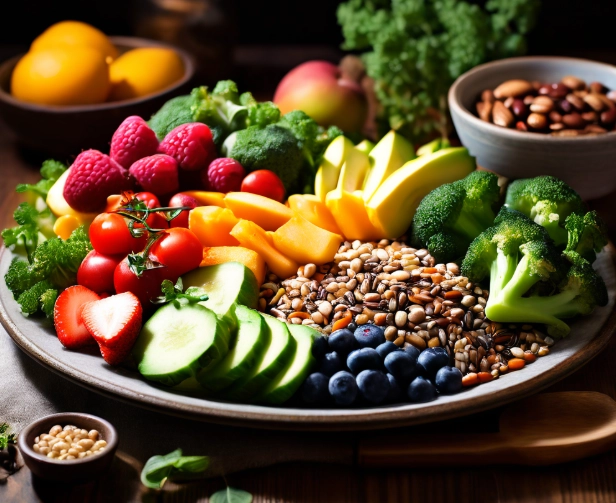
Lifestyle Changes That Have an Immediate Impact
Food is 80% of the battle, but these actions amplify and accelerate results.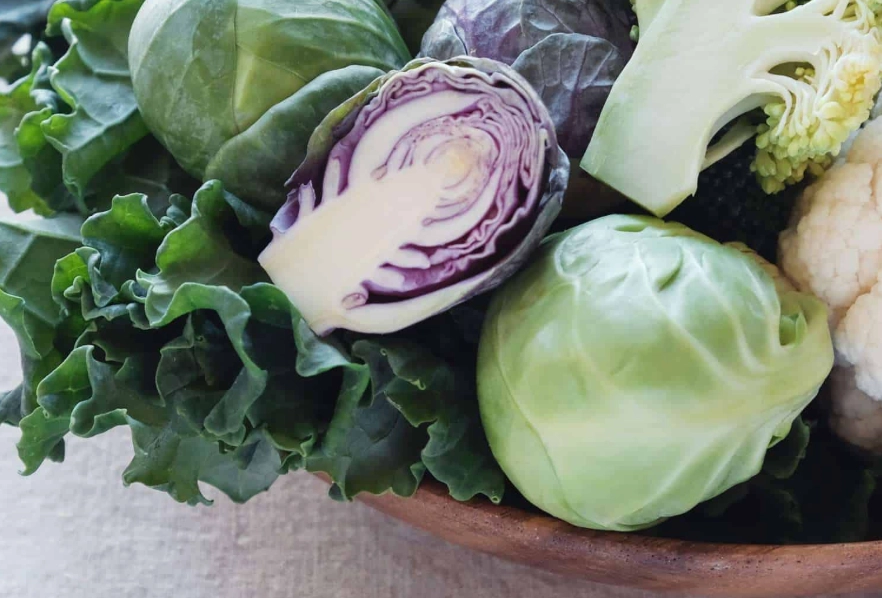
Aerobic Exercise is Non-Negotiable. Aim for 30 minutes of brisk activity (walking, cycling, swimming) most days. Consistency trumps intensity here. This isn't about running marathons; it's about getting your heart rate up regularly to improve how your body processes fats.
Add Some Muscle. Two sessions of strength training per week. More muscle mass improves your metabolic rate and insulin sensitivity, which indirectly helps manage cholesterol levels. You don't need a gym—bodyweight exercises work.
Manage Stress, Seriously. Chronic stress can raise LDL and lower HDL. When you're stressed, you're also more likely to make poor food choices. Find your release valve: 10 minutes of deep breathing, a daily walk without your phone, or meditation. It's not fluff; it's physiology.
If You Smoke, Quit. Smoking damages blood vessel walls, making it easier for cholesterol to stick and form plaques. Quitting improves your HDL level almost immediately. This is one of the most powerful single actions you can take.
3 Mistakes That Slow Down Progress
I've seen these stall people's efforts time and again.
1. Going "Low-Fat" but High-Sugar. Swapping a fatty breakfast sausage for a fat-free muffin or sugary cereal is a losing trade. You've removed saturated fat but added refined carbs and sugar, which worsens triglycerides and HDL.
2. Neglecting Soluble Fiber. Eating a "healthy" salad of iceberg lettuce, cucumbers, and grilled chicken is fine, but it's missing the cholesterol-lowering engine: soluble fiber. Where are the beans, the oats, the avocado, the flaxseed? Without them, progress is slow.
3. Relying Solely on Supplements Without Diet Change. Fish oil, psyllium, or plant sterol supplements can help, but they are supplements, not substitutes. Popping a pill while still eating processed meats and fried foods is like mopping the floor with the faucet still running. Fix the diet first, then use supplements to boost your efforts.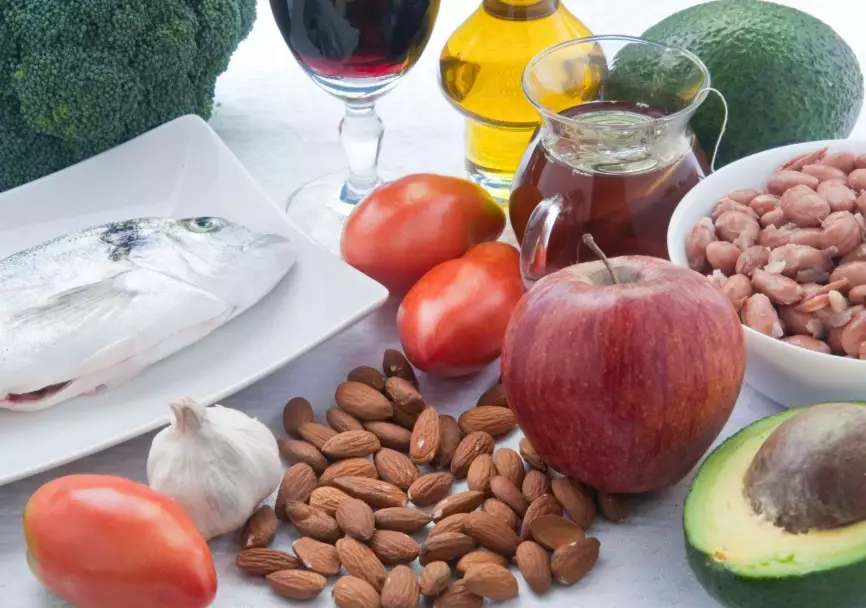


Leave a comment