Let's talk about something that gets missed far too often: heart disease in women. If you're picturing a man clutching his chest, you're picturing the wrong patient. For women, the story is different, subtler, and frankly, more dangerous because of it. I've seen too many women walk out of a doctor's office with a prescription for antacids when the real problem was brewing in their arteries. The diagnosis of heart disease in women isn't just about running tests; it's about knowing which tests to ask for and recognizing the signs everyone else overlooks.
This isn't just statistics. It's about the 45-year-old teacher who thought her crushing fatigue was just burnout, or the 60-year-old who blamed her jaw pain on a dental issue. Their heart disease went undiagnosed until it became an emergency. We can do better. This guide cuts through the noise to give you the specific, actionable information you need to advocate for your heart health.
What’s Inside This Guide
Why Is Heart Disease in Women So Often Missed?
The classic model of heart disease was built on studies of middle-aged men. That's a problem. Women's physiology, hormones, and even the presentation of disease are distinct. A major artery blockage might not be the main issue. Instead, many women suffer from coronary microvascular disease (MVD), where the tiny arteries of the heart malfunction. This doesn't show up on a standard angiogram, leading to the devastating phrase: "Your arteries are clear, it's probably just stress."
It's not just stress. It's a different disease pathway that requires a different diagnostic lens.
Then there's bias. Both implicit (from some healthcare providers) and self-bias. Women are socialized to power through discomfort and prioritize others' needs. You might dismiss that nagging upper back pain as a pulled muscle from gardening. Your doctor, pressed for time, might agree. This combination of atypical biology and societal conditioning creates a perfect storm for delayed or missed diagnosis of heart conditions in women.
The Female Heart Attack Symptoms Checklist (Beyond Chest Pain)
Chest pressure or pain is still common, but it's often not the centerpiece. For many women, symptoms are what I call "the surround sound" of a heart attack—they come from everywhere else. Use this checklist not as a one-off, but as a pattern recognizer. Having one symptom for a minute is likely nothing. Having three or more, especially under exertion or stress, is a red flag.
- Unusual Fatigue: A wave of exhaustion so severe you can't make the bed. It often hits suddenly in the weeks before an event.
- Shortness of Breath: Trouble catching your breath without exertion, like while sitting or talking. It can feel like you just ran a sprint when you haven't moved.
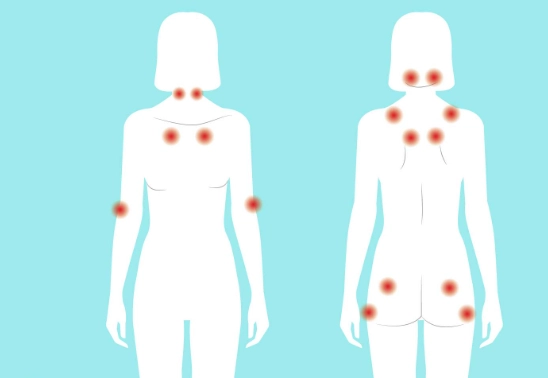
- Pain in the Neck, Jaw, Shoulder, or Upper Back: This can be a dull ache or a sharp pain. It's often mistaken for muscle strain or arthritis. The key is that it may come and go.
- Nausea or Vomiting: A flu-like feeling with an upset stomach, sometimes accompanied by cold sweats.
- Lightheadedness or Dizziness: Feeling like you might faint, even when you're resting.
- Indigestion or "Heartburn": A burning sensation that feels different from your usual acid reflux and isn't relieved by antacids.
Remember the pattern.
It's the combination that tells the story.
How Is Heart Disease Diagnosed in Women?
The process starts not in the lab, but in the conversation. A thorough history is your most powerful diagnostic tool. Be prepared to describe your symptoms in detail: When did it start? What makes it better or worse? How does it feel on a scale of 1 to 10? Don't downplay it. Say "It's an 8" if it's an 8.
Your doctor will then move through a layered approach, often starting with the least invasive tests. The goal is to build a picture of your heart's structure, function, and blood flow. Here’s what that journey typically looks like:
The Initial Evaluation
This includes a physical exam, checking blood pressure, and listening to your heart and lungs. Blood tests are crucial: a lipid panel (cholesterol), markers of inflammation like high-sensitivity C-reactive protein (hs-CRP), and possibly a test for coronary calcium scoring if you're at intermediate risk. Don't be surprised if your doctor asks detailed questions about your pregnancy history—conditions like preeclampsia and gestational diabetes are now recognized as major red flags for future heart disease.
Stress Testing: Not All Are Created Equal
If symptoms suggest reduced blood flow, a stress test is common. But here's a critical insight: a standard treadmill stress test can be less accurate in women due to factors like breast tissue and a higher likelihood of MVD. A stress echocardiogram (ultrasound of the heart before and after exercise) or a nuclear stress test provides much better information. If you have mobility issues, a pharmacological stress test (using medication to simulate exercise) is an option.
If your stress test is abnormal or symptoms persist despite a "normal" one, that's when deeper investigation is needed.
Specific Diagnostic Tests You Should Know About
This is where you can become your own best advocate. Knowing these tests allows you to have an informed conversation with your cardiologist. The table below breaks down the key advanced diagnostics, especially useful for detecting non-obstructive coronary artery disease common in women.
| Test Name | What It Does | Why It's Important for Women |
|---|---|---|
| Coronary CT Angiogram (CCTA) | Uses a CT scanner and dye to create 3D images of your heart arteries. Less invasive than a traditional cath. | Excellent for visualizing plaque buildup before it causes a major blockage. Can identify non-calcified plaque, which is more common in younger women. |
| Cardiac MRI | Uses magnets and radio waves to create detailed images of heart structure, function, and tissue health. | The gold standard for assessing heart muscle damage, inflammation (like in myocarditis), and for evaluating heart function when echocardiogram images are unclear. |
| Invasive Coronary Angiography with FFR/CFR | A catheter is threaded to the heart. Dye shows blockages. Fractional Flow Reserve (FFR) measures pressure across a blockage. | The definitive test for major blockages. Adding Coronary Flow Reserve (CFR) can assess the health of the microvasculature (tiny arteries), directly diagnosing MVD. |
| Endothelial Function Testing | Measures how well the lining of your blood vessels (endothelium) expands in response to increased blood flow. | Directly assesses the health of the microvascular system. Endothelial dysfunction is a core problem in many women's heart disease, often preceding plaque formation. |
Resources like the American Heart Association's Go Red for Women campaign and research from the National Institutes of Health (NIH) have been pivotal in highlighting the need for these gender-specific diagnostic approaches. If your symptoms are persistent but standard tests are normal, asking your doctor about the possibility of coronary microvascular dysfunction and whether tests like a cardiac MRI or invasive CFR are appropriate could be a game-changer.
Your 5-Step Action Plan if You Suspect a Problem
Feeling overwhelmed? Don't be. Break it down into concrete steps. This is your playbook.
Step 1: Document Your Symptoms. Keep a log for two weeks. Note the symptom (e.g., "jaw ache"), intensity (1-10), time of day, and what you were doing. This transforms vague complaints into hard data for your doctor.
Step 2: Find the Right Doctor. Look for a cardiologist, preferably a preventive cardiologist or one who lists a special interest in women's cardiovascular health. You can search on the American College of Cardiology's website. A good primary care physician who listens is also invaluable.
Step 3: Prepare for Your Appointment. Bring your symptom log, a list of all medications and supplements, and your family heart history. Write down your top three questions so you don't forget them in the moment.
Step 4: Communicate Clearly and Firmly. Use "I" statements. "I am concerned because I have this new, crushing fatigue." If you feel dismissed, ask directly: "Given my symptoms and family history, what tests can we do to rule out a cardiac cause?" Mention specific tests if your research points to them.
Step 5: Know When It's an Emergency. If symptoms are severe, sudden, or a combination from the checklist above intensifies rapidly, call 911 immediately. Do not drive yourself. Tell the operator you think you might be having a heart attack. Every minute counts.





Leave a comment