If you're a woman reading this, you're statistically two to three times more likely to develop rheumatoid arthritis (RA) than a man. That's not a small difference. For years, I've talked with patients and read the research, and one thing is clear: RA in women isn't just a "more common" version of the disease. It's a different experience, shaped by biology, hormones, and life stages in ways that standard medical advice often glosses over.
The fatigue hits harder. The pain pattern can shift with your menstrual cycle. Pregnancy might bring relief, only for a brutal flare to crash the postpartum party. Menopause changes the rules again. Understanding these nuances isn't just academic—it's the key to getting control back.
What You'll Find in This Guide
Why Women? Hormones, Genes & the Immune System
Let's cut to the chase. The "why" largely boils down to estrogen. But it's not as simple as "high estrogen causes RA." The relationship is messy and bidirectional. Estrogen is immunomodulatory—it can dial immune activity up or down depending on the context and concentration. For some women, this interaction may predispose their immune system to misfire, attacking the synovium (the lining of the joints).
Genetics load the gun, but environment and hormones pull the trigger. Certain gene variants, like specific HLA alleles, carry a higher risk in women. Then you add factors like smoking, which interacts with these genes in a particularly nasty way for women, significantly boosting RA risk.
A Common Oversight: Many discussions stop at "estrogen is involved." The critical, often missed point is timing and fluctuation. It's the dramatic shifts—puberty, postpartum, perimenopause—that often correlate with disease onset or flares, not necessarily the absolute hormone level. Your immune system seems to hate the rollercoaster.
The Female RA Symptom Checklist (Beyond the Joints)
Sure, the textbook says symmetrical joint pain, swelling, and morning stiffness. But for women, the presentation can be sneakier, especially early on.
Fatigue isn't just being tired. It's a profound, bone-deep exhaustion that a nap won't fix. It often precedes joint pain and can be the most debilitating symptom.
Morning stiffness that lasts more than 30 minutes is a major red flag. We're not talking about a few creaky knuckles. It's a feeling of thick gel or concrete in your joints, making simple tasks like making a fist or walking to the bathroom a real effort.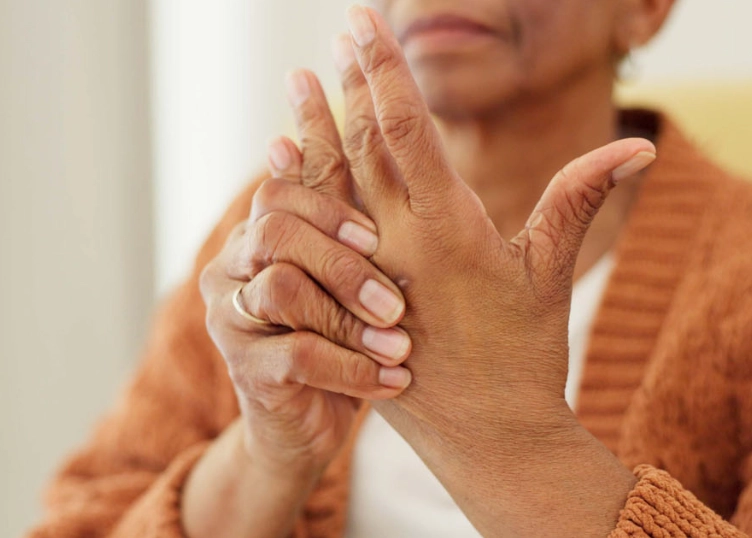
Other symptoms women report more frequently include:
- Low-grade fevers and a general flu-like malaise.
- Dry eyes and mouth (Sjögren's syndrome overlap is common).
- More pronounced mood changes and brain fog, likely linked to inflammatory cytokines affecting the brain.
- Subtle, symmetrical swelling in the small joints of hands and feet before major pain kicks in.
I've heard from too many women who were told their early symptoms were "just stress," "hormonal," or "getting older." Knowing this pattern can help you advocate for a rheumatology referral sooner.
Hormones & Your Lifecycle: Puberty, Pregnancy, Menopause
This is where the female experience of RA truly diverges. Your treatment and symptoms are in a lifelong dialogue with your hormones.
Pregnancy and RA: A Temporary Truce (Usually)
About 60-70% of women experience significant improvement in RA symptoms during pregnancy, particularly in the 2nd and 3rd trimesters. The body's immune shift to tolerate the fetus seems to calm RA down. But here's the kicker—postpartum flares are extremely common, often within the first 3-6 months. Planning for this with your rheumatologist before delivery is non-negotiable. You need a safe medication plan ready to go.
Menopause and RA: Changing the Game
The data on menopause and RA is mixed, but many women report a change. For some, symptoms become more persistent as estrogen's modulating effect wanes. This is a crucial time to re-evaluate your treatment plan. The topic of Hormone Replacement Therapy (HRT) is complex. While it may help with menopausal symptoms, its effect on RA disease activity is unpredictable. The American College of Rheumatology notes it's not a standard treatment for RA, and the decision must be personalized, weighing risks like cardiovascular health.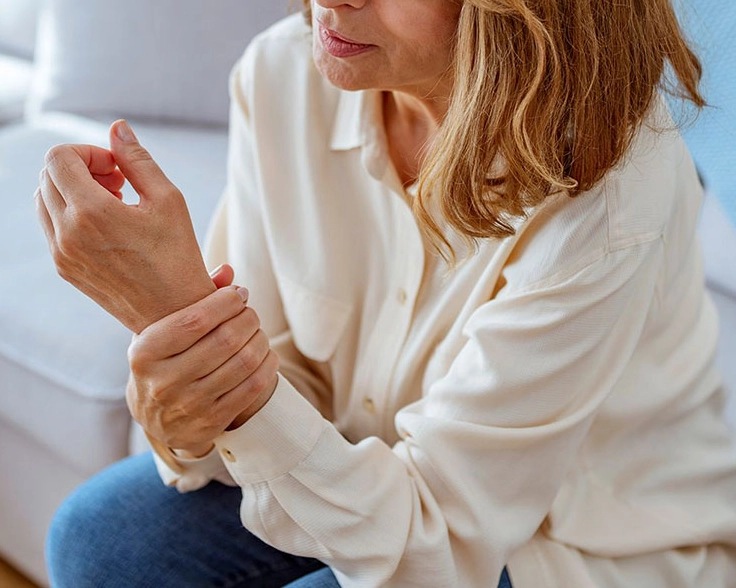
Building a Treatment Strategy That Works for You
The goal is remission or low disease activity. The treatment pyramid starts with Disease-Modifying Anti-Rheumatic Drugs (DMARDs). Methotrexate is often the first anchor drug. But the choice is highly individual.
| Medication Type | Common Examples | Key Consideration for Women |
|---|---|---|
| Conventional DMARDs | Methotrexate, Leflunomide, Sulfasalazine | Pregnancy planning is critical. Methotrexate and leflunomide are teratogenic and must be stopped well before conception. Sulfasalazine is often considered safer. |
| Biologics | Adalimumab, Etanercept, Rituximab | Many are compatible with pregnancy (category B), but planning with your doctor is essential. They can be game-changers for controlling aggressive disease. |
| JAK Inhibitors | Tofacitinib, Upadacitinib | Oral option. Have specific warnings about blood clots and major cardiac events; risk factors need careful assessment. |
The biggest mistake I see? Waiting too long to escalate treatment. Early, aggressive control of inflammation prevents irreversible joint damage. If your first DMARD isn't cutting it after 3 months, the conversation about adding or switching should happen.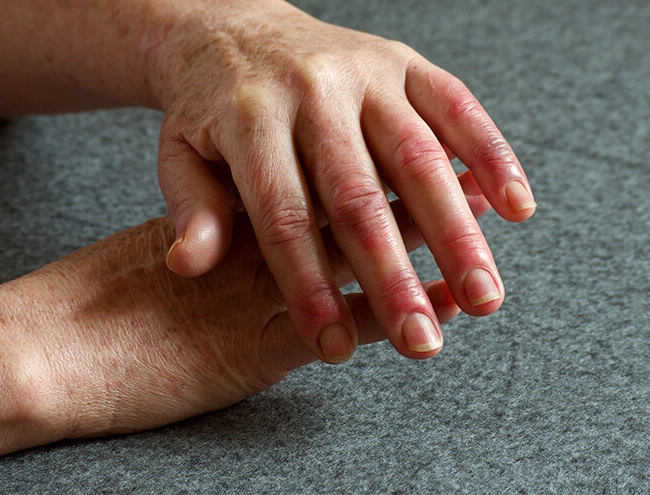
Expert Angle: Don't ignore bone health. Women with RA have a double whammy—inflammation accelerates bone loss, and corticosteroids (often used for flares) do too. A DEXA scan to check bone density should be part of your long-term management plan, not an afterthought.
Daily Management: Pain, Fatigue & Protecting Your Joints
Medication is the foundation, but what you do daily builds the house.
Movement is non-negotiable, but it has to be smart. Swimming, walking, tai chi, and gentle yoga maintain range of motion without pounding your joints. Listen to your body—pace yourself. The "push through the pain" mentality leads to days-long flares.
Joint protection is a practical skill. Use larger, stronger joints (push doors with your arm, not your hand). Use adaptive tools like jar openers, electric can openers, and pens with thick grips. Redistribute weight—carry a heavy bag on your forearm, not in your fingers.
Diet won't cure RA, but an anti-inflammatory eating pattern can help manage symptoms. Focus on omega-3s (fatty fish), antioxidants (colorful fruits/veg), and whole grains. Some find reducing processed foods and sugars helps with energy. The Arthritis Foundation provides dietary resources, but be wary of extreme "cure-all" diets.
Sleep and stress management are treatment, not luxuries. Poor sleep increases pain sensitivity. Stress is a known flare trigger. This might mean setting hard boundaries, practicing mindfulness, or seeking therapy. It's medical maintenance.
Your Questions, Answered
The journey with RA is long, but it's not a straight line of decline. With today's treatments and a deep understanding of how the disease uniquely affects women, achieving long periods of low activity and a high quality of life is a realistic goal. It requires a partnership with a good rheumatologist, self-advocacy, and focusing on the things you can control—your treatment adherence, your daily habits, and your mindset. Start the conversation, and don't settle for just "managing the pain." Aim for remission.



Leave a comment