In This Guide
- What Exactly Is Hormone Replacement Therapy?
- The Good Stuff: Potential Benefits of HRT
- The Not-So-Good Stuff: Understanding the Risks and Side Effects
- Navigating the Maze: Types of Hormone Replacement Therapy
- Are You a Candidate? The Decision-Making Checklist
- Your Action Plan: Starting, Monitoring, and Stopping HRT
- Frequently Asked Questions (The Real Ones People Ask)
- Wrapping It Up: Finding Your Path Forward
Let's talk about hormone replacement therapy. It's one of those topics that gets thrown around a lot, especially if you're a woman hitting a certain age, but figuring out what's true, what's scary, and what might actually help you can feel like navigating a minefield. One day you hear it's a miracle for hot flashes and mood swings, the next you're reading headlines linking it to cancer. So what's the real deal?
I remember talking to my aunt a few years back. She was going through menopause and was utterly miserable—sweating through her sheets at night, snapping at everyone during the day, and just feeling like a shell of herself. Her doctor mentioned HRT, but she was terrified. "I heard it causes breast cancer," she told me. It took her another year of suffering before she finally dove into the research, talked to a specialist, and started a low-dose treatment. The change was pretty remarkable. She got her sleep back, her mood stabilized, and she said she finally felt like herself again. It wasn't a magic bullet, and it's not for everyone, but her experience made me realize how much confusion and fear surrounds this treatment.
That's why I wanted to put this guide together. Not to push you toward hormone replacement therapy, but to give you the clear, detailed, and balanced information you need to have an intelligent conversation with your doctor. We'll strip away the hype and the fear and look at the facts, the options, and the very personal decision-making process.
The Core Idea: At its heart, hormone replacement therapy (often just called HRT) is a treatment used to relieve symptoms of menopause by replacing the hormones (estrogen and often progesterone) that your body stops making in sufficient amounts. It's primarily for women, but there's also testosterone replacement therapy for men with low levels, which is a related but different conversation.
What Exactly Is Hormone Replacement Therapy?
Think of your hormones as tiny messengers in your body. They tell your organs and tissues what to do. During perimenopause and menopause, the production of two key female hormones—estrogen and progesterone—starts to decline and eventually plummet. This isn't a gentle slowdown for many women; it's more like falling off a cliff. And your body, which has relied on these messengers for decades, suddenly doesn't know what to do.
That's where hormone replacement therapy comes in. It's an umbrella term for medications that contain these female hormones. You're giving your body back the messengers it's missing, to varying degrees and in different forms. The goal is to replenish hormone levels enough to alleviate the disruptive symptoms caused by the deficiency.
It's crucial to understand this isn't about turning back the clock to your 30s. It's about finding a new balance to help you function and feel well during a major physiological transition.
The Two Main Players: Estrogen and Progesterone
Most hormone replacement therapy regimens focus on estrogen. But if you still have your uterus, taking estrogen alone significantly increases your risk of developing endometrial cancer (cancer of the uterine lining). That's where progesterone (or a synthetic version called progestin) comes in. It protects the uterus. So, if you have a uterus, you'll almost always be prescribed a combination of estrogen and progestin. If you've had a hysterectomy, you can take estrogen alone, which is sometimes called estrogen therapy (ET).
So, when someone says "HRT," they could be talking about several different drug combinations. Always clarify which type is being discussed.
The Good Stuff: Potential Benefits of HRT
Let's start with the positive, because for the right person at the right time, the benefits of hormone replacement therapy can be life-changing. The most significant and well-proven benefits are for relieving those classic menopausal symptoms. We're not just talking about minor annoyances here; for many women, these symptoms severely impact quality of life.
Top Benefits Backed by Science:
- Vasomotor Symptoms: This is the fancy term for hot flashes and night sweats. HRT is the most effective treatment we have for these, often reducing their frequency and severity by 75% or more. Getting a full night's sleep without waking up drenched is a huge win.
- Vaginal and Genitourinary Health: Estrogen keeps vaginal tissues healthy, lubricated, and elastic. Without it, many women experience vaginal dryness, itching, burning, and pain during sex (a condition called dyspareunia). It can also help with recurrent urinary tract infections and urinary urgency. Local, low-dose vaginal estrogen (creams, tablets, rings) is particularly effective for this with minimal systemic absorption.
- Mood and Sleep: The hormone rollercoaster can wreak havoc on your mood, leading to irritability, anxiety, and even depressive symptoms. By stabilizing hormone levels, HRT can help level out your mood. Better sleep (due to fewer night sweats) also plays a massive role in improving mental well-being.
- Bone Density Protection: Estrogen is critical for bone health. After menopause, bone loss accelerates, increasing the risk of osteoporosis and fractures. HRT is an effective FDA-approved treatment to prevent postmenopausal osteoporosis. It helps maintain bone density and reduces the risk of fractures, especially in the hip and spine.
Some studies have suggested other potential benefits, like a reduced risk of colon cancer and possibly a lower risk of type 2 diabetes. But the evidence for these isn't as strong or consistent as for the benefits listed above.
It's not a fountain of youth, but for debilitating symptoms, it can feel like one.
The Not-So-Good Stuff: Understanding the Risks and Side Effects
Alright, we have to talk about the elephant in the room: the risks. This is where the conversation got really messy back in the early 2000s after the famous Women's Health Initiative (WHI) study. Headlines screamed that HRT caused breast cancer and heart disease, leading millions of women to stop treatment overnight. The reality, as we've learned from more nuanced analyses over the past 20 years, is more complicated.
Key Risks to Discuss with Your Doctor:
- Breast Cancer: This is the biggest concern for most women. The risk is real but nuanced. Combined estrogen-progestin therapy is associated with a small increased risk of breast cancer. The risk appears to increase with longer duration of use (more than 5 years). The absolute risk is what matters: for a typical 50-year-old woman, using combined HRT for 5 years might increase her risk from about 2.3% to about 2.7%. Estrogen-only therapy (for women without a uterus) does not appear to increase breast cancer risk and may even slightly decrease it. The risk also seems to decrease after stopping HRT.
- Venous Thromboembolism (Blood Clots): HRT, particularly in pill form, increases the risk of blood clots in the legs (deep vein thrombosis) or lungs (pulmonary embolism). This risk is higher if you are overweight, smoke, or have a personal or family history of clots. Transdermal forms (patches, gels) appear to carry a much lower or no increased risk of clots.
- Stroke: There is a small increased risk of stroke with oral HRT, especially for women over 60. The risk with transdermal estrogen seems to be lower.
- Gallbladder Disease: Oral estrogen can increase the risk of developing gallstones.
It's also worth mentioning side effects, which are different from serious risks. These are common but usually manageable and often temporary. They can include breast tenderness, bloating, headaches, mood swings (ironically), and irregular bleeding or spotting, especially in the first few months. If you're on a cyclic regimen, you might still have a monthly "period."
My personal take? The 2002 WHI panic did a lot of damage by scaring women away from a potentially helpful treatment without proper context. The women in that study were, on average, 63 years old and many years past menopause—a very different population from a healthy 50-year-old just starting to have symptoms. Timing seems to be everything. This is called the "timing hypothesis": starting HRT close to menopause (within 10 years and under age 60) may have a more favorable benefit-risk profile, especially for heart health, compared to starting it later in life.
Navigating the Maze: Types of Hormone Replacement Therapy
If you decide to explore HRT, you'll quickly find it's not one-size-fits-all. You and your doctor have a menu of choices. The main decisions revolve around the type of hormones and how you get them into your body.
Bioidentical vs. Synthetic Hormones
This is a huge area of debate and marketing. Let's demystify it.
- Bioidentical Hormones: These are hormones that are chemically identical to the ones your body produces. They are often derived from plant sources (like wild yam or soy) and then processed in a lab. They are available in two forms: 1) FDA-approved, mass-produced products (like estradiol patches, gels, or oral micronized progesterone), and 2) custom-compounded preparations made by a specialty pharmacy to a doctor's specific prescription. The FDA-approved ones have undergone rigorous testing for safety, potency, and purity. The custom-compounded ones have not.
- Synthetic Hormones: These are hormones that are similar but not identical to yours. The most common synthetic progestin used in HRT is medroxyprogesterone acetate (MPA). They are also FDA-approved.
I get asked about compounded bioidentical hormones a lot. The marketing is powerful—it sounds natural and tailored. But major medical organizations like the North American Menopause Society (NAMS) and the FDA caution against them because their dose, purity, and safety aren't standardized or regulated in the same way. An FDA-approved bioidentical product is usually the safer, more evidence-based choice if you want that molecular structure.
Delivery Methods: How You Take HRT
This choice can impact both effectiveness and risk profile.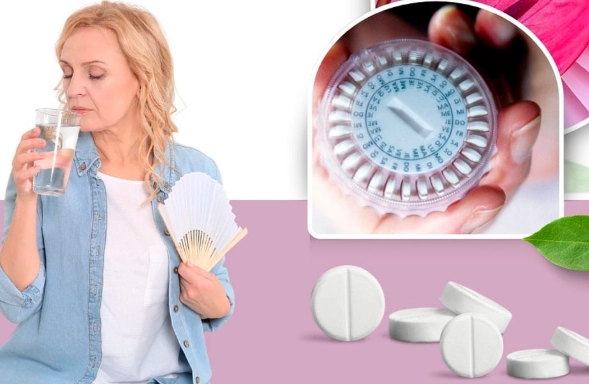
| Method | Examples | Pros | Cons |
|---|---|---|---|
| Oral (Pills) | Conjugated estrogens, Estradiol, Combination pills | Convenient, familiar, inexpensive. | "First-pass" liver metabolism may increase clot/stroke risk. Can cause more side effects like nausea. |
| Transdermal (Skin) | Patches, Gels, Sprays | Bypasses liver, lower clot risk. Steady hormone release. Good for women with liver issues, high triglycerides, or migraine with aura. | Patches can cause skin irritation. Gels must be applied correctly to avoid transferring to others. |
| Vaginal | Creams, Tablets, Rings | Excellent for local symptoms (dryness, UTIs). Minimal systemic absorption, so very low risk. | Doesn't treat systemic symptoms like hot flashes or protect bones (at low doses). |
| Other | Implants, Injections | Long-lasting. | Less common, doses can't be easily adjusted, not FDA-approved for HRT in the U.S. |
Are You a Candidate? The Decision-Making Checklist
So, how do you and your doctor decide? It's a highly individual calculus. Here's a framework for the conversation.
Strong indicators HRT might be a good option:
- You are under 60 years old and within 10 years of starting menopause.
- You are experiencing moderate to severe hot flashes, night sweats, or vaginal symptoms that are disrupting your life.
- You are at increased risk for osteoporosis and fractures (e.g., family history, low body weight, smoker).
- You have no personal history of breast cancer, heart disease, stroke, blood clots, or liver disease.
Strong indicators HRT might NOT be a good option:
- You have a personal history of breast cancer, endometrial cancer, or hormone-sensitive cancers.
- You have a history of blood clots, stroke, or heart attack.
- You have undiagnosed vaginal bleeding.
- You have active liver disease.
- You are pregnant (obviously) or have a known allergy to HRT ingredients.
The decision should be a partnership. Your doctor should review your full personal and family medical history. You should discuss your symptom severity, your personal risk tolerance, and your health goals. The American College of Obstetricians and Gynecologists (ACOG) provides excellent clinical guidelines that many doctors follow.
Your Action Plan: Starting, Monitoring, and Stopping HRT
Let's say you and your doc decide to give it a try. What happens next?
Starting: The "Start Low, Go Slow" Principle
The modern approach is to use the lowest effective dose for the shortest duration needed to manage your symptoms. You'll likely start with a low or standard dose. It can take several weeks (up to 3 months) to feel the full effects on symptoms like hot flashes. Be patient and keep a symptom diary.
Monitoring: The Check-In Schedule
You're not just set and forget. Expect a follow-up appointment within 3 months to check on side effects, symptom relief, and blood pressure. After that, annual check-ups are standard. These should include a clinical breast exam, a discussion of any new symptoms, and a review of whether you still need treatment. Routine mammograms are still required. You don't typically need routine blood tests to check hormone levels—dosing is based on symptom relief, not a lab number.
Stopping: How to Come Off HRT
There's no set rule for how long you can stay on. The decision is ongoing, revisited each year. When you decide to stop, it's usually best to taper off slowly over several months rather than stopping abruptly, to minimize the return of symptoms. Some women find their symptoms have passed and they stop easily. Others have symptoms return and may choose to restart at a low dose. It's a flexible process.
Frequently Asked Questions (The Real Ones People Ask)
Let's tackle some of the specific, sometimes awkward, questions that don't always get clear answers.
Will HRT make me gain weight?
This is a massive concern. The evidence from large studies doesn't show that HRT itself causes significant weight gain. Menopause itself, however, is associated with a shift in metabolism and fat distribution (more around the abdomen). Some women experience fluid retention and bloating when starting HRT, which can feel like weight gain, but this often subsides. If your symptoms improve and you sleep better, you might even find it easier to maintain a healthy weight through diet and exercise.
Can I use HRT if I have a family history of breast cancer?
This is a tough one and requires a very detailed discussion with your doctor and possibly a genetic counselor. A family history (especially in a first-degree relative like a mother or sister) increases your personal risk. Adding HRT may add to that risk. The decision depends on the strength of your family history, your own symptom burden, and your risk tolerance. Sometimes, non-hormonal options are strongly preferred here.
What are the alternatives to hormone replacement therapy?
Absolutely, HRT isn't the only path. For hot flashes, non-hormonal prescription medications like certain antidepressants (paroxetine, venlafaxine) or an anti-seizure drug (gabapentin) can be moderately effective. For bone health, drugs like bisphosphonates are available. For vaginal dryness, over-the-counter lubricants and moisturizers are first-line, with local vaginal estrogen being a highly effective second step. Lifestyle changes—layered clothing, cooling pillows, regular exercise, avoiding triggers like spicy food and alcohol—can also take the edge off. The National Institute on Aging has good resources on managing menopause without hormones.
Is there a "best" age to start HRT?
The "window of opportunity" theory suggests the most favorable benefit-risk ratio is for women who start hormone replacement therapy within 10 years of menopause and before age 60. Starting later, especially after 60 or many years past menopause, may carry more cardiovascular risks. This underscores the importance of individualized timing.
Wrapping It Up: Finding Your Path Forward
Look, the journey with menopause and hormone replacement therapy is deeply personal. There's no universal right answer. For a woman struggling with severe hot flashes that ruin her workday and sleep, the small absolute risks of HRT might be worth the dramatic improvement in daily living. For another woman with a strong family history of breast cancer and only mild symptoms, the scales might tip the other way.
The most important thing is to arm yourself with good information from credible sources—like the ones linked here—and find a healthcare provider who listens, explains, and partners with you. Don't let fear or outdated information make the decision for you. Weigh your symptoms against your personal health profile. Ask the hard questions. And remember, starting a trial of HRT doesn't mean you're locked in for life. It's a tool you can try, monitor, adjust, or stop based on how your body responds.
It's your health, your transition, and your choice. Make it an informed one.




Leave a comment