Your Fitness Roadmap
Let's be honest. The world of women's fitness is a mess. One day you're told to lift heavy, the next you're scrolling through endless cardio routines. You see influencers promoting juice cleanses and 90-day challenges that leave you exhausted and right back where you started. It's frustrating, confusing, and honestly, a bit demoralizing.
I've been there. I spent years chasing the wrong goals with the wrong methods. The real breakthrough in my own female fitness journey didn't come from a fad diet or a punishing workout schedule. It came from understanding how my body actually works—hormones, metabolism, muscle building, the whole deal—and working with it, not against it.
This guide is that conversation I wish I'd had. We're throwing out the one-size-fits-all nonsense and building a framework for female fitness that is sustainable, empowering, and actually gets results. Not just for a month, but for life.
The Core Shift: Female fitness isn't about shrinking yourself. It's about building a stronger, more capable, and resilient version of you. The changes in the mirror are just a bonus.
First, Let's Bust Some Major Myths
Before we build anything, we need to clear the rubble. So many women are held back by outdated or flat-out wrong information.
Myth #1: Lifting weights will make you "bulky." This is the granddaddy of them all. Women have significantly lower levels of testosterone than men, the primary hormone responsible for massive muscle hypertrophy. Lifting weights builds lean, defined muscle, boosts your metabolism like crazy, and strengthens your bones—a huge win for long-term health, especially as we age. The "toned" look? That's muscle.
Myth #2: Cardio is the best way to lose fat. Don't get me wrong, I love a good sweat session. But steady-state cardio alone is an inefficient fat-loss tool. It burns calories during the activity, but that's it. Strength training, on the other hand, builds muscle that burns calories all day long, even when you're sitting on the couch. The most effective female fitness plans combine both.
Myth #3: You need to eat 1200 calories to see changes. This is a fast track to a sluggish metabolism, muscle loss, and intense food cravings. Chronic under-eating tells your body to conserve energy (store fat) and cannibalize muscle for fuel. Not the goal.
I made this mistake for years. I'd eat tiny salads, feel weak during my workouts, wonder why I wasn't progressing, and then binge on weekends. It was a miserable cycle. Fueling properly was a game-changer.
The Pillars of a Smart Female Fitness Plan
Okay, myths are debunked. Now, what do we actually do? Think of your approach as a table with four legs. If one is short, the whole thing wobbles.
Pillar 1: Intelligent Training (It's Not Just Exercise)
Random workouts get random results. A plan gets the result you actually want. For most women, a blend is magic.
- Strength Training (Non-Negotiable): Aim for 2-4 sessions per week. This is where you build your metabolic engine and functional strength. Think compound movements: squats, deadlifts, lunges, push-ups, rows. Start with bodyweight or light dumbbells and progressively add challenge.
- Cardiovascular Health: 150 minutes of moderate (like brisk walking) or 75 minutes of vigorous (like running, cycling) activity per week is the standard recommendation from health authorities like the CDC. This isn't just for weight management; it's for your heart, lungs, and brain.
- Mobility & Recovery: This isn't optional extra credit. Dedicated mobility work (dynamic stretching, foam rolling) and true rest days prevent injuries and let your body adapt. Overtraining is a real buzzkill for progress.
So what might a weekly female fitness schedule look like? Here's a sample template for a beginner/intermediate:
| Day | Focus | Example Activities | Key Point |
|---|---|---|---|
| Monday | Full Body Strength | Goblet Squats, Dumbbell Rows, Push-Ups, Plank | Focus on form, not weight. |
| Tuesday | Active Recovery / Cardio | 30-min Brisk Walk, Yoga, or Light Cycling | Keep it genuinely easy. |
| Wednesday | Rest or Mobility | Foam Rolling, Full-Body Stretching Routine | Listen to your body. |
| Thursday | Full Body Strength | Romanian Deadlifts, Dumbbell Press, Lunges, Glute Bridges | |
| Friday | Cardio Intervals | 20 mins of (30 sec sprint / 90 sec walk) or similar | Short, sharp, effective. |
| Saturday | Fun Activity / Cardio | Hiking, Dance Class, Swimming, Long Walk | Fitness should be enjoyable sometimes! |
| Sunday | Complete Rest | Mental rest is included here. Seriously, relax. |
Pillar 2: Nutrition That Fuels, Not Just Feeds
You can't out-train a poor diet. But "diet" here doesn't mean restriction. It means strategic fueling.
Protein is Queen. It's the building block for muscle repair, keeps you full, and has a high thermic effect (your body burns calories digesting it). A common target for active women is somewhere between 0.7 to 1 gram of protein per pound of body weight. If you weigh 150 lbs, that's 105-150g per day. Sources: chicken, fish, eggs, Greek yogurt, tofu, lentils. The American College of Sports Medicine highlights its critical role for athletes and active individuals.
Don't Fear Carbs or Fats. Carbs are your body's preferred energy source for intense training. Fats are essential for hormone production (hello, healthy cycles and mood). The key is quality and timing. Have a sweet potato or some oats before a tough workout. Include avocado, nuts, or olive oil with your meals.
Simple Plate Method: At main meals, visualize your plate. ½ plate colorful veggies, ¼ plate lean protein, ¼ plate complex carbs (quinoa, brown rice, potato). Add a thumb-sized portion of healthy fat. This framework eliminates obsessive calorie counting for many.
And hydration? Crucial. Even mild dehydration can sap energy, increase hunger cues, and impair performance. Aim for your urine to be light yellow.
Pillar 3: The Mindset & Recovery Game
This is the secret sauce most programs ignore. Your brain runs the show.
Sleep is Non-Negotiable. 7-9 hours. Period. This is when growth hormone is released (for muscle repair/fat burning), cortisol (stress hormone) is regulated, and your brain resets. Skimping on sleep makes you hungrier, crabbier, and weaker. It directly sabotages your female fitness efforts.
Stress Management. High, chronic cortisol from life stress tells your body to store belly fat and break down muscle. It fights every other effort you make. Find your pressure valve: 10 minutes of meditation, journaling, a walk in nature, deep breathing. It's not fluffy; it's physiological.
Progress Over Perfection. Did you get two workouts in this week instead of your planned three? That's two more than zero. Did you choose a balanced meal 80% of the time? Win. Consistency beats intensity every single time in the long run.
Female Fitness Across Different Life Stages
Our bodies aren't static. A one-size-fits-all approach fails because a 25-year-old's hormonal landscape is different from a 45-year-old's. Smart female fitness adapts.
Training & Nutrition in Your 20s & 30s
This is often the prime time to build a solid foundation of strength and muscle. Metabolism is generally robust. The focus should be on establishing great movement patterns, building bone density (which peaks in your early 30s!), and creating sustainable habits. Pregnancy and postpartum fitness is a whole specialized chapter here—the key is working with knowledgeable professionals and listening to your body above all else.
Navigating Your 40s & 50s (Perimenopause & Menopause)
This is where understanding becomes superpower. As estrogen declines, women become more susceptible to losing muscle mass and gaining abdominal fat. The old calorie-cutting cardio routine often stops working.
The strategy shifts:
- Double down on strength training. It's your #1 tool to preserve metabolism and combat muscle loss (sarcopenia).
- Protein needs may increase. To support muscle protein synthesis in a lower-estrogen environment.
- Stress management and sleep are CRITICAL. Hormonal fluctuations make you more sensitive to cortisol's negative effects.
- High-Impact vs. Low-Impact: Listen to your joints. You might swap running for cycling, or add more Pilates and yoga for core/pelvic floor health. The goal is to stay active without injury.
The research is clear, as noted by organizations like the North American Menopause Society, that exercise is a frontline therapy for managing menopausal symptoms and protecting long-term health.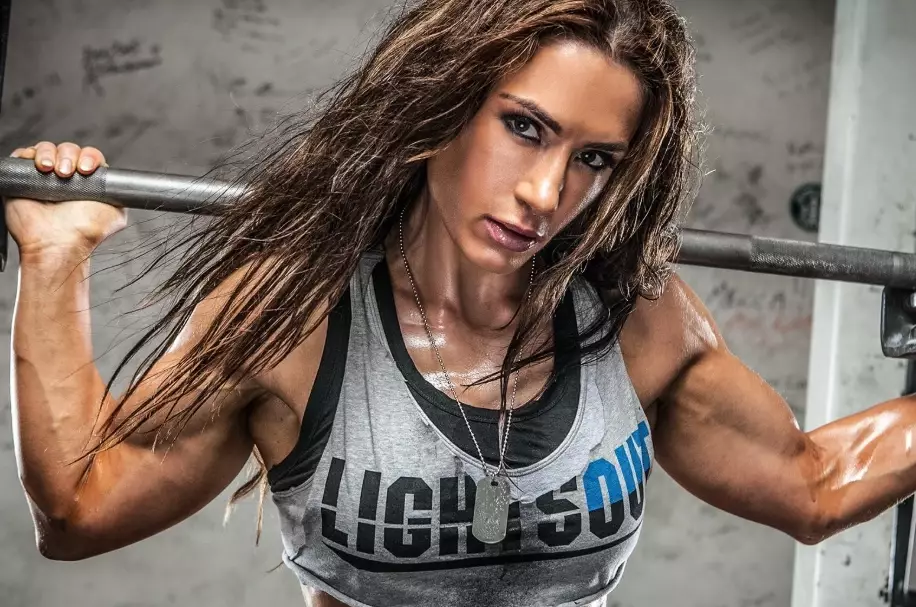
Thriving in Your 60s and Beyond
Female fitness here is about functionality and independence. The focus is on maintaining muscle mass, balance, bone strength, and mobility. Strength training (with appropriate modifications) is still the cornerstone—it prevents falls, makes daily tasks easier, and supports cognitive health. Activities like Tai Chi, swimming, and walking in nature are fantastic complements.
Answering Your Biggest Female Fitness Questions
- Performance: Can you do one more rep? Lift a slightly heavier weight? Walk faster?
- How you feel: More energy? Better sleep? Less stress?
- Non-scale victories: Your jeans fit better, you carry groceries easier, you have more confidence.
Progress isn't linear. Trust the process you've built on the four pillars.
After (within 1-2 hours): Prioritize protein to kickstart repair, plus some carbs to replenish glycogen. Example: Grilled chicken with sweet potato and broccoli, or a protein shake and a piece of fruit.
Some of my best workouts have been 25 minutes in my living room with a single dumbbell. It's not about the duration, it's about the intention.
Pulling It All Together: Your First Steps
This is a lot of information. Don't try to swallow it whole.
- Pick ONE pillar to focus on for two weeks. Maybe it's hitting your protein goal. Maybe it's scheduling three strength sessions. Nail that one thing.
- Find movement you don't hate. If you loathe running, don't run. Try dancing, hiking, kickboxing, or swimming. Adherence comes from enjoyment.
- Invest in a session or two with a certified personal trainer (look for credentials like NASM, ACE, ACSM). Even virtually. They can teach you proper form for key lifts, which is priceless for safety and progress.
- Be patient and kind to yourself. This is a lifelong practice, not a 12-week sprint. There will be weeks where travel, work, or life derails your perfect plan. That's normal. Just get back to your habits at the next meal, the next day.
The most powerful form of female fitness is the one that makes you feel capable and confident in your own skin. It's not a punishment for what you ate. It's a celebration of what your body can do. Start small, be consistent, and build the strong, energetic, resilient you that's been waiting to show up.



Leave a comment