Navigating Your Herbal Journey
- Why Even Consider Herbal Supplements?
- The Heavy Hitters: Popular Herbal Supplements for Women Explained
- The Not-So-Fun Part: Risks, Interactions, and Safety First
- How to Choose High-Quality Herbal Supplements for Women
- Beyond the Pill: Lifestyle is the Foundation
- Your Questions, Answered (The Real Ones)
- Putting It All Together: A Sensible Action Plan
Let's be honest, walking down the supplement aisle or scrolling online can feel like navigating a jungle. The promises are huge – more energy, better sleep, balanced hormones, eternal youth (okay, maybe not that last one). It's enough to make anyone's head spin, especially when you're looking for something natural to support your health. I've been there, staring at bottles of herbal supplements for women, wondering which ones are worth my money and which are just cleverly marketed placebos.
The thing is, herbs have been used for centuries. There's real wisdom there. But the modern supplement industry is a different beast. So, how do you separate the genuinely helpful from the hype? That's what we're going to dig into. This isn't about pushing a miracle pill. It's about understanding the landscape of herbal supplements for women's health, looking at what science says (and doesn't say), and figuring out a smart, safe approach. Because your health isn't a guessing game.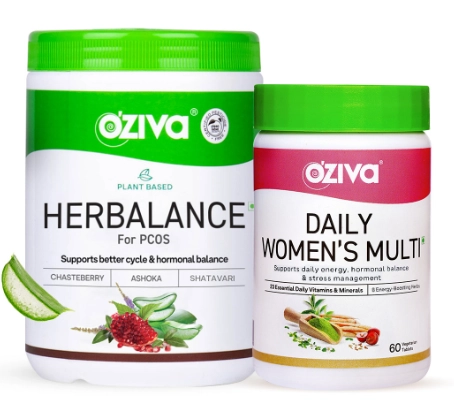
Why Even Consider Herbal Supplements?
For many women, it starts with a feeling that something's just a bit off. Maybe it's that afternoon slump that coffee can't fix, or sleep that's become elusive, or the monthly hormonal rollercoaster that feels more intense than it used to. Conventional medicine is fantastic for acute problems, but sometimes it falls short on these nagging, everyday wellness issues.
That's where the appeal of herbal supplements for women comes in. The idea is to support the body's own systems gently. It's a more holistic approach. Instead of targeting a single symptom with a strong, synthetic compound, many herbs contain a complex mix of compounds that work together, potentially offering broader support with fewer harsh side effects. At least, that's the theory. The practice requires a lot more discernment.
The Heavy Hitters: Popular Herbal Supplements for Women Explained
Let's talk specifics. Some herbs pop up again and again in conversations about women's health. They've earned their reputation, but it's crucial to know what you're actually getting into.
For Hormonal Balance & Menopause
Black Cohosh: This is probably the most famous herb for hot flashes and night sweats. Research is mixed, but some studies, like those referenced by the National Center for Complementary and Integrative Health (NCCIH), suggest it can be more effective than a placebo for some women. However, it's not a hormone itself. The mechanism isn't fully understood, and it's not recommended for long-term use beyond six months due to potential liver concerns. It's a classic example of an herb that can help but needs respect and monitoring.
Chasteberry (Vitex): This one targets the pituitary gland, which is like the master conductor of your hormonal orchestra. It's often used for PMS symptoms, particularly breast tenderness, irritability, and irregular cycles. The effect is subtle and cumulative – you might need to take it for two or three menstrual cycles before noticing a change. Don't expect overnight miracles.
Red Clover: Rich in plant-based estrogens (isoflavones), it's marketed for bone health and menopausal symptoms. The evidence here is weaker. Some women swear by it; others notice zero difference. The Mayo Clinic notes its potential but emphasizes the lack of strong conclusive data. If you have a history of hormone-sensitive conditions, you need to be extra cautious with this one.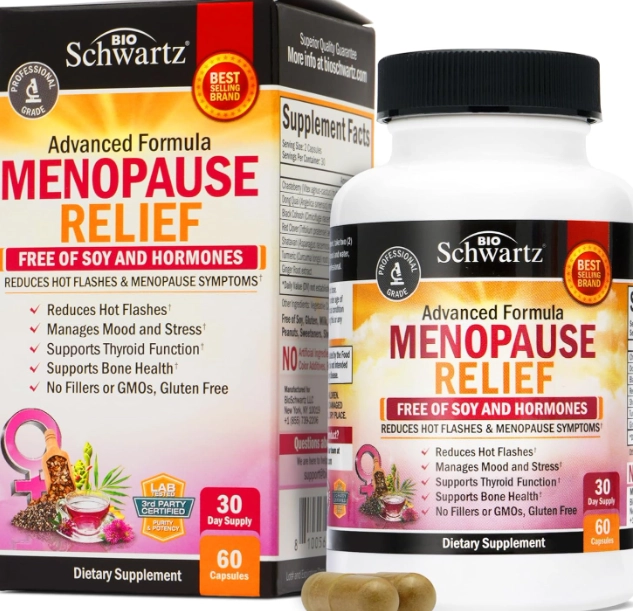
For Stress, Energy & Adaptogens
This category is huge right now. Adaptogens are herbs said to help your body "adapt" to stress.
Ashwagandha: The king of adaptogens in many people's eyes. It's praised for reducing cortisol (the stress hormone), improving sleep quality, and boosting energy and focus. I've found it useful during periods of high work stress – it took the sharp, anxious edge off my fatigue. But it can be too sedating for some, and if you have thyroid issues, you must talk to a doctor first as it can stimulate thyroid hormone production.
Rhodiola Rosea: This is the other big adaptogen, but with a different flavor. While Ashwagandha is often calming, Rhodiola is known for fighting fatigue and enhancing mental performance. It's like a natural, non-jittery pick-me-up. It's one of the better-studied adaptogens, but its effects can vary wildly depending on the extract quality.
Holy Basil (Tulsi): A gentler adaptogen. It's more of an all-around tonic for stress and immune support. It's delicious as a tea, which is how I usually take it. It feels more like a daily wellness practice than a targeted supplement.
For General Wellness & Immunity
Turmeric (Curcumin): The superstar of anti-inflammation. Chronic, low-grade inflammation is linked to nearly every modern health issue. The problem? Curcumin, the active compound, is poorly absorbed by the body. Look for supplements paired with black pepper extract (piperine), which significantly boosts absorption. Even then, the effects are subtle and long-term.
Ginger: Don't overlook this kitchen staple. Fantastic for nausea (morning sickness, motion sickness) and digestive support. It also has anti-inflammatory properties. A simple ginger tea is often more effective and pleasant than a capsule.
Milk Thistle: Known as a liver supporter. If you're taking multiple supplements or medications, or if you enjoy the occasional glass of wine, some people look to milk thistle to help support liver detox pathways. The science is more supportive for specific liver conditions than for general "detox" in healthy people, but it has a long history of use.
The Not-So-Fun Part: Risks, Interactions, and Safety First
This is where I see a lot of blogs drop the ball. They gush about benefits and gloss over risks. But if we're talking about being a responsible resource, this is the most critical section.
Herbs are medicine.
They contain active compounds that can interact with prescription medications, worsen certain health conditions, or cause side effects just like pharmaceutical drugs can. Assuming "natural equals safe" is a dangerous mistake.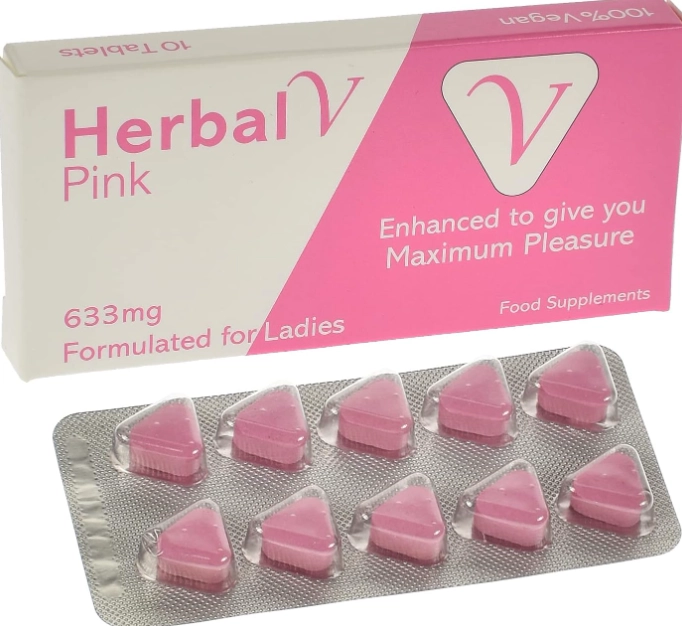
| Common Herb | Potential Drug Interaction/Concern | Why It Matters |
|---|---|---|
| St. John's Wort | Antidepressants (SSRIs), birth control pills, blood thinners, many others. | It's a famous one. It can speed up liver metabolism, making medications less effective. This can lead to contraceptive failure or reduced efficacy of life-saving drugs. |
| Ginkgo Biloba | Blood thinners (warfarin, aspirin), NSAIDs (ibuprofen). | It has blood-thinning properties. Combined with other blood thinners, it can significantly increase the risk of bleeding or bruising. |
| Garlic (in high-dose supplements) | Blood thinners, HIV medications. | Similar to Ginkgo, it can increase bleeding risk. It may also lower the effectiveness of some HIV drugs. |
| Echinacea | Immunosuppressants, liver-metabolized drugs. | If you have an autoimmune condition or are on immunosuppressants, stimulating the immune system is the opposite of what you want. |
| Black Cohosh | Liver-toxic drugs, statins. | Due to rare but serious liver concerns, combining it with other substances that stress the liver requires extreme caution and doctor supervision. |
See what I mean? It gets serious fast. The Office of Dietary Supplements (ODS) at the NIH is an invaluable, unbiased resource for checking interactions and safety profiles.
Other critical safety steps:
- Talk to Your Doctor or a Pharmacist. Yes, even about "natural" stuff. Give them a complete list of everything you take – prescriptions, over-the-counter drugs, vitamins, and herbs. They can check for interactions your Google search might miss.
- Quality is Everything. The supplement industry is notoriously under-regulated. A bottle might contain less, more, or none of the herb on the label. It could be contaminated with heavy metals, pesticides, or even hidden pharmaceuticals.
- More is Not Better. Herbal supplements for women often work best at moderate, traditional doses. Megadosing can turn a helpful herb into a harmful one.
How to Choose High-Quality Herbal Supplements for Women
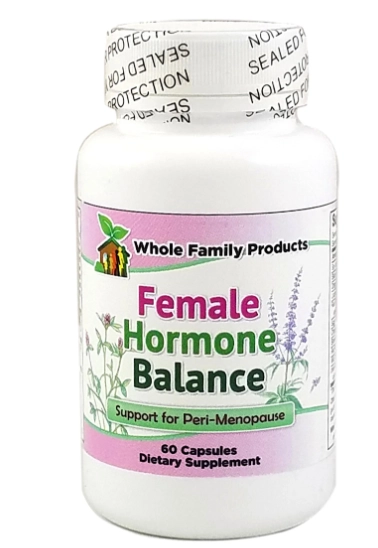
You can't just grab the prettiest bottle. You have to become a bit of a detective. Here's my personal checklist, born from wasted money and a few disappointing experiences.
- Third-Party Testing Seals: Look for logos from independent labs like USP (U.S. Pharmacopeia), NSF International, or ConsumerLab.com. These mean the product has been tested for what's on the label and for common contaminants. This is the single most important thing to look for.
- Standardized Extracts: This means the supplement is guaranteed to contain a specific, measurable amount of the key active compounds. For example, "standardized to contain 5% withanolides" for Ashwagandha. This ensures consistency and potency from batch to batch.
- Transparent Labeling: The label should clearly state the Latin (botanical) name (e.g., Withania somnifera), the part of the plant used (root, leaf), the extract type, and the amount of active compounds. Vague terms like "proprietary blend" where amounts are hidden are a red flag.
- Reputable Brands: Stick with companies that have a long-standing reputation for quality and transparency. They often invest in their own research and have rigorous manufacturing standards (like following Good Manufacturing Practices - GMP).
It often means spending a bit more. But when it comes to what you put in your body, isn't that worth it? A cheap supplement is just expensive urine, or worse, a health risk.
Beyond the Pill: Lifestyle is the Foundation
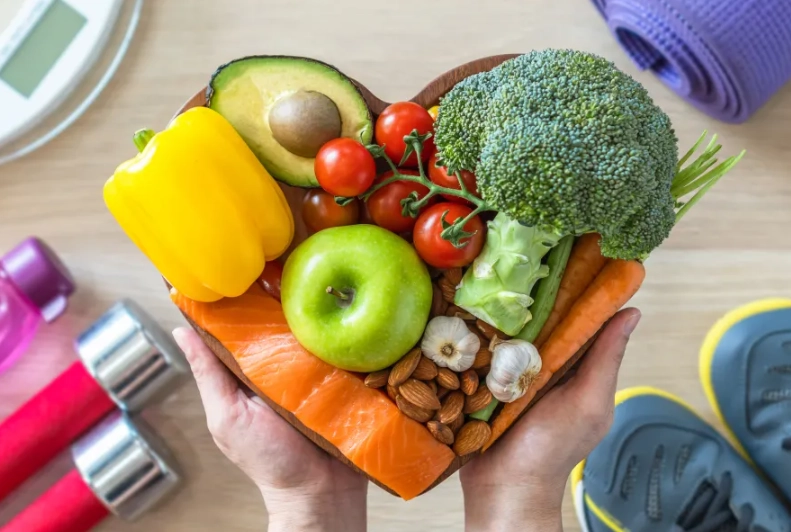
This is my biggest piece of advice, and it's not in a bottle. No herbal supplement for women is a magic wand that can fix a poor diet, chronic sleep deprivation, or unmanaged stress.
Think of herbs as supportive players, not the lead actor. The lead actor is your daily lifestyle.
Before you spend another dollar on supplements, ask yourself:
- Am I drinking enough water?
- Am I eating mostly whole, nutrient-dense foods?
- Am I getting some form of movement I enjoy most days?
- Am I prioritizing sleep and finding ways to manage stress (meditation, nature, hobbies)?
Nailing these basics will do more for your energy, mood, and hormonal health than any stack of pills. Herbal supplements for women can then be used to gently nudge specific areas that need extra support, on top of a solid foundation. Using them to compensate for a chaotic lifestyle is a losing strategy.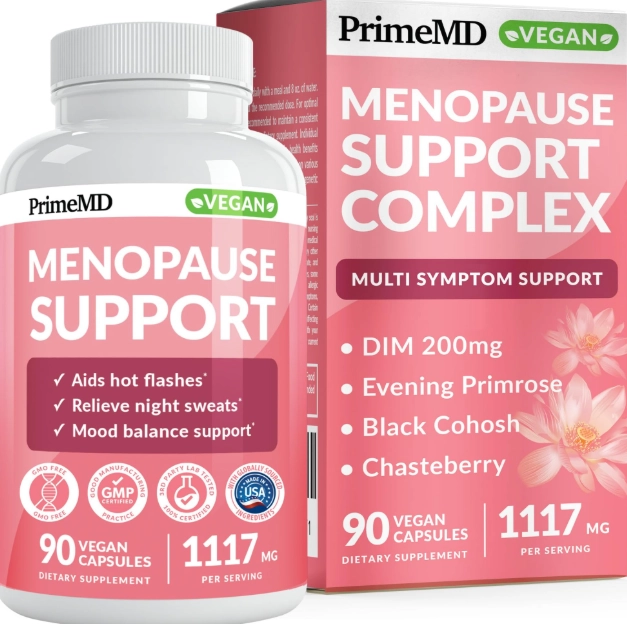
Your Questions, Answered (The Real Ones)
Let's tackle some of the specific, nitty-gritty questions women actually have when searching for information on herbal supplements for women.
Can I take multiple herbal supplements for women together?
Proceed with extreme caution. This is called "stacking," and it increases the risk of interactions exponentially. Start with one new supplement at a time. Wait at least 2-4 weeks to see how your body responds before even considering adding another. If your goal is hormonal balance, taking five different herbs that all affect hormones is more likely to create chaos than harmony. Less is almost always more.
How long does it take for herbal supplements to work?
This is where patience is key. Unlike a painkiller that works in 30 minutes, most herbal supplements for women work gradually by supporting your body's systems. For issues like stress or hormonal balance, give it a solid 4 to 8 weeks of consistent use before evaluating if it's helping. Some, like adaptogens, might show subtle effects on mood and energy within a couple of weeks. But if you're looking for a quick fix, you'll likely be disappointed.
Are there any herbal supplements for women I should just avoid?
Some have such high risk or such low evidence that they're best avoided by most people. Kava for anxiety, for example, has been linked to serious liver damage. Ephedra (Ma Huang) is banned for weight loss due to heart attack and stroke risks. Comfrey contains compounds toxic to the liver. Always, always research safety first.
What's the best form: capsules, tinctures, or teas?
It depends on the herb and your goal. Capsules are convenient and standardized. Tinctures (alcohol extracts) are fast-acting and the traditional form for many herbs, but dosing can be trickier. Teas are gentle, hydrating, and wonderful for herbs like ginger, holy basil, or chamomile where the ritual is part of the benefit. For a potent, targeted effect, a standardized capsule or tablet from a trusted brand is often the most reliable choice.
Putting It All Together: A Sensible Action Plan
Feeling overwhelmed again? Let's simplify. Here's a step-by-step approach that makes sense.
- Identify Your Primary Goal. Be specific. Is it "reduce PMS irritability," "get better sleep," or "support energy during perimenopause"? Don't try to solve everything at once.
- Do Your Homework. Research 1-2 herbs traditionally used for that goal. Use authoritative sources like the NCCIH or ODS sites I linked earlier.
- Check for Red Flags. Look up potential interactions with any medications you take. If there's a known risk, cross that herb off your list.
- Talk to a Professional. Run your choice by your doctor, a registered dietitian, or a knowledgeable naturopathic doctor (ND).
- Source a Quality Product. Use the checklist above. Buy from a reputable retailer.
- Start Low and Go Slow. Begin with the lowest recommended dose. Take it consistently.
- Listen to Your Body. Keep a simple journal. Note any positive changes, side effects, or nothing at all. Your body will tell you if it's working.
- Re-evaluate. After 2 months, decide: Is this worth continuing? If not, stop. You can try a different herb, or maybe you realize the issue needs a different approach altogether.
The world of herbal supplements for women is full of potential, but it demands a curious yet cautious mindset. It's not about finding a magic bullet. It's about becoming an active, informed participant in your own health journey, using ancient wisdom with modern discernment. Ditch the hype, respect the power of these plants, and build your wellness from a foundation of good food, good sleep, and good sense. The rest can be thoughtful support.


Leave a comment